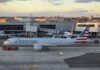

Qatar Airways announced this in late 2023. Starlink inflight connectivity. The first plane flew in October 2024. They uploaded the press release from 35,000 using that very network. A bit showy. I like it.
Now they have crossed another threshold. The Boeing 777s are done. The Airbus A350s are done. Even the smaller Boeing 787-8 jets have it installed. Just wrapped up.
What remains is the bulk of the Boeing 787-9 fleet. Twenty-seven planes currently. Expect all of them to get the signal by the end of 2026.
Free and Fast
Here is the thing most airlines are scared of. Giving it away. Qatar is offering this Starlink service for free. No credit card needed. One click. That’s it.
Speeds hit up to 500 Mbps. You can stream sports. Play games. Run a VPN if you want to keep your data messy. And yes they let you make video calls. Controversial move? Maybe. A double-edged sword for sure. Who wants their neighbor watching a meeting call?
But the quality is there. The former CEO even did a live video chat with Elon Musk on the first flight, back in October last year. It worked.
“A game changer for the passenger experience.”
Not hyperbole. When you are one of the world’s biggest long-haul carriers, speed matters. And freedom of choice matters.
The Rollout Numbers
Let’s look at the fleet. It’s impressive work for the maintenance teams. Roughly 10 hours per plane to install. That’s fast for hardware this complex.
- Boeing 777 : Over 60 jets done. They were the pioneers.
- Airbus A350 : Also over 60 jets. The second batch.
- Boeing 787- 8 : Thirty-two jets. Recently completed.
Now comes the 787-9. The Dreamliner is tricky. Its composite fuselage blocks signals like metal doesn’t. That is why US carriers have stalled on this. Alaska Airlines is supposed to try it later this year. United too. But the materials fight back. Installation is a puzzle. Qatar is solving it though.
The Airbus A330 fleet? Probably going to scrap yard soon. Maybe not. The A380 superjumbos are the wildcard. We wait. See if the tech fits. See if they keep flying them.
Why This Matters
This is a competitive advantage. Real ones aren’t built in boardrooms. They are bolted onto wing tips.
Most airlines still charge for Wi-Fi or serve it at speeds suitable for reading text emails from 1995. Qatar is throwing high bandwidth at the problem without a paywall. Passengers notice.
The widebody fleet is mostly covered. The remaining 787-9 s are in the pipe. By 2026 the network will be fully deployed. Other carriers watch closely. Some will follow. Others might hesitate. The tech works now. The question is whether anyone else will have the guts to make it free.
Probably not immediately.