
The travel and hospitality sectors are undergoing significant structural shifts, driven by rapid technological advancements, changing consumer preferences for luxury, and diverging regional tourism strategies. From how guests book their stays to where they spend their vacations, the industry is moving toward high-tech personalization and high-touch exclusivity.
The Digital Frontier: AI and the Future of Hotel Bookings
As artificial intelligence begins to move from a novelty to a functional tool, hospitality technology providers are racing to stay relevant. SiteMinder, a key player in hotel distribution, is pivoting its strategy to ensure hotels remain visible in an era of automated booking.
The core challenge lies in the shift of the “customer journey.” Traditionally, travelers searched through websites and apps; however, as AI agents begin to handle more logistical tasks, the way guests discover accommodations is changing. SiteMinder’s focus on ensuring hotels “show up” when AI performs bookings highlights a critical trend: the battle for visibility is moving from search engines to AI algorithms.
The Rise of Private Destinations and Luxury Tourism
While technology changes how we book, consumer desire for exclusivity is changing where we go. MSC Group is capitalizing on the growing demand for “turnkey” luxury experiences by expanding its private island portfolio in the Bahamas.
By bolstering its presence with Ocean Cay and Sandy Cay, MSC’s Cruise Division is effectively extending the cruise experience onto land. This strategy addresses a specific trend in high-end travel:
– Curated Experiences: Travelers increasingly want seamless, all-inclusive environments.
– Controlled Environments: Private islands allow cruise lines to offer a level of service and security that public destinations cannot match.
– Brand Extension: The destination becomes an integral part of the cruise brand, rather than just a stop on a map.
Market Volatility and Airline Consolidation
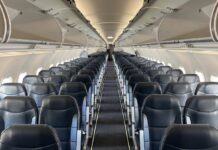
The aviation sector remains a landscape of stark contrasts, marked by both financial instability and strategic divergence.
Financial Distress in the Skies
The potential liquidation of Spirit Airlines serves as a stark reminder of the volatility within the low-cost carrier market. As trustees navigate bankruptcy proceedings, the ripple effects could benefit larger competitors like United and JetBlue, particularly in key hubs like Fort Lauderdale. This highlights a recurring cycle in aviation: financial instability in budget sectors often paves the way for market share consolidation among established players.
The Strategy of Independence
In contrast to the rumors of a “mega-merger” involving