It costs twenty-five dollars.
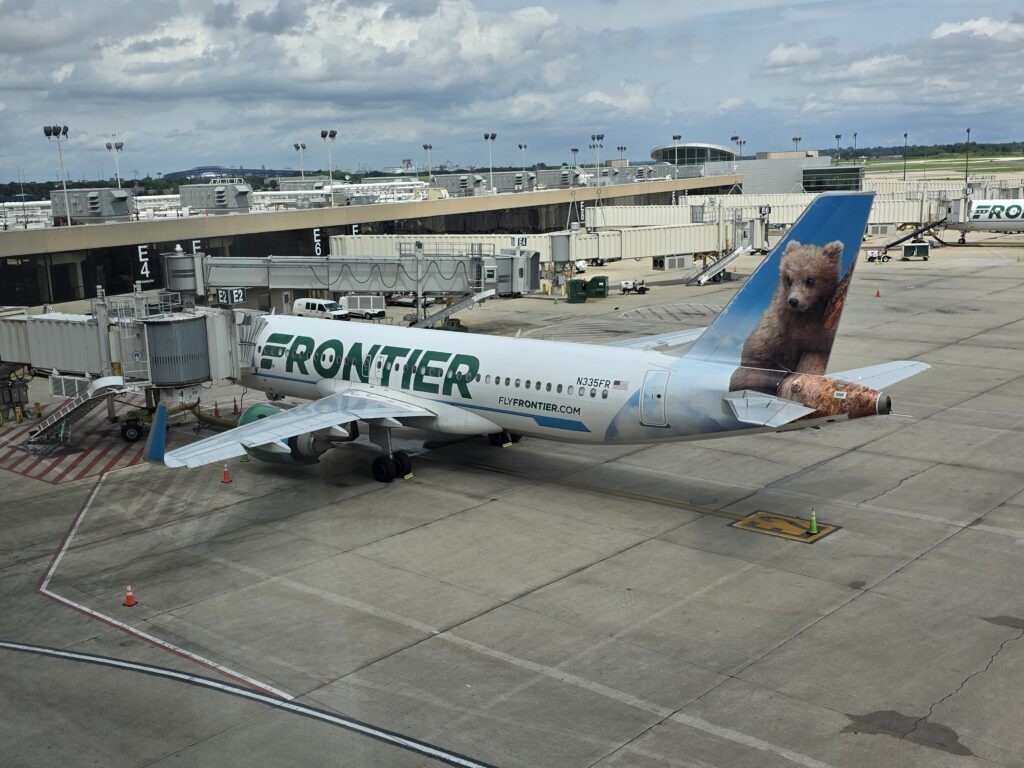
Frontier tells you its online “Carrier Interface Charge” is optional. Technically true. But if you actually want to book that flight without the fee, you have to physically drive to an airport. Park the car. Stand in line behind people who are actually flying. Then, guess what. You get hit with a twenty-five-dollar airport booking fee anyway.
The irony isn’t lost on anyone with a calculator.
Frontier labels this mandatory web tax a convenience fee. Up to twenty-three bucks a segment. Non-refundable. It sits on top of your fare, blended in like ketchup in a burger. You don’t think about it until you’re staring at the total price, wondering why flying across state costs so much for two hours in the air.
Why do they do it?
Tax arbitrage. That’s the boring corporate word for it. The feds levy a seven-point-five-percent excise tax on domestic ticket fares. Not on fees. So if Frontier can call that twenty-three bucks a “convenience charge” rather than part of the ticket price, they don’t pay the tax. Everyone saves money. Except the government. Except the consumer who pays the full freight in the end.
To keep the tax break, the fee has to be optional. By law, you need an escape hatch. So Frontier points to their ticket counters. Book here. No online fee.
Except almost nobody does. Who has three hours to kill just to avoid a digital tax? The airport counters are often staffed by contractors like Menzies or G2. They bid on cost. Quality isn’t usually the itemized line. You’ll likely find an employee who doesn’t know how to book a ticket on a twenty-year-old desktop, who tells you to go online, or who charges you that flat twenty-five dollar “airport transaction fee” the moment you sit down.
One passenger complained to the DOT. Frontier admitted it. Yes. We charge you to buy tickets at the counter.
It’s a trapdoor with a toll booth on both sides.
This isn’t an accident. US aviation law actively encourages this behavior. Lawmakers love to tweet about “hidden airline fees” while quietly leaving the tax structure intact that creates those hidden fees. They refuse to admit their legislation built the incentive. Congress rants. They do nothing. The fees keep climbing.
Frontier isn’t exactly squeaky clean with tax money, either. They famously hoarded $5.4 million in unrefunded TSA security taxes. Customers didn’t fly. Frontier kept the tax. The government sued. Frontier lost.
Now they’re charging twenty-five dollars for the privilege of booking in person, effectively blocking the “optional” loophole their own tax savings rely on. Is this tax fraud? A class action waiting to happen? Or just another Tuesday in budget travel?
Maybe it doesn’t matter who pays what, as long as the plane takes off.
But let’s be clear. The system is broken. The distinction between fare and fee is an arbitrary line in the sand that lets airlines game the tax code while passengers foot the bill for the gymnastics. We need to end the differential tax treatment. Not because I care deeply about airline profits, though they’re heavily subsidized. But because distorting the market this way is ugly. And expensive. And frankly, exhausting.