Airbnb is no longer just a couch on a stranger’s floor. Not anymore. The company started by renting air mattresses, but it has evolved into a sprawling travel ecosystem, and it’s adding more layers, faster than you can say “superhost.”
Last year they launched spa treatments, photo shoots, and revamped Experiences. This year, the scope widens significantly. Yes. Real hotels.
“The best trips help you explore… and come home a little different,” co-founder Brian Chesky told reporters. He promises “unforgettable World Cup experiences” and services designed to reduce friction. Less planning. More feeling.
Let’s break down the actual mechanics of what’s new.
Booking the boring stuff, actually
Airbnb wants to be the single place you open when you plan a trip. The friction of jumping between tabs? Gone. They’ve bundled several new categories directly into the app.
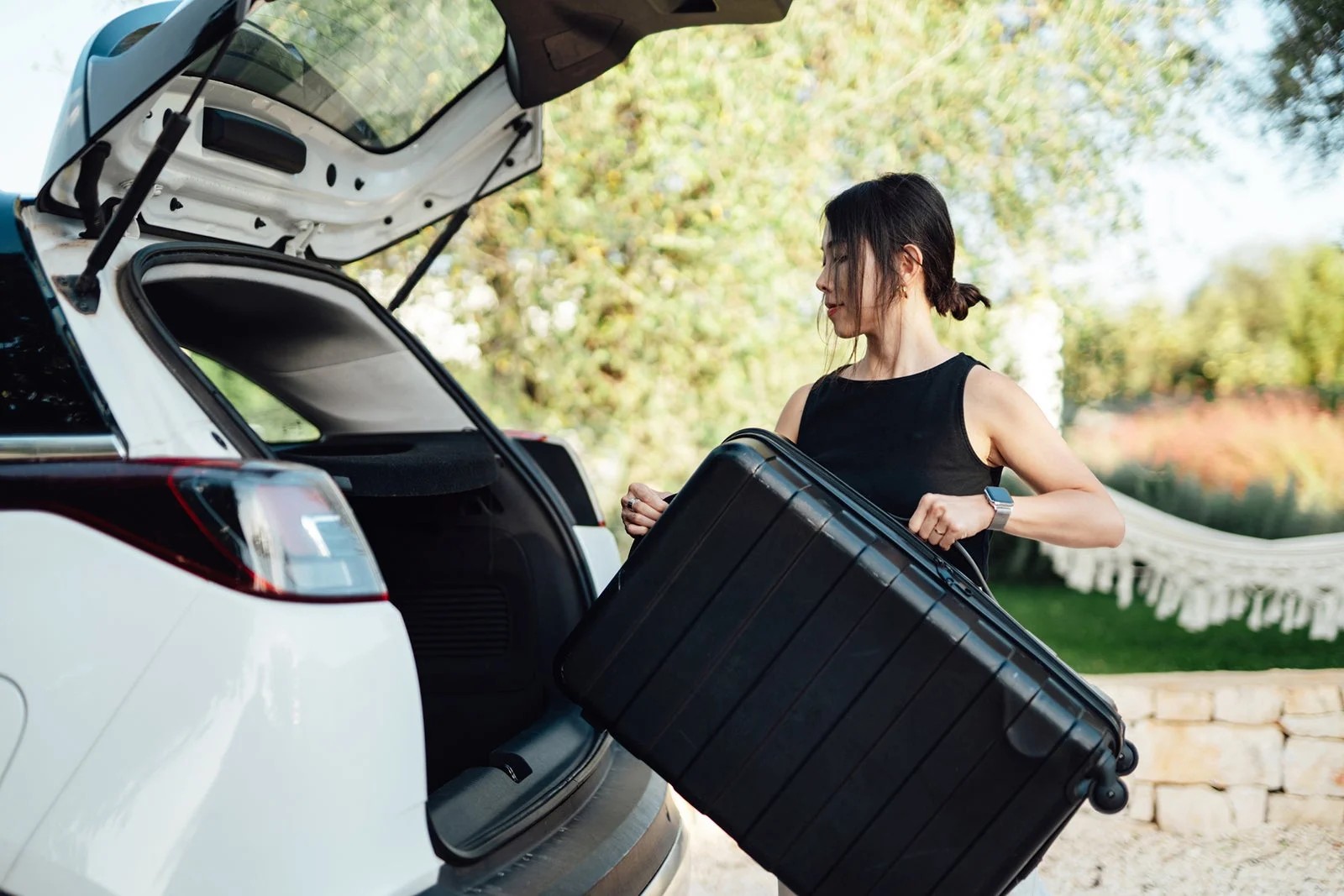
- Car Rentals. No more separate browser window. The app scans your listing location, suggests vehicles sized for your group, and books the rental. New to car rentals on the platform? You get a 20 percent credit for your next booking. It’s a sweetener, obviously.
- Grocery Delivery. They partnered with Instacart. Over twenty-five US cities now support pre-ordering groceries. Your food waits for you upon arrival. Delivery is free, and you snag $10 off orders over $50. Convenience sold simply.
- Airport Pickups. Welcome Pickups joins the party. A driver tracks your flight landing. Meets you at the curb. It’s in 160 global cities. You save 20 percent per ride.
- Luggage Storage. Dragging bags through the city before check-in? Painful. The app locates the nearest Bounce locker among 15,000 spots in 175 cities. Fifteen percent off.
According to the press release, this is “just the beginning.” The implication is clear: they aren’t stopping until every travel transaction happens through their interface.
Experiences that actually happen
Tours aren’t new. Airbnb has them. But they’re doubling down on specificity this summer. Thousands of new activities led by locals. Not generic guides, but people embedded in the scene.
Landmarks get a guide twist. Walk the Tower of London or visit the Taj Mahal with context you won’t get from an audio tour.
Food gets serious treatment too. Partnerships with Chef’s Table and Grand中央 Market mean you aren’t just eating dinner, you’re peeling back the curtain. Meet Michelin-starred chefs. See where the food comes from.
What about the World Cup?
Airbnb won’t sell you the ticket. They don’t have inventory there. But they will sell you access to the people. Watch parties with legends like Abby Wambach. You can’t get closer than that without playing in the field.
It’s worth noting that unlike Hyatt or Hilton, you can’t pay with points here. No hotel loyalty currency converts. The value is purely in the uniqueness of the access.
Hotels, but make them boutique
This is the headline shift. After two decades of prioritizing unique stays—from treehouses to hobbit holes near Tennessee’s Smokies—Airbnb is embracing the traditional hotel.
Thousands of properties are now on the site. Not the generic chains with the identical carpeting, though. These are boutique, independent hotels. Handpicked. Located well. Designed well. Available in twenty hot spots like New York, London, and Singapore. More cities will follow.
Why would a user bother? The incentives are sharp.
Book a featured hotel, and you might earn up to 15 percent credit toward a future Airbnb home rental. They also offer a price-match guarantee. Find it cheaper elsewhere? They give you the difference back in credit.
It feels less like a feature update and more like a fortress strategy. Keep the money in. Keep the user scrolling. Is it a loyalty program? In spirit, certainly. The line blurs every time you click “book.”
The goal is convenience. Booking the car, the bags, the food, and the hotel in one dashboard saves time. Who hates saved time?
The platform keeps changing shape. One year it’s a homeshare, the next it’s an experience curator, now it’s a hotel aggregator. It works because the interface is sticky. The question isn’t whether the features are good. They’re fine. It’s whether the platform feels like home still, or if it has become just another tool for efficiency.