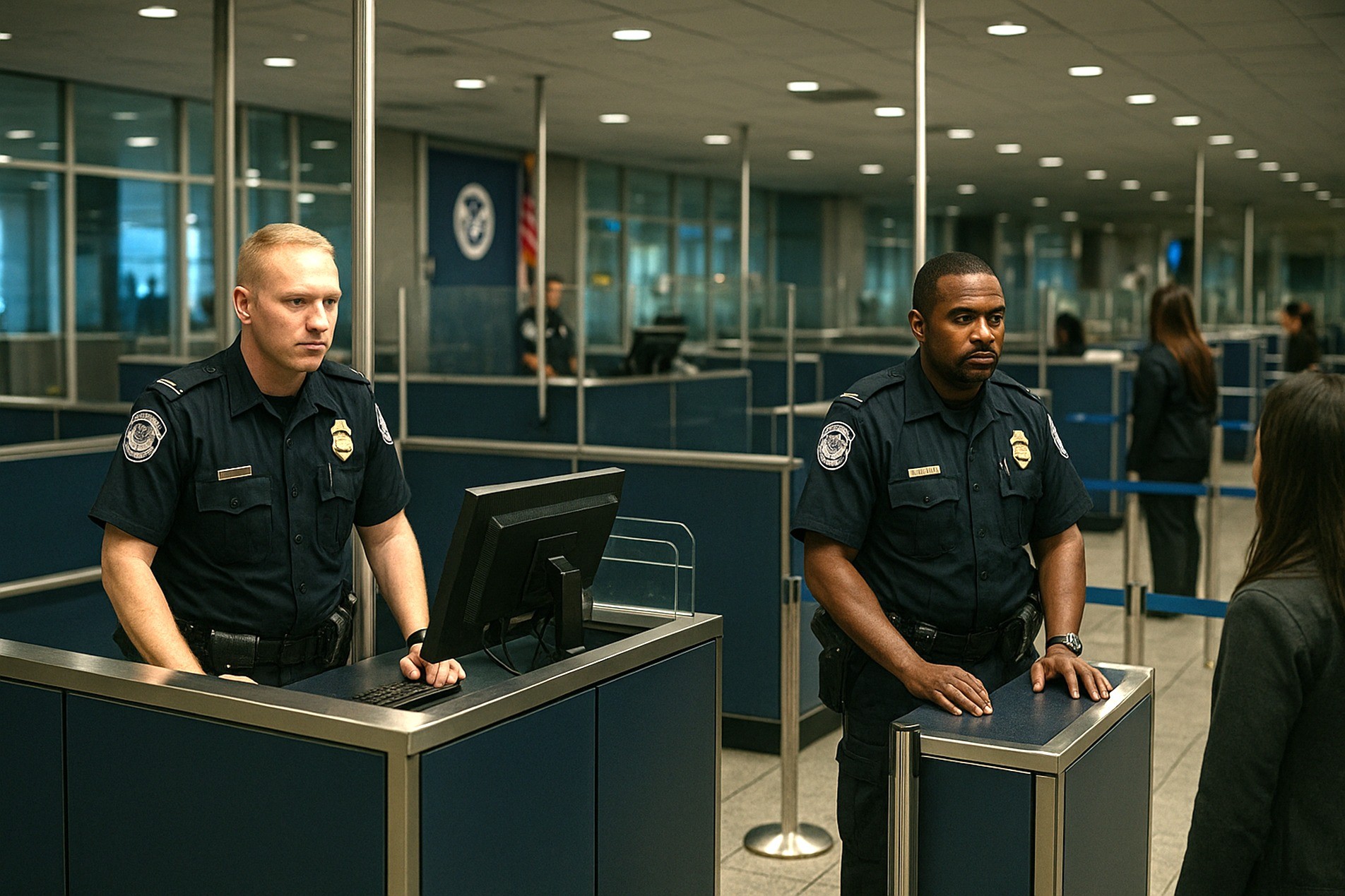
DHS wants to pull the plug on international travel to major U.S. airports. Markwayne Mullin told airline executives he means business. No customs officers at JFK. No CBP agents at LAX. If you fly into these hubs from abroad, the gates stay shut.
The Setup
Last month Mullin dropped the hint. Democrats wouldn’t fund his department, so he’d withhold its services from their cities. It sounds like partisan posturing, the kind of thing you dismiss. But then he sat down with industry leaders last week. And he made it clear. He plans to remove passenger and cargo screening from airports in so-called sanctuary cities.
The timeline? After the 2026 World Cup.
The target list is long. JFK. Los Angeles. O’Hare. San Francisco. Boston. Denver. Portland. Newark. If this goes through, all international flights vanish from these locations. Period.
Transportation Secretary Sean Duffy is fighting back. Good move. He gets it. We don’t shut down air traffic because we dislike the local politics. The rest of the administration seems blind to that obvious reality.
The Geography Doesn’t Work
Here is where the plan falls apart. These airports aren’t in the cities they claim to serve. Not even close.
San Francisco International? That’s in unincorporated San Matea County. Not in SF proper. Seattle-Tacoma sits in SeaTac. Washington National Airport is in Virginia. Arlington, technically. Meanwhile D.C. claims to be a sanctuary city, so why is its airport in a different jurisdiction?
And who flies into JFK anyway? People from Long Island. New Jersey. Connecticut. It serves a massive region, not just the five boroughs. Los Angeles Airport pulls passengers from Riverside, San Bernardino, Orange County. Shutting down Customs doesn’t punish San Francisco’s mayor. It punishes everyone else trying to get into the country.
Customs Is Federal, Not Municipal
Let’s be clear about what Customs and Border Protection does. They aren’t providing a municipal service. They secure the U.S. border.
Processing entry into the United States is a federal mandate. It has nothing to do with your zip code or your mayor’s policy on police cooperation.
Regulations dictate where ports of entry go. Criteria include volume. Facility suitability. Business needs. It does not include “the mayor disagrees with our policy.” Withdrawing officers usually happens when there’s no traffic, or the facilities fail. Or another port makes more sense. It’s not a tool for political revenge.
The Self-Owning Policy
If the goal is to punish local officials for not helping ICE… well, good luck with that. It backfires. Hard.
Pulling federal officers off the field doesn’t hit the politicians. It hits travelers. Lawful visitors. Returning citizens. Airlines that paid for these slots. Workers at the terminal. Shippers moving goods.
The Port of Los Angeles handles 31% of U.S. container shipping. It supports millions of jobs. Southern California exports fuel the national economy. Disrupting this doesn’t just hurt blue cities. It hurts the whole supply chain. Who pays for that? Everyone. Especially the Republican voters who need goods delivered on time.
What happens to the flights? International arrivals require a Federal Inspection Station. Where do the planes go if JFK closes its international desk? Somewhere closer? Nowhere?
Fuel is expensive. Rerouting costs money. Airlines rely on connecting traffic to keep their hub operations alive. Strip the international passengers and you cripple the domestic network too. Do we return to subsidizing carriers because they can’t operate without political interference?
The Bottom Line
Gary Leff wrote this. He’s been in travel for decades. He was once introduced on Fox News as a conservative voice. He doesn’t write this for the left. He writes this because it’s bad policy.
Mullin’s plan isn’t smart. It’s not strategic. It ignores geography, law, and basic economics. Kristi Noem leaving DHS was supposed to bring some seriousness to the table. Maybe we were mistaken about that.
The plan looks like a stunt. But it’s a dangerous one. What happens next? That’s the question.