

Let’s be honest. If you are planning a UK trip and think you need to go to London to see anything remotely interesting, you are doing it wrong. The National Space Centre in Leicester isn’t just a museum. It is the highest-volume visitor attraction in England dedicated entirely to the cosmos. And it is worth the detour.
Located about two hours north of London by train. The facility opened its doors on June 30, 2001. It wasn’t built for budget. The architect Nicholas Grimshaw designed a building that looks like a spaceship landed in a field. Standing at 42 meters tall. The central tower dominates the Leicester skyline. You can spot it from miles away.
The architecture alone is a reason to visit. But the science inside? That is the hook. The museum operates across six distinct sections. Each one tackles a different facet of the universe. You won’t just read about stars. You will walk through them.
What Actually Happens Inside the Building
The layout prevents fatigue. You don’t get bored staring at glass cases. The exhibits cover astronomy. Kozmoloji. Planetary science. Even the history of human spaceflight. You find equipment that has actually flown or been used in training. Real artifacts. Not replicas.
The planetary dome is the main event. It’s a planetarium. But not the dusty kind with a flickering projector. It’s immersive. You look up. The ceiling becomes the sky. You travel to Mars. You drift past Jupiter. The scale makes you feel small. Good thing.
Then there is the Rocket Tower. You can actually go inside. It’s a replica of a sounding rocket. You climb up. The views over Leicester are decent. Not enough to justify the trip alone. But the experience of standing inside a piece of aerospace engineering? That’s unique.
The Practical Stuff You Need to Know
Tickets aren’t cheap. But they aren’t extortionate either. Expect to pay around £25-£30 for an adult. Children go for less. If you go on a weekday. You avoid the crowds. Weekends are packed with school groups. The noise level rises. The experience drops. Go Tuesday morning. Walk in. Have the place to yourself.
The shop is surprisingly good. Most museum gift shops sell plastic junk. This one sells high-quality astronomy gear. Star charts. Models of spacecraft. Telescopes that aren’t toys. You’ll leave with something heavier than your wallet.
Where It Fits in a Broader Plan
Leicester is a stopgap city. But the National Space Centre anchors it. Pair it with a trip to the nearby Charnwood Forest. Hike up Beacon Hill. Look up at the night sky. The light pollution is lower there. The contrast between the high-tech museum and the natural dark sky is jarring. In a good way.
You need to book ahead in summer. July and August are peak times. Walk-up availability is thin. Book a slot for the planetarium shows specifically. They fill up fast. The general admission gets you in the door. The show gets you into the universe.
Is it the only space museum in the UK? No. Waddesdon has one. London has one. But Leicester’s is the most accessible. The building
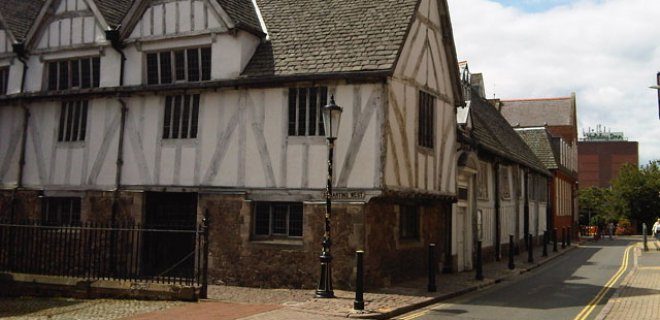
The Guildhall isn’t just a pretty facade. It’s the city’s old heartbeat. Built in 1390, this structure has seen everything from medieval council meetings to civil war negotiations. For centuries, it served as the town hall until 1876. Today, it’s a multi-use space. You might catch a theatre performance here. You might sit in a crowded chamber during a city council debate. The architecture is a patchwork. Some sections date back to the 15th century, while others have been carefully restored for modern use. It’s a symbol of Leicester now. If you’re walking around the city center, you can’t miss it. It’s not just a building. It’s a record of political survival.
Why the Guildhall Matters to Travelers
Most visitors walk past without thinking about the layers of history under their feet. But the Guildhall demands attention. It’s where local disputes were settled. It’s where the community gathered during times of crisis. The interior holds echoes of the past. Think about the weight of those rooms during the English Civil War. Leaders used this space to find solutions when the country was tearing itself apart.
The building’s versatility is its strength. It doesn’t sit idle. It hosts events. It hosts courts. It hosts celebrations. This constant use keeps the stone walls alive. You aren’t looking at a museum piece behind glass. You’re standing in a room that still functions. That’s rare. That’s valuable.
Logistics for Your Visit
Getting there is straightforward. It sits in the heart of Leicester. You can walk from most central hotels in under ten minutes. There’s no entrance fee for general viewing, which is a relief. Museums charge. Galleries charge. This place doesn’t. You can pop in during business hours. Check the local event calendar before you go. Sometimes the doors are locked for private functions. Other times, the main hall is open for tours or public access.
Timing matters. Weekday mornings are quiet. Good for photos. Good for soaking in the atmosphere. Weekends can be busy with markets or festivals spilling over from nearby streets. If you want the full experience, try to catch a public meeting or a cultural event. It transforms the space from a historic monument into a living part of the city.
What to Look For
Don’t just glance up at the ceiling. Look at the details. The craftsmanship from the 15th century is evident in the woodwork and stonework. Notice the mix of eras. The restoration work blends in, but if you look closely, you can see the seams. It’s not about hiding the age. It’s about preserving it. The building’s role as a courthouse adds a layer of gravity. You can almost hear the gavel. You can almost hear the debates.
This is one of Leicester’s top-tier structures. It’s not just a photo op. It’s a lesson in civic endurance. The city has changed. The government has changed. But the Guildhall remains. It’s a testament to the idea that some places are too important to let decay.
Beyond the Main Hall
The area around the Guildhall is worth exploring too. It’s close to other key sites. You can walk off the history and into the present. But start here. Start at the building that
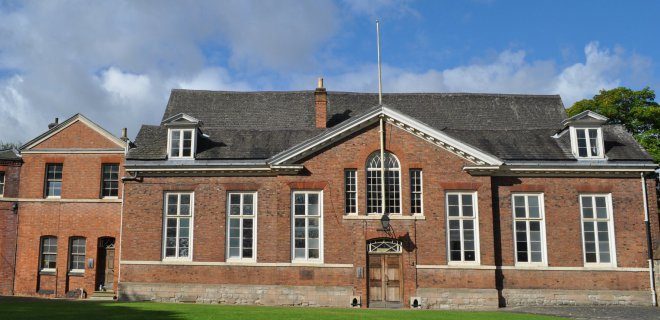
Leicester Castle: More Than Just Bricks and Mortar
You wouldn’t guess it from the street, but right in the western wing of Leicester lies a fortress with a past that stretches back before most of Europe had figured out urban planning. The castle isn’t just sitting near the old Roman walls. It’s built directly on top of them. That’s a structural decision with serious implications for anyone walking through the ruins today.
The timeline is messy. Construction started around 1070. That’s Norman conquest territory. Fast forward to the late 14th century, and the crown made this place its preferred residence. Kings and queens didn’t just pass through here. They lived here.
Then came 1426. The building served a dual purpose. It wasn’t just a royal palace or a defensive stronghold. It hosted a session of the English Parliament. Can you imagine the logistics of that? Moving delegates into a medieval residence that was also a courtroom? The architecture has to reflect that tension between domestic comfort and state function.
Navigating the Ruins
Walking through the site today, you’re not looking at a pristine, restored theme park. You’re looking at fragments. Specific sections have been preserved to show you how the space evolved.
- The Turret Passage : Narrow, likely drafty. A reminder of how vertical the living quarters were.
- The Great Hall : Where public life happened. Where decisions were made.
- Gaunt en Cellar John : A specific preserved section. The name sounds like a person, but it’s part of the structural naming convention of the era.
- Old Monuments : Sections where historical markers and older architectural elements are kept intact.
It’s fragmented. You have to piece it together with your imagination.
Haymarket Monument Clock Tower
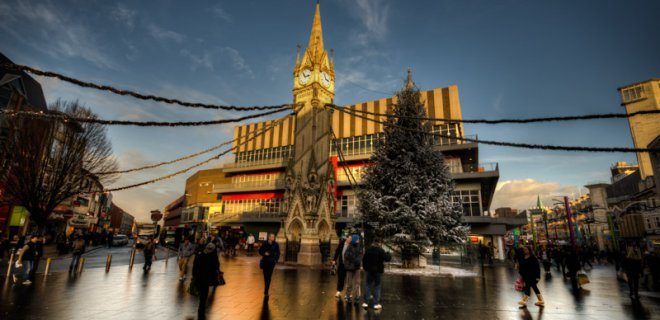
Leicester Saat Kulesi: Şehrin Kalbi
Leicester’dan konuşuyorsanız, ilk durak burada olmalı. Bu sadece bir bina değil. Şehrin nabzının attığı yer. Hem turistik hem de yerel için buluşma noktası. 18. yüzyıldan kalma Neo-Gotik saat kulesi, Leicester’ın sembolü.
Granit ve taşla inşa edilmiş. Dikdörtgen, neredeyse kare bir yapı. Dört yüzüne de saat yerleştirilmiş. Her yönden görünür. Ama asıl detay alt kısımda.
Heykeller var. Simon de Montfort. William Wigston. Thomas White. Gabriel Newton. Bu isimler Leicester tarihi için önemli. Kule onları anıyor.
Üzerine çıkıp manzarayı görmek ister misiniz? Genelde dışarıdan fotoğraf çekmek yeterli. Ama içine girmek de mümkün. Giriş ücretsiz. Zamanlama önemli. Gece ışıklandırması farklı bir hava katar.
Leicester Katedrali

Gotik mimarinin en sert testlerinden geçerek ayakta kalmış yapılar vardır. Leicester Katedralı da onlardan biri. 1086 ile 1867 yılları arasında, adeta nefes alarak inşa edildi denilebilir. Bu uzun süre zarfında, bina sadece taştan ibaret değil. Şehrin kalbi olarak atanmış. Leicester Başpiskoposluğu’nun merkezi burası.
Manevi bir sembol olması yetmezmiş gibi, fiziksel olarak da gövdesini gökyüzüne uzatmış. En yüksek noktası tam 67 metre. Bu rakam, Leicester sokaklarında yürürken başınızı kaldırdığınızda sizi rahatsız edecek kadar büyük. Gözlerinizi yormuyor. Sadece varlığını hissettiriyor.
Ancak kilise sadece tarih değil. 2011 yılında ciddi bir restorasyon döngüsüne girdi. Taşlar temizlendi, yapısal bütünlük sağlandı. Ama iş burada bitmedi. 2014’te bir hamle daha geldi. Bahçeler yeniden tasarlandı. Artık sadece ibadet yeri değil. Turistik bir destinasyon.
Neden Leicester Katedralı Zamanı Harcamayı Hak Eder?
Birçok yolcu, İngiltere’ye gittiğinde London’a veya Edinburgh’a odaklanır. Leicester’den geçip gidenler çok. Oysa burada durmaya değer sebepler var.
Öncelikle mimari çeşitlilik. Gotik stilin o keskin hatları, dar pencereler ve yüksek tavanlar sizi içeri çekiyor. Işık filtresinden geçip ahşap ve taşa vurduğunda, zamanın durduğunu hissediyorsunuz. 1086’da temel atıldığında kimse bunu 800 yıl sonra bile ziyaret edilecek bir yer olarak planlamamış olabilir. Ama oldu.
İkincisi, konum. Şehrin tam ortasında. Yürüyerek ulaşabilirsiniz. Bu, otel bulma konusunda da size seçenek sunuyor. Şehrin kalbinden uzak durmak istemeyen gezginler için ideal.
2014 Bahçe Yenilemesi: Neredeyse Gösterişli Bir Dokunuş
Restorasyon sadece iç mekana değmedi. 2014’te yapılan değişiklik, dış cepheyi ve çevresini tamamen dönüştürdü. Bahçe yeniden tasarlandı. Bu, katedrali sadece dini bir alan olmaktan çıkarıp, halka açık bir park haline getirdi.
Neden önemli?
Çünkü modern seyahat, sadece görmek değil, hissietmekle ilgili. Oturup kahvenizi yudumlarken, 67 metrelik kuleye bakabiliyorsunuz. Çocuklar koşuyor. Kuşlar ötüyor. Bu kontrast, katedralin ruhunu canlı tutuyor.
Eski haliyle sadece görkemli, soğuk bir yapıydı. Şimdi dostane. Davetkar.