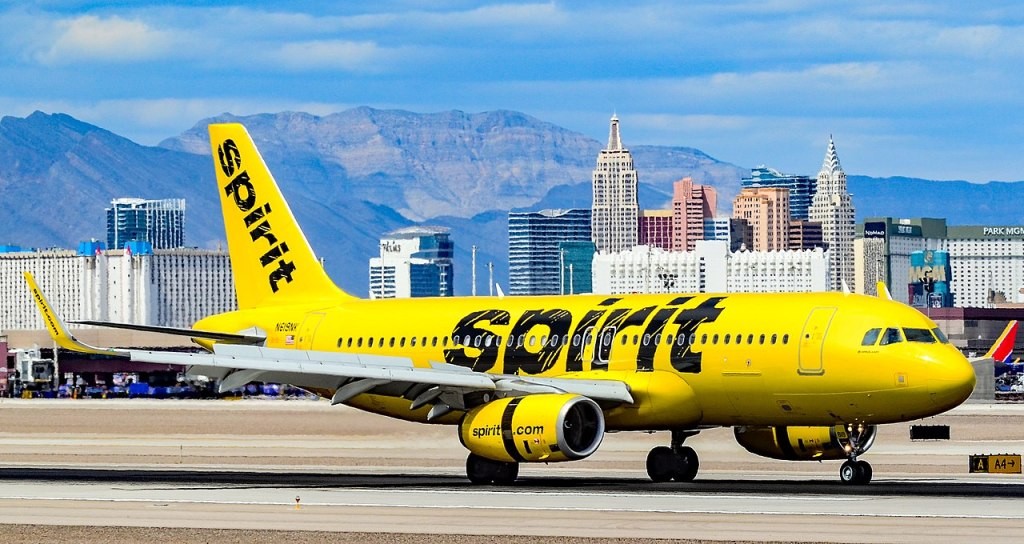
The departure of Spirit Airlines from the U.S. market, combined with rising fuel costs, signals a likely increase in airfares for consumers. While the ultra-low-cost carrier was often the subject of ridicule for its bare-bones service model, its presence played a crucial role in keeping competition alive and prices down.
The “Spirit Effect” on Pricing
Economists and industry analysts frequently referred to the “Spirit Effect” to describe how the airline’s aggressive pricing strategy forced competitors to lower their fares. This dynamic was central to the U.S. Department of Justice’s successful effort to block Spirit’s proposed merger with JetBlue. Regulatory arguments highlighted that average fares on routes where Spirit operated were up to 17% lower than on comparable routes without its presence.
Although Spirit held a relatively small share of the overall market, its influence was concentrated and significant. According to analysis by Courtney Miller of Visual Approach Analytics, Spirit impacted airfares on 13% of all nonstop domestic routes in the United States.
Where Consumers Will Feel the Impact
The removal of this competitive pressure means remaining carriers now possess greater pricing power. However, the financial burden on travelers will likely be driven by two distinct factors:
- Reduced Competition: With Spirit gone, airlines on its former routes face less pressure to undercut prices.
- Operational Costs: Higher jet fuel prices are prompting carriers to cut capacity, a move that typically drives up ticket prices due to reduced supply.
The impact will not be uniform across the country. Miller’s data suggests that the East Coast will feel the sharpest increase in fares. This region remained Spirit’s core operational hub in its final months, meaning its absence leaves a larger void in the competitive landscape there compared to other parts of the nation.
Conclusion
The end of Spirit Airlines removes a key driver of low-cost competition in the U.S. aviation sector. As carriers adjust to higher fuel costs and reduced market pressure, travelers—particularly those flying on the East Coast—should expect to see a noticeable rise in ticket prices.