
You spot it before you get close. It dominates the skyline of Reykjavik like a frozen glacier or a stack of black basalt columns jutting out of the earth. This is Hallgrimskirkja, the Lutheran church that defines the city’s silhouette. It isn’t pretty in the traditional sense. It is imposing.
The construction story is almost as stark as the building itself. Work started in 1945. It took forty-one years to finish. It opened in 1986. The architect, Guðjón Samúelsson, drew inspiration from Iceland’s natural lava flows. The result is a geometric monolith that looks less like a place of worship and more like a landmark designed to withstand the wind.
Why Hallgrimskirkja Is a Must-See in Reykjavik
If you are planning a trip to Iceland, you will hear about this tower repeatedly. It stands at 73 meters tall. That is the highest point in central Reykjavik. You can’t miss it. The design is triangular, sharp, and angular. It contrasts heavily with the colorful, tin-roofed houses scattered around the base.
Visitors flock here for two reasons. The architecture. And the view.
The tower isn’t just for show. It serves a practical purpose. The upper levels offer a viewing platform. You can see the entire city spread out below. On a clear day, you might spot the ocean. Or the mountains. The light changes everything. Morning light hits the basalt-like concrete differently than the harsh midday sun.
The Cost of Getting to the Top
Practical details matter when you are navigating a new city. You don’t have to climb 174 steps to reach the top. There is an elevator. It runs from the ground floor straight up to the observation deck.
Admission isn’t free. You have to buy a ticket. Prices fluctuate, so check the official website before you go. Generally, expect to pay around 1,300 to 1,600 Icelandic Króna (ISK) for an adult ticket. That’s roughly $9 to $11 USD. It’s not cheap for a quick glance, but the elevator makes it accessible for everyone.
When to Visit
Timing dictates your experience. The church is open daily. Hours vary by season. In winter, it might close earlier. In summer, the midnight sun keeps things bright late into the evening.
I recommend going late afternoon. The light is softer. The shadows stretch. The basalt texture of the exterior becomes more visible. You avoid the peak tour group rush that happens around midday.
“The church is the most important tourist site in Reykjavik. Its unique structure makes it unmissable.”
A Brief History of Stone and Steel
Guðjón Samúelsson began the project in 1945. He died in 1959. He never saw the finished product. The construction dragged on for decades. Funding issues. Material shortages. The war. Various architects took over, but they stuck to the original vision.
The interior is stark. White walls. Concrete pillars. No ornate carvings. No stained glass windows flooding
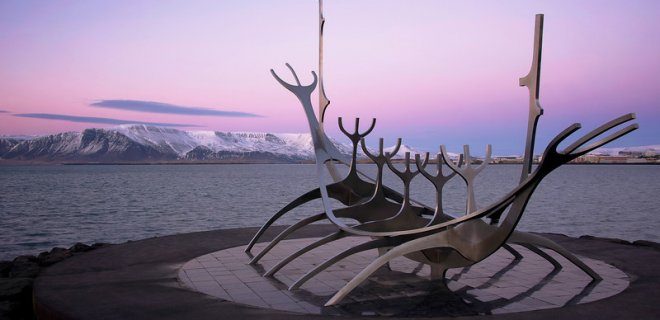
The Sun Voyager: A Sculpture That Demands the Sea
You need to walk past the old harbor in Reykjavik’s old town area to find it. There is no grand entrance. Just a long, steel ribcage jutting out from the concrete into the cold North Atlantic air. This is The Sun Voyager (Sólfar ). Sculptor Jón Gunnar Árnason designed it to be a dreamer’s boat. A vessel that doesn’t sail to a port but toward a destination only the imagination can see.
The steel is unpainted. It reflects the sky. On a cloudy day, it looks gray and heavy. On a sunny day, it catches the light and burns. It’s a simple concept but the execution is sharp. The structure points east. Toward the rising sun. Toward hope. Toward the unknown.
Opening day was August 18, 1990. That date matters. It marked Reykjavik’s 200th anniversary. The city was young then. Or at least it felt like it. The sculpture was meant to celebrate that growth. To show that Iceland was looking outward. Not just at the harsh volcanoes and glaciers, but at the world beyond the water.
Locals love it. Tourists love it. It’s one of those landmarks that people flock to without really knowing why. You’ll see couples holding hands on the benches nearby. You’ll see photographers waiting for the right angle. You’ll see people just sitting there, staring at the horizon.
Why does it resonate? Maybe because it’s abstract. It doesn’t tell you a story. It asks you to invent one. Is it a Viking ship? Maybe. Is it a whale? Possibly. It’s a skeleton of a boat. A promise of movement.
If you go, go in the late afternoon. The light hits the steel just right. The shadows stretch long across the pavement. You get a sense of scale. It’s not huge. But it’s significant. Standing next to it feels like standing at the edge of something.
The location is key. It sits right on the coast. The wind is constant. The smell of salt is strong. You can hear the waves breaking against the rocks below. It grounds the piece. Without the ocean, it’s just metal. With it, it’s a journey.
Don’t rush it. The surrounding area has benches. It has open space. Sit down. Watch the boats go by. Watch the sky change. The Sun Voyager is best appreciated when you let it be a backdrop to your own thoughts.
Iceland National Museum: Where History Lives
From the coast, head inland. The Iceland National Museum (Þjóðminjasafn Íslands ) isn’t far. It’s the central hub for everything that happened before the 20th century. If you want to understand what life was like in this icy island, this is the place.
The building itself is modern. Clean lines. Large windows. But inside, the artifacts are ancient. You’ll see runestones. You’ll see Viking swords. You’ll see tools made from whale bone and reindeer antler. The museum covers everything from the first settlers arriving in the late 9th century to the early modern period.
What’s worth seeing? The Viking exhibit is strong. It’s not just a
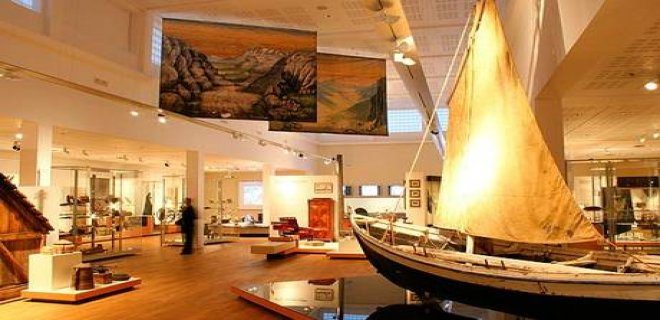
Bunu bilmek işinizi kolaylaştırır. Müzenin temelleri 1863’e dayanıyor. O zamanlar Danimarka’daki müzelerde sergilenen İzlanda eserlerinin bir araya getirilmesiyle kurulmuştu. İkinci bölümü ise 1911’de farklı bir antika koleksiyonunu bünyesine katmasıyla şekillendi. Bugünkü hali, ülkenin sanat ve tarihine dair en değerli parçaları barındıran bir merkez. Ziyaret etmeden çıkmak büyük bir hüsran olur.
Açık Hava Deneyimi ve Tarihi Mimari
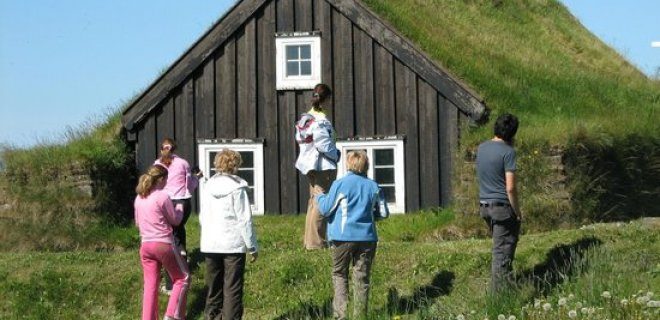
Arbaejarsafn, sadece bir müze değil. Bir zaman makinesi. Reykjavik’in güneyinde, Arbaer bölgesinde konumlanmış olması isminden de anlaşılıyor. Burada eserler cam sergilerde değil. Gerçek mekanlarda. 19. yüzyılın sonu ile 20. yüzyılın başındaki İzlanda yaşamını yansıtacak şekilde yeniden inşa edilmiş evler var.
Pek çok ziyaretçi, kapıyı araladığında neyle karşılaşacağını tam olarak hayal edemiyor. Pencereler sisli. Ahşap çatılar rüzgara karşı dirençli. İçeride ise günün ışığı darak.
Key terms : Arbaejarsafn Open-Air Museum, Reykjavik history, Icelandic folk life.
Nereye Odaklanmalısınız?
Müze alanı geniş. Gözünüzü korkutmasın. Odaklanmanız gereken noktalar belli. İlk durağınız genellikle tarım işçilerinin sığınağı oluyor. Dünyanın en küçük evi olarak anılan yapı, şaka gibi geliyor ama gerçek. İzlanda’nın kıraç topraklarında hayatta kalma mücadelesinin somut kanıtı.
Daha sonra çamaşırhanelere, atölyelere ve çiftlik evlerine doğru ilerliyorsunuz. Her binanın içinde o dönemin eşyaları serili. El dokuması halılar. Ahşap oymalar. Günlük kullanım nesneleri. Bu detaylar, sadece “eski eşya” değil. Bir toplumun rutini.
“Arbaejarsafn, İzlanda’nın sert iklimine rağmen nasıl bir kültür inşa ettiğini gösteren açık hava sınıfıdır.”
Ziyaret İçin Pratik Bilgiler
Bilet fiyatları mevsime göre değişir ama genel olarak erişilebilir. Yetişkinler için yaklaşık 3.000 – 4.000 ISK arası bir ücret ödersiniz. Çocuklar ve öğrenciler için indirimler mevcut. Müzeye ulaşım kolay. Reykjavik merkezi otobüs duraklarından 11, 14, 60 ve 62 numaralı hatlarla gidilebilir. Ya da araçla 10 dakikalık bir sürüş.
En iyi ziyaret zamanı? Yaz ayları. Güneş uzun saatler boyunca açık kalır. Bah
The Heartbeat of Local Life and History
You aren’t just seeing a museum here. You are stepping into the actual rhythm of the locals. The district showcases daily life and nightlife in a way that feels untouched by time. It is one of the most captivating spots in the entire region.
The architecture hits you immediately. Those wooden houses. You will fall in love with them. They are not just structures. They are stories carved out of timber.
“The museum has served visitors since 1957, with attendance growing every single year.”
The institution behind it all has been open since 1957. It does not slow down. Visitor numbers climb annually. The building holds more than just artifacts. In 2006, it opened a new central exhibition. This specific wing focuses on archaeological remains. It gives the history a physical weight.
Logistically, this place is a must for anyone who wants to understand the region beyond the guidebooks. The cost of entry is negligible compared to the depth of the experience. Plan for an afternoon here. The wooden houses outside set the tone for what you will find inside. The mix of living culture and ancient ruins creates a unique atmosphere. It is not a sterile display. It is alive.
Some might skip this for the bigger attractions. That would be a mistake. The synergy between the historic architecture and the archaeological finds creates a narrative that is hard to replicate elsewhere. You leave with a sense of the community’s continuity. The past is not buried here. It is lived in.