

Fukuoka sits at the top of the list for major Japanese cities. You have about 1.5 million people calling it home. The city covers roughly 340 square kilometers. That is not tiny. It is not massive either. It feels manageable. This is Kyushu’s main event. The island’s biggest urban hub.
The city is split into seven wards. Each one has its own vibe. But together they form a center that matters. It is commercial. It is cultural. It is social. It is historic. And yes, it is a tourist destination. If you are planning a trip here, you need to know where to start.
The Green Heart: Ohori Park
You cannot talk about Fukuoka without mentioning Ohori Park. This is the city’s lungs. It is a massive artificial lake surrounded by walking paths. The water is calm. The trees are dense. It feels like a retreat. But you are still in the center of the city.
This park is perfect for a slow morning. Or a lazy afternoon. You can rent a paddle boat. You can watch the locals jog. You can just sit on a bench and watch the world go by. It is one of the most peaceful spots in a city that usually moves fast.
Ohori Park is not just a green space. It is the visual and emotional anchor of Fukuoka.
Why does this matter for your itinerary? Because it connects everything. You can walk from the park to Tenjin. You can walk from the park to Hakata Station. It is a central hub. Use it to orient yourself. If you get lost, find the water. It will guide you back.
The park itself is free. You do not need to buy a ticket. You just need time. And maybe a good camera lens. The reflections on the lake at sunset are worth the effort.
Ohori Park: The Urban Oasis with History in Its Moat
If you are looking for the green, watery heart of Fukuoka, stop scrolling. Ohori Park isn’t just a pretty face; it is a legitimate masterpiece of Japanese landscaping. The name itself gives you a clue. “Ohori” translates to “large moat.” You’re not just looking at a lake here. You’re standing in what used to be the defensive trench of the Fukuoka Castle. Specifically, it was the entrance moat dug by the region’s former lord, Kuroda Nagamasa, way back in the early Edo period.
The logic behind the design is simple but effective. The Hii River (also known as the Tajima River) was rerouted and renovated to feed this massive, crescent-shaped lake. The result? One of Japan’s most stunning water parks. It opened its gates in 1929, and since then, it has served as the lungs of the city.
Why does this matter to you as a traveler? Because it is perfectly positioned. You are not hiking into the wilderness to find this place. It sits right in the thick of the city’s commercial district. You are likely walking past the Fukuoka Art Museum or heading toward the U.S. Consulate, and suddenly, you are surrounded by water and trees. It is a massive relief from the concrete sprawl.
Locals treat this place with respect. You will see them jogging along the paved paths that circle the lake. You will see families spreading out picnic blankets. It is the ideal spot for a midday decompression. The air is cooler. The noise of the traffic fades.
“Ohori Park is one of Japan’s most perfect water parks, offering a serene escape right in the center of Fukuoka.”
Timing is everything if you want the full experience. Visit in August. Specifically, during the night. This is when the park transforms. The sky over the lake explodes with fireworks. It is a major local event, drawing crowds from all over Kyushu. If you are planning your itinerary, mark those dates on your calendar. It is not just sightseeing; it is atmosphere.
The logistics are straightforward. The park is accessible and open for leisure activities like walking and resting. It is not a wild hike. It is a curated experience. You can rent bikes if you want to cover more ground around the perimeter. You can sit on benches and watch the boats drift by. It is designed for relaxation, not exertion.
But don’t let the tranquility fool you. This place has teeth. It was built to defend a castle. The history is embedded in the water. When you look at the dark depths of the lake, remember that this was once a barrier against invaders. Now, it is a barrier against stress.
For anyone building a Fukuoka travel guide, this is non-negotiable. It combines history, nature, and urban convenience in a way that few other cities manage. Skip the generic city parks. Head straight for the moat.
Kushida-jinja: The Ancient Pulse of Hakata
Moving from the water to the stone and wood, we step into the precincts of Kushida-jinja. This is not just another shrine. This is the spiritual anchor of the Hakata district. While Ohori Park offers escape,
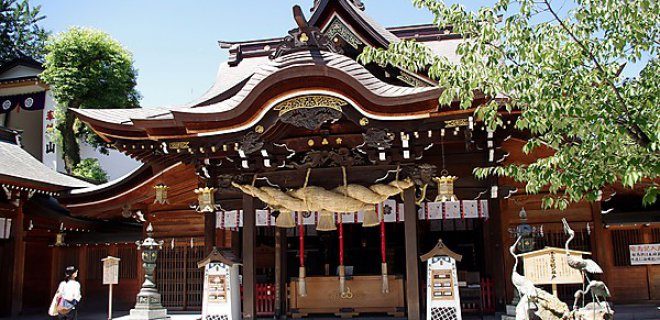
Kentin tarihi dokusunda derin izler bırakan Hakata-ku bölgesindeki Kushida-jinja sadece bir yapı değil. Burası, Japonya’nın yaratıcı tanrıçası Amaterasu ile onun üvey kardeşi Susanoo’ya adanmış kutsal bir alandır. Tapınak, MS 757 yılında inşa edilmiş. Yani neredeyse 1300 yıllık bir geçmişi var.
Her gün binlerce ziyaretçi alıyor. Özellikle Yamakasa Festivali sırasında Fukuoka’nın kalbi burada atıyor. Bu festival, bölgenin en önemli kutsal etkinliklerinden biri. Ancak festival dışındaki günlerde bile yerini bulmak zor olabilir. Giriş ücretsiz. Ziyaret süreniz için en az 45 dakika ayırın. Geleneksel mimari detaylarını yakından görmek için sabah saatlerini tercih edin.
Kushida-jinja Tapınağı, Fukuoka’nın en yoğun ziyaret edilen tarihi mekanlarından biridir ve Yamakasa Festivali’ne ev sahipliği yapar.
Tapınağın etrafındaki sokaklar da başlı başına bir deneyim. Geleneksel çay evleri ve tatlı dükkanları sizi bekliyor. Yerel halk için bu alan sadece bir turistik nokta değil. Günlük ibadetlerin ve toplum hayatının merkezi.
Fukuoka Kalesi
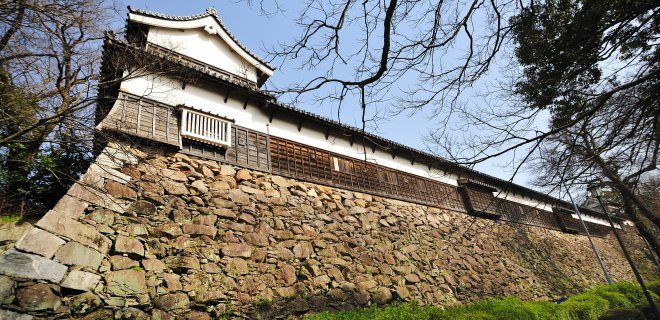
Kentte duran o devasa yapı sadece bir savunma kalesi değil. Japonlar için bölgenin en büyük şaheserlerinden biri. Fukuoka’nın kalbinde, Naka Nehri’nin hemen karşı yakasında duruyor. Maizuru veya Seki diye de anılıyor. İsimler değişse de görkem aynı.
1601 ile 1607 arasında inşa edildi. 47 bin metrekarelik bir alanı kaplıyor. O kadar geniş ki, içinden geçmek bile bir yolculuk. Kapıları var. Yagura adı verilen zırhlı kuleleri var. Bunlar sadece taş yığını değil. Japon hükümeti tarafından tarihi eser statüsünde tasdiklenmiş. Resmi belgeler var. Gerçeklikleri tartışılmaz.
Yıllar içinde şekil değiştirdi. Defalarca. Ama 1983’te orijinal konumuna döndürüldü. Tamamen yeniden. Fukuoka’da gezilecek yerler listesinde üst sıralarda. Neden mi? Çünkü Edo dönemi mimarisini yakından hissetmek için başka şansın yok. Nehrin kıyısında duran bu kulelere baktığında zaman durur gibi olur.
Gezmek için iyi bir zaman var. Hava açıkken. Işık kulelerin taş yüzeylerine çarptığında detaylar belli olur. Yıpranmış ama dirençli. Zırhlı kuleler hâlâ duruşunu koruyor. Kapılar hâlâ aralık. İçeri girmek mümkün. İçerideki koridorlar dar. Ama o darlık, savunma amacıyla tasarlandığını hatırlatır. Düşmanları yavaşlatmak için.
Maliyet? Giriş ücretsiz değil ama çok da ağır değil. Yerel ulaşım ile nehire kadar gidip, kısa bir yürüyüşle ulaşmak en mantıklısı. Fukuoka şehir merkezinden otobüslerle veya yürüyerek ulaşılan bir nokta. Kalenin çevresindeki parklar da güzel. Dinlenmek için.
Hangi mevsim daha iyi? İlkbahar. Çiçekler açarken. Sonbahar. Yapraklar kızarken. Her iki dönem de kalenin taşlarındaki gri tonları yumuşatır. Yazın çok sıcak olabilir. Kışın rüzgar nehir üzerinden gelir. Soğuk. Ama o soğuk da bir tür sadakat hissi verir.
Neden burası önemli? Çünkü sadece bir yapı değil. Bir duruş. 400 yıldan fazla bir süredir aynı yerde. Şehir değişti. Sokaklar değişti. Ama kuleler durdu. Bu duruşu görmek için gitmek gerekir. Görüp, durup, anlamak için.
Maizuru ve Seki Kalelerinin Detaylı İncelemesi
Naka Nehri’nin karşısında yer almak. Bu konum stratejik. Hem su hem karadan savunma imkânı sağlıyor. Yagura kuleleri. Z
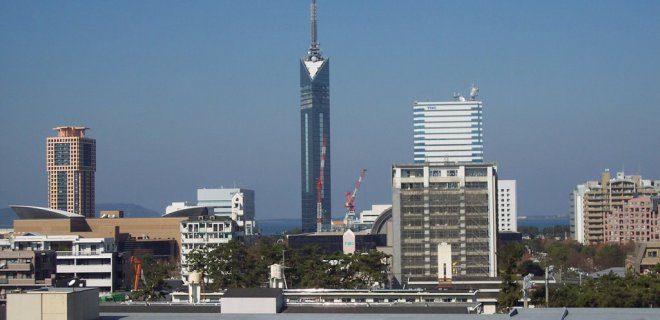
Hakata Port Tower: Fukuoka’s 234-Meter Icon
Standing at 234 meters, the Hakata Port Tower dominates the skyline in Momochihama. It holds the title of Japan’s highest coastal tower. Completed in 1989, this steel giant weighs 28.5 tons. Its silver, mirror-like panels catch the sunlight, earning it the nickname “Glass Sail.”
For travelers planning a Fukuoka itinerary, this is non-negotiable. It’s not just a landmark; it’s the visual anchor of the port area. The structure features three observation decks. From the top, you get a panoramic view of the bay and the city.
Why visit Hakata Port Tower?
- Height: At 234 meters, it offers the best vantage point along the coast.
- Architecture: The mirrored cladding makes it visually striking, especially at sunset.
- Location: Situated right in Momochihama, it’s easy to combine with other nearby attractions.
If you’re looking for how to maximize your time here, go at dusk. The lighting on the glass panels creates a stunning contrast against the darkening sky. It’s a favorite spot for photographers and casual walkers alike.
What’s Worth the Climb?
Most visitors head straight for the top deck. The middle and lower levels offer historical context about the port’s development. But the real payoff is the 360-degree view. You can see the Fukuoka Tower in the distance and the sprawling urban landscape.
The tower is more than just a structure. It’s a testament to post-war reconstruction and modern engineering. Its presence defines the waterfront.
Practical Tips:
- Timing: Visit late afternoon to catch both day and night views.
- Cost: Check current ticket prices online, as they fluctuate with seasons.
- Access: It’s within walking distance from the Hakata Station area.
This isn’t just a quick stop. It’s a moment to pause and appreciate Fukuoka’s coastal identity. The view lingers long after you leave.
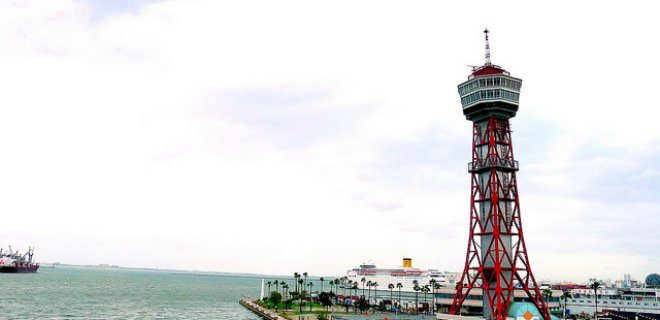
Mimar Tachu Naito’nun imzasını taşıyan yapı, sadece bir gözlem kulesi değil, aynı zamanda 1964 yılında hizmete giren bir tarih parçası. Naito, Tokyo, Nagoya, Beppu, Sapporo ve Osaka kulelerini de tasarlamış olmasıyla tanınan bir isim. Fukuoka’daki bu 103 metrelik heybetli yapı, Hakata-ku semtinde yükseliyor. Asansörle tırmanmak, şehri kuş bakışı izlemek için en pratik yol. Manzarayı tam anlamıyla hissetmek isteyenler için ideal bir nokta.
Fukuoka Kulesi’nde Görünenler ve Giriş Detayları
Gözlem güvertesinden şehir manzarası almak, özellikle gün batımında farklı bir boyut kazanıyor. Fukuoka’nın modern yapısı ile tarihi dokusu burada aynı çerçevede buluşuyor. Yapıya erişim kolay. Asansörle çıkarken zaman hızlanıyor, ama tepede durup bakınca zaman yavaşlıyor. Giriş ücreti genellikle oldukça uygun, ancak güncel fiyatlar için ziyaret öncesi kontrol etmekte fayda var. Kış aylarında sisli günlerde manzara azalabilir, bu yüzden hava durumunu takip etmek akıllıca. Yaz sezonunda ise kalabalık olabilir, erken saatler veya hafta içi ziyaretler daha sakin bir deneyim sunar.
Kanzeon-ji: Sessizliğin Peşinde
Kanzeon-ji
Fukuoka Kulesi’nden inip biraz uzaklaşmak isterseniz, Kanzeon-ji sizi bekliyor. Bu tapınak, şehir gürültüsünden tamamen kopmak isteyenler için bir sığınak. Zen Budizm geleneğine bağlı olan bu yapı, sade tasarımı ve huzur dolu atmosferiyle dikkat çekiyor. Tapınak bahçesindeki ağaçlar, zamanın akışına karşı duruyor gibi. Ziyaret sırasında sessizliğe saygı göstermek, yerel kültürü daha derinlemesine anlamak için önemli.
Tapınak içindeki anaiblisde, geleneksel törenler düzenleniyor. Yıllık festivaller sırasında yerel halkla etkileşim kurmak, seyahatinize renk katabilir. Kanzeon-ji’ye ulaşım için toplu taşıma kullanmak pratik. Fukuoka Kulesi’nden yaklaşık 15-20 dakika süren bir yürüyüş veya kısa bir taksi yolculuğuyla ulaşılabilir. Bilet ücreti sembolik, genellikle birkaç yüz yen. Ziyaret saatleri sabah erken saatlerden akşamüstüne kadar değişkenlik gösteriyor, bu yüzden kapıların açık olduğundan emin olun.
Neden Bu İkiliyi Bir Arada Ziyaret Etmelisiniz?
Fukuoka Kulesi modern şehri, Kanzeon-ji ise tarihi ve manevi dokuyu temsil ediyor. Birbirlerine zıt ama tamamlay
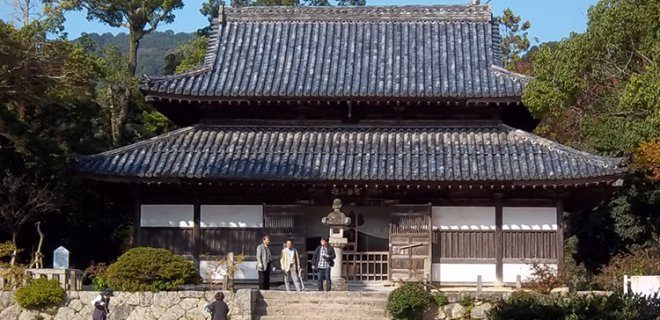
The Bell That Echoes Through Centuries
The Kanzeon-ji Temple in Dazaifu isn’t just another stop on a temple-hopping itinerary. It’s a structural survivor. Built in the 7th century, this Buddhist complex was once the spiritual heart of the province. The air here still feels heavy with history, or maybe that’s just the weight of the bells.
The bronze bell ringing from its tower is no ordinary chime. It’s registered as one of Japan’s oldest national treasures. When the wind hits it right, you’re hearing a sound that’s survived fires, floods, and the chaos of war. In 1996, the Japanese Ministry of the Environment officially recognized it as one of the top 100 historical sites in the country. That’s not marketing fluff. That’s a badge of endurance.
Emperor Tenji erected this shrine in honor of his mother, Empress Saimei. But empires fall. The original structures didn’t make it intact. Earthquakes and battles chewed through the wood and stone over the centuries. What stands today is a reconstruction effort that spans a specific window of time: between 1688 and 1703. If you visit, you’re looking at Edo-period architecture, refined and restored. It was officially designated a Historic Site in 1970, cementing its place not just in religious history, but in national heritage.
Walking through the grounds, notice the scale. It’s quiet. The crowds usually drift past this spot to chase the nearby beef or the Dazaifu Tenmangu shrine. But if you want to understand why this region mattered to ancient Japan, you stop here. Listen for the bell.
Kyushu National Museum
Right next door, or at least close enough that you can smell the difference in architecture, sits the Kyushu National Museum. This isn’t your typical local history corner. It’s massive. It’s designed to contextualize Kyushu not as a peripheral island, but as the gateway of Japan.
If you’re planning a trip, this is where you go after the temple to actually read the story instead of just hearing about it. The museum is part of a network of national museums in Japan, but its focus is uniquely regional. It highlights Kyushu’s role as a bridge between the continent and the archipelago.
Why you should care:
Most travelers think of Tokyo or Kyoto as the only places with serious museums. This one challenges that. It’s home to significant artifacts that show the exchange of culture, religion, and trade. You’ll see items that traveled from China and Korea, landing in Fukuoka before moving east. It’s a tangible map of ancient globalization.
The building itself is a statement. It’s modern, airy, and designed to contrast with the wooden eaves of the temple across the street. But the real draw is the collection. You’re looking at artifacts that define the region’s identity. From pottery to religious icons, everything here tells a story of movement.
Logistics for the traveler:
- Timing: You need at least two hours here. It’s not a quick walk-through. The exhibits are dense.
-
Cost: Check the current admission fee, but expect it to be a premium experience compared to local city museums.
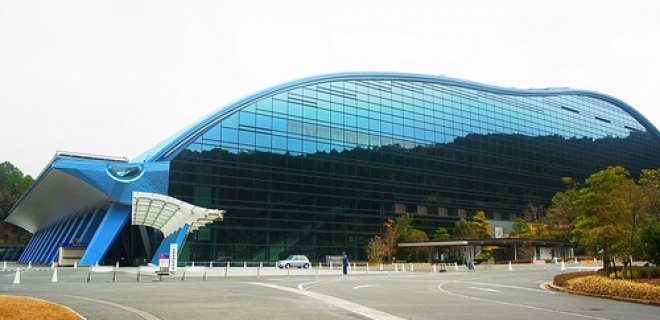
2005 yılında kapılarını açan Kyushu tarihi ile ilgili eserler ve Japonların özellikle seramik sanatının önemli koleksiyonlarına ev sahipliği yapmaktadır. Daimi ve geçici sergilerin sunulduğu kurum Meiji döneminde komşu Çin ve Kore ile yaşanan kültürel etkileşimleri içeren eserler de içermektedir. Müze binası mimar Kiyonori Kikutake tarafından tasarlanan 36 metre yüksekliğinde genel olarak camdan oluşturulmuş bir yapıdır. Son teknolojik sistemlerle hizmet veren kurum mutlaka ziyaret edilmelidir.
Fukuoka Sanat Müzesi
Kyushu’daki diğer dev müzeyle kıyasladığınızda burası biraz daha farklı bir atmosfer. Fukuoka Sanat Müzesi (Fukuoka Art Museum), tarihi bir parkın içinde, kırmızı tuğlalardan yükselen o ikonik yapıyla karşınıza çıkıyor. 1990’dan beri ayakta olan bu bina, Fukuoka’nın kentsel dönüşümünün sembolü haline gelmiş durumda.
İçeride ne var? Aslında oldukça geniş bir yelpaze. Batı sanatından Doğu sanatına, modern heykellerden geleneksel Japon çizimlerine kadar her şeyi bulabiliyorsunuz. Özellikle dikkat çeken şey, binanın kendisi. Açık hava galerileri ve geniş camlı salonları sayesinde doğal ışıkla dans eden mekanlar, sanatı daha da canlı hale getiriyor.
Ziyaret için pratik bilgiler:
- Konum: Ohori Park’ın hemen yanında. Parkta yürüyüş yapmak için de mükemmel bir alan.
- Giriş Ücreti: Erişilebilir. Öğrenciler ve çocuklar için indirimler var.
- Zamanlama: Hafta içi sabah saatlerinde daha az kalabalık olur. Son cumartesi günü ise giriş ücretsiz olabilir (kuruma göre değişir, kontrol etmekte fayda var).
- Ne Zaman Gitmeli? Bahar aylarında parkın içindeki çiçekler ve müzenin dış cepheleri harika bir uyum içinde.
Müzenin içinde küçük bir kafe de bulunuyor. Yorgun düşerseniz orada bir kahve içip, pencereden parka bakmak bile bir deneyim. Ancak burayı sadece bir eser görmek için değil, mekanın ruhunu hissetmek için ziyaret edin.
“Sanat, sadece duvardaki bir tablo değil; etrafınızdaki ışık, ses ve hatta nefesinizle bütünleşen bir deneyimdir.”
Burası, Fukuoka’nın daha yavaş, daha düşünceli tarafını keşfetmek için ideal bir durak. Hızlıca geçip başka yere gitmek yerine, biraz daha vakit ayırmanızı öneririm. Çünkü bazı anlar, sadece bir bakışta değil, durup bakmayı öğrendiğinizde anlam kazanıyor.

Start your day with a visual punch. The Museum of Art, Fukuoka City isn’t just another white cube. It’s a heavyweight in Japan’s cultural landscape, having opened its doors back in 1979. If you’re hunting for Asia art museums in Japan, this is where the serious collections live. They don’t just sit on static displays either. Rotating temporary exhibitions keep the walls shifting, ensuring that a second look is rarely boring.
But the real reason tourists flock here? The heavy hitters.
In 2010, the museum changed the game by dedicating an entire wing to Marc Chagall. The French artist of Jewish descent brought a surreal, dreamlike energy to the space that boosted visitor numbers overnight. You can walk through rooms filled with his floating lovers and pastel skies. It’s a stark contrast to the next heavyweight you’ll meet on the same floor: Salvador Dalí.
Yes, the man with the mustache. The museum houses The Madonna of Port Lligat. It’s a stunning piece that anchors the Spanish painter’s legacy within this Asian context. Seeing these European masters in Fukuoka feels unexpected. It works. It’s one of those stops that makes your itinerary look sophisticated without much effort.
“The Museum of Art, Fukuoka houses Chagall’s dreamscapes and Dalí’s religious surrealism under one roof.”
### Komyozen-ji Temple: Silence After the Noise
Walk off the art high. Head to Komyozen-ji Temple. It’s a Zen retreat tucked into the hills, a world away from the museum’s polished halls. Founded in the 13th century, this isn’t a tourist trap. It’s quiet. Deliberate.
The temple grounds are famous for their moss gardens and stone arrangements. You’ll find tea houses where you can sit for hours. No cameras. No noise. Just the sound of wind in the pines. It’s the perfect counter-balance to the visual overload of the morning.
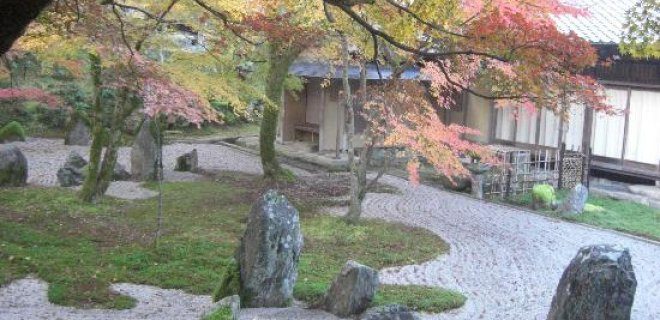
Kōfuku-ji: The Moss-Covered Zen Retreat
Tucked away in Dazaifu, Kōfuku-ji isn’t just another stop on the tourist trail. It’s a quiet, moss-choked sanctuary that feels worlds apart from the nearby crowds. Built in 1273 by Tetsugyu Enshin and the Tōfuku-ji branch of the Rinzai school, this Zen temple has survived centuries of change while keeping its soul intact.
Location matters here. The temple sits right between the famous Dazaifu Tenmangu Shrine and the Dazaifu Tenmangu Station. That’s convenient for logistics, but spiritually, it’s a refuge. Step off the main path and you’re hit by the stillness.
The grounds are defined by two contrasting textures: deep green moss and stark white sand. The white gravel raked into patterns represents the ocean. The moss? That’s the islands. It’s a classic “island” garden design, but executed with a lushness that feels almost alive. Hence the nicknames locals use: “Moss Temple” or “A Drop in the Ocean.” Walking through it feels like wading through water.
Fukuoka’s humid climate loves this place. The garden is dense with forest roses and towering evergreens, creating a canopy that filters the light into something golden and heavy. It’s not just a view; it’s an atmosphere. If you’re looking for best Zen gardens in Fukuoka, this is the one that demands silence.
The visual impact is immediate. There’s no clutter here. Just rock, sand, and green. It’s a masterclass in minimalism without being empty. You come for the history, but you stay for the peace.
Uminonakamichi Seaside Park
Crossing from the ancient dust of Dazaifu to the bright salt air of the coast, Uminonakamichi offers a stark, necessary contrast. This isn’t a temple. It’s a massive park complex built on land reclaimed from the sea, connected to the mainland by a long bridge.
The name literally means “In-Nakame Island.” It’s vast. And while the previous stop asked you to whisper, this place invites you to breathe.
The highlight here is the Uminonakamichi Aquarium, located right at the center of the park. But calling it just an aquarium undersells it. It’s a marine research facility first, a tourist attraction second. That matters. The exhibits are cleaner, more focused, and less gimmicky than big-city zoos.
You’ll find the rare Japanese white shark (Carcharodon carcharias ) in the large ocean pool. Seeing them glide overhead is a shock to the system. The layout is designed for flow. You enter, you see the pelagic zone, then move to the tropical tanks, and finally to the touch pools. It’s logical. It works.
But the park itself is where the real value lies. During cherry blossom season (late March to early April), the grounds fill with over 3,000 sakura trees. It’s one of Fukuoka’s best hanami spots precisely because it’s open. You can spread a blanket under the trees without squeezing in shoulder-to-shoulder with strangers.
Summer brings a different rhythm. The board
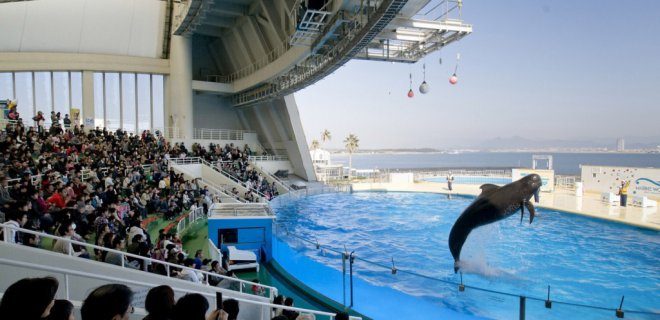
Most aquariums feel like glass corridors. Morioka Sunparks in Iwate Prefecture is different. It sprawls across a massive 48,000-square-meter site. You aren’t just looking through a wall. You are walking through a habitat. The facility houses roughly 20,000 marine animals. That is a lot of life packed into one complex.
The scale alone demands your attention. There are 70 distinct water tanks. Each one tells a different story. But the headline act is the sharks. Specifically, twelve species comprising 120 individual sharks. That is not a small collection. It is a serious commitment to predatory conservation.
You will also find otters and seals. They are cute, yes. But they are part of a larger ecosystem display. The real draw for many visitors, however, is the performance. The aquarium is known for its dolphin and sea lion shows. These are not small acts. They take place in an auditorium with a seating capacity of 1,465.
Watching the Performance
Why go to a theater inside an aquarium? Because the animals are too big for a tank. The shows in Morioka are a major tourist draw. They happen in a dedicated hall. It seats over 1,400 people. That is a significant operation. It requires logistics, training, and space.
If you are planning a trip to Iwate, this is a key stop. It is not just about looking at fish. It is about witnessing behavior. The sharks circle. The seals barked. The dolphins leap. It is chaotic and controlled.
Logistics and Timing
The location is specific. It is in the Higashi-ku district of Morioka city. Iwate Prefecture. This is in the Tohoku region of Japan. It is not Tokyo. It is not Osaka. It is further north.
Getting there requires planning. Morioka is accessible via the Shinkansen. But once you are there, you need local transport. The site is large. Expect to spend at least half a day. The 70 tanks mean you will walk a lot.
What is worth seeing? The shark tanks. They are the backbone of the exhibit. Twelve species. 120 animals. That level of variety is rare outside of major metropolitan centers. You will also want to time your visit for the show. Check the schedule upon arrival. The 1,465-seat hall fills up.
Is It Worth the Detour?
For travelers in Tohoku, yes. It is a major attraction. It offers a break from the typical temple and shrine itinerary. It is modern. It is industrial. It is alive.
The sheer number of tanks (70) suggests depth. You could easily get lost in the exhibits. The otters and seals add a touch of charm. But the sharks are the main event. They are constantly on display.
There is no single “perfect” route. The layout is vast. 48,000 square meters is a lot of ground. Wear comfortable shoes. Bring patience. The shows have set times. The tanks are always open.
This is not a quick stop. It is a destination. Iwate might be off the main tourist trail for