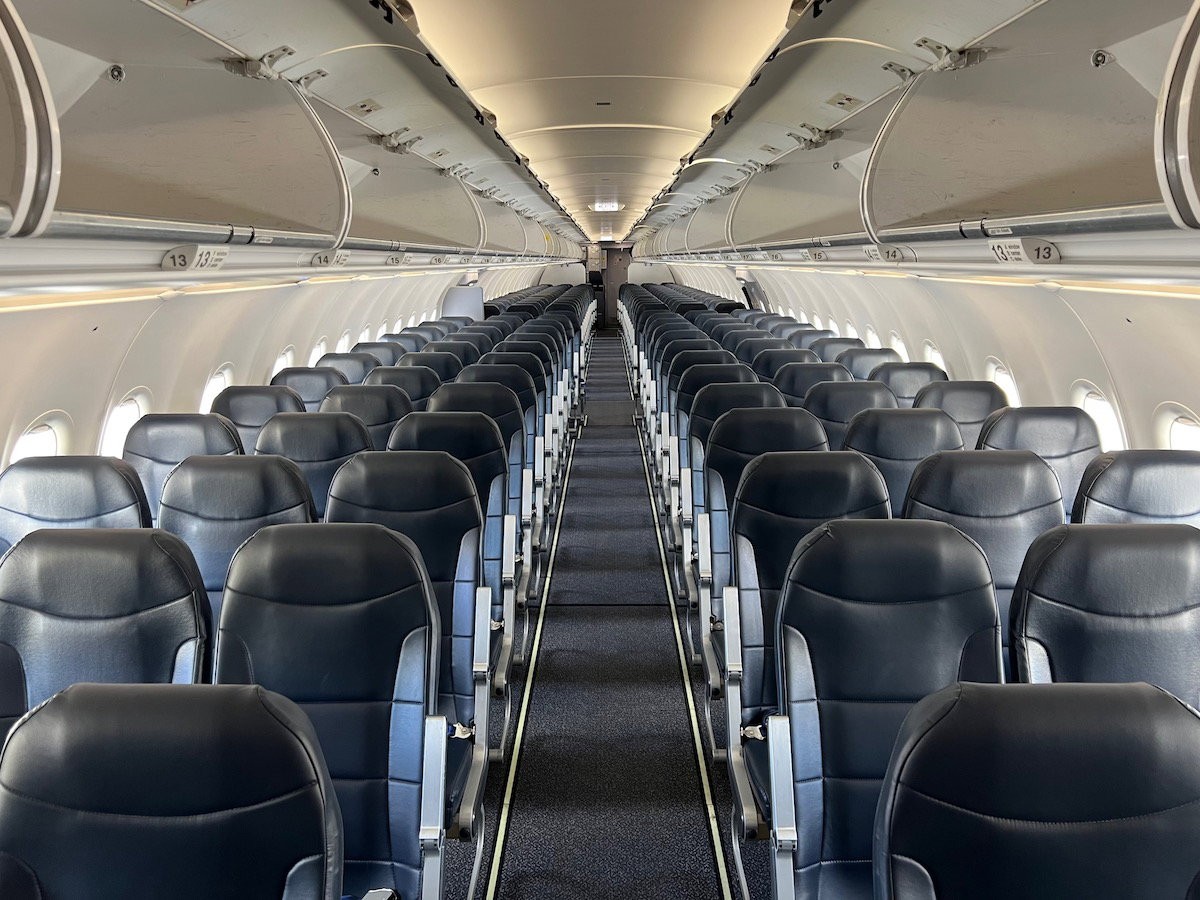
Recent reports suggest that Spirit Airlines may be on the verge of liquidation, potentially occurring within days. According to sources familiar with the matter reported by Bloomberg, the ultra-low-cost carrier (ULCC) is facing a critical turning point that contradicts its recent optimistic projections regarding bankruptcy recovery.
A Rapid Descent into Uncertainty
Spirit Airlines is currently navigating Chapter 11 bankruptcy, marking its second such filing in recent years. While the airline had previously maintained that it would emerge from bankruptcy by early summer 2026, the reality of its financial position appears much more precarious.
Several systemic and situational factors have contributed to this crisis:
– Failed Strategic Growth: A blocked merger with JetBlue left the airline without the scale needed to compete effectively.
– Eroding Margins: Spirit has struggled with razor-thin profit margins, which have been further squeezed by a significant spike in global oil prices.
– Flawed Recovery Model: The airline’s primary turnaround strategy—shrinking its operations to reach profitability—runs counter to the traditional low-cost carrier model, where growth is typically required to drive down unit costs.
The Economic Context: Why This Matters
The potential collapse of Spirit Airlines highlights a broader shift in the economics of the aviation industry. In the current market, profitability is increasingly driven not just by passenger volume, but by the lucrative loyalty programs managed by larger, legacy carriers.
As a budget-focused airline, Spirit has struggled to compete in an ecosystem where high-margin credit card partnerships and frequent flyer programs often outweigh the revenue generated from seat sales. Furthermore, the volatility of fuel prices—exacerbated by geopolitical tensions—acts as a “wrench” in the gears for airlines that operate on such narrow financial margins.
Potential Market Implications
If Spirit does indeed cease operations, the ripple effects will be felt across the U.S. aviation landscape:
- Market Consolidation: The exit of a major ULCC could reduce price competition for budget travelers.
- Relief for Competitors: A liquidation might inadvertently benefit overlapping carriers. For instance, JetBlue, which had previously sought to merge with Spirit, could see improved market positioning in shared territories.
- Labor Impact: A sudden shutdown would result in significant job losses for a workforce that has remained operational through multiple financial crises.
The prospect of liquidation suggests that Spirit’s previous recovery plans may have been overly optimistic, failing to account for the harsh reality of rising operational costs.
Conclusion
Spirit Airlines stands at a crossroads where its low-cost business model is clashing with rising fuel prices and a shifting industry landscape. Whether the airline survives or liquidates in the coming days, its struggle underscores the difficulty of maintaining a pure budget model in an era of high volatility and loyalty-driven profits.