Southwest Airlines is implementing stricter regulations regarding the use and storage of portable power banks on its flights. These new rules, set to take effect on April 20, come as the aviation industry faces a growing challenge: the increasing frequency of lithium battery-related fires during flight.
New Passenger Restrictions
According to internal communications from Dave Hunt, Southwest’s Vice President of Safety and Security, the airline is introducing several specific mandates for travelers:
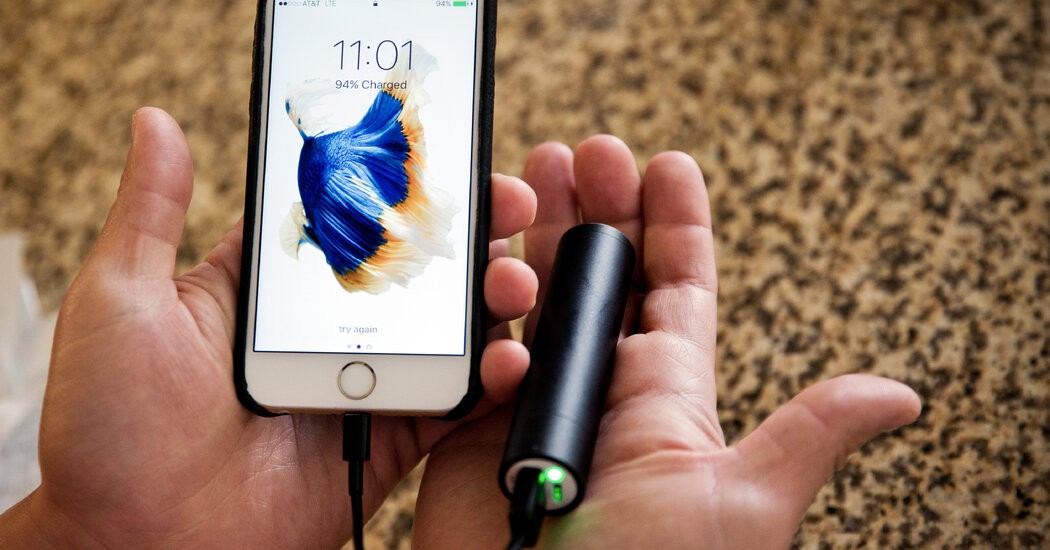
- Quantity Limits: Passengers are now restricted to just one lithium battery-powered portable charger per person.
- Storage Mandates: Portable chargers are no longer permitted in overhead bins. Passengers must either keep the device on their person or store it in a carry-on bag located under the seat in front of them.
- Outlet Usage: To prevent overheating, passengers are prohibited from using in-seat power outlets to charge portable power banks. Standard charging for devices (like phones or laptops) using direct cables remains permitted.
The Underlying Safety Concern: Lithium Battery Volatility
The primary driver behind these changes is the inherent risk posed by lithium-ion technology. While essential for modern travel, these batteries are prone to spontaneous combustion if they suffer physical damage or experience a short circuit.
This is not merely a theoretical risk. Data from the Federal Aviation Administration (FAA) highlights a concerning upward trend:
– In 2024, the FAA reported 97 lithium battery incidents involving smoke, fire, or extreme heat on aircraft, up from 89 the previous year.
– More than one-third of these incidents were directly attributed to battery packs.
– So far in 2026, there have already been 14 reported incidents, nine of which were caused by batteries or power packs.
A Growing Global Trend
Southwest is not acting in isolation. The aviation industry is increasingly reacting to high-profile accidents that have underscored the danger of unmonitored battery use.
For example, in January 2025, an Air Busan plane was destroyed on the tarmac in South Korea, with investigators pointing toward a power bank as the likely cause. Such incidents have prompted major international carriers—including Thai Airways, Singapore Airlines, and Malaysia Airlines —to implement bans on using or charging power banks during flights.
Why this matters: As travelers rely more heavily on high-capacity power banks to fuel their mobile devices, the density of energy stored in the cabin increases. By limiting the number of devices and restricting their storage to reachable areas (under seats rather than overhead), airlines aim to ensure that if a battery does fail, it can be identified and managed immediately before it escalates into a major fire.
Conclusion
Southwest Airlines’ new policy reflects a broader industry shift toward prioritizing fire prevention through stricter device management. These measures aim to mitigate the rising risk of lithium battery malfunctions in the increasingly crowded and energy-dependent cabin environment.