As the global cruise industry prepares for a massive surge in passenger numbers—projected to exceed 37 million by 2026 —cruise lines are shifting their focus toward a high-value strategic asset: private islands.
To capture the growing segment of luxury travelers who demand privacy, seamless service, and curated environments, MSC Group has announced a significant expansion of its Caribbean footprint. This move is part of a broader industry trend where cruise operators are moving away from third-party ports to develop their own “turnkey” destinations, allowing for total control over the guest experience from the ship to the shore.
The Newest Addition: Sandy Cay
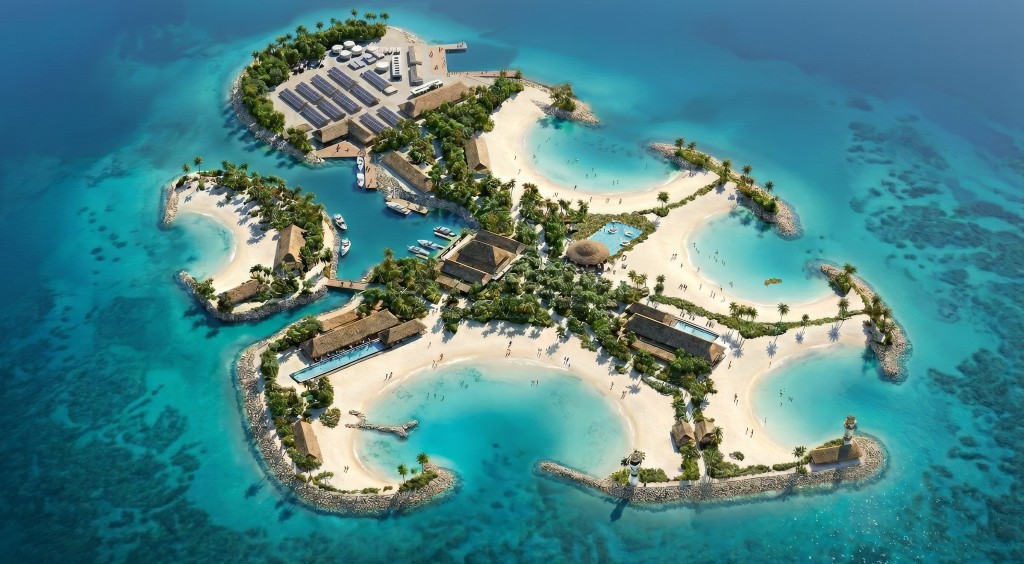
Building on the success of its existing marine reserve, MSC Group is officially unveiling Sandy Cay, a new private destination scheduled to open in 2028.
Located just a short boat ride from the existing Ocean Cay MSC Marine Reserve, Sandy Cay will serve as a refined, luxury-focused counterpart to its predecessor. While Ocean Cay focuses on nature and marine conservation, Sandy Cay is being designed as a secluded sanctuary.
Key details of the Sandy Cay development include:
– Scale and Composition: The island will be approximately one-third the size of Ocean Cay, constructed from aragonite sand to ensure a bright, fine-textured coastline.
– The Experience: The focus will be on “quiet luxury”—offering a tranquil, high-end atmosphere that prioritizes personalized service and a deep connection to the natural environment.
– Accessibility: Situated just 65 miles from Miami, the island will be easily accessible for cruises departing from both Miami and Port Canaveral.
Enhancing the Anchor: Ocean Cay Upgrades
MSC is not just building new; it is also reinvesting in its current flagship, Ocean Cay MSC Marine Reserve. Since its opening in 2019, Ocean Cay has functioned as a model for eco-conscious cruising, blending guest amenities with marine conservation.
To stay competitive and meet evolving guest needs, MSC will roll out a series of upgrades to Ocean Cay, expected to be completed by late 2027. These enhancements aim to better segment the island’s offerings to serve different traveler demographics simultaneously:
- For Families: A redesigned Seekers Cove will feature enhanced attractions, including a playground, splashpad, and ropes course.
- For Adults: The introduction of Paradise Sands, a dedicated adults-only area designed for relaxation.
- For Food Lovers: The addition of four new dining venues, bringing the island’s total to seven, alongside expanded food markets.
- For Conservationists: New interactive experiences tied to the MSC Foundation’s coral restoration and ocean education initiatives.
Why This Strategy Matters
The move toward private islands represents a fundamental shift in how cruise lines manage their brands. By owning the destination, MSC Group achieves several strategic goals:
- Operational Control: As Rubén Rodríguez, CEO of MSC Group’s North American Cruise Division, noted, private islands allow the company to control every “touchpoint”—from the quality of dining and entertainment to the flow of guest movement.
- Market Segmentation: Through these islands, MSC can cater to vastly different audiences—families, luxury travelers (via brands like MSC Yacht Club and Explora Journeys), and eco-tourists—within a single, controlled ecosystem.
- Economic Resilience: With the Bahamas seeing record visitor numbers (12.5 million in 2025), investing in proprietary infrastructure allows cruise lines to capitalize on the region’s massive tourism growth while insulating themselves from the logistical complexities of public ports.
“Private destinations make [experience segmentation] possible by giving us the control to design and deliver those experiences at scale,” says Rodríguez. “We see them becoming a core strategic asset in the evolution of cruise itineraries and the industry overall.”
Conclusion
By developing Sandy Cay and upgrading Ocean Cay, MSC Group is positioning itself to dominate the high-end cruise market through total environmental and service control. This dual-island strategy allows the company to offer both high-energy family fun and ultra-private luxury, meeting the diverse demands of a record-breaking era in cruising.