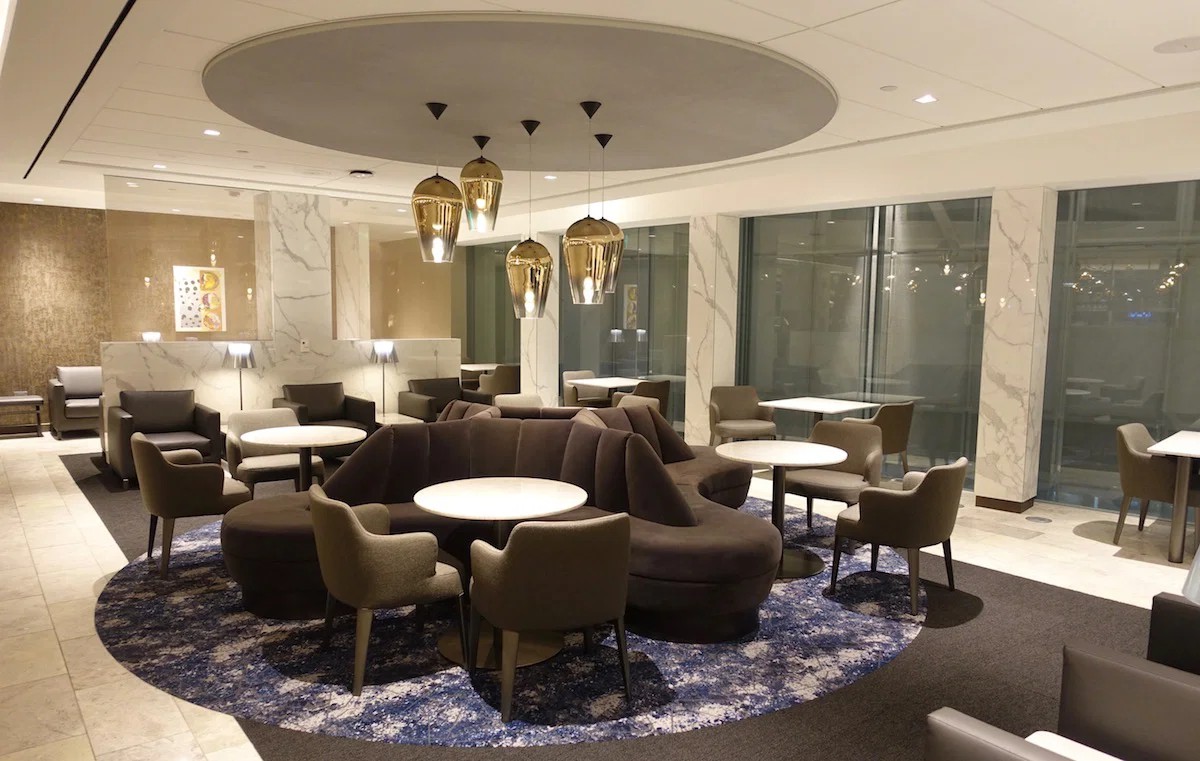
United Airlines has implemented significant new restrictions regarding access to its premium Polaris Lounges. As of April 14, 2026, the airline has moved away from a broad reciprocity model for Star Alliance partners, opting instead to limit access to a much more selective group of travelers.
The Shift in Policy
Previously, the rules for Polaris Lounge access were relatively straightforward for long-haul travelers: any passenger flying in First or Business Class on a Star Alliance partner airline departing from a major gateway airport was eligible for entry.
Under the new policy, this “blanket” access has been revoked. Instead, access is now strictly tiered based on the specific airline and the type of fare purchased.
Who still has access?
Access is now limited to the following specific groups:
– First Class passengers on All Nippon Airways (ANA), Lufthansa, and SWISS.
– Business Class (Basic and Flex fares) on Lufthansa, SWISS, Austrian Airlines, and Brussels Airlines.
– Business Class passengers on All Nippon Airways, Air New Zealand, and ITA Airways.
Who is excluded?
The impact of this change is felt most heavily by passengers flying premium cabins on many other Star Alliance carriers. Travelers flying Business or First Class on airlines such as Air India, EgyptAir, LOT Polish Airlines, or Singapore Airlines will no longer be permitted to use United’s Polaris Lounges.
Why this matters: Capacity vs. Reciprocity
This move represents a strategic pivot in how United manages its premium ground experience. While the reduction in perks is a setback for loyal Star Alliance travelers, the decision is driven by two primary factors: capacity constraints and strategic partnerships.
- Lounge Congestion: United has seen massive growth in its long-haul fleet and premium seat inventory. Because airport real estate is finite, Polaris Lounges have faced increasing crowding issues. By narrowing the pool of eligible passengers, United is attempting to manage density and maintain the quality of service for its own high-value customers.
- Prioritizing Joint Ventures: The new rules prioritize passengers from airlines that are part of United’s deep commercial integrations, such as the transatlantic joint ventures. By granting access to partners like Lufthansa and SWISS while excluding others, United is aligning its lounge benefits with its most profitable and closely coordinated airline alliances.
This shift marks a transition from “broad alliance reciprocity” to “strategic partner prioritization,” where lounge access is treated as a controlled resource rather than a universal perk of premium travel.
Conclusion
United Airlines is effectively narrowing the scope of its premium lounge benefits to combat overcrowding and prioritize its most integrated airline partners. While this provides a more manageable environment for United’s own passengers, it significantly reduces the value proposition for premium travelers flying on many other Star Alliance carriers.