While Royal Jordanian is currently undergoing a significant fleet modernization to upgrade its hardware, a recent long-haul experience suggests that the airline’s “soft product”—the service, hospitality, and attention to detail—is lagging dangerously behind.
On a nine-hour overnight flight from Bangkok (BKK) to Amman (AMM) aboard a Boeing 787-8, the disconnect between a modern cabin and a lackluster service culture became strikingly apparent.
The Hardware: A Solid Foundation
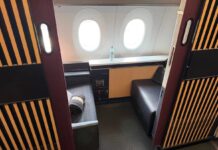
Technically, the aircraft provides a functional environment for long-haul travel. The Business Class cabin features Collins Aerospace Diamond seats, which, while becoming dated compared to newer industry standards, remain comfortable—especially when the cabin is not at full capacity.
Several key features contributed to a baseline level of comfort:
– Improved Sleep Quality: The addition of thick mattress pads significantly enhances the ability to sleep in a reclined position.
– Personalized Climate Control: Individual air nozzles allow passengers to manage their own micro-environment.
– Connectivity: The inclusion of free Viasat Wi-Fi provides a high-value amenity that many competitors charge for.
The Service Gap: A Failure of Detail
The primary issue is not the seat, but the execution of the passenger experience. In the premium travel sector, airlines differentiate themselves through meticulous attention to detail. Royal Jordanian, however, appears to be struggling with basic operational standards.
1. Hygiene and Maintenance
The most glaring failure was the lack of cleanliness. The single lavatory dedicated to Business Class passengers was reportedly left in a filthy state, with no visible effort from the crew to tidy the space throughout the flight. This lack of maintenance extended to the Royal Jordanian Lounge in Amman, where tables remained littered with trash despite a low volume of passengers and available staff.
2. Inconsistent Hospitality
The crew’s performance was marked by a lack of engagement and professional communication:
– Apathy in Service: Some crew members appeared indifferent, failing to proactively offer meal orders or use verbal communication, relying instead on gestures.
– Language and Interaction Barriers: While some staff were well-intentioned, the interaction was limited by a repetitive, minimal vocabulary that hindered meaningful service.
– Lack of Proactivity: Passengers were not offered drink refills, and meal services lacked the standard “premium” touches, such as a beverage menu or pre-dinner drinks.
3. Catering and Cabin Management
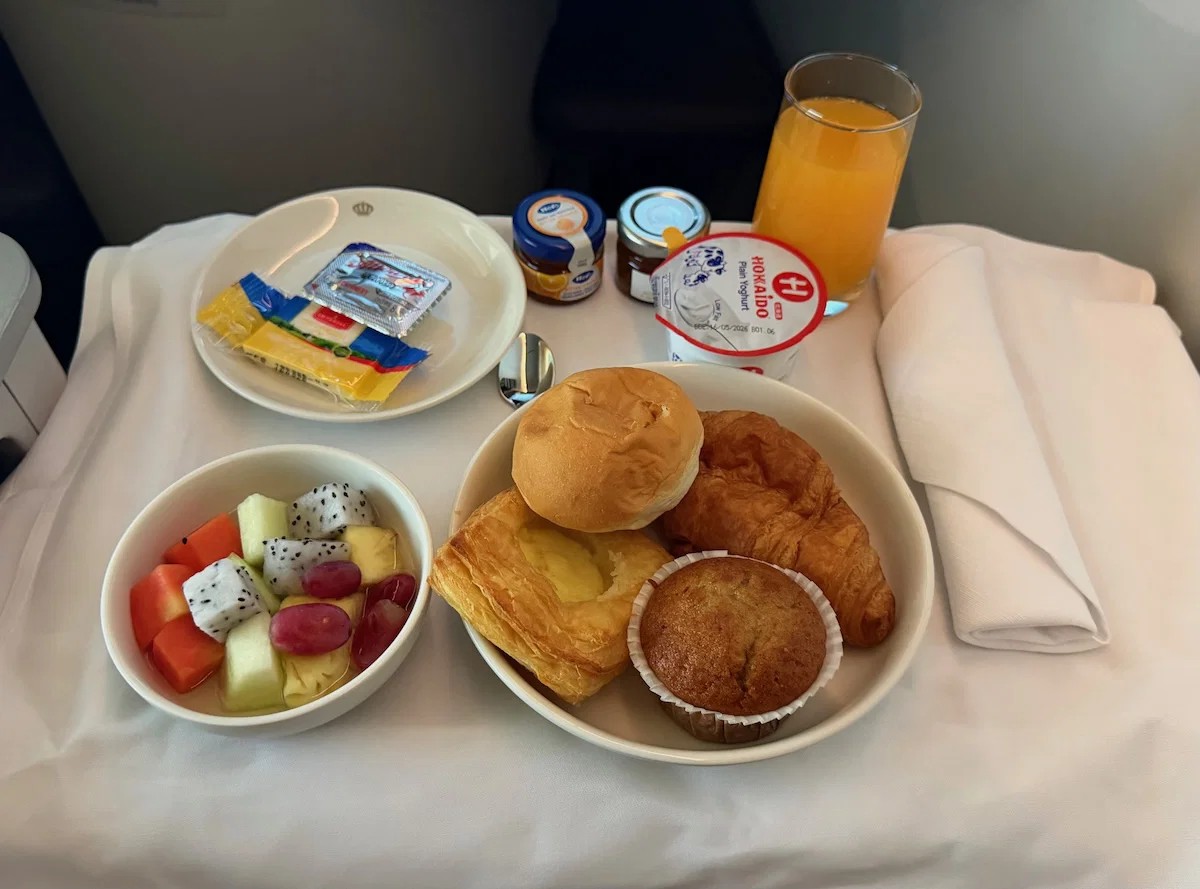
The culinary offering failed to meet the expectations of a long-haul Business Class service. The breakfast service, for instance, was notably sparse, consisting of little more than bread.
Furthermore, the crew failed to manage the cabin environment effectively. When a passenger used social media via Wi-Fi without headphones during the night, disrupting others, the crew failed to intervene despite direct requests, highlighting a lack of cabin oversight.
The Broader Context: Why This Matters
In the highly competitive world of international aviation, “hardware” (the planes and seats) is increasingly becoming a commodity. As more airlines adopt similar seat models and Wi-Fi technologies, the true differentiator becomes the “soft product” —the human element.
When an airline invests in new Dreamliner aircraft but fails to train staff on hospitality, cleanliness, and proactive service, they risk a “luxury gap.” A passenger may sit in a modern seat, but if the bathroom is dirty and the service is indifferent, the premium price tag becomes difficult to justify.
Conclusion
Royal Jordanian has the physical tools to provide a world-class experience, but a systemic lack of attention to detail and passenger care is undermining its modernization efforts. To truly compete, the airline must ensure its service culture matches its fleet upgrades.