Many island nations sit on water, not wealth. They lack significant deposits of gold, copper, or oil. So, what do they have to trade? Trees.
Specifically, tropical hardwood.
It seems like a simple economic solution. Sell the wood. Make money. But the price tag is etched into the landscape. The demand for this raw material on the global market is stripping island rainforests bare. What was once a dense, green canopy is now a scarred frontier.
This isn’t just about losing a few acres. It’s about the collapse of entire ecosystems. When you clear-cut for export, you aren’t just removing timber. You’re dismantling the lungs of the island. The soil washes away. The water cycle breaks. The biodiversity vanishes.
Why do these countries do it? Because they have to. Without mineral resources, timber is one of the few renewable assets they can monetize quickly. But “renewable” is a dangerous word when the rate of harvest exceeds the rate of regrowth.
The result? Fragile island ecosystems hanging by a thread.
The demand for tropical hardwood is stripping island rainforests bare, turning green canopies into scarred frontiers.
It’s a harsh reality. The world wants beautiful wood floors and high-end furniture. The islands want economic stability. The forests? They just want to survive.
And right now, they’re losing.
The Hidden Cost of Island Wealth
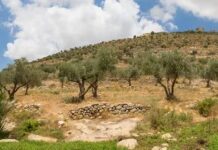
Samoa’s forests are disappearing. Fast. If current deforestation rates hold, those trees could be gone in just a few decades. But it isn’t just trees at risk. Wherever minerals hide beneath the soil, the environment pays the price.
Take New Caledonia. This French territory holds roughly 20% of the world’s nickel reserves. It’s a staggering amount of metal. But digging it up has turned mountains into barren, karstified landscapes. Rain washes through these unstable slopes, causing floods in the valleys below. The soil and water are laced with toxic waste.
Now, demand is climbing. Mining companies want to push into the northwest, an area that’s largely untouched so far. For the Kanak people—the indigenous population—this isn’t just bad news for the trees. It’s an existential threat. Their traditional way of life depends on land that’s still intact. Destroying it destroys their livelihood.
A Moon-like Grave
Nauru offers a grim warning. Since the early 20th century, the island has been stripped of high-quality phosphate. This rock is crucial for fertilizer. After gaining independence in 1968, Nauru pumped out about 2 million tons a year.
The money poured in. For decades, Nauruans had the highest per-capita income on Earth. But the wealth came with a heavy toll. Health crises followed, notably a massive spike in diabetes. Society fractured under the weight of easy money.
Then the phosphate ran out.
Today, Nauru is broke. The mines are exhausted, and there’s no tourism to fill the void. The landscape is a moonscape of rubble. You can’t visit for the view. There’s nothing left but the scars of extraction.
Why This Matters for Travelers
When you plan a trip to the Pacific, you’re seeing the aftermath of global consumption. The nickel in your car. The fertilizer on someone else’s farm. The phosphate in your phone’s battery components. These aren’t abstract concepts. They’re physical realities reshaping islands.
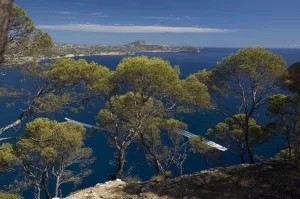
Visiting places like Nauru isn’t about luxury. It’s about witnessing the limit of resource extraction. Samoa offers a chance to see what’s left of the canopy before it’s too late. New Caledonia presents a stark contrast: natural beauty undermined by industrial greed.
The question isn’t just whether these resources will last. It’s who pays when they don’t. Is it the Kanak families? The diabetic community in Nauru? Or is it the traveler who comes expecting paradise, only to find a pit?
The answer determines if you see a destination or a disaster. Most guides will show you the beaches. Few will point you toward the mine tailings. But that’s where the truth lies.