Split is not just a stopover. It is the beating heart of Dalmatia. As Croatia’s second-largest city, it sits right on the eastern shore of the Adriatic Sea. The air smells like salt and ancient stone. The climate is warm, typical of the Mediterranean. But the real draw here isn’t just the weather. It is history.
This city has been a transit hub for centuries. People come here to catch ferries to the islands. They also come to stay. With a population hovering around 200,000, Split has absorbed wave after wave of conquerors. Illyrians. Greeks. Romans. Byzantines. Venetians. Even the Ottomans and Austro-Hungarians left their mark. The result is a chaotic, beautiful patchwork of architecture that spans millennia.
How to Get to Split and Why It Matters
You might be asking how to get to Split from Zagreb or other hubs. It is a logistical puzzle for many first-time visitors. The city is well-connected by road and air. The airport, Split Airport (SPU), handles international flights, particularly during the summer season. If you are driving, the coastal highway is scenic but busy in July and August. Trains connect Split to Zagreb, though the journey takes time.
Why does this matter? Because Split is the gateway. If you plan to visit Hvar, Brač, or Vis, you will likely pass through here. Do not treat it as a mere waiting room. The city has enough depth to fill days. Its UNESCO-listed sites attract tourists year-round, not just in peak summer.
Diocletian’s Palace: The Heart of the City
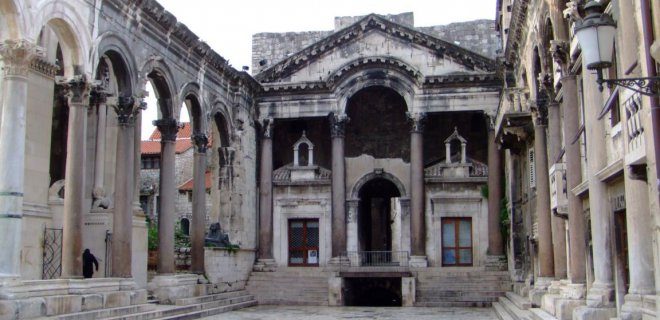
You cannot walk through Split without entering Diocletian’s Palace. It dominates the old town. This is not a museum behind glass. It is a living, breathing complex where people still live and work.
Constructed in the early 4th century, the palace is roughly 1,700 years old. It was built for the Roman Emperor Diocletian. He wanted a retirement home that doubled as a fortress. The scale is massive. It covers about 40,000 square meters. Inside, you find the remains of his mausoleum, which now houses the Cathedral of Saint Domnius. You also see the remnants of military barracks.
The palace walls define the city center. Walk through the Peristyle. Look up at the columns. Imagine the emperors and soldiers who walked this same stone. It is easy to feel small here. The structure is a key reason why Split is on the UNESCO World Heritage List. It is the primary reason you should prioritize your itinerary here.
Where to Stay in Split
Deciding where to stay in Split depends on what you value. Do you want to be in the thick of the action? Or do you prefer quiet mornings?
The Old Town, inside the palace walls, is the most historic option. You wake up to Roman ruins. The downside? It can be noisy. The streets are narrow. Parking is a nightmare. But the atmosphere is unmatched.
Outside the walls, in the Riva area, you find more modern hotels. This is near the waterfront promenade. It is convenient for buses and fer
Zara’daki o büyük kalabalığı geride bıraktıysanız, ruhunuzun biraz daha yumuşaması lazım. Hvar’da zamanın akışı farklı. Burada saatler uzuyor.
Hvar’ın sırrı: Lavanta ve limon
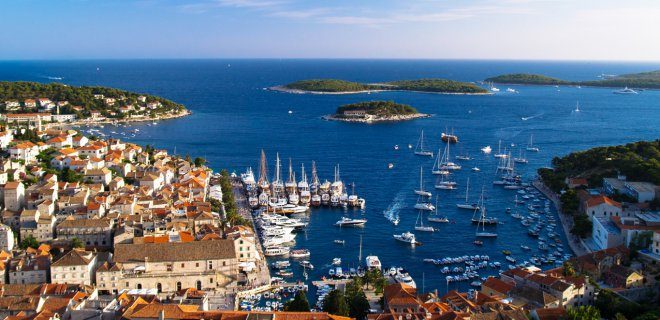
Hvar Adası, Dalmaçya kıyılarının en parlak taşlarından biri. 68 kilometre uzunluğundaki bu şerit, Adriyatik’in mavisinde tek başına duruyor. Alan olarak 297.37 kilometrekare. Nüfusu sakinlerde 12 bine varır. Ama yaz gelince? Tamamen değişir. Adada nüfus patlaması olur. Yabancılar, yat sahipleri, influencer’lar… Hepsini bekliyor.
Ada verimli ovalarla başlar. Bu ovalar sadece güzel görünmez, aynı zamanda lezzet de üretir. Üzüm bağları. Zeytinlikler. Meyve bahçeleri. Ve o meşhur lavanta tarlaları. Rengi mor. Kokusu oyalayıcı. Yanında çam ormanları da var. 628 metre yüksekliğindeki zirvesinden aşağıya bakınca, yeşilin farklı tonlarını görürsünüz.
Nereye gitmeli?
Hvar Adası’na gelirken beklentinizi ayarlayın. Sadece denize girip yüzmek için değil. Burada dolaşmak için olun.
- Stari Grad: Eski Liman. Burası daha otantik. Yerel halk burada yaşar. Pazar günleri meyve sebze tezgahları kurulur.
- Hvar Town: Daha lüks. Daha pahalı. Ama gece hayatı canlık.
- Lavanta Turları: Yaz aylarında tarlalar çiçek açar. Fotoğraf çekmek için en iyi zaman.
Lojistik: Nasıl ulaşılır?
Split’ten feribot veya hızlı tekne ile geçilir. Dioklecijanova caddesindeki o merkezi noktadan başlayıp, Split limanına ulaşmanız gerekir. Telefon numarası +385 98 251 610. (Bu numara genellikle ulaşım acenteleri veya özel tur operatörleri için olabilir, resmi feribot gişesi değil. Kontrol edin.)
Güzergah kısayol. 1 saat sürer. Rüzgar varsa dalgalanabilir. Yemeğinizi yutkunmanız zorlaşabilir. Hazırlıklı olun.
Ne kadar harcamalısınız?
Hvar, Zara’dan daha pahalı. Ama Dubrovnik kadar aşırı değil. Orada.
- Konaklama: Yazlık kiralık daireler gece 100-150 Euro arası değişir. Daha ucuz seçenekler de var ama merkezden uzaktır.
- Yemek: Bir restoran yemeği 15-25 Euro. Bir kadeh yerel şarap 5 Euro.
- Etkinlikler: Plaj girişleri ücretsiz
Zaton’a Ulaşım ve Arkeolojik Hazinelere Dalış
Split limanından buraya feribotla ulaşabilirsiniz. Bu basit detay, Zaton’a giden yolculuğun en kolay kısmı aslında. Ancak hedefiniz sadece havuz kenarında oturmak değilse, durmanız gereken iki nokta var. İlki, sadece bir müze değil, bir zaman kapsülü.
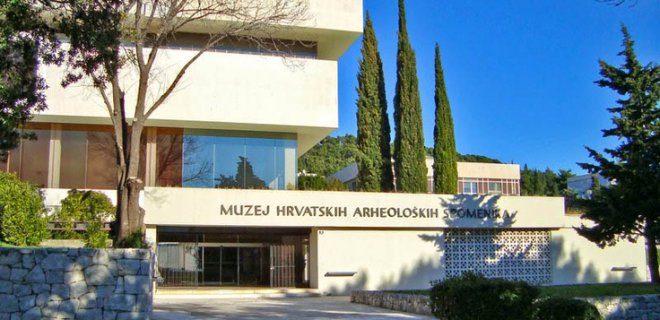
Hırvat Arkeolojik Anıtlar Müzesi
1976 yılında açılan bu mekan, bölgede aşkar olunan 7 ve 15. yüzyılları kapsayan arkeolojik eserlerin sergilendiği seçkin bir müzedir. Mücevher, silah, taş aletler, hasır gibi çeşitli figürlere ev sahipliği yapan Hırvat Arkeolojik Anıtlar Müzesi epigrafik Latin anıtları ögeleri de içermektedir. Avrupa’da bu Latin anıtlarının en geniş koleksiyonlarının sergilendiği eski yazı eserleri Split’te görülecek yerlerdendir.
Neden buraya girmelisiniz? Çünkü çoğu turist sadece sahile akıyor. Siz farklı bir rotada yürümek istiyorsanız, bu müze size o coğrafikanın kemiklerini gösteriyor. Makedonya’dan Romalılara, Orta Çağ’dan Osmanlı’ya uzanan bir hikaye. Taş aletlerdeki yontular bile konuşur. Hasır dokumacılığındaki desenler, o dönemin sosyal hiyerarşisini ifşa eder. Mücevherler ise sadece zenginlik değil, inanç ve statü sembolü.
Epigrafik Latin anıtlarına gelince. Bunlar sadece taş plaketler değil. O dönemdeki günlük hayatın, kanunların ve isimlerin dökülmüş hali. Avrupa’daki en geniş koleksiyonlardan biri olması tesadüf değil. Split, tarihin üst üste bindiği nadir noktalarından biri. Müzede durup o yazılara bakarken, o zamanın sessizliğine gidebilirsiniz.
Zaton’un Gerçek Sırrı: Sakinlik ve Su
Müzeden sonra Zaton’a geçin. Ama sadece denize girip çıkmayın. Bu kasaba, Hırvatistan’ın en yoğun turistik bölgelerinden birine (Split’e) çok yakın olmasına rağmen, kendi dünyasında yaşıyor. Burası, otantik bir balıkçı köyü.
Ne zaman gidilir? Temmuz ve Ağustos’ta sıcaklar dayanılmaz olabilir. Mayıs başı veya Eylül sonu ideal. Su hala serin ama hava nefes almayı sağlıyor. Kalabalık azalır. Yerel insanlarla konuşma şansınız artar.
Nerede konaklanır? Zaton’da lüks resortlar yerine, aile işletmesi bungalovlar bulunur. Fiyatlar, Split’e göre çok daha makul. Sabah kahvaltısında yerel peynir ve zeytinyağı yiyin. Akşamüstü ise kıyı ş
Why Marjan Hill Is Split’s Best Kept Secret
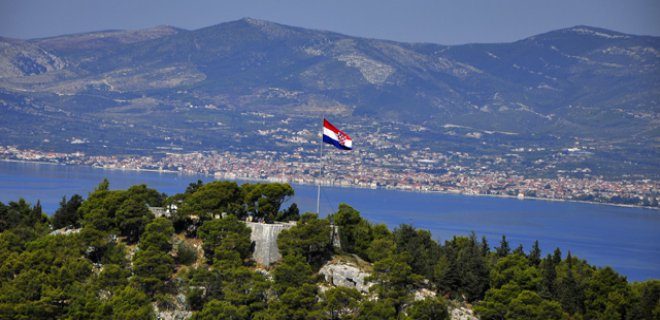
If you’re tired of the beach crowds, head to Marjan.
This isn’t just a park. It’s a 178-meter-high pine forest that dominates Split’s skyline. Located right next to Diocletian’s Palace, it’s become a non-negotiable stop for anyone wanting to understand the city’s rhythm.
You don’t need a guide. You just need good shoes.
The trail system is extensive. You’ll pass the Church of St. Nicholas. Then, deeper into the woods, you’ll find Renaissance hermitages from the 15th century. They’re hidden in caves. It feels like stumbling on something ancient.
“Marjan is the green lung of Split.”
Getting There and What to Expect
The hill is accessible from the city center. You can walk. You can take a bus. Or you can rent a bike and tackle the slopes.
Why go?
– The views over the Adriatic are unmatched.
– The air smells like pine and salt.
– It’s a quick escape from the summer heat.
What to see:
– St. Nicholas Church: A historic landmark with quiet courtyards.
– Hermitages: Small, stone shelters carved into the rock.
– Forest Trails: Dozens of kilometers of paths.
Practical Tips for Your Visit
Timing matters. Go early in the morning for silence. Go late afternoon for light.
Bring water. There are no shops on the main trails.
Entry is free.
The forest is dense. Sunscreen is essential. The pines block some light, but the reflection off the sea is intense.
Don’t rush. The value isn’t in checking off monuments. It’s in the walk. The crunch of pine needles underfoot. The sudden opening of the sea view.
It’s a different kind of tourism. Less crowded than the palace. Less commercial than Riva street.
Just trees. Stone. Sea.
If you stay long enough, you’ll hear the city breathing. Not the tourist noise. The real sound.
Split changes when you leave the stone walls. Marjan shows you how.
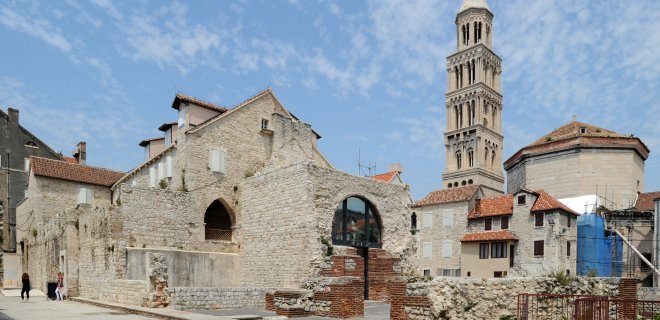
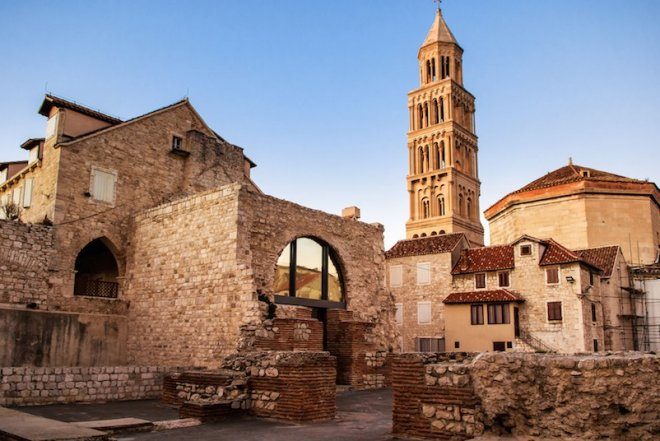
Split gezisini planlarken, Diocletianus Sarayı’nın taş duvarlarının ötesine bakmak gerekir. Şehrin kalbinde, Aziz Domnius Katedrali yükselir. Yerel halk arasında Aziz Dujam veya Aziz Duje olarak anılan bu yapı, sadece bir ibadethane değil, Avrupa’nın en eski Katolik kiliselerinden biridir.
- yüzyılda inşa edilen bu eserin kökenleri derindir. Nikola Tvrdoje tarafından tasarlanan katedral, Romanesk ve Roma mimari stillerinin etkileyici birleşimini yansıtır. 60 metrelik minaresi, Split’in silüetini tanımlayan en ikonik referans noktasıdır. Buraya geldiğinizde, sadece mimari detayları değil, tarihin katmanlarını da hissedeceksiniz.
Tarih ve Mimari Detaylar
Katedralin içinde saklanan sırlar, ziyaretinizi unutulmaz kılar. Diocletianus, Roma İmparatoru’nun ve Doktor Rogerius’un ebedi istirahatgahı olarak kabul edilen bu mekân, dini ve tarihsel açıdan eşsiz bir öneme sahiptir. Diocletianus Sarayı’nın kalbinde yer alması, yapının stratejik ve sembolik değerini artırır.
Mimari açıdan incelenirse, Roma İmparatorluğu’nun izleri her köşede görülür. Özellikle kubbe yapısı ve giriş kapısı üzerindeki kabartmalar, dönemin sanat anlayışını gözler önüne serer. Katedralin iç mekan aydınlatması, doğal ışığın oyunlarıyla birleşerek mistik bir atmosfer yaratır.
“Aziz Domnius Katedrali, Split’in tarihsel mirasını en saf haliyle sunan bir kapıdır.”
Ziyaret İçin Pratik Bilgiler
Bu dini mekâna gitmeden önce bazı lojistik detayları göz önünde bulundurmak, deneyiminizi daha rahat hale getirir. Aziz Domnius Katedrali ‘ne ulaşım oldukça kolaydır. Sarayı ziyaret eden herkes, katedralin kapısından içeri adım atar.
- Adres: Obala Hrvatskog narodnog preporoda 25, 21000, Split, Hırvatistan
- Telefon: +385 21 362 991
Ziyaret saatleri mevsimlere göre değişebilir. Genellikle sabah erken saatlerde veya akşamüstü, kalabalıktan kaçınmak için daha sakin bir atmosfer sunar. Yüksek kuleye tırmanmayı tercih edenler için fiziksel hazırlık iyi olabilir; merdivenler dar ve dardır.
Neden Değer?
Peki, neden bu kadar önemli? Çünkü Aziz Domnius, sadece taş ve mermerden ibaret değil. Zamanın testinden geçmiş, değişen siyasi rejimlere rağmen ayakta kalmış bir tanık. Split’in ruhunu anlamak istiy
The Ivan Meštrović Gallery: A Monument in Stone
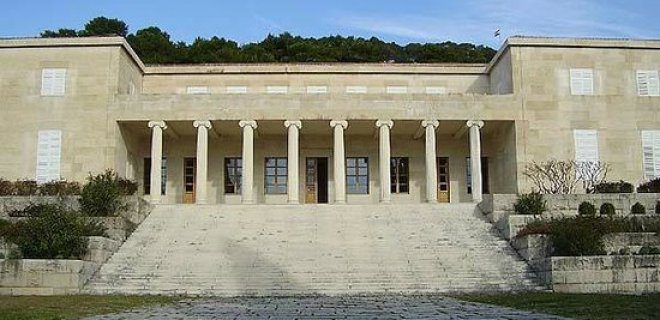
It’s not just a museum. It’s a statement carved from local stone, perched above Split with a view that matches the weight of the history inside.
You’ve likely heard the name, but you might not know the scale of it. Ivan Meštrović wasn’t just a sculptor. He was a titan of 20th-century art, a Croatian-American whose output was so vast it required its own architectural container. The gallery itself is part of the story. Designed by Meštrović, it feels less like a white cube and more like a fortress for ideas.
Inside, you’re wading through decades of obsession. This isn’t a casual stroll. The permanent collection spans everything from delicate charcoal drawings to massive bronze figures that seem to breathe in the dim light. You’ll see marble blocks that look unfinished, as if the artist left them mid-thought. There are furniture designs, too. Sketches for buildings that were never built. It’s a look into the mind of a man who couldn’t stop creating.
Why does this matter for your itinerary? Because Split’s history is often associated with Diocletian’s Palace. That’s Roman. Heavy. Impenetrable. The Meštrović Gallery is different. It’s modern. It’s personal. It’s the counter-weight to the ancient stones.
The location is key. It sits on a hill overlooking the bay. The approach alone sets the tone. You walk up past the gardens, the quiet paths, before you’re hit by the sheer presence of the building.
What to expect?
– The Sculptures: Bronze and wood figures dominate the main halls. Look for the religious works. They’re intense. Raw.
– The Drawings: Smaller rooms house the sketches. They’re frantic, energetic. You can see the muscle movement in the lines.
– The Architecture: Don’t just look at the art. Look at the space. The light filtering through the high windows. The way Meštrović controlled the flow of movement.
– The View: From the terraces, Split spreads out below. It’s a reminder of why he built it there.
It’s easy to rush through. Don’t. The gallery demands patience. The pieces are large, loud, and demanding. They ask for your attention.
Is it worth the climb? Yes. But not for the view. For the art. Specifically, if you’re interested in how a single artist can define a nation’s cultural identity, this is the case study. Meštrović didn’t just make statues. He made a narrative.
The gallery is open daily, but check the hours. They change. Always.
You leave with stone dust on your shoes. Literally. And a head full of questions about what it takes to leave a mark that lasts centuries.
Split is great for a weekend. It’s compact, the Diocletian’s Palace is a maze worth getting lost in, and the food scene is sharp. But if you’re standing on the Riva promenade looking out at the water, you’re only seeing the edge of the map. To get the real Adriatic, you have to leave the mainland. You need to go to the islands. Specifically, you need to plan a trip to Brac and Hvar. They are the heavy hitters of Dalmatian tourism, and knowing the logistics before you book is the difference between a stressful ferry ride and a smooth escape.
Why Brac is the Top Choice for Beach Lovers
Let’s start with Brac. It sits just south of Split, making it one of the easiest day trips or overnight getaways. The island is massive—396 square kilometers of rugged, rocky terrain that climbs sharply to Vidova Gora, the highest peak in the Adriatic at 778 meters. It’s not a flat, sandy pancake. It’s geological drama.
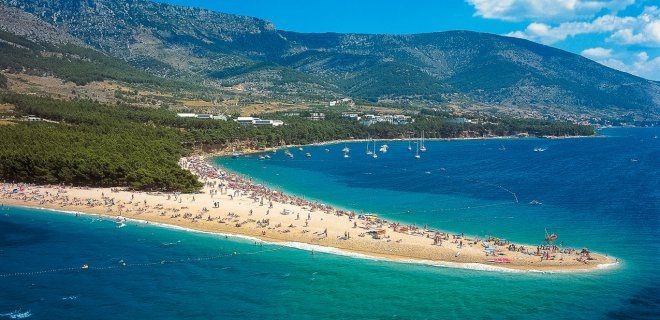
The history here is thick. This was once a Roman settlement, later passing through Venetian, Austro-Hungarian, and French hands before finding its place in modern Croatia. But you aren’t going here for the castles. You’re going for the white pebbles. Zlatni Rat, the Golden Cape, is the island’s signature feature. It’s a landform so distinctive that it appears on the Croatian 50-kuna note. The beach shifts shape with the wind and currents. One day it points west; the next, east. It’s unpredictable. That’s the point.
Getting there takes about 45 minutes to an hour on the Jadrolinija ferry from Split’s main port. Tickets are cheap—usually under 10 euros round trip for a pedestrian. But here’s the catch: Brac is huge. Visits to the island often focus on Bol (where Zlatni Rat is) or Supetar (the main hub). If you want to see the whole island, you need a car or a scooter. Renting a car in Split costs around 30-50 euros a day. Drive it onto the ferry. Book ahead in July and August. The ferries fill up fast.
The Hvar Contrast: Luxury and Nightlife
If Brac is about nature and raw beauty, Hvar is about style. It’s the island’s cooler, wealthier cousin. The drive from Split to Hvar takes longer—around 75 minutes to two hours depending on the ferry type (fast catamaran vs. slow car ferry). The town of Hvar is a compact jewel of Venetian architecture, packed into a hilltop fortress. It’s walkable. The stairs are steep. Wear good shoes.
The cost difference is noticeable. A beer in Split might run you 3-4 euros. In Hvar Town, expect to pay 5-7. Accommodation skews higher. But the beaches are stunning. Pakleni Islands, just off the coast, are accessible by taxi boat for a day trip. The water clarity here is what people dream about.
Logistics: How to Plan the Trip
Don’t wing it. Especially in peak season.
1.
Split limanından buraya feribotla ulaşabilirsiniz. Bu basit lojistik detay, Avusturya’nın en iyi kıyı şeridi iddiasına sahip Riva ’ya açılan kapı.
Riva’nın İklimi ve Müzik Kültürü
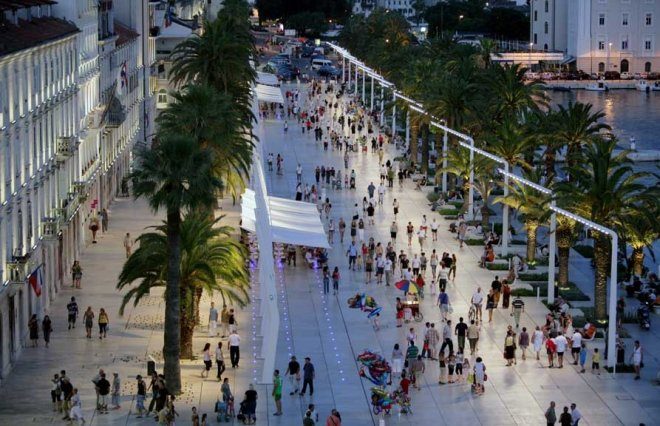
Riva sadece bir sahil şeridi değil, Split’in nabzı. Avrupa’daki en iyi sahil bölgelerinden biri olarak anılıyor, ama bu sadece denizin mavi olmasıyla açıklanamaz. Burada sahillerin ötesinde, lezzetli yemekler sunan restoranlar ve canlı müzik performansı var.
Genellikle büyük konserler ve festivaller Split şehrinde burada kutlanıyor. Yani, eğer müzik tutkunuysanız, Riva’ya gitmek zorundasınız. Gün batımı izlemek isteyenler için manzara kusursuz. Ancak akşam karanlık çözdüğünde, sahildeki enerji değişiyor.
Neden Riva?
- Konserler: Split’teki büyük etkinliklerin merkezi.
- Yemek: Restoranlar, deniz ürünleri ve yerel lezzetlerle dolu.
- Müzik: Canlı performanslar, genellikle açık hava konseptinde.
Split şehrinin eğlence merkezidir diyebiliriz. Bu ifade abartılı değil. Riva, hem gündüz güneşlenmek hem de gece dans etmek için ideal bir nokta. Feribotla ulaşım kolay. Birkaç dakikalık bir yolculuk, tüm Split’in yoğunluğunu geride bırakmanızı sağlıyor.
Bu kadar basit. Limana git. Feribota bini. Riva’da gün batımını izle. Ve eğer bir konser varsa, orada ol.
Why Saint Dujam Outlasts the Rest
If you want the real deal in Split, head to Riva. The street is packed with tourists, sure, but the cathedral sits just off the main drag, demanding attention. Saint Dujam. That’s what locals call it. Officially, it’s the Cathedral of Saint Domnius.
This isn’t just another church you walk through and forget. It’s the oldest Catholic church in Split that’s still standing. Built in the 7th century. That’s old. Romanesque, Byzantine, Renaissance influences layered on top of each other like sediment. It survived empires. It survived wars. It survived time.
The Wooden Doors That Tell Stories
The entrance alone is worth the detour. Three sections. Each panel carved with scenes from the life of Jesus. You don’t just glance at these. You stop. You squint. You try to read the faces carved in wood that’s seen centuries of wind and rain.
The doors add a visual weight to the facade. They frame the entrance like a storybook opening. And once you’re inside, the scale hits you. The space is vast. The acoustics are strange. Your voice echoes differently here.
Practical Details Before You Go
Don’t waste time searching for it. It’s right on Riva street.
- Address: Riva, 21420 Split, Croatia
- Phone: +385 21 345 606
- Best Time: Morning light hits the entrance first. Afternoon shadows make the carvings harder to see.
- Cost: Entry is usually free for the cathedral itself. Check for museum fees if you want the crypt or bell tower.
- Logistics: It’s in the heart of the city center. Walk from Diocletian’s Palace gates. It’s less than a 5-minute stroll.
Why It Matters Now
You’re in Split. You’ve seen the palace. You’ve eaten the seafood. But Saint Dujam is the anchor. It’s the constant. While Riva bustles with day-trippers and cruise ship crowds, this place holds its ground. Silent. Stone. Wood. Faith.
Go in. Sit on the bench near the back. Watch the light change. Listen. The city moves on. The church stays.
Why Bačvice Is Split’s Best Beach
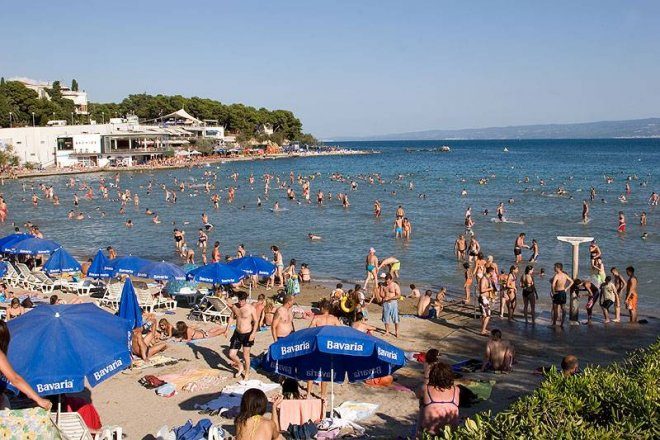
If you’re standing in the city center and need a quick hit of sun and salt, Bačvice Beach is your destination. It’s not just a beach; it’s Split’s social heartbeat. Located right at Ul. Kraj Svetog Duje 5, 21000, it’s the most accessible shoreline in the city. You can walk here from Diocletian’s Palace in minutes.
This isn’t a secluded cove. It’s wide, open, and undeniably popular. The sand is fine. The water is clear. And yes, it’s clean. But don’t expect silence. This is where the locals and tourists collide for coffee, cocktails, and late-night dancing.
What Makes Bačvice Different
Most beaches in Croatia require a drive or a ferry. Bačvice is different. It’s embedded in the urban fabric. That makes it unique. You’re stepping out of ancient stone walls and directly onto white pebbles and sand.
The area is famous for two things:
- Kampić Sand Volleyball: The beach is essentially one giant volleyball court. Locals play fiercely. It’s energetic. It’s competitive. It’s fun to watch.
- Beach Clubs: The stretch is lined with spots that transition from daytime lounging to nighttime partying. Bars like Zvonac or Bacvice Beach Bar are landmarks.
When to Go
Timing matters here. If you want peace, go early. Sunrise to 10 AM is quiet. The light is soft. The water is calm.
Afternoon is chaos. The volleyball games intensify. The bars get loud. The crowds swell. If you want to swim, you’ll need to fight for space.
Evening is where it shines. As the sun sets, the atmosphere shifts. The volleyball slows down. The music starts. You come for the view, you stay for the vibe.
Logistics and Costs
Getting there is easy. It’s a short walk from the main square. Parking in Split is a headache, so leave the car. Walk or take a tram.
Costs are moderate for Croatia. A coffee might be 2–3 EUR. A cocktail runs 8–12 EUR. Sunbeds vary. Some are free if you buy drinks. Others charge a daily fee. Check before you lay down.
Call +385 21 342 589 if you need info on specific events or rentals. They handle the logistics so you don’t have to guess.
Is It Worth the Hype?
Yes. But manage expectations. It’s not paradise. It’s a city beach. It’s vibrant. It’s noisy. It’s alive. If you want isolation, go elsewhere. If you want to be part of the action, Bačvice is the place.
The water is warm in summer. The sand stays cool. The energy is contagious. You leave tired. You leave happy. You leave wanting to come back tomorrow.
Getting There: Just a Ten-Minute Walk
You don’t need a taxi, a bus pass, or a rented scooter to reach the heart of the city. It’s closer than you think. From the main urban center, the walk takes exactly ten minutes. That’s it. Ten minutes of pavement, maybe some coffee in hand, weaving through streets that likely still hum with local life. No logistics. No hassle. Just put one foot in front of the other and you’re there.
Travel Tip: Use this ten-minute window to orient yourself. Look at the architecture. Notice the pace of the people. It’s a microcosm of the city before you dive into the main square.
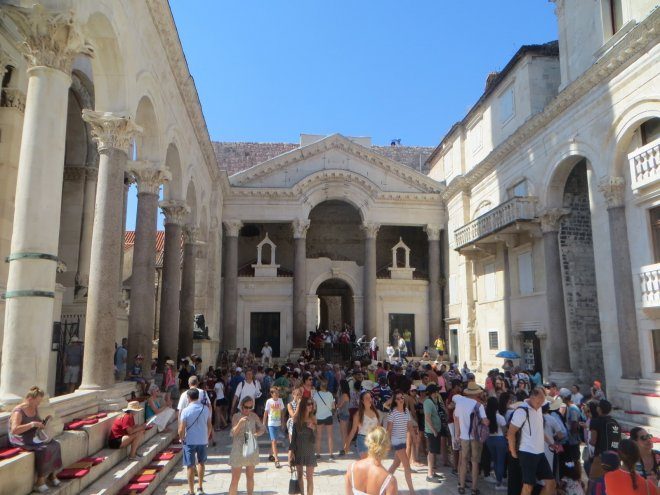
Peristil Square: The City’s True Pulse
This isn’t just a plaza. It’s the beating heart. If you want to see the historical texture of the place—the real grain of its past—you come here. The square is dense with structures. Not just one or two landmarks, but a cluster of them. Each building tells a piece of the story. Stone facades. Arches. Details that have survived centuries of shifting tides and changing rulers.
It’s also the meeting point. Travelers converge here. Backpackers, day-trippers, locals taking an evening stroll. It’s a natural hub. You’ll find yourself in a crowd of fellow explorers, all drawn to the same gravity. If you need advice, a photo background, or just a break from wandering, this is where you land.
So, walk the ten minutes. Stand in the middle of Peristil Square. Look up. Let the history settle around you. It’s worth the step.
You won’t find a metro in Split. There is no tram either. The city runs on a different frequency.
It is compact. It is walkable. But if you need speed, or if your feet are done for the day, you have options.
Taxis are everywhere. You can flag one down, hail one, or just walk into a rank. It is the most common way locals and tourists navigate the grid. It is not always cheap. It is not always cheap.
But here is the thing about Split. It is designed for two wheels.
Bicycle usage is heavy. You will see them everywhere. Every corner. Every street. Rental shops are embedded in the fabric of the city. You do not need to plan ahead. You do not need a reservation. Just show up. Rent. Ride.
Why? Because the terrain is friendly. The distances are short. The air is salty. And the traffic? It is manageable.
If walking isn’t an option and biking feels too sweaty, there is the bus network.
Promet runs the city buses. They cover the major hubs. The main square. The port. The airport. The universities. They are reliable. They are frequent. They are also a good place to people-watch. Minibuses fill in the gaps where the big buses don’t go.
The Walkability Factor
Most of the historic center is pedestrian-only. You can walk from the Diocletian Palace gates to the Riva promenade in ten minutes. It is a flat walk. A scenic walk.
Do not underestimate the power of walking here. The stone streets hum with history. The sun hits the marble in specific ways at 4 PM. You miss that if you are in a car.
You miss that if you are on a bike.
When to Rent a Bike
Morning. Late afternoon. Early evening.
The midday sun is brutal. The shadows are your friend. Rent a bike for the golden hours.
Cost? Expect to pay around 5-10 EUR per day for a basic bike. E-bikes? More. But worth it if you plan to tackle the hills behind the old town.
Taxi Tips
Always ask for the meter. Or agree on a price before you get in.
Prices to the airport? Usually around 20-30 EUR. To the ferry port? Cheaper.
Apps like Yellow Taxi or similar local services exist. They are transparent. They are safe. They are the default for most visitors.
Public Transport Logistics
Promet buses use a ticket system. Buy a ticket before you board. Conductors check. Fines are steep.
The network is good. But it is not as frequent at night. If you are out late, stick to taxis.
Where to catch a bus? The main bus station is near the port. The city center stops are marked. Look for the signs.
Which Option Fits Your Trip?
If you are staying in the center? Walk.
If you are exploring Bačvice beach? Walk or bike.
If you are going to the airport? Taxi or shuttle.
If you are visiting the suburbs? Bus or taxi.
There is no wrong choice. Just a choice.
The city moves with you. Or around you
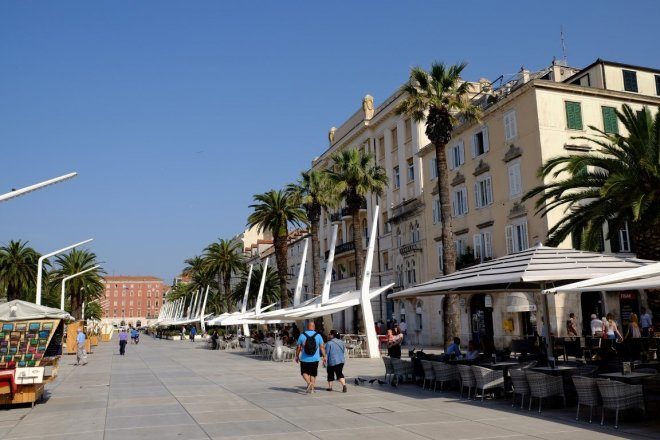
Split isn’t just a tourist trap anymore. It has become a serious contender for European city breaks. You are seeing crowds every day, especially during the summer. The draw is simple: clean, blue-flag beaches right next to ancient stone walls. Locals rent out every spare room they own to fill the demand. But you don’t have to sleep on a stranger’s couch to save money.
Hotels in Split offer a rare combination. They are cheap. They are high-quality. And they are easy to find if you know where to look.
The Value Pick: Boutique Hostel Posteya
If you want your euros to stretch, start here. Boutique Hostel Posteya is often cited for its unbeatable price-to-value ratio. It doesn’t just save you money; it actually looks good. The design is stylish. It appeals to people who care about aesthetics, not just a bed to crash in.
Location is everything when you are navigating Split. This place sits at a strategic midpoint. You are a five-minute walk from the beach. That matters. In July, being close to the water means you can escape the heat without a taxi fare eating your budget.
It is also a fifteen-minute walk to Diocletian’s Palace.
That walk takes you through the old town. You pass shops. You pass cafes. You pass history. It is not a long trek, but it is far enough that you aren’t waking up to tourists trampling your door at 7 AM. It is quiet enough to sleep. It is central enough to explore.
“Hotels in Split offer a rare combination: they are cheap, high-quality, and easy to find if you know where to look.”
Choosing where to stay in Split boils down to logistics. You want proximity to the coast, but not in the middle of the party zone. Boutique Hostel Posteya hits that sweet spot. It is practical. It is affordable. And it proves that budget travel does not mean sacrificing style or location.
The rest of the guide breaks down four other options. But if you are looking for the best balance of cost, comfort, and location, this is where you start your search.
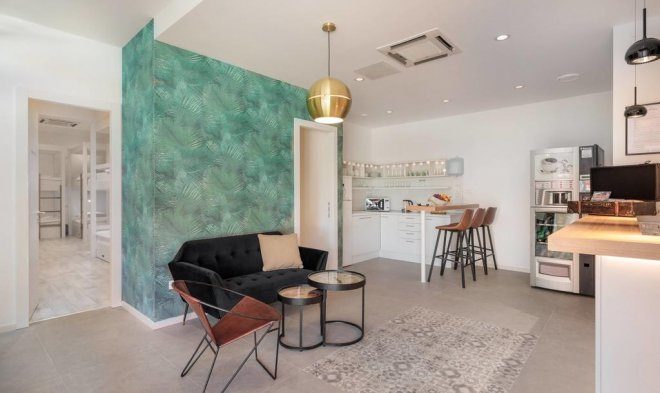
Luxury Apartment Dvor: A Stylish Base Near the Coast
Finding a place that feels less like a hotel room and more like a curated living space is rare in Split. You want character. You want freshness. You want to wake up and feel the rhythm of Dalmatia, not the sterile hum of air conditioning. That is exactly what you get at 72 Dražanac ulica, 21000 Split, Hırvatistan.
This isn’t just an apartment. It’s a design statement.
The interior has a small, shy charm to it—şirin in the local sense, meaning delicate and endearing. But don’t mistake small for cramped. The design is fresh, clean, and distinctly reflective of the city’s soul. It captures that specific Split vibe: historic stone meets modern ease, salt air meets polished wood.
You will appreciate the service quality here. It’s not flashy. It’s reliable. It’s the kind of hospitality that anticipates your needs before you voice them.
The Walk to the Water
Location is everything in Split. You don’t want to be stuck in an industrial zone. You want to be close to the action, but not in the middle of the noise.
Luxury Apartment Dvor sits just a 12-minute walk from the beach.
Think about that. Twelve minutes. That’s not a commute. That’s a stroll. You can leave your slippers by the door, grab a book, and walk down to the pebbles. The path is manageable. The scenery is beautiful. You arrive at the water feeling awake, not exhausted from traffic.
This proximity changes how you experience the city. You can dip in the sea in the morning. You can be back to check emails. You can go out for dinner and walk back under the stars. It offers a flexibility that hotels rarely provide.
Why This Matters for Your Trip
Most travelers in Split prioritize proximity to the Riva promenade or Diocletian’s Palace. And yes, those are essential. But staying close to the beach? That’s the secret weapon.
- Morning Routines: You can swim before the crowds arrive. The water is clearer. The light is better.
- Evening Ease: After a long day of exploring the ruins or shopping in the old town, a short walk replaces a taxi ride.
- Atmosphere: The design of the apartment itself helps you disconnect. It’s a retreat.
The team at Luxury Apartment Dvor knows this. They curate the experience. You get the comfort of a high-end stay without the stiffness. It’s stylish. It’s practical. It’s exactly what a modern traveler needs when planning a trip to Croatia’s second-largest city.
If you are looking for a place that balances aesthetics with location, this is it. The design speaks to those who notice details. The location speaks to those who want to move. And the service? It speaks to those who want to relax.
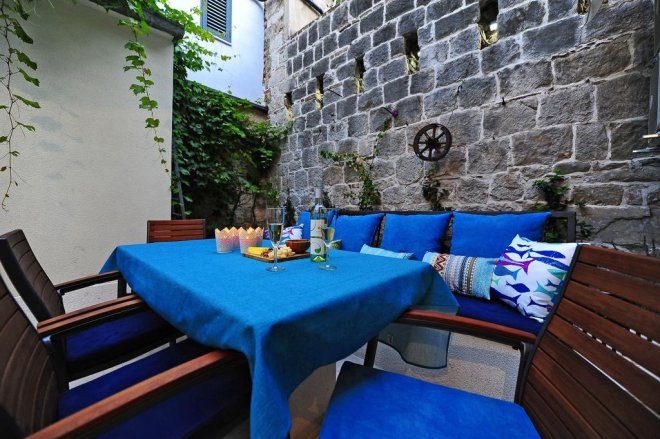
If you’re looking at accommodation options in Split, Wind Rose Split keeps appearing for a specific reason. It’s not the biggest hotel in town. It doesn’t have a massive spa complex or a twenty-meter infinity pool. But it hits two sweet spots that matter most to travelers: location and vibes.
The address is straightforward: Ujevićeva poljana 9, 21000 Split. Situated just outside the dense core of the old town, it offers a quieter retreat without forcing you to hike up steep stone steps every time you want to eat.
Proximity to the Water Matters
The primary draw here is the beach. Specifically, Riva Beach.
You aren’t right on the sand. No one is. But you are a ten-minute walk away. That’s the magic number. It’s long enough to escape the tourist trap pricing and crowds of the immediate waterfront, but short enough that you can pop back to your room for a swim or a nap if the Dalmatian sun gets too intense.
Ten minutes is walkable. It’s also the kind of distance where you feel like you have access to the city center without being trapped in it.
The Rooms Are Clean and Modern
Let’s be honest. Some older hotels in Split suffer from dated decor. You get heavy curtains, wooden furniture that’s seen better decades, and carpets that hide things you don’t want to think about.
Wind Rose avoids this trap. The rooms are described as stylish and clean. That’s a high bar. It means white linens, functional layouts, and lighting that doesn’t feel like a hospital. There’s a balcony in most units. This isn’t just a gimmick; it’s practical. You step out, you get fresh air, you see the street or the garden, and you don’t feel cooped up.
Why Choose This Over Others?
When you compare it to other hotels in the vicinity, the value proposition becomes clear. You aren’t paying for a lobby that’s larger than a small house. You’re paying for a place that lets you walk to the sea easily and sleep in a room that looks like it belongs in 2024.
The balconies add a layer of charm. Imagine starting your morning with coffee on that balcony while the rest of Split is just waking up. It’s peaceful. It’s accessible.
For travelers who prioritize being close to the water but hate the noise of the main promenade, this spot strikes a balance. It’s not luxury resort stuff. It’s smart, clean, and well-located. And in a city as popular as Split, that often counts for more than marble floors.
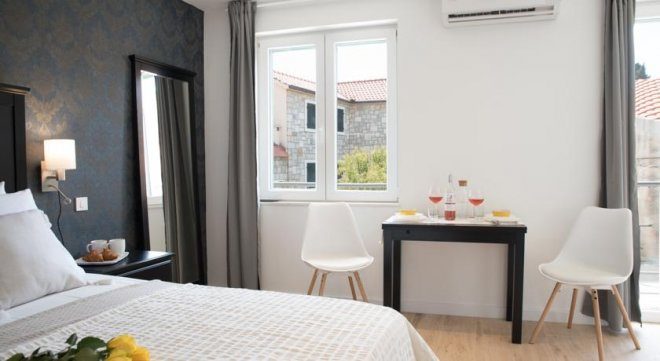
Plinarska 79, 21000 Split, Croatia.
If you are looking for a four-star hotel in Split that doesn’t feel like it’s trapped in the tourist trap zone, Hotel Agava sits in a sweet spot. It’s not right on the beach. You’re looking at a 12-minute walk to get your salt fix. But for many travelers, that’s actually a feature, not a bug. Less noise. More local rhythm.
The real value here is location relative to the city’s historic heart. If you are a fan of classical architecture—or just want to see the remnants of Roman power—this place is strategic. You are seven minutes from Diocletian’s Palace. Seven minutes. You can walk there with a coffee, wander through the peristyle, and be back for a nap.
Republic Square (Trg Republike) is only 300 meters away. That is barely a sprint away. It puts you within striking distance of the main bus station, the ferry terminals to the islands, and the cluster of restaurants that cater to both tourists and locals without inflating prices to yacht-owner levels.
Why Choose Hotel Agava?
Many visitors prioritize proximity to Diocletian’s Palace when booking accommodation in Split. They want the convenience of being inside the walls. Agava offers that convenience without the premium price tag of hotels inside the UNESCO site.
It appeals to travelers who:
* Want four-star comfort without the five-star markup.
* Prefer a quiet street (Plinarska) to sleep on, rather than the party-heavy zones near Bačvice Beach.
* Need easy access to public transport and the city center.
The Trade-off
You have to walk to the sea. Twelve minutes. Some people won’t do it. They want to open their door and step into the Adriatic. If that’s you, look at Bačvice or Meje. But if you view the beach as a destination you go to for the day, not a backdrop for your bed, this location works.
The walk is flat. It’s pleasant. You pass through residential neighborhoods where Split actually lives. You see laundry hanging. You see kids playing. You aren’t just staring at hotel facades.
Practical Details
- Address: Plinarska 79, 21000 Split
- Rating: 4 stars
- Key Distance: 7 mins to Diocletian’s Palace, 300m to Republic Square.
This isn’t the most glamorous hotel in the city. It doesn’t have a rooftop infinity pool overlooking the marina. But it is functional. It is centrally located for sightseeing. And it keeps you out of the chaotic center while remaining close enough to jump back in when you want to.
In a city that moves fast, especially in summer, being seven minutes from the main attraction saves you time. And time in Split is better spent wandering the labyrinthine streets of the palace than counting steps from a distant hotel.
The question is whether you care more about the sand under your feet or the history at your doorstep. For most, history wins. But the
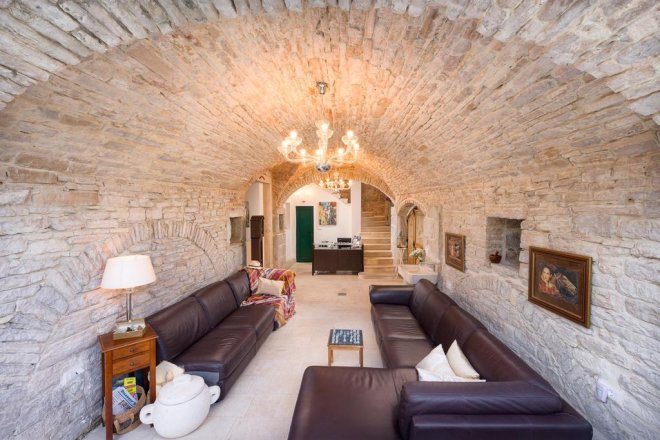
Apartment Lucija: Bacvice Beach and Diocletian’s Palace
16 Babina ulica, 21000 Split, Croatia.
The coordinates don’t lie. You are one minute from the sand.
Apartment Lucija sits in Bacvice, Split’s most coveted neighborhood. The beach is right there. White pebbles. Blue water. You step out your door, walk thirty seconds, and you’re dipping your toes in the Adriatic. It’s that close.
But don’t let the beach fool you into thinking this is a tourist trap zone only. The location is strategic.
Diocletian’s Palace is eight minutes away. That’s not a short walk, but it’s not a trek. You can see the ancient walls, the Peristyle, and the submerged cathedral without needing a bus or a taxi. You just walk.
Here’s the catch. This place books up. Fast.
Bacvice is popular. Everyone wants to be on the beach. So finding an empty room here is hard. You might find yourself staring at a “fully booked” screen while other travelers scramble for alternatives further inland.
If you see availability, take it. The logistics are simple. You pay, you book, you show up with your bags. The apartment is in a working building, not a luxury resort. That means no concierge. No room service. You handle your own check-in details.
Why is this worth the hassle?
Because you’re in the thick of it. Split isn’t a museum. It’s a living city. You hear the traffic. You smell the fish from the port. You walk through streets that have been paved since Roman times.
The trade-off is noise. Bacvice is loud in the summer. Tourists. Locals. Students. It’s vibrant. It’s alive. If you need silence, look elsewhere.
If you want to watch the sunset over the bay from a bar that’s a two-minute walk away, this is it.
Check the dates early. The window is small.
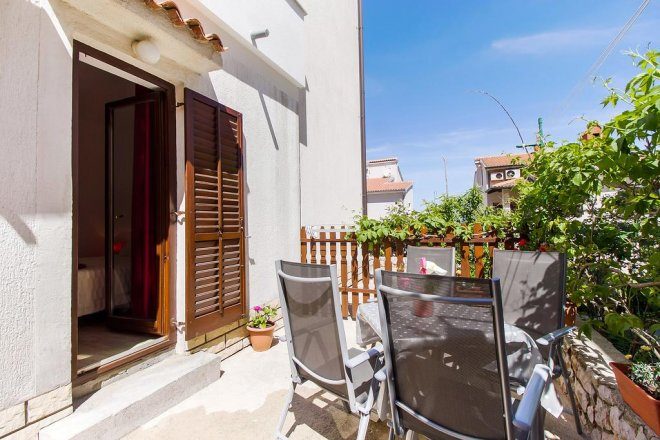
Zagreb’in Gizli Cenneti: Struktura ve Lezzet Döngüsü
Klarina 11, 1. kat. 21000 Split. Hırvatistan’ın bu adresi, sadece bir konum değil; aynı zamanda otantik lezzetlerin kapısı. Burada ne yemeniz gerektiğini merak ediyorsanız, cevap basit ama derin. Hırvat mutfağını tek bir tarifle açıklamak imkansız. Bu, yüzlerce yıllık kültürel yığınmanın sonucunda şekillenen bir tablo. Doğu Avrupa’nın sert karasal etkileri, Akdeniz’in yumuşak zeytinyağı ve baharatlarıyla buluşuyor.
Nereye giderseniz gidin, o bölgenin iklimi tabağınıza yansır. Sahildeyseniz, deniz ürünleri, taze sebzeler ve sızma zeytinyağı ön planda. İç bölgelere, özellikle Zagreb’e yaklaştıkça masalar et yemekleriyle doluyor. Ama burada durmayın. Zagorje bölgesinin simgesi olan Strukle (veya Struktura), tam bu geçişin en tatlı kanıtı.
Struktura: Böreğin Hırvat Karşılığı
Zagorski Štrukli denince akla gelen ilk şey Türk mutfağındaki börek olmalı. Görsel olarak neredeyse birebir aynılar. ince yufkalar kat kat sarılır, içine dilerseniz sadece tuzlu peynir, dilerseniz daha zengin seçenekler konur. Ama fark, pişirme yönteminde ve sunumda gizli.
Genellikle fırında, sütte pişirilerek servis edilir. Üzeri kızarana kadar beklenir. Soğuk servis edilen versiyonları da mevcuttur, özellikle tatlı içli olanlar. Ancak Split’ten Zagreb’e doğru bir yolculuk planlıyorsanız, ısrar etmeniz gereken lezzet budur.
Hırvatistan’da 5 Öneri
- Strukle (Zagorski Štrukli): Zagorje’nin en popüler yemeği. İnce yufka ve peynirle hazırlanır. Türk böreğine çok benzer ama kendi ruhunu taşır.
- Istrian Fuzi veya Paski Brudet: İstria bölgesinde fuzi (makarna) ve balık çorbası (brudet) olmazsa olmazdır. Deniz ürünleri ve baharatların uyumu.
- Paški Sir: Pag adasının keçi peyniri. Kendine özgü, hafif acımsı ve çok güçlü bir tadı vardır. Ekmekle mükemmel gider.
- Pršuto: Domuz etinin kuru ve tuzlu hali. İnce dilimler halinde servis edilir. Şarapla harika bir eşleşmedir.
- Vuna: Havalimanında bile bulunabilecek geleneksel bir içecek. Hamur mayasıyla yapılan, şekerli bir içecek. Tatlı
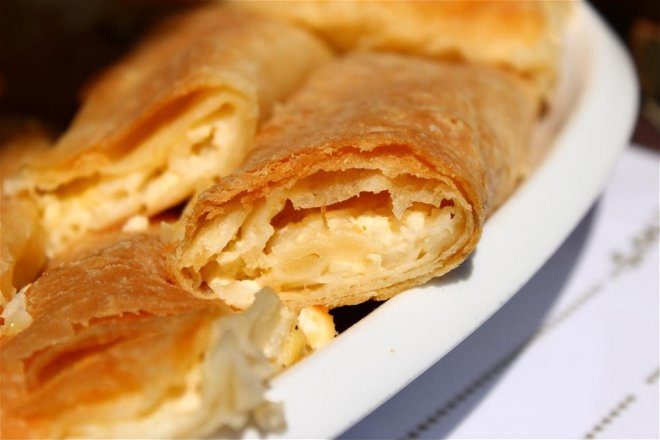
The Salted Chard Pie of Dalmatia
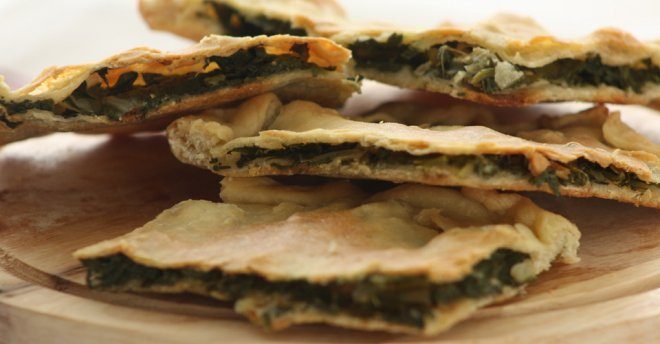
Soparnik is not just a pie. It is a heavy, salty slab of dough stuffed with chard, a regional staple that refuses to stay still with its name. Drive from Split toward the coast and the label shifts. Soparnjak. Zeljanik. Uljenjak. The filling is the same—wild chard, onions, garlic, olive oil—but the dialect changes with every village.
This is food for the hands. You do not eat it delicately. You tear off a piece, expecting grit and crunch.
“If you want the real thing, look for the bakery with no sign and a line out the door.”
Timing matters here. The chard must be young. If you visit in late spring, the greens are tender. By late summer, they turn tough and bitter. Most bakeries stop making it then. Miss the window and you get the frozen version. It tastes like regret.
Where to find it
You will not find this in international hotels. You find it in Split’s neighborhoods. Bačvice. Pirovac. The coastal towns south toward Makarska.
Look for the bakeries that open before sunrise. The smell hits you first. Burnt chard. Olive oil. Salt.
Cost? Cheap. A slice costs a few euros. A whole pie is a small fortune compared to restaurant prices. Bring cash. Many of these places do not take cards.
Why it works
The salt cuts the bitterness of the greens. The oil binds it. The dough is thin but sturdy. It holds up to the stuffing. It is not delicate. It is honest food.
Travelers often ask which region makes it best. The answer is subjective. Some say the ones near Omiš are saltier. Others swear by the versions in Trogir. The truth is it varies by baker. Check the texture. If it is soggy, walk away. If it is crisp and dark green, take a bite.
Practical details
- Best time to eat: Late spring to early summer.
- Where to buy: Local bakeries in Split suburbs and coastal towns.
- Cost: €2-€5 per slice.
- What to look for: Dark green filling. Crispy edges. Salty aroma.
Avoid the tourist traps in the city center. They simplify the recipe. They remove the salt. They make it palatable for visitors who do not understand what they are eating. That is a mistake.
You go for the salt. You go for the crunch. You go for the fact that no two pies are exactly alike.
The chard grows wild there. It is not farmed. It is foraged. That changes the taste. You can taste the soil.
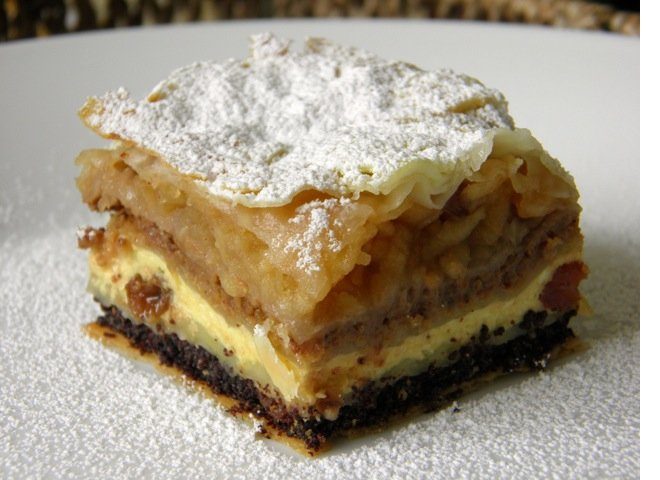
The Crunch of Medimurska: More Than Just Pastry
Medimurska isn’t just a cookie. It’s a structural experiment in crunch.
If you are wandering through northern Croatia, specifically the Medimurje region, this pastry stops you in your tracks. The name gives it away. It belongs to Medimurje. But the ingredients? That’s where it gets weirdly complex.
You think you know croissants. You are wrong.
Medimurska combines hazelnuts, peanuts, apples, fresh cheese, apples, and poppy seeds. Yes, apples twice. The recipe layers them. It folds them. It bakes them until the texture defies gravity.
Why This Specific Combo Works
Most travelers skip Medimurska for the more famous strukli. They miss out.
The combination of fresh cheese with apples creates a tart, creamy base. Then comes the nuts. Hazelnuts provide earthiness. Peanuts add a salty snap. Poppy seeds bring a subtle nuttiness and visual contrast.
It sounds chaotic. It tastes disciplined.
“The crunch is immediate. The flavor lingers.”
Where to Find It
You won’t find this in Zagreb’s chain cafes. You need to go north.
Medimurje is the smallest county in Croatia. It sits between the Drava and Mura rivers. It’s flat. It’s green. It’s often ignored by tourists rushing to the coast.
But the bakeries here make this pastry daily. Look for places with local names. Avoid the tourist traps near major highways. The best ones are in small towns like Čakovec or Varaždin.
How to Eat It
Do not eat it alone.
Pair it with black coffee. Or tea. The sweetness of the apple cuts through the bitterness. The nuts add texture. The cheese adds moisture.
It’s not a dessert you gulp down. It’s a slow snack.
Timing Your Trip
Medimurje is quiet. Visit in autumn. The apples are ripe. The hazelnuts are harvested. The atmosphere matches the filling.
Spring works too. Fresh cheese is lighter. The pastry feels less heavy.
Summer? Too hot for dense pastries. Winter? Cozy, but the region is cold.
Stick to autumn.
The Logistics
Getting there takes time. It’s far from Split. Far from Dubrovnik.
Drive from Zagreb. It’s about an hour and a half north. Rent a car. The roads are small. The scenery is flat farmland.
Pack light. Medimurska is messy. Crumbs everywhere.
Is it worth the detour?
Yes.
Not because it’s famous. But because it’s real.
The next part will cover the coast. But first, you need this crunch.
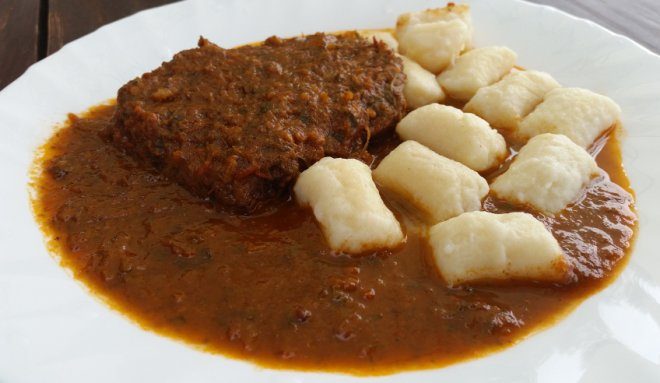
The Real Deal on Pasticada
It is the heavyweight champion of Croatian comfort food. You will see it on almost every menu from Zagreb to Dubrovnik. The locals call it Pasticada, and if you have any interest in Dalmatian cuisine, you need to know how to order it.
The dish is exactly what it sounds like: a beef steak that has been braised until it falls apart. But this is not a quick sear. The meat is marinated for hours, often overnight. The marinade changes by household, but the core ingredients remain the same. You are looking at red wine. Raisins. Onions. Carrots. Sometimes a splash of vinegar to cut through the richness.
Then comes the slow cook. The beef simmers in its own juices and the spiced wine. It turns into something tender enough to cut with a fork, if not your teeth. The sauce becomes thick, sweet, and deeply savory all at once.
It is always served with potato puree. Not mashed potatoes. Pire od krumpira is whipped until it is smooth. It acts as a neutral bed for the intense, complex sauce. The contrast is the point. The soft white potatoes balance the dark, tangy beef.
You will find this dish in konobas—traditional taverns—more often than in high-end restaurants. It is peasant food elevated by time and patience. A portion will cost you between 12 and 18 euros depending on the city. In Split, you might pay slightly less. In Zagreb, slightly more.
Why choose Pasticada over other meats?
Unlike grilled pljeskavica or crispy sarma, Pasticada is a wet dish. It requires bread to soak up the sauce. You are not just eating the meat. You are eating the liquid history of the marinade.
When to order it? Winter. Or a cold rainy day in Split. It is heavy. It sticks to your ribs. It is not a light lunch if you are planning to hike the Diocletian’s Palace walls afterward.
Where to Find Authentic Pasticada
If you are hunting for the best version, look for places that serve Dalmatian specialties. Avoid the tourist traps near the main squares in Dubrovnik. They often use pre-made sauces.
In Zadar, try the smaller konobas in the old town. They usually have the recipe passed down through generations. The texture should be stringy, not mushy. The sauce should have a slight kick from the vinegar and spice.
Some places add prunes to the sauce. Others stick to raisins. Both are correct. It is a regional preference. The key is that the fruit infuses the meat. It adds a subtle sweetness that counters the acidity of the wine.
How to Eat It Like a Local
Do not rush it. The meat is hot. The sauce is rich. Take a bite of the beef. Follow it with a spoonful of the potatoes. Then use a piece of crusty bread to wipe the plate. This is mandatory. Leaving sauce on the plate is seen as a waste.
Pair it with a local red wine. Plavac Mali from the Pelješac peninsula works best. It matches the tannins in the beef and the wine used in the cooking. Avoid white
Where the Night Comes Alive in Split
The energy here doesn’t fade; it just shifts locations. In Split, nightlife clusters in three main zones: along the Riva waterfront promenade, up on Diocletian’s Subterranea near the palace walls, and scattered through the narrow streets of the old town. You’ll find crowds spilling onto the cobblestones well past sunrise. If you’re looking for where to stand when the music drops, these are the spots.
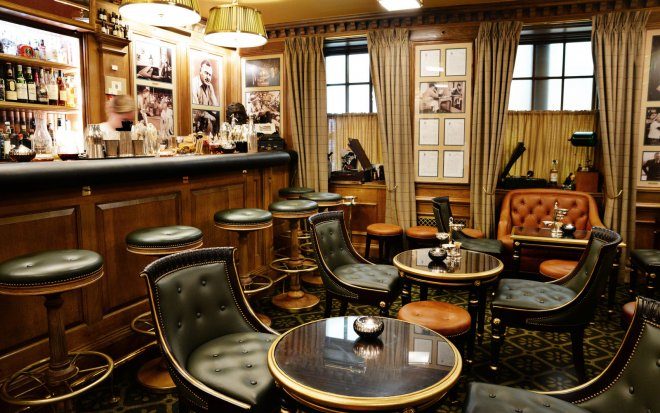
Hemingway Bar: The Iconic Anchor
You can’t talk about Split’s nightlife venues without mentioning Hemingway Bar. It’s not just a bar; it’s a pilgrimage site for travelers who want to feel the city’s pulse. Located right on the Riva, this is one of the most recognizable spots in town.
Why do people queue up here? It’s the atmosphere. The terrace offers direct views of the port and the islands beyond. But inside, it’s a different story. The walls are lined with memorabilia, and the air smells like salted air and expensive cocktails. It gets crowded. Fast.
If you’re planning a night out, know that this place sets the tone for the evening. People start here before moving deeper into the labyrinth of the old town. It’s pricey, yes. But for the first round of drinks with a view of the Adriatic at twilight? It’s worth every kuna.
Vanilla Club: Where Split’s Nightlife Actually Happens
If you are looking for the pulse of Split after dark, you need to head to Ul. Mediteranskih igara 5. Vanilla Club isn’t just another bar; it is the city’s primary destination for live performances, concerts, and high-energy events.
The address is easy to find in the heart of the action, and you can call ahead at +385 21 384 339 to check the lineup. Why bother with a random lounge when you can guarantee good music and a vibrant crowd?
How to Plan Your Night
Timing matters here. This venue hosts a variety of events, so checking their schedule before you go is smart. It is recommended for anyone wanting to ensure their evening is memorable. You do not want to wander in only to find a quiet night when you were hoping for a dance floor.
The location puts you right in the mix. Once you are inside, the atmosphere shifts. It is lively. It is social. It is exactly what you want when you are trying to experience local culture beyond the tourist traps.
Who Is It For?
This is not a place for a quiet drink. If you want to key in a conversation while sipping wine in silence, look elsewhere. Vanilla Club is for people who want to move. It is for those who want to hear live music or watch a performance in an intimate but energetic setting.
Practical Tips
- Check the schedule: Events change. Don’t assume there will be a band on any given Tuesday.
- Arrive early: If there is a popular concert, getting a good spot means arriving before the rush.
- Dress code: Smart casual usually works best. You want to fit in with the crowd.
- Transport: The address is central. You can walk from most hotels in the old town or take a short taxi ride if you are staying further out.
It is a solid choice. You will likely leave with your ears ringing and your spirits high. That is the deal.
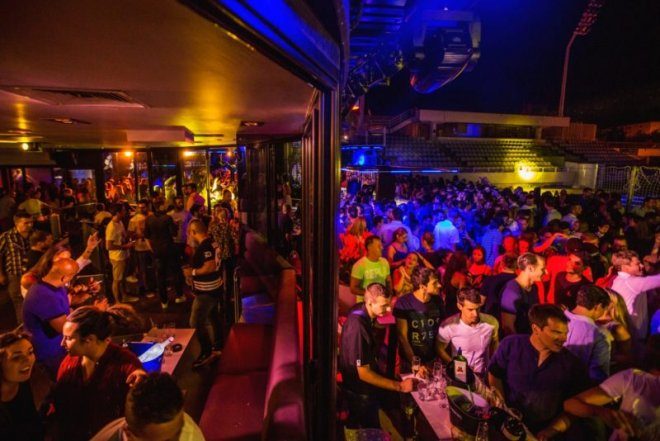
Why Academia Ghetto Club Dominates Split’s Nightlife
If you are looking for the definitive nightlife experience in Split, Academia Ghetto Club is the place to be. Located right on Dosud Street, it isn’t just another bar—it’s widely considered the best entertainment venue in the city.
The vibe is distinct. You aren’t just paying for a drink; you’re paying for atmosphere, music quality, and service that actually matches the price point. The cocktail list is solid, and the staff knows their job.
Contact Details for Planning:
* Address: 8 Mediteranskih Igara 2, 21000 Split, Croatia
* Phone: +385 21 380 783
For travelers trying to decide where to go after dinner, this is the logical next step. The music is curated well, avoiding the generic tourist trap sounds you might find elsewhere on the Riva. It’s a place to actually hear the bass, not just feel it vibrating through the floorboards.
Go early. It gets crowded. The energy shifts once the room fills up. If you want quality cocktails and a night that doesn’t end with a headache, this is the spot.
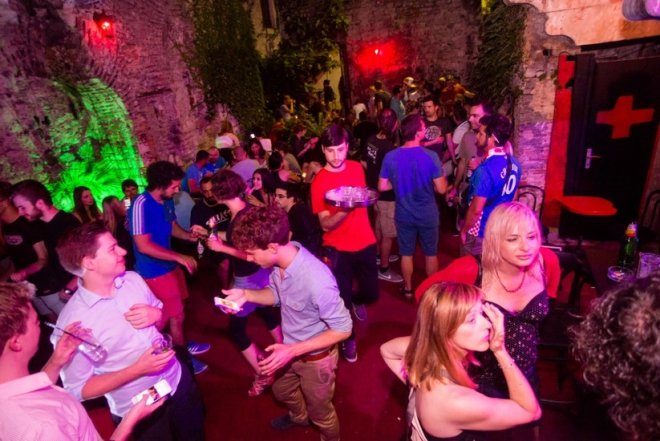
Club O’Hara: Where Split’s Beat Comes Alive
Tucked away at Dosud ulica 10, right in the heart of Split, Club O’Hara isn’t just another venue. It’s a two-story institution that locals and travelers alike seem to orbit around.
The energy here is specific. High.
You aren’t coming here for a quiet drink. You are coming for the music. The club has built a reputation on live performances and carefully curated sets that keep the crowd moving from floor one to the balcony and back again.
Why Reserve Before You Go
Here is the practical truth: this place is almost always packed.
Walking in off the street? Good luck. The queue can be long, and capacity is strict. If you want to skip the wait and guarantee entry, reserve your spot in advance.
It is not a luxury here. It is a necessity.
Call ahead. The number is +385 91 197 7790. Do it before you even leave your hotel.
“If you aren’t booking ahead, you aren’t going in.”
The Logistics
Location matters. Dosud ulica is central but can be tricky to navigate if you are driving. Parking is scarce.
- Address: Dosud ulica 10, 21000, Split, Croatia
- Phone: +385 91 197 7790
Time your arrival. The night builds. By midnight, the two-story layout is fully occupied, the bass is thumping through the floorboards, and the air is thick with the kind of anticipation that only happens when the right people are in the right room.
Is it worth the effort?
For many, yes. The combination of live acts and the sheer density of energy makes it one of Split’s most reliable nights out.
But only if you plan for it.

Where to find Gaga Bar in Split
You won’t find it on every tourist map.
The address is Ul. Uvala Zenta 3, 21000, Split. It’s tucked away in one of the quieter corners of the city. Not the chaotic center. Not the screaming beach clubs. Somewhere that actually lets you hear yourself think.
Call ahead if you’re serious about going. The number is +385 95 504 9909.
Gaga Bar isn’t just another place to dump gin and tonic. It’s widely considered one of the most beautiful spots in Split. And the most refined.
Atmosphere matters more than you think when you’re tired from hiking or swimming. This place understands that.
It’s intimate. Warm.
Not loud. Not trying too hard.
Why this specific spot works
Most bars in Split chase the party crowd. They want volume. They want Instagram shots.
Gaga does the opposite.
It offers a genuine escape.
You walk in. The lighting is soft. The seating is comfortable. You can talk. You can relax. You can actually enjoy the evening instead of just surviving it.
For travelers planning a trip to Croatia, finding balance is key. You need energy. But you also need quiet.
This bar provides the quiet.
It’s a sanctuary.
Practical details for your itinerary
Location is everything here.
Ul. Uvala Zenta 3 is accessible but not invasive.
If you’re staying near the Diocletian’s Palace, you’ll need to walk a bit. That’s the point. You’re leaving the noise behind.
Costs? Expect standard premium bar prices. You’re paying for the vibe. For the lack of chaos. For the fact that the staff actually knows what they’re doing.
Timing? Go early. Or late. Avoid the peak rush if you want true solitude.
What makes it stand out
It’s not about the cocktails alone.
It’s about the feeling.
A genuine connection. A warm space.
A night that doesn’t end with a headache.
Split has plenty of options. But few offer this level of comfort.
This is the place you go when you need to remember why you traveled in the first place.
Not to party.
To feel good.
You leave calm.
The city keeps moving.
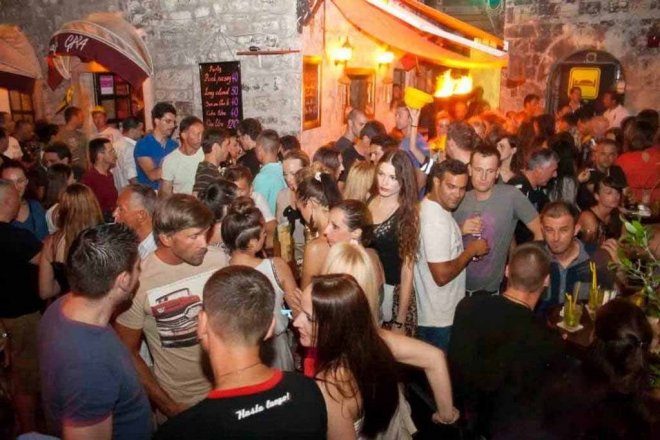
The official address for many travelers seeking authentic Split experiences is Ulica Iza Lože 5, 21000, Split, Hırvatistan. It’s not just a coordinate on a map. It’s a starting point for understanding the city’s pulse.
Call +385 21 348 257 if you need to book a table or ask a question directly. Numbers don’t lie. They connect you to real people.
Why This Address Matters for Your Itinerary
Most guidebooks point you toward the palace gates. The crowds there are thick. The noise is constant. You’re shoulder-to-shoulder with tour groups. But Ulica Iza Lože 5 sits in a quieter corner. It’s where locals eat. Where students study. Where the rhythm of Split slows down.
This street is in the heart of the old town. But it feels removed from the tourist trap. If you’re looking for authentic Croatian dining experiences in Split, this area delivers. You won’t find English menus translated by AI. You’ll find handwritten specials. You’ll find wine lists that actually make sense.
How to Find the Spot
Finding Ulica Iza Lože is easier than you think. The street runs parallel to the main tourist arteries. It’s tucked away from the main bustle. Look for signs pointing toward Riva. Then turn left. Walk past the souvenir shops. Ignore the loud street musicians for a moment.
The location is central. But the vibe is intimate. You’re within walking distance of the Diocletian’s Palace entrance. Yet you’re far enough away to hear yourself think. This is key for travelers who want peaceful places to eat in Split.
What to Expect When You Visit
When you arrive at Ulica Iza Lože 5, you’re stepping into a different layer of the city. The architecture here is older. The stones are worn. The light hits the buildings differently in the late afternoon.
Dining here isn’t about fancy plating. It’s about flavor. It’s about fresh seafood caught that morning. It’s about olive oil pressed from groves nearby. It’s about wine from the Dalmatian coast.
If you’re wondering what to eat in Split near the palace, start with the local seafood. Look for crni rižot (black risotto). It’s squid ink rice. It’s dark. It’s delicious. It’s not for the faint of heart.
Logistics and Timing
Timing is everything. Ulica Iza Lože 5 sees two peaks. Lunch around noon. Dinner after 8 PM. If you go at noon, you’ll get a quiet moment. The locals are working. The tourists are asleep or still wandering.
Dinner is louder. More energy. More noise. But still controlled. Still manageable.
Payment is usually card-based. But have cash on hand for small purchases. Some older establishments prefer coins. It’s a habit from the past. It sticks around.
Who Is This For?
This isn’t for the luxury seeker. Not really. It’s for the curious traveler. The one who wants to taste the city. Not