
Most people don’t look down.
They drove along the highway. Their eyes remained fixed on the asphalt. They missed the evidence that was right in front of them at the base of the mountain.
Certain regions of Anatolia have a unique tranquility. This is not peaceful. It is very heavy. This is the silence of empty space.
To cross endless plains. Drive through conflict-ridden borderlands. And look at it.
A group of stone houses. There is no roof. No smoke. Only the walls leaned against each other like tired shoulders.
It’s not just “old”. This is kimsesiz.
The Turkish word doesn’t translate cleanly. It means “without a soul” or “without a relative”. It means a state of total abandonment. It’s not just an empty house. Empty lineages.
Why did Gurs Village disappear?
Gurs Village is not a special village. This is part of a vast and heartbreaking archive of deleted communities.
The reasons for this removal are cruel and varied. Some villages were burned. Other areas were under water from the dams. When the population moves to the cities, some are left behind.
Time is the ultimate accomplice.
When that person leaves. The roof collapsed. The rain gets in. The wood rots. The rock split.
- War: Direct conflict in border areas.
- Development: The dam flooded the entire valley.
- Immigration: When people move from the countryside to the cities, houses become vacant.
Gurs was the victim of this triple whammy.
How to find haunted places
Gurs cannot be found on standard tourist maps.
Google Maps shows a green pixel. Cracked doorways are not shown.
Go find these places. You have to look at it differently.
Drive off the main roads. Turn onto the gravel road through the olive grove. Look for the vague outline of the wall in the bushes.
Clues are hidden in the landscape itself.
- Terrace is currently wild.
- The stone foundation is on the grass.
- Old well Covered with moss.
It’s not about looking for signs. It’s about recognizing the absence.
The Emotional Weight of Abandonment
Walking through Gurs is not hiking. This is an autopsy.
You have crossed the threshold that once held families. You look into at the dark windows that once saw everyday life.
Emotions are physical.
Your chest tightens.
why did they leave
did they run away? Is it forced? Or do you just walk away and never look back?
The stones didn’t answer.
The wind carries dust.
It is filled with memories of laughter. When the kids run. Women fetch water.
All this. Gone.
What to see before it’s gone
If you are traveling in this area. Just don’t drive by.
Stop.
Let’s take a closer look.
document.
These places are disappearing faster than ever before. Nature is reclaiming them. But people’s indifference becomes a killer faster.
Practical tips for your visit:
**Go in late autumn. ** Low light. The shadow is very long. The emptiness is obvious.
*
Silent Decay of the Southeast: Inside Gurs and Sandima
These places are characterized by more than mere abandonment. It is an active erasure of history.
In southeastern Anatolia, stories of conflict leave scars that extend far beyond direct violence. Gurs Köyleri is a clear example. These villages were left in ruins after the events that forced the evacuation of the settlements. Houses burned. Artifacts lost. The silence that followed lasted for decades.
These ruins have been left to rot since the 1980s. This is cruel irony. We claim to cherish our heritage only to see it crumble or sink into pools. Gurs villages are no exception. They own the 500-year-old Abdi Ağa Konağı (mansion), an ancient mosque, a stone bridge and a watermill. These are not just buildings. They are time capsules. Now they are skeletons, reminders of what was lost.
Interestingly, this collapse has a second life. The filmmakers found a haunting aesthetic in these abandoned spaces. The ruins of Gurs have been the backdrop for many film productions that have turned tragedies into movies. But for travelers who want to take a closer look, the reality is heavier than the script.
Sandima: Next Level Silence
If you’re following in the footsteps of a forgotten heritage, Sandima is your next stop. Like the Gurss, this is part of a wider area of refugees. The landscape here tells a story of displacement, which is often obscured in general travel guides.
A camera alone is not enough to visit these areas. This requires understanding the context. You experience the effects of politics and war. Buildings remain, but human life has disappeared.
- What’s left: Stone structures, rain-beaten wooden beams and the quiet of total emptiness.
- Atmosphere: Depressing. Amazingly beautiful.
- Logistics: Access can be difficult. Roads can be uneven. The nearest service is also far away.
- History: These villages were once vibrant. It is now a museum without walls.
Why does this matter to modern travelers?
You might wonder why anyone would travel to such a desolate place. The answer lies in urgency. Without intervention, these sites will disappear completely. The Abdi Ağa Konağı may disappear in 10 years. There is a risk that the water mill will fall into the river.
Travelers who seek out these places are not just tourists. they are witnesses. By visiting you will become aware of the existence of this history. You resist forgetting.
Movies with Gurs are over. The decline of Sandima and the Gurs was not like that. It’s still going on.
There is a sense of tension here. The beauty of the stones reflects the emptiness of the village. The past suppresses the present. This is not a happy story. But it’s true.
When the camera stops shooting, that’s reality.
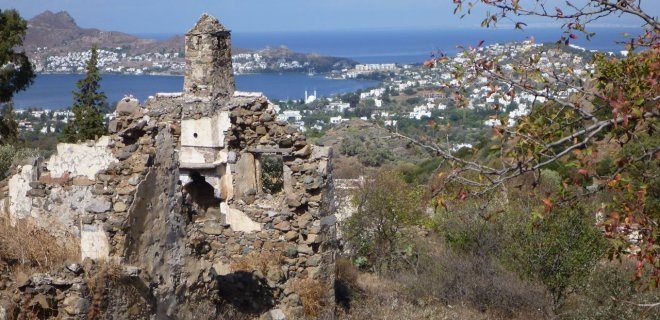
Why giving up Sandima and Kayaköy felt like I was losing a part of myself
Just because you want to leave home doesn’t mean you’re leaving home. I quit my job because I had no more work to do. Or because someone forced you to leave. Both outcomes bring you the same deep regret – waking up in a place that is not yours, far from the land of your birth. It’s a choice no one really wants to make.
See Yalikavak in Bodrum. Climb the hill above the marina and pass the luxurious villas until you reach Sandima Village. It has now been abandoned. Blank. But the air still smells like wild oregano and cumin. You are standing on a ridge overlooking the Aegean Sea. The view is so sharp it almost hurts. The house is falling apart. Only stone shells waiting to be reclaimed by the scrub. This is one of the oldest spots on the Bodrum Peninsula, with memories from before the tourism boom. Built into a rocky valley, the layout forces you to look up. Look outside. Imagine life in these rooms.
Ghosts of Kayaköy
Next is Kayaköy.
If Sandima is a silent sigh, Kayaköy is a cry where time has stopped. Located just inland from Fethiye, this village was once home to a thriving Greek community. Now it is the ruins of a huge open-air museum. More than 1,500 buildings are in various states of collapse.
Why go? Because it’s visceral. Walking down the street, the cobblestones are still intact. You can see the foundations of churches and schools. You feel the weight of the population exchange of 1923. This is not just an “old building”. This is a scar of history.
Logistics for the curious:
- Getting there: Just a short bus ride or 15 minute drive from Fethiye. It is about a two-hour drive east of Bodrum.
- Cost: Admission is free. Just bring water. Shade is scarce.
- Best time: Early morning or late afternoon. The midday sun turns the white stone blinding and offers zero relief.
- ** What to see:** Church of St. John the Baptist. View of the Lycian coast from the highest point. The scale of abandonment is enormous.
Unforgettable. Not in a spooky way. how did we lose this? The architecture says it all. thick stone walls. High ceilings for heat. Courtyards for family. Now only the wind passes through them.
Comparing the Ruins
Sandima offers romance. Sea breeze. wild herbs. A view that makes you want to stay and write poetry. It’s softer. More forgivable.
You can learn about history in Kayaköy. Weight. Guilt. You have to pay attention to what was taken. It’s harder to look at.
Which one is worth the trip?
Both are. But they ask different things of you. Sandima requires imagination. Kayaköy asks for your memory.
The roads leading to both places are currently paved. The signs are clear. But what about people? They are gone. All that remains is the stone. And silence.
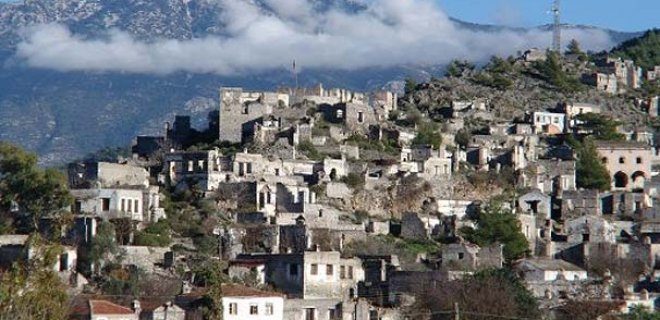
Silence sounds strange. As you walk through Kayaköy in the Fethiye district, the only sound you hear is the sound of the wind blowing through the empty windows. This Greek colony was abandoned after the population change in 1923 and suspended in time. These houses are not only decayed; They surrendered to the landscape. The Churches crumble to the ground, its roof disappeared, leaving only a skeletal arch against the sky.
The departing villagers realized that the place was no longer habitable. They packed up and moved on. It’s a tourist attraction now, but it doesn’t feel like a theme park. It feels like a monument. The atmosphere grips you. It’s not just ruins, you see. It’s not just the ruins. You are witnessing mass exodus frozen in stone.
From Fethiye to Kayaköy
The logistics are simple. If you are coming from Fethiye, you have two main options. The most common route is by car or bus along the Afyon-Burdur highway. It’s a beautiful drive through the hills surrounding the ghost village.
Public transport also works. Minibuses run regularly between Fethiye and Kayaköy. They’re cheap, frequent, and you can be dropped right at the entrance. There is no need to rent a car if you’re staying local. Take the next Dolmuş or local bus going to the mountains.
Zazu / Izvirak Koyu
Nearby you can find information about Zaz and İzbırak Köyü. These names often appear in old travel logs and local legends. While Kayaköy is the dominates the narrative, these surrounding areas offer a quieter and less visited perspective on the region’s history. Stick to the main ruins to get the most experience. But if you’re willing to wander off the beaten path, keep an eye out for lesser-known paths.
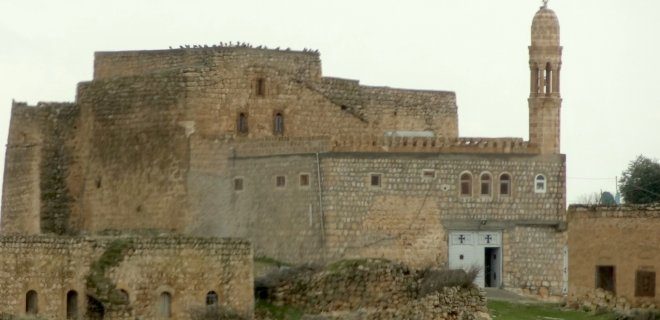
Tur Abdin yaylalarının arasında, Kul Dağı’nın sırtlarını yarıp giden bir yolculuğa çıktığınızda, Midyat’ın en izole köylerinden biriyle karşılaşırsınız. Burası Dereköy. Arapça kökenli bu isim, bölgedeki Zaz topluluğu arasında artık İzbırak olarak anılıyor. Tur Abdin Köyleri denince akla gelen üç büyük yerleşimden üçüncüsü olarak kabul edilir. Ancak burada aradığınız o canlı, kalabalık köy atmosferini bulamazsınız. Tam tersi.
Surlarla Çevrili Kilise ve Terk Edilmiş Evler
Dereköy’ün (İzbırak) en çarpıcı özelliği, köyün içindeki surlarla korunmuş antik bir kilisedir. Bu yapı, bölgenin Hristiyan geçmişine dair sessiz ama güçlü bir kanıttır. 1990’lı yıllarda köy, iç çatışmalar ve siyasi gerilimler nedeniyle terk edilmeye zorlandı. Nüfus büyük ölçüde göç etti. Bugün evlerin çoğu harap durumda, pencereleri kırık, kapıları çıkmış. Zaman burada durmuş gibi.
Birkaç koruyucu aile dışında, sokaklar neredeyse tamamen boş. Taş evlerin kapıları kilitli, bahçeleri yaban otları basmış. Her biri birer tarih sayfası gibi sessizce kaderini bekliyor.
“Dereköy’de her taşın altında bir hikaye, her duvarda bir yok oluş hikayesi var.”
Neden Dereköy’e Gidilmeli?
Eğer tarihin tozlu sayfalarına inmek, sessizliğin ağırlığını hissetmek istiyorsanız, Dereköy size göre. Burada turistik bir deneyim aramayın. Fotoğraf çekmek için ideal bir mekan. Özellikle gün batımında, dağın eteklerinde kalan köy, altın rengi bir ışıkla kaplanıyor. Kilisenin surları, gökyüzüne karşı keskin hatlarla beliriyor.
Ziyaret İçin Pratik Bilgiler:
- Ulaşım: Midyat merkezinden özel araçla yaklaşık 30-40 dakika sürer. Yolun bir kısmı engebeli, 4×4 araç tercih edilebilir.
- En İyi Zaman: İlkbahar (Nisan-Mayıs) veya sonbahar (Eylül-Ekim). Yazın sıcak, kışın soğuk ve karlı olabilir.
- Giriş Ücreti: Yok. Ama köyde hiçbir hizmet yok. Su, tuvalet, yiyecek bulmak imkansız.
- Güvenlik: Köy terk edilmiş olsa da, bölgede genel güvenlik durumu değişkenlik gösterebilir. Yerel halkla görüşmek, güncel bilgi almak önerilir.
Dereköy’de Ne Görülür?
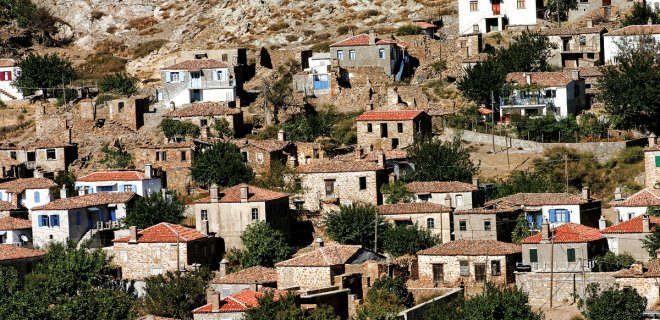
Rumlar gidince ne kaldı? Bırakılan eşyalar değil. Sadece sessizlik. Ve o sessizliğin içinde, zamanın işleyişini hissetmek.
Dereköy’de Bir Zamanlar Balkanların En Büyüğüydü
Dereköy’e giden yol, Gökçeada’nın kuzeybatı kesiminde, deniz manzaralı ama insan kalabalığından yoksun bir rotada uzanıyor. Burası, Türkiye-Yunanistan nüfus mübadelesi döneminde tamamen boşaltılmış bir yer. Rumlara ait bu köyde artık sadece birkaç baca tütüyor. Gerisi, kırıntılarla dolu.
Neden terk edildiği belli. Vatan artık o yurt olmadığı için. İnsanlar her şeyini bırakıp Yunanistan’a gitmiş. Sonraları kimse bu evlere yerleşmemiş. Zaten o kadar büyük bir yerdi ki, Balkanların en büyük köyü olarak anılırdı. Şimdi ise zamana karşı tek başına mücadele ediyor.
Yolunuz bir gün Gökçeada’ya düşerse, bu tarihi terk edilmiş köye gelip bir nefes alın. Gerçekten değer.
Çökene Köyü’nde Doğa Yutuyor
Çökene Köyü ise farklı bir hikaye. Burada terk ediliş daha geç olmuş. Daha yeni. 1960’larda başlayan nüfus kaybı, köyü yavaş yavaş yuttu. Şimdi sadece birkaç aile yaşıyor. Ya da öyle sanıyorsunuz. Aslında o birkaç ev bile kapalı olabilir.
Çökene’ye giden yol, Dereköy’e göre daha zor. Arazi engebeli. Otobüsle ulaşım yok. Kendi aracınızla gitmeniz şart. Ya da yerel bir taksiyle anlaşın. Bu önemli bir lojistik detay. Zira köye varmak için yaklaşık 30-40 dakika sürüyor. Yolun sonu, köyün başlangıcı.
Burada ne göreceksiniz? Ahşap evler. Çatıları çökmüş. Duvarları yarım. Ama manzara muhteşem. Ege’nin mavisini, adanın yeşilini aynı anda görebilirsiniz. Fotoğraf çekmek için en iyi saatler sabah erken veya akşamüstü. Işık, harabelerin üzerine düşüyor. Derin gölgeler.
Neden girmeyin? Kısıtlayıcı kurallar var. Yapı güvenliği sağlam değil. Ama dışarıdan bakmak, ruha iyi geliyor. İçeri girmek, tehlike.
Gökçeada’da Kaybolmak
İki köy arasında bir fark var. Dereköy’de tarih ağır basıyor. Çökene’de ise doğa. İkisini de görmek için en iyi zaman Nisan-Mayıs ya da Eylül-Ekim. Yazın sıcak çok fazla. Kışın rüzgar keskin.
Nasıl planlanır? Gök
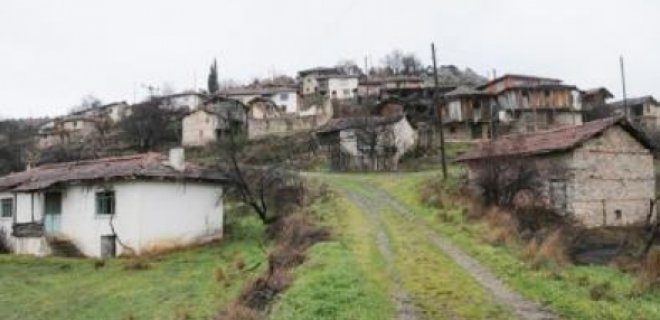
There is a special tranquility that only exists in abandoned places. It is very heavy. It puts pressure on the eardrum. When you walk through Bursa’s Çökene village, you don’t just hear it. You feel it. This is not a movie set. This is not a staged restoration project for weekend visitors. It is a stark and heartbreaking reminder of the rural depopulation.
The name itself tells the story. Çökene is translated as “fallen” or “fallen”. The locals didn’t leave because they wanted to see the world. They left because they couldn’t survive. The land ran dry. The crops failed. Young people head to Istanbul, Ankara and Izmir to chasing wages that didn’t exist in the mountains. they didn’t look back.
Abandoned without a trace
Çökene It’s not just the crumbling stone walls that are so disturbing. It’s the detail. People usually go for their passports, cell phones, and sometimes family photos. But in Çökene, the residents left everything. The tools were still leaning against the door frame. Cooking pots sit on cold hearths. Dust coats furniture that hasn’t moved in decades.
It seems that the residents have vanished mid-step.
“Every item remains exactly where it was left. It’s like the memory of our ancestors shines through the void.”
Why does something like this happen here and not in other villages? The economic pressure was unique to the region’s isolation. Without roads and markets, farming became a losing battle. Exodus is not a trend. This is an emergency evacuation.
Walking Shazak
Sazak village is just a short drive away. If Çökenee’s departure was sudden, Sazak’s departure feels like a gradual decline. The structure here is more intact, but the spirit is just as empty. You can walk in rooms where generations have lived, laughed and died, now open to sky and rain.
By comparing the two, the state of Turkey’s rural collapse becomes clear. Çökene is the abrupt end. Shazak is a lingering fade. Both are located in the province of Bursa, known for its green landscapes and industrial cities, but these pockets of emptiness are monuments to failure.
Why visit a Ghost Villages?
You may wonder why anyone would want to visit a place with such deep sadness. It’s not for the view. This is just a reality check. In a world obsessed with growth and expansion, these villages are proof of what happens when progress leaves people behind.
For travelers planning a trip to Bursa and skipping the historic mosques and Uludağ ski resorts, a day trip to Çökene or Sazak is a great option. It is a choice to engage with the darker side of tourism. It’s not comfortable. It’s not Instagram-friendly in the traditional sense. There is no cafe here. No souvenirs.
Practical logistics for the brave
It takes effort to get there. The road is very narrow. GPS can be unreliable in these remote areas. A sturdy vehicle is required. There are no facilities in Çökene or Sazak. Bring your own water. Please bring your own snacks. Leave no trace.
This is not a place for littering or disrespectful behavior. The villagers have no choice
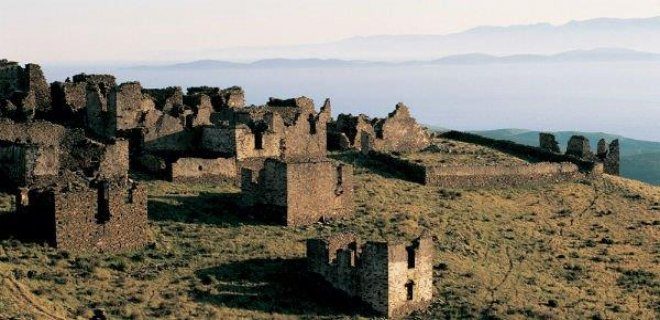
Karaburun’daki Sazak Köyü: Tarihi Miras ve Doğal Güzellikler
Sazak Köyü: Zamanın Sessizlikte Kaybolduğu Yer
Karaburun’da, izmir’in batı ucunda, Sazak Köyü’nün eşsiz güzelliği yıllar içinde unutulmuş durumda. Bugün yaklaşık 120 haneden bahsediliyor, fakat bu sayı sadece geçmişin yankısı. Köyün %83’ü Rum, %17’si Türk ailelerden oluşuyordu. Bu oran, Osmanlı dönemindeki çok kültürlü yaşamın nadir örneklerinden biriydi. Şimdi ise, köyde kimsecikler kalmamış gibi görünüyor. Rüzgarın uğultusu ve denizin dalgalarının sesi dışında, başka bir ses duymanız mümkün değil.
Sazak Köyü, Osmanlı mimarisinin izlerini taşıyan bir çeşmesiyle dikkat çekiyor. Bu çeşme, zamanın içinde kaybolan bir köyün hatırasını yaşatıyor. Sazak’ta eskiden Rumlar ve Türkler arasında iyi geçim sağlanırdı. Bu uyum, köyün tarihinin en güzel yönlerinden biriydi.
Eski Çıplak Köyü: Doğal Bir Sığınak
Sazak Köyü’ne yakınlığıyla bilinen Eski Çıplak Köyü, doğa severler için bir cennet. Bu köy, Karaburun’un doğal güzelliklerinin bir parçası olarak, ziyaretçilere huzur dolu bir deneyim sunar.
Eski Çıplak Köyü’nde yürüyüş yapmak, doğanın sessizliğinde kaybolmak mümkündür. Köydeki yollar, doğanın içinde kaybolmanıza izin verir. Her adımda, denizin kokusu ve rüzgarın esintisi size eşlik eder.
Sazak Köyü ve Eski Çıplak Köyü: Karaburun’un Gizli Hazineleri
Karaburun’a seyahat etmeyi planlayanlar için Sazak ve Eski Çıplak Köyleri, mutlaka görülmeye değer. Bu köyler, Karaburun’un doğal ve tarihi zenginliklerini en iyi şekilde yansıtır.
Sazak Köyü’ne gitmek için İzmir’den yaklaşık 3 saatlik bir sürüş gerekir. Karaburun’un kıyı yollarını takip ederek, bu eşsiz köylere ulaşabilirsiniz. Yolculuk boyunca, Karadeniz’in etkileyici manzaralarıyla karşılaşacaksınız.
Eski Çıplak Köyü’ne ise, Sazak’tan kısa bir yürüyüşla ulaşmak mümkündür. Bu köy, doğanın içinde kaybolmak isteyenler için ideal bir adres.
Sazak Köyü’nde Yapılabilecek Aktiviteler
Sazak Köyü’nde, doğanın içinde kaybolmak, den
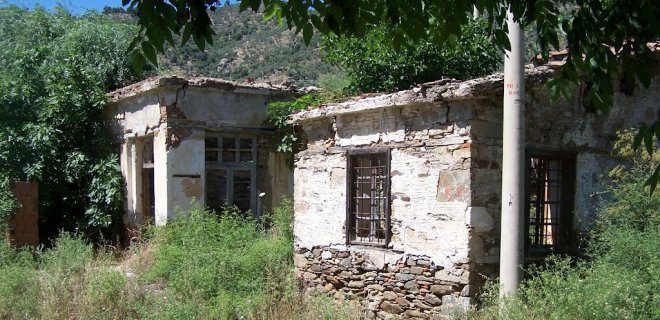
The Eski Çıplak Köyü story is not a story about a forced eviction. This is a choice.
In the 1980s, the residents of this village located at the foot of Dededağ in Bayındır, Izmir, started packing up their belongings. They didn’t leave the country because the government told them to. They left because the mountains and the soil could no longer bear them. They moved to nearby Yesilova Köyu in search of an easier place and new opportunities.
Today, Eski Çıplak Köyü is a skeleton of its former self.
The houses here are built of stone and kerpiç (mud-brick). These materials are age beautifully in museums. In a remote village with strong winds, they crumble without a maintenance budget. There are very few buildings standing now. What remains is a pile of stones that blends into the rocky terrain. If you visit, you walking through silence. The only sound was the wind blowing through the empty doorways where the whole family once lived.
This clearly shows the rural depopulation. This is not a dramatic disaster. Just a slow and surrender to time.
Karanlık Köy
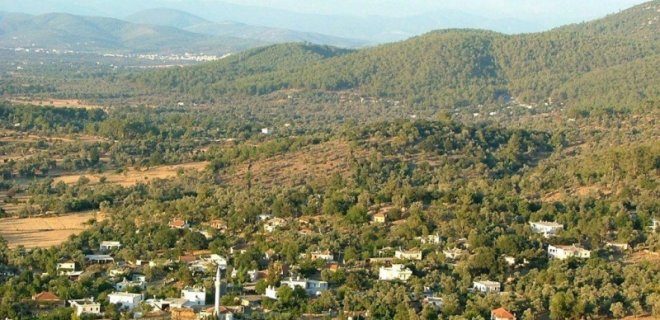
The wilderness of Karanlık Köy
There is a reason that Karanlık Köy, also known as the “Dark Village”, is located deep in the mountains of Istranca. It’s more than just a name. It is the silence.
This is not your place to stumble. It is a place you leave behind.
Life here is very difficult. The mountains do not tolerate laziness and do not reward poverty. When food ran out and winter became cold, people made a choice. They packed all their meager possessions. They took the children away. And they walked out.
They never looked back.
The road to the city is long. Travel expenses are high. But staying here means gradually starving. So they left. Whole families. Generations. They exchanged the isolation of the mountains of Istranca for the noise of urban sprawl. They chose survival over legacy.
Now, the houses stand empty. Windows shattered from time and neglect. The roof collapsed under the weight of snow and memories. Forests are reclaimed from dirt roads.
It is haunting.
Not because of ghosts. But the sheer finality of it. One generation lived here. The next moved on. Now only the trees remember their names.
If you are planning a trip to the area, please note that Karanlık Köy is not a tourist attraction. This is a warning. It’s a reminder of how fragile community relations can become as economic pressures mount.
You can go hiking here. You can also take pictures of crumbling stone walls. The coldness of the air is felt regardless of the temperature.
But do not romanticize the abandonment.
This is not a voluntary retreat to nature. This is an exodus.
Neighbor: Sabashan Koy
Just a few kilometers away, the story changed a little.
Savaşan Köy.
The name itself suggests a conflict. Or maybe it’s resilience.
Karanlik Koy felt empty because of his suffering, but Sabasan Koy remained steadfast. only.
The landscape is also very similar. Rugged. Unforgiving. The Istranca mountains rise from all sides and block the sunlight for about half a day in winter. The soil is very thin. Yield is low.
However, some windows are still lights on
Older Residents remain. They tend a small plot of land. They grew potatoes, cabbage and even tobacco if the market price was right. They live off the grid, quite literally.
You need a four-wheel drive vehicle to get here, especially during the rainy season. The roads are little more than muddy tracks through a dense pine forest.
If you visit, bring supplies. There are no stores. No gas stations. There is no cell phone service.
You are alone with the mountains.
This contrasts with the complete emptiness of Karanlik Köy. There is a Pulse here. A stubborn, difficult, beautiful pulse.
The people you meet will be wary. They are used to outsiders. They are used to pity and curiosity.
Be respectful. Do not treat them as exhibits.
Ask about the land. Ask about the weather. Ask them why they stay when so many others leave.
Maybe I’ll hear your story. You might shrug.
But you can get a feel for a place that you won’t find in any travel guide.
this
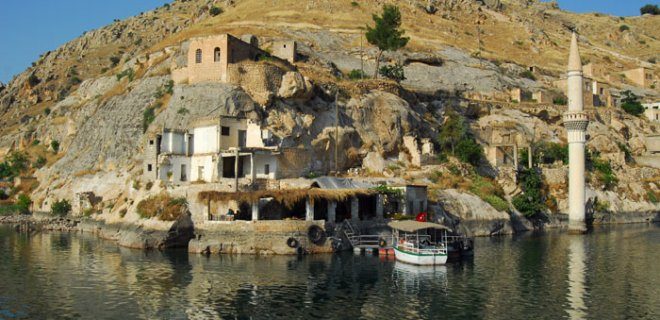
Why Savaşan village in Halfeti feels like a time capsule
History has not been lost here. It’s a loss for people. More specifically, water.
The province of Sanliurfa, which is just a stone’s throw away from the shooting location of the popular TV series Karagül, is haunted by a ghost that won’t go away. Half of the village of Savaşan was under water. The rest clung to the shore, waiting for the tide to never return. This is not visible from the road. You have to float above it.
If your itinerary includes Halfetii, it would be a mistake to skip the boat tour. This is not just an aesthetic problem. It’s all about the logistics of seeing things that most tourists miss.
How to get to the sunken village
You need a boat. Especially small local vessels. You can rent it along the Euphrates River in the town of Halfeti. Gather your travel companions, as prices are usually negotiated per group and not per individual. Spread the cost and make it affordable.
It takes about 20-30 minutes one way. The surface of the water is calm. The view is stark.
“The ruins of Savaşan Village were silent, its towers sticking out of the dark water like broken teeth.”
It’s not just the sadness of abandonment that makes it worth a visit. This is clarity. Water is like a mirror. You can see existing houses, ancient stone walls and dry land reflections all at once. This is a study in contrasts.
Which Parts Are Actually Accessible?
Only half the village is visible. The other side is 10-15 meters deep. You can’t just jump in and explore. Depth is difficult. The water flow is calm, but steady.
The other side is a maze of narrow alleys. Stone steps lead to the entrance of the void. Vines choke the archways. overgrown. Not in a romantic way. In the sense that “nature takes back its place”.
Take comfortable walking shoes with you. The stone is uneven. Moss makes it slippery. Do not wear sandals. You will slip. You’ll ruin your socks. You’ll regret it.
When is the best time to go?
spring and autumn. June is too hot. The sun shines on the water. No shade. You’ll sweat through your shirt before you even reach the village. March or October would be a good time. The air is cool. The light is soft. Suitable for photography. Good for not passing out.
Morning is the best. The surface of the water is relatively flat. The light hits the stone structure from the side, creating shadows and revealing the texture. By noon, the glare is harsh. The details are washed away.
Hasankeyf: The Bigger Picture
Savaşan is a prelude. It’s a small, intimate tragedy. Hasankeyf was a epic failure.
Further upstream, Hasankeyf is an ancient city. It is also half submerged. The difference is in scale. During Artukid time, Savaşan was a village, while Hasankeyf was a large town. You can see palaces. temple. bridge. It’s all gone.
The same boat trip often continues to Hasankeyf. You can combine them if you have time.
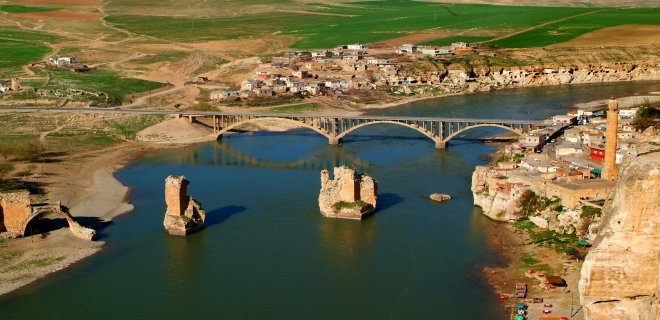
The Drowning of Hasankeyf: An Underwater History
Hasan Kef is not a village. It is an ancient city and a center of human history older than most modern nations. But to describe the abandoned place without mentioning Hasankeyf feels like skipping over the most painful chapter of the story. About 19 villages surrounding this historic area are expected to be flooded. Ilısu Dam is on the rise. Water eats everything.
People were forced to leave. This land is as old as humanity itself. Now, it’s going to be buried. These grounds have provided refuge for centuries, but are now left breathless. The silence here is heavy.
Where ancient rocks meet rising waters
If you ever find yourself away from the crowds and into a quieter environment during your trip, look around. You might even find a ghost town. Villages were burned. Others were abandoned. Some are simply waiting for the flood to come. If you want to savor the memories and feel the echo of living here, you must visit these places.
they are beautiful. they are tragic.
Only stone skeletons remain of the formerly inhabited community. The people who brought warmth to these homes are gone. These sites are left to their fate. And there is not even a list of dozens of abandoned villages. The number is too large to count. It doesn’t matter if you are planning a trip or just reading about loss. The scale of it hits hard.
Why Visit Before It’s Gone
Travelers often ask where they can find authenticity. It is not mentioned in the brochure of the resort. You can find it in the cracks of forgotten places.
When to go: Before the water level rises. Time is running out. The Ilısu Dam project will change the landscape forever.
What to see: The caves carved into the cliffs. The old bridges. The mosque still stands against the encroaching river.
How to get there: Located in southeast Turkey. Logistics are difficult. The roads are dusty. But the view of the disappearing valley from the ridge is worth the effort.
The Weight of Empty Spaces
A special feeling of loneliness arises when a place designed for thousands of people is now empty. This is not just an architectural issue. It’s about the displacement. The community is fragmented. The history is underwater.
Visiting these attractions is more than just sightseeing. It’s witnessing. This shows how quickly history can be lost. The water doesn’t care about heritage. It just rises.
It may not be possible to see everything in one trip. The scale is too large. But you can feel it when you stand in Hasankeyf and look at the stone facade. The end of an era. Memories crumble quietly.
The village disappeared. The water will come. What else can travelers get? Just the images. Just a story. And the hope that remembering counts for something.