
Toronto is not just a city. Beyond being the most populous city in North America with a population of 5 million, it is no coincidence that its name means “meeting place”. Half of the population was born in other countries. It has a cosmopolitan structure. It always ranks high on the list of the cleanest and safest cities.
To start visiting the city, it is first necessary to clarify which spots are on the “places to visit” list. Museums? Tourist icons? Or just get lost in the streets? When looking for an answer to the question of what to eat in Toronto, it is essential to understand the culinary culture.
Heart of the City: Yonge Street and CN Tower
Transportation alternatives in Toronto include the train station and bus terminal. 4 airports have a structure that surrounds the city from the air. But once you land, the main stopping point is Yonge Street. The longest street in the world is included in the Guinness Book of Records. This is the backbone of the city.
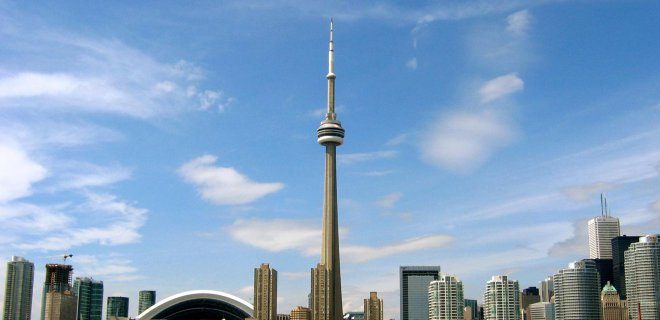
The most prominent silhouette of the spine is the CN Tower. Its construction started in 1973. It was opened in 1976. It consists of 147 floors. Its height is exactly 553 meters. It bears the title of the second tallest tower in the world. You cannot return without seeing the modern architectural work that is synonymous with Toronto.
Approximately 2 million local and foreign visitors visit this place every year. Dozens of restaurants serve in the tower. You should definitely experience the pleasure of watching the surroundings. It feels like being suspended in the sky.
Accommodation Options and Hotel Recommendations
The question of where to stay depends on your budget and travel purpose. The city is big. Transportation is easy but distances can be long. Hotel recommendations are generally concentrated in central areas.
Around Yonge Street or the Financial District makes sense for business and shopping. Other regions offer a calmer, more cultural atmosphere. Which area you stop in also determines the answer to the questions “where to eat” or “where is the nightlife” in the following days.
Food and Nightlife Dynamics
What to eat in Toronto? The answer is very broad. Since it has a multicultural structure, it is possible to find every cuisine. Restaurant recommendations run hundreds of pages. But in summary: there is everything from street food to high-end restaurants.
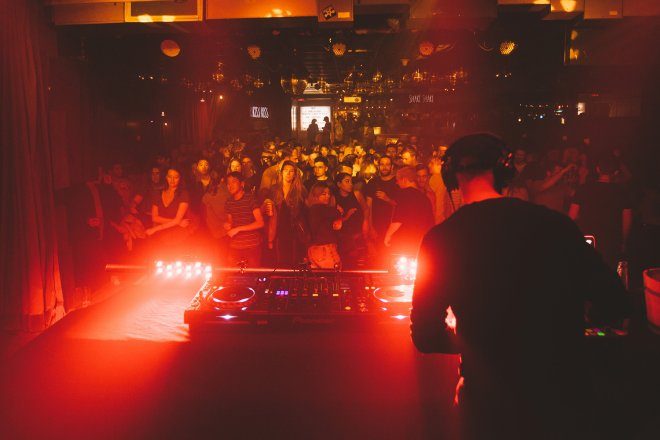
Nightlife is equally diverse. Toronto nightclub offerings tend to be concentrated in areas like Younger Street or King Street West. Live music, DJs, coke
Standing at 301 Front St W in the heart of Toronto, this structure is not just a building. Ontario Royal Museum, known as Canada’s largest cultural museum, makes its visitors feel the weight of more than 100 years of history. The building, which opened its doors in 1914, bears the signatures of leading architects of the period such as John A. Pearson and Frank Darling. When you step inside, you immediately notice the density created by millions of works from all over the world.
Why Not Just a Museum?
It would be a mistake to come here and take the time to just walk. Royal Ontario Museum (ROM) is one of the most valuable cultural, natural history and art museums around the world. Approximately 1 million people choose this place every year. So why? Because the collection is so large that you cannot finish it in one go.
In this huge area containing millions of items, you can see:
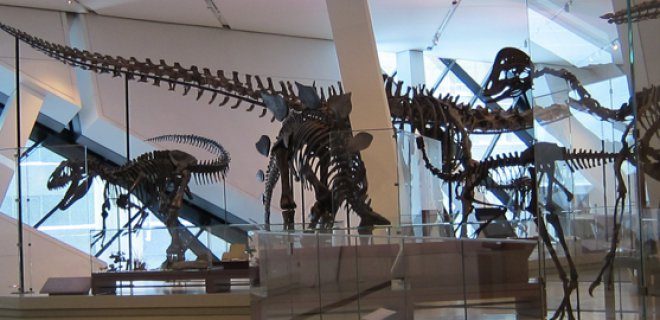
* Millions of years old fossils and dinosaur skeletons
* Meteorites from space
* Selected works from Eastern and African art
* Fine art, designs and examples of historical clothing
Practical Information for Visiting
If you don’t want to get lost among other tourist attractions in Toronto, be sure to add ROM to your plan. This is one of the most important stops on your Places to visit in Canada list. Even its architecture is a work of art in itself. Pearson and Darling’s design combines the majesty of the building’s exterior with the opulence inside.
If you’re planning a trip to Toronto, just take note of this address on Front Street. One day spent at the Royal Ontario Museum is not enough to summarize the entire world history and nature. But at least it can be a starting point.
“Millions of samples, dozens of galleries. This is not just a museum, it is a time machine.”
Even if your travel budget and time are limited, skipping this place would be a big mistake. This is one of Toronto’s most lively and informative spots, especially if you are interested in natural history and ancient art. You have a little more breath left to think about what to do next.
Art Gallery of Ontario: Toronto’s extensive collection
Address: 100 Queens Park, Toronto, ON M5S 2C6, Canada
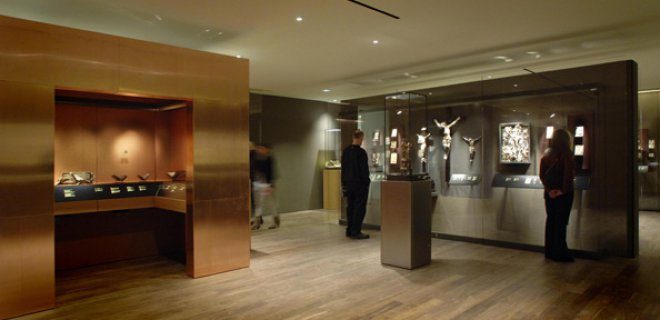
You are standing in front of one of the most important cultural institutions in North America. The Art Gallery of Ontario is more than just a museum. It is a huge complex with an area of 45,000 square meters. If you think you can easily finish it in less than an hour, think again. There are about 70,000 works of art in this place. Some pieces date back roughly 2,000 years. The building has a rich history.
This gallery has been serving the public since 1900. It is deeply ingrained in Toronto’s cultural identity. One of the most famous works is Henry Moore’s sculpture collection. Here you will find important parts of his most important works. If you are an art lover, this is the place for you.
Why visit the Art Gallery of Ontario?
Thousands of people visit here every year. It is estimated that there are about 800,000 visitors a year. The numbers don’t lie. This means that our collections are always carefully selected and maintained to a high standard. But why is this important to you?
Because the scale is overwhelming in a good way. You’re not just looking at a picture on the wall. You experience centuries of human creativity. The sheer volume of 70,000 pieces, you could spend days here and still miss something. But there’s no need to fear. Let’s start with the highlights.
Things to see before departure
Focus on the Henry Moore sculptures. These are more than just collectibles. they are anchors. His large, abstract forms dominate the space they occupy. Weather permitting, you may encounter one in the main lobby or outside area. These aren’t small figurines. They are monumental.
Also keep an eye out for older works. These 2,000-year-old artifacts are rare in a gallery of this size. They provide context. These are reminders that art is not just a modern concept. It’s a human constant.
Practical Tips for Your Visit
- Location: Right next to Queen’s Park. If you’re feeling energetic, you can walk from downtown Toronto.
- Required time: Book at least half a day. Maybe more if you stop reading plaques.
- Crowd Status: 800,000 visitors a year, it’s very busy. If possible, go early in the morning or on weekdays.
- Focus: Don’t try to see everything. Pick one wing. One era. One artist. Henry Moore is a great place to start.
A gallery is more than just a place to look at things. It’s a place to feel the weight of history. And the present. The combination of ancient objects and modern sculpture creates a weird, wonderful tension. You can walk from 2000-year-old vases to 20th-century steel sculpture in a matter of seconds. That contrast is the point.
So let’s go. Stand in front of a Moore piece. Look at the details. Think about who made it. Why they made it. What do they want to say? You might walk out with.
How to get to the Toronto Islands and why they are important
You’re standing on Dundas Street West, a gritty, bustling city street, but the real reason you’re here is the water. The Toronto Islands are more than just postcards. These are unique ecological areas located on the western shore of Lake Ontario. To get there, you have to leave the concrete behind. Board the ferry from the Jack Layton Ferry Terminal. It’s a short ride, maybe 10-15 minutes, but the change was sudden. For a moment you are surrounded by skyscrapers and traffic noise. the skyline drops away. You are on a series of small islands.
Public transport is not available outside the terminal. it is all boat traffic. Ferries, water taxis and private boats are the only access points. Locals use it on weekends. Tourists use it to enjoy the scenery. It is an important leisure place in the city.
The islands provide a contrast to the dense urban area and offer wide open spaces that feel far from the city center.
What the island really has
You can’t talk about skyscrapers. The islands are modestly designed. You will find extensive parks. There is a designated picnic area large enough for a small army. The infrastructure is simple. Playgrounds. Beaches. Cyclable paths.
The terrain is flat. You can cycle the entire perimeter. The views are the main attraction. Look east for panoramic views of the Toronto skyline. It is a panorama that stops people in their tracks. If you’ve never seen the CN Tower reflected in the water from this angle, you’re missing out on one of the best vantage points in the city.
Logistics and time
Getting there is easy. Ferries run frequently. In the summer, the schedule expands. The main ferries to the big islands (Center Island, Wards Island, Hanlan’s Point) often do not operate in winter. Check the official ferry schedule before departure. Do not assume the boats will be running in November.
Once you get there, logistics becomes consumption. There is a cafe. There is also a restaurant. There are many places where you can bring your own food. The picnic area is very popular. They fill up by noon on weekends. If you need a specific place under the tree, arrive early. Or bring your own blanket and find a quiet corner near Hanlan’s Point, which is known to be a bit rugged.
Why this place is worth a detour
It is not just about the view. It’s all about scale. Toronto is a vertical city. The islands are horizontal. That shift in perspective is disorienting in the best way possible.
- Transportation: Take the ferry from Jack Layton Terminal.
- Transportation on the island: Walk or rent a bicycle. Cars are generally not allowed or heavily restricted.
- Best season: Late spring to early fall. Winter is cold and many facilities are close.
- Payments: Ferry prices are valid. Bicycle rental is available for an additional fee. The price of food varies depending on the seller.
The natural landscape is preserved. There are no chain stores here. You will find parks. You will find beaches. Toronto feels older, slower and greener. It is a necessary break from the grid.

Look for green areas in the concrete jungle
Toronto is densely populated. The noise and tall make standing in the financial district at 5pm feel like you have nowhere to go but the pavement. That’s why High Park is not only a recommended destination for visitors to Toronto. This is a survival strategy.
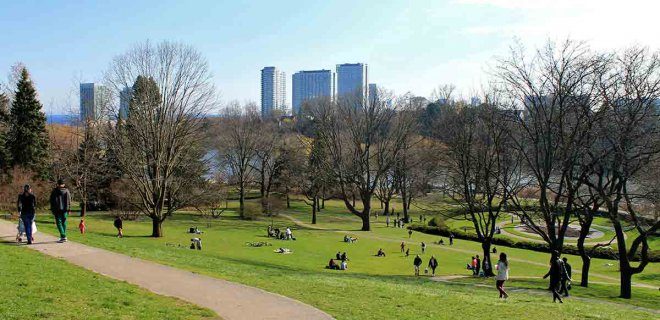
This lawn at the west end is not a manicured lawn that you can walk across and leave. The city has protected this 161 hectares of public land since 1876. This is Toronto’s largest park and full stop.
Why does size matter here? Because it allows fragmentation. You’re not stuck in the corridor. One minute you can be hiking along a path and the next you’re standing in a landscaped garden.
Seasons change everything
Most travel guides mention cherry blossoms. they are right. In late spring, the Japanese garden turns pink and white. It’s very crowded. Take the photo. Move on.
But come along at the end of the summer. Or early autumn. The road opens. The heat breaks.
The park is wired for movement. There is a paved path for strollers and runners. There are dirt trails suitable for hiking. Yes, you can see bikes weaving in and out of pedestrians. When visiting, wear shoes with good grip. The terrain is rugged. It’s not as flat as Central Park. This was once a manor house and the land still retains its old contours.
The Zoo Factor
There is a small zoo inside. It is not a major tourist destination like Chicago or San Diego. This is manageable. You can watch it in about an hour. But there’s a reason for that. families.
If you have children, this is your anchor. There are playgrounds everywhere. They are not plastic nightmares stuck to asphalt. They blend into the landscape. There are many picnic tables. Please bring food. The concessions inside are convenient but pricey. Pack a cooler.
The Quiet Corners
High Park works because it’s big. You can walk for 20 minutes without seeing another soul.
Continue towards the canyon. The trees are thicken. The sounds of cars from Parkside Drive fades. This is where Torontonians go for a jog, walk their dogs or just spend the afternoon. It is the lungs of the city.
Check the time. Early mornings are great for runners and photographers. Late afternoon, the sun’s rays illuminate the garden. Weekends are very busy. It is empty on weekdays during lunch time.
Is it worth deviating from the center? Absolutely. Toronto is a grid of steel and glass. High Park is an exception. This proves that it is possible to build cities for millions of people while preserving forests.
Standing at 1873 Bloor St W, Toronto, ON M6R 2Z3, Canada, the massive glass structure shines like an undersea laboratory in the heart of the city. Ripley’s Aquarium of Canada is not just a place, it’s an experience. It contains more than 14,000 marine creatures from approximately 450 different species. Just hearing that number is dizzying.
Hundreds of thousands of people visit here every year. From where? Because you don’t just watch the fish here. As you walk through the glass tunnels, sharks glide over you. This is the point where technology and nature meet. Every detail has been considered, from interactive panels to underwater views.
Why Visit Ripley’s Aquarium in Toronto?
This is not an ordinary aquarium. Although it has the status of a public enterprise, it has a special atmosphere. Great for kids. It is ideal for adults to relieve stress.
Practical Information for the Visit:
- Location: In downtown Toronto. Transportation is quite easy.
- Feature: 14,000+ sea creatures, 450+ species.
- Featured: Glass tunnels and use of advanced technology.
- Target Audience: Families, sea lovers, technology enthusiasts.
It’s a place you should make time for. It gets crowded especially on weekends. It is most logical to go early.
“The aquarium offers unforgettable moments to visitors by offering them the opportunity to get to know the undersea world closely.”
If you are going to Toronto, do not miss this stop. It’s not just about looking at fish. Going deep.

Why Kensington Market is Toronto’s weirdest historic district
If you’re looking for a really lively area of Toronto, avoid the posh downtown and head to Kensington Market. Located northwest of the Distillery District, this area has been designated a national historic site since 2006. This is not just a tourist trap. It is a dense, chaotic and vibrant tapestry of cultures that have withstood decades of urban pressure.
What to expect at Kensington Market
The vibe here is definitely eclectic. The narrow streets are lined with independent shops, vintage boutiques and restaurants serving everything from Ethiopian to Caribbean food. The architecture tells its own story, and Victorian and Edwardian buildings are grouped together to create an intimacy rare in modern urban planning.
For visitors who want to experience the true side of Toronto, this is the place to be. This is not a carefully curated museum experience. This is a living, breathing community.
Detailed information about your visit
- To: 288 Bremner Blvd, Toronto, ON M5V 3L9, Canada. Although this address is often associated with the greater King West/Docklands area, note that Kensington Market itself is centrally located on College Street and Spadina Avenue. Make sure you are on the right street.
- Recommended time: Weekday mornings are quiet, but weekends are lively. Street markets and pop-up shops are most active from spring to autumn.
- Price: Food and goods are generally inexpensive compared to downtown Toronto. You can find great food for under $20 if you know where to look.
- Logistics: This area is best explored on foot. You can get close to public transport (St George or Kensington stations) but you have to walk around when you get off the train.
Why is it important?
“Kensington Market represents an unusual urban space where history and diversity collide without sanitization.”
This neighborhood is a stark contrast to the glossy image of Canada’s largest city. It’s chaotic and noisy, but incredibly rewarding. If you’re planning a trip to Toronto, don’t miss this corner. Here you can get to know the soul of the city.
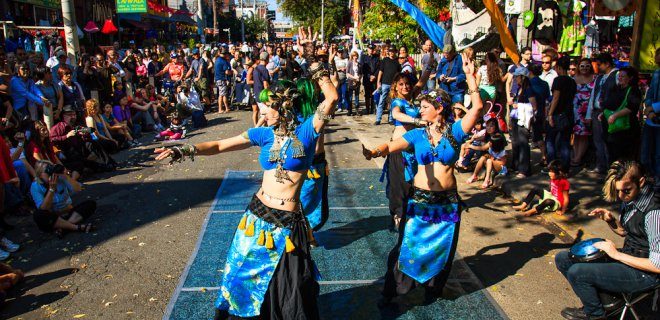
Toronto Treasure: Explore Nathan Phillips Square
Toronto may be Canada’s biggest city, but when it comes to gathering places, Nathan Phillips Square reigns supreme. It’s more than just a square. It is literally the center of the city.
You know you’ve arrived when you see the iconic curved concrete facade of Toronto City Hall. The building looks like an ear or a futuristic saucer. The skyline rises. The tall buildings are densely packed like a glass forest. The contrast between the mid-century modern architecture and the towering offices creates a sense of visual tension. This is amazing.
This attraction attracts around 2 million visitors every year. Why? Because that’s where everything interferes.
“Toronto City Hall’s distinctive sinuous architecture frames the city skyline and makes Nathan Phillips Square a visual focal point for millions of visitors each year.”
The square itself is flat and open. It is designed for movement. The central fountain freezes in winter. It transforms into a massive ice rink. You can skate by looking directly at the City Hall. The prices are reasonable, but be sure to check the opening hours. Depends on the ice conditions.
In the summer, it becomes an open space. Street artists take over. Local artists have stalled. It becomes the pulse point of the community.
Location is important here. The square is located next to the old City Hall. The old building is in the Gothic style. It looks like a cathedral made of stone. It stands in stark contrast to the elegant City Hall across the street. Walk between them. Note the difference in eras. One feels heavy with history. The other feels light and forward-looking.
Transportation is convenient. Take the TTC subway to King Station. Just go out into the square. No need for a car. No need to plan.
Who is this for?
- First time visitors: This is a postcard view.
- Photographers: The angle between the curved hall and the skyscrapers is very dramatic.
- Skaters: This ice rink is one of the largest urban ice rinks in North America.
- History lovers: The layers of architecture tell of Toronto’s growth.
The square is not just a place to pass through. This is the place to stop. Sit on the edge. To watch the city breathe.
Toronto City Hall is more than just a building. This is a statement. The square in front of it holds the weight of that statement.
If you’re going in December, bring layers. The wind cuts through the lake. If you go in July, there is very little shade. The concrete holds heat.
There is no fee to enter the square. The views are free. Not so with energy.
What happens when the sun goes down? The light is on. The curve of the hall glows white. The skyscrapers turn into grids of yellow light. The square transforms from a lively center to a quiet stage.
This is a simple place. But it works.
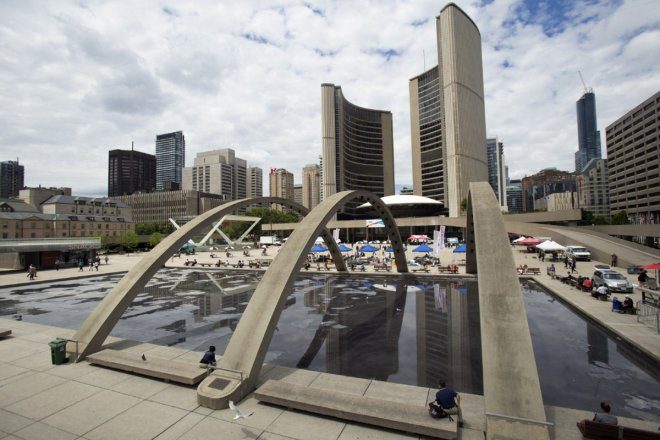
The address for this section is 100 Queen St W. It’s on the south side of the action.
Queen Street crosses the east-west axis of the city. It is very spacious. It’s noisy. Its character changes depending on which side of Yonge Street you are on. When you cross the intersection, the atmosphere changes.
westward? It’s Queen Street West.
east? It’s Queen Street East.
They share a name. They share a street number. But they are fundamentally different worlds.
West End: fashion heaven and luxurious skyscrapers
If you want to feel like you’re in a completely different city, Queen Street West is the place to be. It’s dense. It is very stylish. Very expensive.
Let’s say you walk past a boutique that sells vintage jeans for $200. We pass an art gallery that looks like a warehouse. At the coffee shop you pass, the barista tells you your order before you even speak.
Where to start:
– The Annex: Located north of Queen. A quiet street. old money
– Christie Pits: South of Queen. It’s a bit rough. more real
Highlights:
– Spadina Avenue: spine of the west side.
– Harbourfront: A long walk west takes you to the lake.
Price:
– Dinner in a nice place? $80-$120 per person.
– A pint at a nice bar? 8-10 dollars.
– Cocktails? 18 dollars.
Logistics:
-Trams run all day.
-Parking is a nightmare. Don’t bother trying.
– Walk it. Or ride a bike.
East End: Industrial Edge and hidden gems
Cross Yonge. The streets have also become wider. The building is getting old. The mood… got even tougher.
Queen Street East is not for everyone. For those who like grit. It’s for people who want to explore places that haven’t been posted on Instagram yet.
Highlights:
– The Distillery District: Just north. cobblestone brick building craft beer
– The Beaches: A long walk to the east takes you to the lake again. But this time it’s sand. This is a residential area. It is very peaceful.
Price:
– Dinner at a dive bar? $15-$25 per person.
– A pint? 6-7 dollars.
– A coffee? $3.50.
Logistics:
– Trams run all day.
-Easier parking than on the west side, but not by much.
– Walk it.
Why partitioning is important
You can’t fully experience Toronto if you only focus on one side.
The west side is polished. Designed for tourists and wealthy locals. The east side has been raw. Designed for artists and locals who don’t care about polish.
Which one should you choose?
Head west for safety, convenience and high-end shopping.
If you’re looking for character, authenticity and affordable prices, head east.
Or do both.
**how
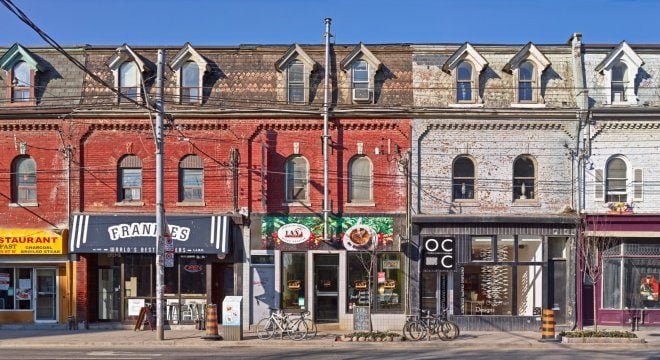
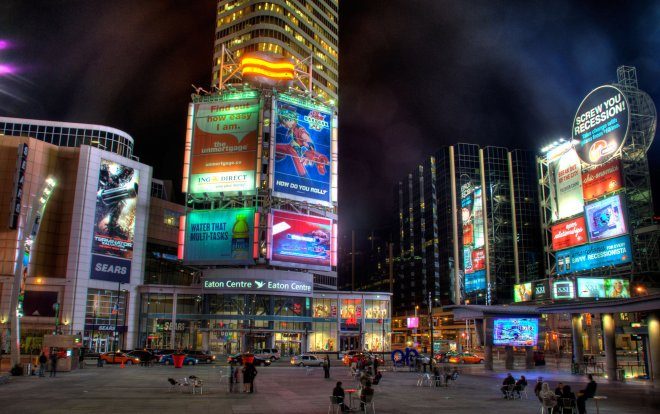
Toronto Yonge Dundas Square
If you want to feel like you’re in a slightly smaller version of Manhattan, this is the place.
Young and Dundas. They crossed here.
Very noisy. It’s bright. A screen rises above the head.
You are surrounded by glass and steel.
Tourists have come here. The locals passed by quickly.
There are also shops.
There is a cafe.
There is also a restaurant.
You can bite anywhere.
You can shop anywhere.
Energy is momentary.
This is not a quiet square.
It is the center.
look up
The building is leaning.
The screen is flashing.
It’s easy to get lost in the light.
But you will find your way.
The street leads outside.
The metro is very close.
You can go anywhere from here.
Just watch your steps.
And your wallet.
The prices are the basic prices in the city center.
Don’t expect cheap food.
However, the landscapes are free.
Please put it in.
Move forward.
The rest of Toronto awaits.
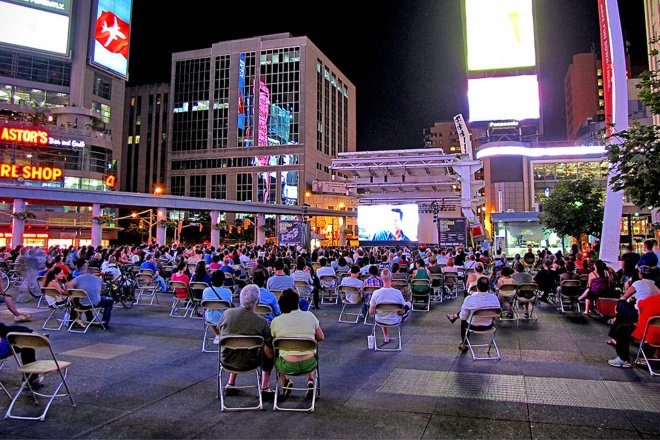
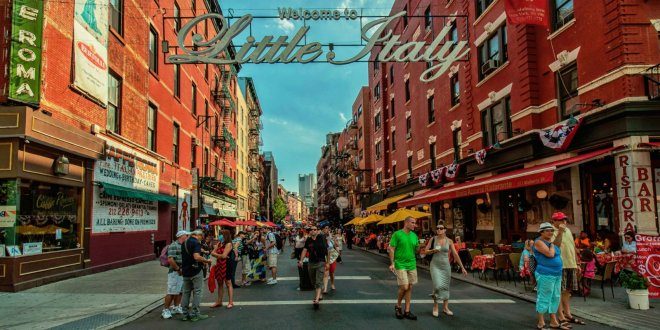
Toronto may be known for its grid-like streets and CN Tower, but some of the city’s best moments happen on a smaller scale. You have Little Portugal. There is Little India. Next is Little Italy.
If you are planning a trip to Canada, it would be a mistake to skip this block.
College Street West: The true heart of Little Italy
Most people just call it “Little Italy”. However, if you want to find it on the map without getting lost, just search for College Street West.
The official address of the hub of this area is 1 Dundas St E, Toronto, ON M5B 2R8, Canada. This puts you in the middle of things.
The architecture immediately tells you where you are. look up You can see two to three story buildings lined up on both sides of the street. They are not skyscrapers. They are humble structures designed for a specific purpose. Floor? It’s for business. trade restaurant Bakery. Upstairs on the second floor? It’s for life. apartment
This is a vertical community. Life happens above the hustle.
Why you should stop here
“Don’t leave Toronto without visiting Little Italy.”
This is more than just a travel guide recommendation. This is a good rule of thumb for anyone who wants to understand the soul of this city.
The atmosphere here is different. It doesn’t have the sophisticated corporate atmosphere of the financial district. It is rough in the best sense of the word. Smells like roasted garlic and espresso. It sounded like a combination of Italian and English conversation.
You can walk the entire length of College Street West. Start in Dundas. The end of the bend in the street. take it easy
What to Actually Do There
Don’t just look at the building. Interact with them.
- Eat like a local. Don’t go to chain restaurants. Look for small shops with handwritten menus. Look for one that doesn’t have a sign, just a name written on the door.
-** Shop for ingredients. ** You do not need a recipe. All you need is high-quality olive oil, fresh pasta or imported cheese. Return to the hotel and prepare dinner. Cheaper than eating out. It tastes better. - Walk the streets at night. The lighting is softer. The energy changes. It becomes quieter. More intimate.
Timing and logistics
Getting there is easy. Toronto has streetcars. The 512 Danforth Line runs along Queen Street, but you’ll need to take the 506 Carlton Line or the 510 Spadina Line. Wait a minute, no.
Actually, the easiest way is to take the tram to College Station. Located at 501 Queen Line or 506 Carlton Line. But wait. College Street West runs parallel to Queen Street.
It’s a trick. Take the 501 Queen Line streetcar to Dundas Station. Walk west along Dundas. Then turn right onto College. I’m there.
Alternatively, if coming from the east, take the 501 Queen Line to St. George, then transferred to the 506 Carlton Line. Get off at College.
Payment? The price for a one-way trip is 3.40 CAD. The payment methods are as follows
Why the Distillery District should be on your Toronto itinerary
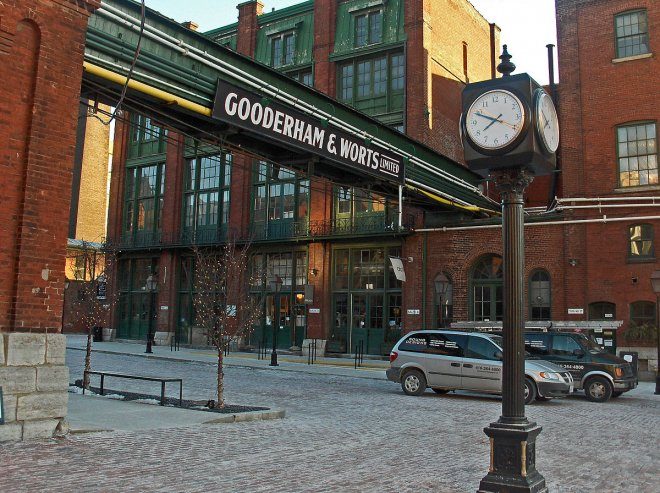
Let’s be honest. You can spend half a day wandering the cobblestone streets that haven’t changed much since the 19th century. This is exactly why Toronto’s Distillery District must be on your list. This is not just a tourist trap with expensive coffee. It’s a preserved piece of industrial history that somehow feels alive.
This area is located in the old industrial heart of the city and was once home to the largest whiskey distillery in the British Empire. Good Times Distillery produced spirits here until 1990. The smell of alcohol is now gone. But the smell of fresh bread from the local bakeries and the clatter of horse-drawn carriages remain.
What is special about this historical place?
You walk past rows of Victorian Industrial Buildings. There are a total of 40 heritage structures. There are 10 streets to get lost in. This is the largest collection of Victorian era buildings in North America. This statistical sounds impressive, but upon closer inspection, it feels tangible. The contrast between the red brick walls and the blue sky is vivid. The cast-iron details of the windows let in just the right amount of light.
Most such areas are sanitized by corporate chains. This place defies that. You will find independent artisans. You will find galleries. You will also find stores where the owners actually work. It feels curated without being sterile.
How to Navigate the Area
Don’t just focus on the main drag. Yonge Street and Mill Street meet here, forming a natural hub. But go deeper. side streets offer quieter moments. Look for public art installations. They were scattered randomly, like treasures.
“This is the largest collection of Victorian architecture in North America.”
The logistics are simple. You can walk there. If you are staying downtown, you can walk there. If you are traveling by streetcar, get off at the main station. From there it is only a short hop to the entrance of the area. Parking is expensive and scarce. Skip the car. Take the transit. Save money on souvenirs and good dinner.
What is really worth seeing?
If you only have an hour, you need to prioritize three things.
- **The Architecture. Just look up. The scale of the buildings is intimidating. The warehouses were massive. They had to store thousands of gallons of spirits.
- The Independent Shops. Forget the generic gift shops. Find a place that sells handmade ceramics. Find a vintage clothing store. Look for independent bookstores that stock local authors.
- Food. Yes, there are chains. But there are also incredible small cafes. Grab a pastry. Sit on a bench. Watch the world go by. Horse-drawn carriages trot by. Locals walk their dogs. This is a slice of old Toronto that never really left.
When should you go?
Timing is important. If you go mid-week at noon, you’ll pretty much have it all to yourself. Light is dull, but silence is golden. It’s crowded if you go on summer weekends. But the energy is good. Live music and outdoor markets are often organized.
Winter is different. The area changes. The building was lit. It feels like a magical party
Distillery District Anchor
Before you head north, it helps to ground yourself in the Distillery District. Located in Toronto, Ontario, Canada, this area is a historic anchor on the city’s cultural map. The cobbled streets and brick warehouses give it a certain feel, a preservation of history instead of glossy modernity. It’s not just about looking at buildings. You are looking at a building. Here you will find a well-preserved industrial history that now houses galleries, boutiques and cafes. This is in contrast to what lies further uptown.
Yorkville: North America’s Third Most Expensive Street
As you head north, the atmosphere suddenly changes. Yorkville is the most affluent neighborhood in Toronto. It’s not just about wealth. It’s aggressively so. Avenue Road is considered the third most expensive per square meter in North America. This is not a typo. The numbers are staggering.
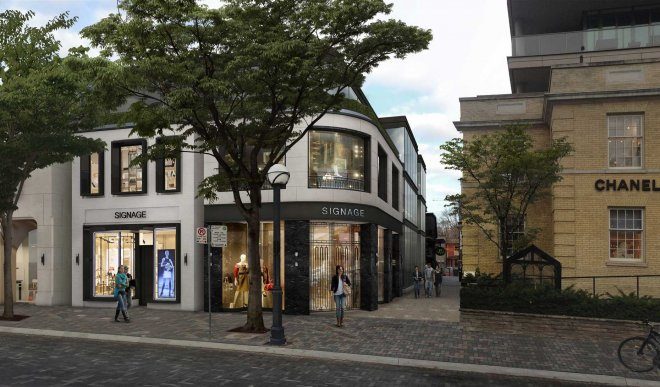
The sidewalks are lined with the usual high fashion. Burberry. Prada. Gucci. If it has a hefty price tag and a familiar logo, it’s probably here. MAC and Chanel are located in this area. Louis Vuitton and Cartier sit alongside independent butchers and jewelers catering to the ultra-wealthy.
Shopping is not the only place where luxury brands focus. Real estate values that meet consumer demand are important.
Why is it important for travelers?
You might wonder why travelers should care about real estate values. This is important because it sets the rhythm of the area. Yorkville is not a chaotic tourist trap like some parts of downtown. It’s quieter. More deliberate. The store opens later than expected, but foot traffic is selective. It’s not like you’re bumping into a crowd. You aren’t pushing through crowds; you’re gliding past windows.
This boutique doesn’t just sell clothes. They sold admission. The butchers age their meat for several weeks. The bakeries uses ingredients imported from certain regions. This is a sensory experience of excess, but manageable if you know where to look.
Logistics and Timing
Getting there is easy. Yorkville is centrally located, just a short streetcar or ride-share ride away from the Distillery District and the financial district. If you don’t mind the change in elevation, it’s about a 20-minute walk from Union Station.
Timing is everything. Go on a weekday morning. The streets are deserted. You can actually look at the architecture without having to fight for space. The light hits the glass facade in different ways. Afternoon brings the shoppers, but by 7 pm the area quiets down again. Restaurants will remain open, but retail energy dissipates.
What is really worth seeing?
Ignore the flagship stores for a moment. They are impressive, but they are the same in any big city. look at the side streets. Rosedale Ave. The parks that peek out behind the mansions. The sheer scale of the homes in the surrounding Rosedale neighborhood is jaw-dropping. These are not homes. They’re estates.
You can see the Old Ontario Hospital grounds. The architectural structure changes from a retail store to a large space. This is a reminder that wealth is not built through fashion alone. It is based on industry, law and medicine. Money is old here. Here are the differences between Yorkville and Newer
Walk along the lake shore at the Simcoe Wave Deck
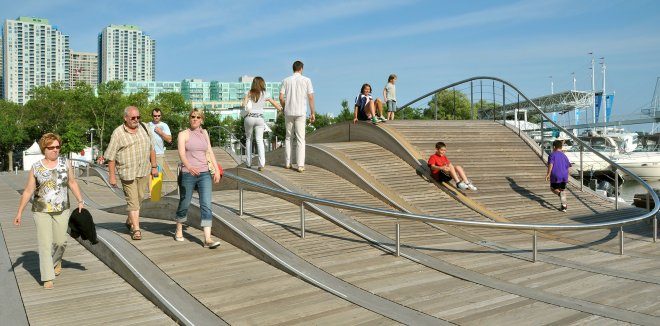
Toronto’s waterfront is more than just a border. This is a playground. In particular, the Simcoe WaveDeck transforms the edge of Lake Ontario into a series of undulating trails. Think of it as a wave deck designed to reflect the movement of water. The result is a vibrant public space. It is not static concrete. The flowing landscape is suitable for walking, sitting and watching.
Why is this important to your travel plan? Because it is one of the attractions that defines this city’s relationship with water. From there you can feel its rhythm. Feel the rhythm of the earth beneath your feet.
This model creates a “wavy” path definition. This isn’t just aesthetic fluff. Invite to play. You can roll it on a skateboard. Alternatively, you can walk along the gentle curves. This is a great place for a walking tour of Toronto. But for now, avoid the crowded tourist trap. Head down to the water.
“This is a place where the border between land and lake disappears and you can actually walk.”
Logistics and practical tips
Getting there is easy. Located along the Toronto Island ferry route or accessible via the Waterfront Trail System. If you’re driving, the best parking is near the Jack Layton ferry terminal, but it fills up quickly on weekends.
What to bring:
– Skateboard or roller skating: Smooth and wavy surfaces are perfect for gliding.
– Blankets: A lounge area is available, but lying on the deck is more relaxing.
– Sun protection: The surface of the lake reflects the sun. It burns faster than you think.
Visit Period
It’s clearly summer. But the real magic happens in the late afternoon. The light hits the water and reflects off the curve. It’s the golden age before the real golden age.
Winter changes the experience completely. The cover becomes a frozen sculpture. Sledding is a local tradition here. If you’re visiting in January, wear clothes that can stand the wind. The wind from the lake blows through the layers. But I’ll never forget standing there and looking at the cracks in the distant ice.
Why it’s on the list
Most people gather at the CN Tower. They miss the human scale of cities. Simcoe WaveDeck offers intimacy. It’s a place to sit. watch the ferries cut across the gray expanse. Realize that Toronto is more than just skyscrapers. This is a lake town.
You leave feeling lighter. Water takes something away from you. Or maybe gives something back. You can never tell. But you won’t forget the curve of that path.
Edwards Gardens: A Practical Guide to Toronto’s Green Haven
To escape the hustle and bustle of the city, head north to a paradise northeast of Toronto. Edwards Gardens is a place that meets exactly this need. Its address is: 243 X Queens Quay W, Toronto, ON M5J 2G8, Canada. However, before coming here, you need to understand some details, especially transportation and timing.
Although it is a little far from the center, for those wondering whether it is worth it or not, this is also the main center of the Toronto Botanical Gardens. If you like plants, flower arrangements and dealing with the order of nature, it is definitely one of the places you should see if you have time. It’s not just a park; a tidy garden experience.
Before You Decide Where to Go
For those coming to Toronto for the first time, transportation can be confusing. Standing on Queens Quay W, this location is on one of the city’s main waterfront arteries. However, walking to Edwards Gardens can be long and tiring, especially when leaving the city center. So plan your Edwards Gardens Toronto transportation methods in advance.
- By car: If you have a car, it is easiest to park directly at the entrance point. However, traffic in the city center can be heavy, especially during the summer months and on weekends. Parking spaces are limited, so it’s advantageous to arrive early.
- Public Transportation: The Toronto Bus System (TTC) is a good option to reach this area. You can use the bus or tram lines that stop on Queens Quay, then take a short walk. But it may not always drop off directly to the door, so check the maps.
- Walk: If your hotel is by the water and the weather is nice, it’s a good idea to walk here while taking a waterside walk. But the greenery you will see is waiting for you; so don’t forget to wear comfortable shoes.
When Is It the Best Idea to Go?
Edwards Gardens offers an atmosphere that changes completely depending on the seasons. Best time to visit is the summer months, especially July and August. During this period, the flowers are in full bloom and the garden is at its most colorful. But the larger the crowd becomes.
If you want calm and a more intense plant experience, late spring (May) or early autumn (September-October) may be better options. The color change of the leaves in autumn adds a different depth to the garden. During the winter months, the garden may be closed or have very limited hours.

Most guides will take you to High Park in search of green spaces. they are not wrong. But if you want to experience what Toronto is really like on a lazy Sunday, you can also skip the north side entirely. You go south. Past the streetcars. Past the condos. Go to West Queen West Strip.
Trinity Bellwoods is right in the middle of chaos.
The park is located at the intersection of Queen Street West and Dundas Street West and doesn’t ask for permission. It just exists. It’s a green urban oasis, but you still feel miles away from the city skyline, even if you can hear the noise of cars in the background.
Location Game
The address is simple. Although 755 Lawrence Ave E is the main administrative center of the area, the entrance to the park is deep in the neighborhood streets of neighbor to the south. Wait, correction. We get the geography right. This park is located in the Annex near the University of Toronto. Although the “North York” address often appears in search results due to the nearby Trinity Bellwoods Park Community Center and mislabeled information, the actual park is located at Queen Street West and Dundas Street West.
This central location is its biggest selling point. It is not hidden in the suburbs. You can walk here from the subway. Here you can ride a bicycle. Take the tram and get off at Trinity Bellows. It’s accessible. That means it’s crowded.
Vibe check
Why do people go here?
It is not a landscape in the traditional sense. There are no towering peaks or majestic waterfalls. This is a city park. flat. Grassy. Mature trees mark the landscape and offer real shade in July.
“This park is a social hub: yoga at sunrise, Frisbee at noon, and people walking their dogs at dusk.”
The atmosphere here is very Toronto. It’s diverse. noisy Relaxed. At the nearby University of Toronto campus, students… with laptops Young professionals with expensive coffee. Dogs of all breeds can get tangled in a leash. It is a microcosm of the city’s daily rhythm.
Logistics and costs
Price: Free. Always.
Best time to visit: Late afternoon. The light hits the trees in different ways. The shadows stretch. Perfect for photography.
Logistics:
– Transportation: Ride the 501 Queen streetcar. Get off at Dundas West. Walk south two blocks.
– Parking: Do not park nearby. You will fail. Parking on the street is a nightmare. Use the Queen Street garage. Expect to pay $3-$5 an hour.
– Amenities: Bathrooms are available, but they are often locked or maintained. Bring your own water. There are picnic tables, but they fill up by 11 AM.
Is there anything worth seeing?
Please ignore the “instagrammable place” at the end. Walk to the centre. Look for old brick buildings. The park was built on a plot of land that was once part of a cemetery and later became part of a hospital area. You can feel the history in a quiet corner.
Bring a blanket. Sit on the grass. Watch the world go by. This is not a destination. This is the pause button.
And honestly? That’s exactly
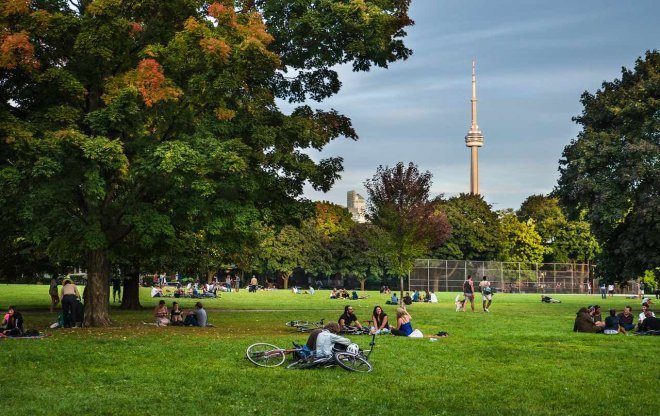
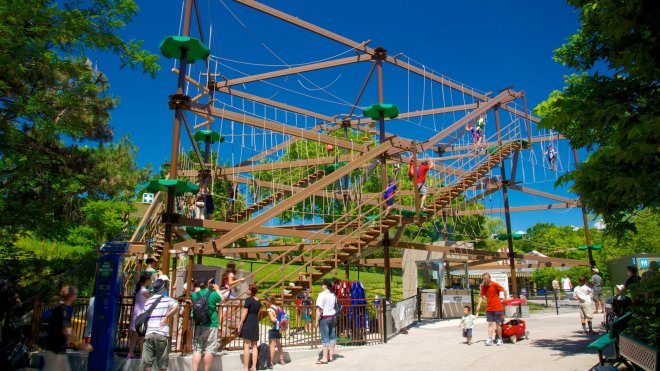
Toronto Zoo in Toronto, Ontario, Canada is not just a zoo, it’s one of the largest in North America. It gained a global fan base thanks to twin panda brothers (Bao Bao and Xing Hui) who were born in 2015. Many visitors came to see them. But pandas are just one reason.
The structure of Toronto Zoo is very different from traditional cages. There are huge areas that mimic natural environments for all kinds of animals. The aim is to keep animals in as large and separated areas as possible. This approach improves both animal welfare and the visitor experience.
Natural Subs and Divisions
The most striking aspect of the Zoo is that it presents different ecosystems in one place. Main sections such as African Savanna, Canadian Domain, Tundra Trek each offer a unique atmosphere.
- African Savanna : Lions, giraffes and other African wildlife roam the vast grasslands. You can have a safari experience here with vehicle or walking tours.
- Canadian Domain : Native species are here. Black crows, red eagles, maybe Canadian bears. You have the chance to watch the wild nature of North America on site.
- Tundra Trek : Polar bears, marmots and Arctic species are featured in a cold, gray-toned environment. Even cold weather creates an atmosphere in this region.
Are pandas no more? İkidzi panda brothers have grown up. The situation of this duo, who was born in 2015, has changed over time. Some sources state that they returned to China. Others say it is kept in a zoological park. Check current sources for exact information. Pandas are always the most popular attraction.
Practical Details for the Visit
Consider a few things when going to Toronto Zoo.
- When to Go? It’s hotter in the summer and colder in the winter. Indoor rides like Tundra Trek can be enjoyable even in winter.
- How to Get There? It is not near the center of Toronto. It is possible to travel by public transit (TTC), but it takes a long time. It is faster to go by car.
- How Long Does It Take? Allow at least 4-5 hours. It takes time to visit each section.
- What to See? If there are Pandas, those are them. Otherwise, focus on African Savanna. Tundra Trek should not be forgotten either.
Why Toronto Zoo?
Most zoos display animals in small cages. Toronto Zoo tries to get around this. Create natural environments
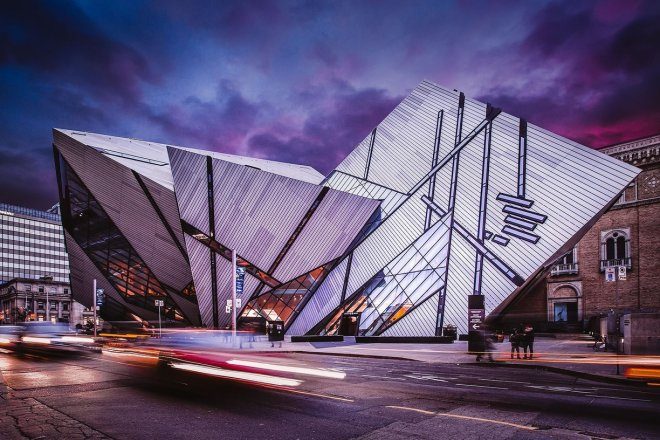
After the National Museum in Ottawa, you moved to Toronto. If you don’t include the Royal Ontario Museum (ROM), one of the most iconic stops in the city, in your plan, you’ll be missing an important part of Toronto’s cultural fabric. This is not just a museum, it is a huge cultural warehouse standing in the heart of the city.
Why Go Into ROM?
Most people only look at the skyscrapers when leaving Toronto. They are wrong. The ROM is one of the largest museums in North America. It is exactly in the second place; The only one above it is the Montreal Museum of Fine Arts in Montreal. This status indicates how dense the building’s content is.
Since 1968, the museum has been under the full control of the University of Toronto. This academic affiliation directly affects the quality of the collections and the depth of research. If you’re looking for a real intellectual experience, not just another tourist trap, this is the destination.
Logistics and Address Details
It is quite easy to reach the museum. It is located in the eastern part of the city, in the district of Scarborough.
Address: 2000 Meadowvale Rd, Toronto, ON M1B 5K7, Canada
If you’re driving, motorway connections are good. However, if you are coming to the city by public transportation, the most practical way is to get to Scarborough Center station by taking the 501 tram line of the TTC (Toronto City Transportation) network or by buses. The museum is right next door to the university campus, which reduces the stress of finding parking.
What Can You See?
ROM’s biggest weapon of choice is its size. It is surprisingly large inside. It is almost impossible to visit the entire collection even in two days. That’s why you need to go targeted.
- Natural History Department: Dinosaur fossils are spread over a huge area. Especially Diplodocus and T-Rex skeletons are the first stops of visitors.
- Art Collection: Offers a wide range of art from Asia to Europe, from ancient to modern art. Chinese ceramics and Middle Eastern dresses attract attention.
- Krieger Miniatures: Self-contained, gigantic model houses full of surprising details. It is a small but deep stop.
Visiting Tips
Spending time in the museum is tiring. Keep your shoes comfortable. Walking distance inside can be kilometers
Casa Loma Castle: The Gothic Heart of Toronto
Address: 100 Queens Park, Toronto, ON M5S 2C6, Canada
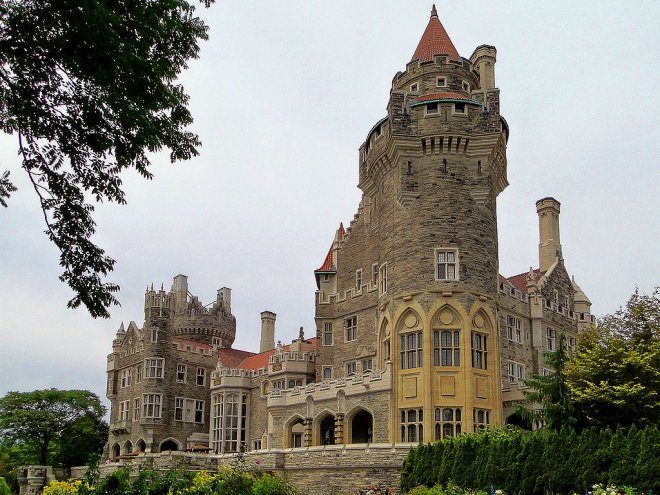
Drive another 5-6 kilometers north on Spadina Avenue. When you reach the top of the hill, you will encounter not just a building, but a page of history. Casa Loma Castle, as its name means “hill house”, but its appearance takes it far from an ordinary house. This is one of Toronto’s most iconic, most dramatic buildings. This building, which has the cold and noble stance of the Gothic Revival style, was actually built in 1914 for the dream of Henry Pellatt, a railway billionaire. However, Pellatt went bankrupt during construction and sold the castle to the state. Today, that rich people’s luxury dream has become a museum that can be visited by the public with open doors.
Make your plan early in the morning. In the first hours when Casa Loma Castle serves as a museum, you will avoid the crowds. As the light filters through the window panes, you can listen to the planks of the wooden stairs. In the afternoon, the atmosphere changes. The halls inside the house are the scene of marriage ceremonies. While an innocent love story takes place between the stone walls, you feel the weight of the silence left behind.
Why should you go in the morning? Because in the middle of the day, when the tourist groups arrive, that gothic mystery gives way to photographed ordinariness. Morning light highlights the texture of the stones. In the afternoon, romance prevails. But you are not here to watch that romance, but to feel the cold of that architecture.
The first thing that catches your eye when you enter is the enormous library. 20 meter high shelves make people feel small. The large hall that follows is large, as if designed for feasts. But one of the most interesting details is the parts that are actually invisible. Lower floors, service areas, secret passages… You discover the background of a billionaire man’s daily life by walking behind those large halls.
In terms of cost, this experience can be expensive. Ticket prices change over time, but paying for an experience means getting into a time machine, not just admission. Since you are in the center of Toronto, transportation is easy. You can reach it by bus number 50 or on foot. However, choose early hours to avoid getting stuck in traffic.
Which season is best to go? Spring is wonderful when the gardens are green. If winter is a castle
Gingerbeef
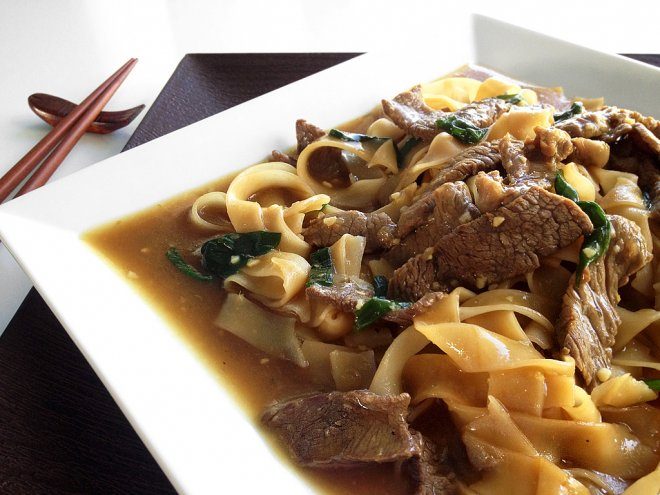
Ginger beef. Sounds simple. But in Toronto, this is a cultural touchstone. You won’t find this dish on traditional Chinese menus in Beijing. This is the most aggressive combination of Canada and China.
This dish uses beef. Cut into thin pieces, battered and deep-fried until crispy. Next, add the sweet and sour sauce and mix. Without vinegar, you’re just eating sweet and spicy beef. The stimulating scent of ginger cuts through the oil.
This is not authentic Chinese food. This is something completely different. Something from North America.
Some sources believe that it has its roots in real Chinese culinary traditions. Don’t bet. What matters is how Toronto eats. It is very heavy. Very tasty. It is usually served with rice, but sometimes noodles are also served.
If you go to 1 Austin Terrace in Toronto, you probably won’t find the best version here. Looking for a place in Chinatown or downtown. Order now! Be prepared for the vinegar.
Other must eats in Toronto
Ginger beef gets the spotlight, but there’s more to Toronto than just one dish. eats like it’s trying to prove a point.
Poutine
You can’t talk about Canadian cuisine without it. french fries. Gravy. Simple? Yes. delicious? completely The curds need to be warm enough to squeak, but not so hot that it melts into rubber. Find a pub near Kensington Market and find the perfect ratio of gravy to fry.
Bagels
New York has bagels. Montreal unique bagels. But they are different. Bagels in Toronto are small. Boiled in honey-sweetened water. Bake in a wood-burning oven. They’re crunchier. You’ll find the best in the St. George area. Go early. It’s sold out.
Butter Tarts
Sweet. Sticky. Crust. The filling is a mixture of butter, sugar, syrup and sometimes raisins or chocolate chips. It is eaten as a breakfast dessert in many Canadian households. Don’t skip this. It is very cheap. It’s everywhere. It’s worth the calories.
Smoked Meat Sandwiches
It’s not pastrami. Smoked meat. It’s thicker. Heavier. It is usually served with rye bread and mustard. West End’s Delis are a place where experts go. If you’re feeling brave, ask for a “fat on”. You can even call it “lean” if you’re smart.
Time and logistics
Eat late in Toronto. Dinner usually starts at 7 p.m. But the food doesn’t stop there. Late night spots are open until 2 AM or later. If you’re hungry after a Rogers Center concert, don’t worry. There is always a diner or a 24-hour bagel shop nearby.
Costs
Food here is not cheap. But it’s not NYC expensive either. Meals at casual diners range from $15 to $25. Fine dining? Over $100 per person. Street food? 10 dollars. Budget accordingly.
Where to start?
Start in Chinatown
Quebec poutine: The greasy and cheap reality
It starts not in Paris or Toronto, but in rural Quebec. If you’re looking for authentic Quebec poutine, skip the high-end gastropubs. We need a The restaurant with peeling paint and a crayon menu.
The mechanism is simple, but brutal. Hot and crispy potatoes. Fresh cheese curds that make a squeaking sound when you bite into them. Then pour the warm salt sauce on top and make sure the cheese melts and sticks but not enough to drown the crisp.
Toronto has a great version. New York is trying. But Quebec has it. It is very heavy. It’s salty. This is just what you need after a long day of hiking in the Laurentians and admiring the St. Lawrence River.
Cost? Usually 10-15 CAD. Worth every penny.
Halifax Donair: Street Classic
Things look different on the Nova Scotia coast. Halifax Donair is more than just a wrap. It is a special cultural artifact.
You won’t find this in Montreal. Not found in Vancouver. It lives in Halifax, mostly.
This is the breakdown. Thinly sliced seasoned beef, roasted on a vertical spit. Wrapped in soft, slightly sweet flatbread. Top with raw, chopped onions. And to make things even more exciting, the tomato sauce is spicy, sweet and garlicky enough to stain your fingers red.
It’s very messy. It is very cheap. It is very fast.
- Where to eat: Look for a place where locals line up outside.
- Time: Best to eat while standing.
- Logistics: Can be completed in a few minutes. If you wait, the flatbread will be soggy.
This is not French food. It’s not sophisticated. It’s loud, sweet, and deeply rooted in working-class maritime history.
Why are these two important?
you are planning a trip. I want to eat like a local, not a tourist. Tourists head to the fancy seafood The restaurants on the waterfront. Locals go to places that don’t care about plating.
Poutine in Quebec City. Donair in Halifax.
Their flavor profile is the opposite. One is savory, cheesy, French-Canadian comfort. The other is a sweet and spicy British-Canadian street food.
But they have one thing in common. They need attention. You can’t eat politely. You cannot eat while checking email.
So put your cell phone away. Take a napkin. Grab the napkins.
Food logistics
Visiting Canada isn’t just about tourist attractions. It’s about the gap between them. gas station Roadside The restaurant. late-night spots.
In Quebec, poutine is available 24/7. This is fuel. This is breakfast. It’s dinner.
In Halifax, donair shops close early. Maybe 10pm, maybe midnight. If you miss them, you miss dinner.
Please plan accordingly.
What to bring
A strong stomach.
Loose pants.
*Cash. Some places may not accept credit cards for small items.
Verdict
If you leave Canada without trying these, you haven’t really been there. You have just visited the hotels.
The rest
Pate Chinois: Canada’s Hidden Comfort Food
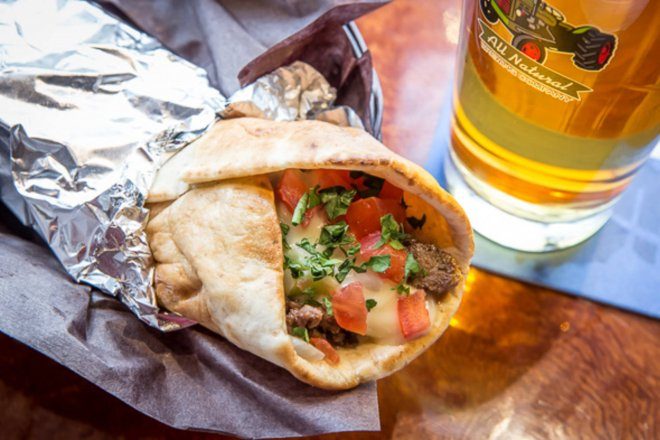
Actually, it’s not a pie. Although the name literally means “Chinese pie”, you won’t find dumplings or Asian flavors here. It’s Quebec’s answer to shepherd’s pie, but with a distinctly Canadian twist that has nothing to do with France or Asia. The name comes from a historical naming confusion when canned goods were imported from China in the 1920s, confusing local housewives looking for hearty and inexpensive meals.
At the heart of pate chinois is the study of layering. First brown the minced meat and season with salt and pepper. Next comes the middle layer, creamed corn. It’s not just about throwing canned corn kernels. It’s usually a chowder-style mix or smooth creamed corn that adds sweetness and texture. Sprinkle a thick layer of mashed potatoes on top and bake until golden brown and crispy on the edges.
Why it’s convenient for travelers
When traveling to a new country, comfort food is your best friend. Pate Chinois is cheap, widely available in Québec eateries and home kitchens, and is deeply rooted in les Québécois culture. This dish tells more about the history of the region than any museum exhibit.
- Where to find it: Look for it in bistros and family-run restaurants in Montreal, Quebec City and other small towns. This is the staple on winter menus.
- When to enjoy: Ideal for the cold season. Warm, thick and designed to protect against -20°C weather.
- Price: Affordable price. generous portion cost 12-18 CAD.
- Logistics: Often served with green peas or a simple salad to cut through the richness.
Taste Profile
The magic is in the contrast. The combination of slightly salty beef and sweet corn is surprising. Potatoes have a creamy, starchy taste. It’s nothing fancy. It’s not sophisticated. But it’s honest.
“For many Quebecers, this is a taste of home: simple ingredients, layered comfort.”
If you’re looking for something that captures the practical spirit of the area, this is the place. Nothing extra. It’s just layers of food working together. It may not be on every menu, but if you find it, be sure to order it. A little piece of Canadian identity in a baking pan.
The truth about Canadian bacon layers
Cut through the marketing noise.
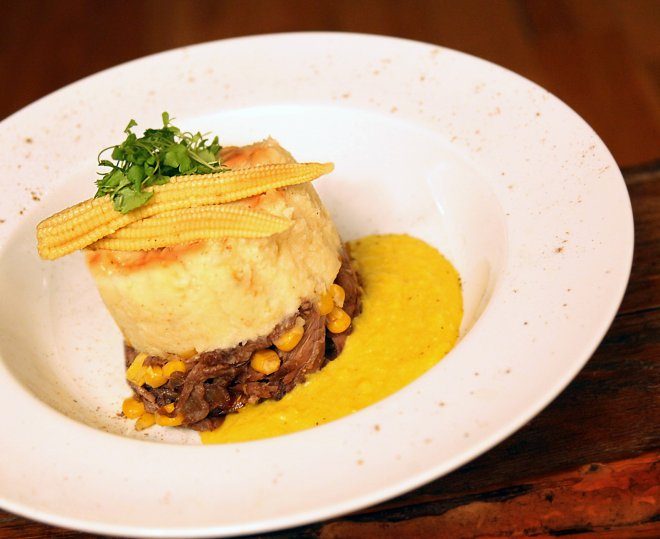
What some menus say is “Canadian Bacon Strata” is usually a trick of the light, or rather a label. This dish is made from bread soaked in custard, but the highlight is the meat. If you’re expecting thick-cut smoked apple bacon, you’re in the wrong place.
Canadian bacon is lean meat. This is not pork belly, but cured pork loin. It looks more like raw.
In many kitchens, especially those trying to stay true to the “Canadian” aesthetic while catering to the American palate, this lean meat is thinly sliced and carefully arranged. It’s not just cooked into the strata for flavor. It is often used as a decoration. Before serving, Slices of it, folded or fanned out, sit on top This is what actually means. Thinly sliced, decorative service.
Why is this important? Because strata is a brunch staple. This is the perfect choice for a lazy weekend. It’s crowd-pleasing. However, the difference between real bacon and Canadian bacon is significant. One is crispy and fatty. The other is soft and salty.
Ask about the meat when ordering. Is it chopped inside? Is the top sliced? The visual matters. A layer of brie or cheddar cheese melts into the egg and it does its job. The Canadian bacon is just the salty anchor.
Don’t overthink it. This is comfort food. Just know what you’re ending into. Lean pork. bread eggs cheese that’s it.
The presentation is neat. If you share it with fruit, it’s enough for two people. However, timing is everything. Strata needs to rest for 10 minutes after removing from the oven. Cut it hot and the custom runs. Allow to cool slightly and retain its shape.
This is not gourmet food. It’s not trendy. It’s reliable. If you are planning a trip and want to eat well without spending a lot of money or if you are on a diet, this is exactly what you need.

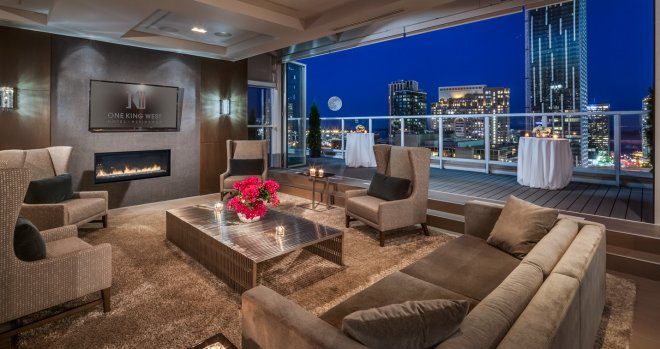
Would you like to stay in a historical building built in 1914 in the heart of Toronto? One King West Hotel and Residence is not just a hotel, it is an experience that breathes the old air of the city.
The rooms are entirely in suite form. This means that the bedroom, living area and kitchen are separate from each other. This is a big advantage for long stays. But the biggest attraction is the location.
Hotel, St. It is within walking distance of Lawrence Market and the Hockey Hall of Fame. So, you can buy your morning coffee from the market and visit the ice hockey museum in the afternoon. No extra shipping hassle.
The beach can be reached with a 13-minute walk. If you want to spend time on the beach in summer, this distance is acceptable. In winter it is less practical.
It is possible to say that the facility combines its historical charm with quality service. The noise or maintenance problems expected in old buildings are not felt here. If you want to combine historical texture with modern comfort, this address comes at the top of the question where to stay in Toronto.
The place where you spend the night should be the center of exploring the city, not just for sleeping. One King West achieves this.
A place to sleep when you need marble and wood
We arrived at King Street West in the city centre. This address is not a secret location. It is the center. It is the core of the city’s business and art district. Getting here is easy. The PATH system connects to the subway, but you probably won’t need it. Just a short walk away.
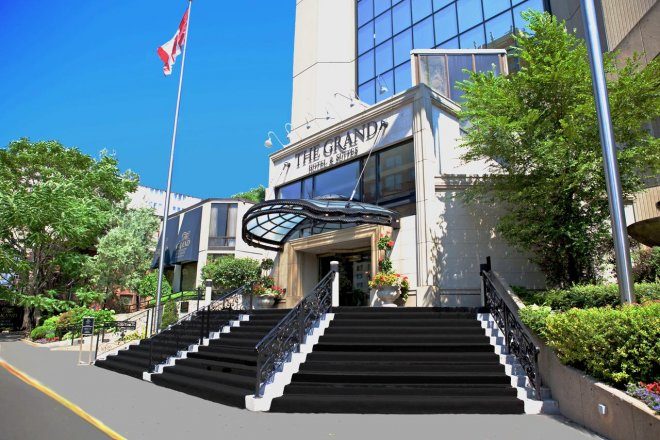
Grand Hotel & Suites looks like a hotel that has seen better days. Or so I seem to remember. The lobby is quiet. The floor is made of wood. The bathroom is marble. It’s a selling point. You pay for the stone underfoot and the grain of the floorboards. It is said to be modern. It’s stylish, they claim.
“A unique European menu of fresh local ingredients”
Eat at Citrus. Located inside the hotel. Food is not cheap. It’s not fast. It’s from Europe, but there’s Toronto soil underneath the ingredients. Local produce. This is important. If you’re tired from walking around the area or browsing the shops of King West, you don’t want a big meal. You want something that tastes like it was made by a chef who really knows where the tomatoes are grown.
The rooms are the real draw. It’s not the size. Not the view. feel wood and stone Create a certain atmosphere. I felt calm. difficult. After spending the day on the subway and walking along the edge of the CN Tower, you need a room with a calming atmosphere.
Cost? It is mid-range. It’s not a budget. It’s not luxurious. You are in the middle ground where you are paying for the brand rather than the experience. But sometimes you just need a bed. You need a shower with good pressure. You need a breakfast that is not just burnt toast.
Timing is important here. King Street West is very noisy at night. Clubs. Peace. Music. If you are a light sleeper, ask for a room away from the street. The marble bathroom is nice. It does not stop the bass from the clubs below.
Is it worth it? A few days, yes. Week? Probably not. The location is the main character. The hotel is just the wrapper. This is the heart of downtown Toronto. The financial district is a 5-minute walk away. You can walk to the entertainment district in ten. you are surrounded
The citrus menu is changing. Seasons change. Rotate the ingredients. That’s good. This means that the kitchen draws attention. It’s not on autopilot. This is rare in a city hotel.
Walk along King West. Look at the street art. The murals. The old buildings turned into lofts. Then come back. Order the special. Eat it slowly. Listen to the breath of the city outside your window.
It’s not perfect. This is not a palace. But it is a resting place. Rest is a luxury in Toronto.
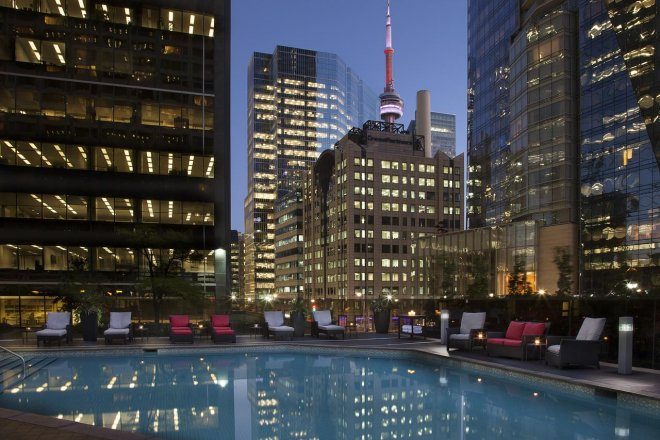
Hilton Toronto: Comfort and Accessibility
Address: 225 Jarvis Street, M5B 2C1 Toronto, Canada
Located in the heart of Toronto, just a 5-minute walk from Osgoode Station, Hilton Toronto is the ideal starting point for business and leisure. It is located right across from the Four Seasons Performing Arts Center, the cultural backbone of the city. This means that you are free from the stress of taxis or subways when going to gala nights or theater performances.
City Hall and the iconic Nathan Phillips Square are within a 10-minute walk. In summer, the square’s ice rink is a great stop to feel the energy of the city in winter.
Why Choose This Accommodation?
Hilton Toronto is among the frequently preferred options for those looking for a hotel in Toronto. Especially ease of transportation is one of the biggest advantages of this hotel. Osgoode Station offers quick access to all parts of the city with the TTC (Toronto City Transport) system.
- Walking Distance: Close to the main tourist attractions of the city.
- Cultural Access: Adjacent to the Four Seasons Center.
- Ease of Transportation: 5 minutes walk to the metro station.
Practical Information
The hotel is located on Jarvis Street. This street itself is one of the lively streets of Toronto. Food options, cafes and shopping points are abundant in the surrounding area.
Hotel prices in Toronto change seasonally. It can often be more cost-effective to book during the summer and spring. However, for large events or festival periods, early booking is a must.
Is the Hilton Toronto a luxury experience or a practical stay? The answer to this question varies depending on expectations. While the rooms offer standard Hilton comfort, it is necessary to strike a balance between location and price paid. For those who like to explore the city on foot, this address may be a memorable choice, especially on first visits.
However, in a large metropolis like Toronto, it’s not always practical to do everything on foot. For long distances, it may be necessary to obtain a TTC card or use taxi apps.
As a result, Hilton Toronto is centrally located. If you want to catch the rhythm of the city and easily visit cultural spots, this address should be taken into consideration. However, if you are planning a budget-oriented trip, it is useful to consider alternatives.
Each neighborhood in Toronto carries its own unique aura. This hotel is centrally located
Holiday Inn Express Toronto City Center
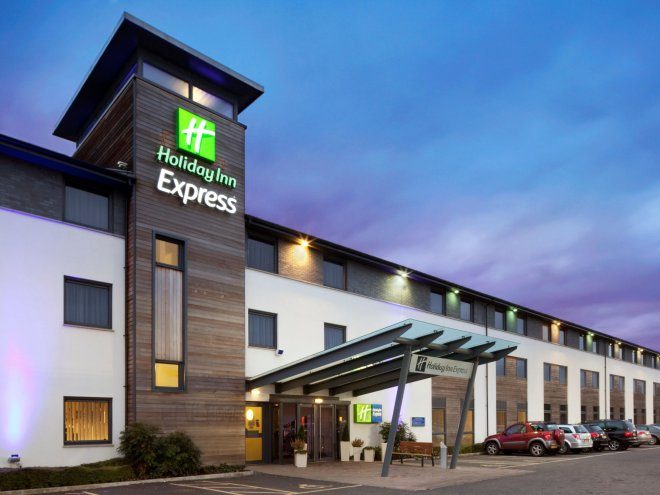
If you’re looking for a platform that doesn’t feel like a sterile box, the Holiday Inn Express Richmond Street West is a great option. It’s one of the most popular options downtown, and for good reason. The rooms are spacious. They are modern. You actually get some breathing room.
The location here is a real selling point. The beach is a 13-minute walk away. That is not a casual stroll; Pack your walking shoes. When there is no traffic, the air around the lake is different. But if you don’t want to sweat, you can catch a car to the city’s heavy hitters. The CN Tower and Rogers Center are just a 6-minute drive away. You can watch a Blue Jays game or gaze into the sky without spending a day’s worth of steps.
Address: 145 Richmond Street West, M5H 2L2 Toronto, Canada
Located in the city center at 111 Lombard Street. Postal code M5C 2T9 is located in Toronto’s financial district. This is not a hotel buried in tourist traps. It’s a functional base for those who want to be where the action is without paying for a rarely-seen view of the CN Tower from their windows.
What’s in the room?
you go inside. All basic amenities are provided. Each room has a flat-screen TV with cable channels. This is exactly what you would expect. There is also a small seating area and a coffee maker. This is not a high-end espresso machine. It’s a machine that gets your caffeine fix before you head out in cold or hot weather.
Complimentary toiletries are provided. Nothing artisanal. Only soap and shampoo that works. If you have your own luxury brand, that’s fine. If you travel light, we’ve got you covered.
Location logic
Why did you choose this place? Let’s look at the numbers.
The University of Toronto is approximately 2.2 km away. If you have time, you can wear suitable shoes for walking. The trip takes about 25 minutes. The entertainment area is closer. The distance is only 1.8 km. It’s a brisk 20-minute walk. Finally we arrive at the dinner and theater center.
But this is the real key. Dundas Metro Station is only 200 meters away.
This is important. No need to take a taxi to get to the metro station. It’s not like you’re waiting for a tram in the rain. You step out and you are on the transit line. Do you have to go to the airport? You can get there by metro and UP Express. Need to go to the beach? Another connection away.
Meal service on site
There is a restaurant in the building. No need to dress up. No need to book weeks in advance. You are hungry go down It is very convenient. A destination doesn’t have to be gourmet. This is a “practical” item. Sometimes that’s what you want after a long day of walking.
Is it worth it?
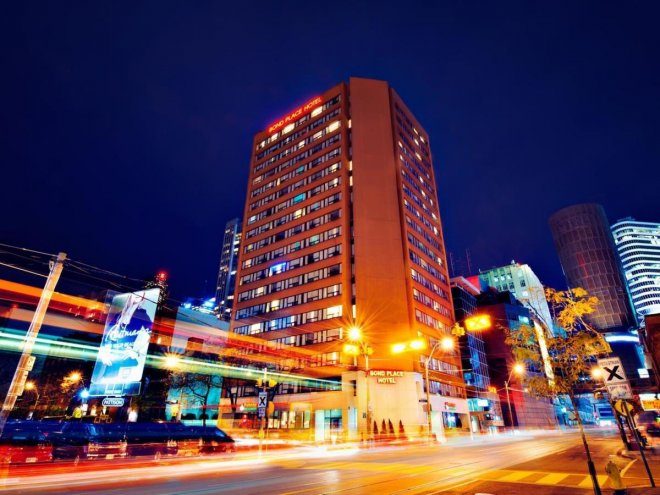
If you’re looking for a boutique experience with exposed brick in the lobby and craft cocktails, look elsewhere. Bond Place Hotel is simple. It is clean. It is the center. It is a short walk to the university and nightlife.
Prices in downtown Toronto are generally average. You are paying for the address and the transit access.
Consider your travel plan. It is located 2 km from the city center, which can be a bit of a disadvantage if you plan to spend a few days exploring the Distillery District or the waterfront. But if you want to tap into the professional pulse of the city, this is your anchor.
The streets here are wide. Sidewalks are clean. Dundas Square is a 5-minute walk away. King Street West is just a 10-minute walk away.
Perfect for business travelers and tourists who value logistics over atmosphere. You sleep here. You eat here. You can get out of here efficiently.
In some cases, efficiency can be the ultimate luxury.
Getting around Toronto: TTC, costs, logistics
65 Dundas Street East is a special place in downtown Toronto. If you live there, you’re already there. But leaving home requires planning. Toronto is Canada’s largest city. It’s noisy. It’s crowded here. But getting around here is surprisingly easy. The transport network is one of the most developed in the country.
You have options. Plenty of them.
The Toronto Transit Commission (TTC) is its backbone. There are metros, buses and trams. It works regularly, although it doesn’t always work on time. For leisure travelers, the tram ride is worth it just because of the views. It winds through the city center. It connects the main areas. It’s cheap. It’s efficient.
How much does it cost to visit Toronto?
This is where the math matters. The cost of a single trip on a TTC vehicle is CAD$3.25. This is the basic price. However, if you move often, the number can increase quickly.
Consider a 1 day unlimited transport ticket. The price is CAD$13.50. Wait, Did the source say $10.74? Let’s check the current course from the given text. The supplied text says that the daily unlimited access fee is CAD$10.74. You have to stick to factual sources. So based on the information provided, the price for an unlimited day pass would be CAD 10.74.
If you’re staying for a week, the weekly ticket is your best friend. Each ride is cheaper than buying a one-way trip. Monthly cards are also available for long-term stays. It saves you the trouble of tapping in and out every time.
Why use public transportation in Toronto?
Taxis are expensive. Ride-sharing services like Uber can be expensive during peak times. Rent a car? Forget it. Parking in downtown Toronto is a nightmare. This costs a lot of money. Driving through traffic on Bay Street or Yonge Street can be stressful. It’s better to take the metro.
The TTC accepts Presto cards. Local payment can also be used on buses and trams. Metro still requires a physical ticket or swipe card, but they are being updated. The system has been modernized. The design focuses on volume. Millions of people use it every day.
Where can I go from Dundas Street East?
It is close to St. Paul Station. It was the center of the metro. From there you can go almost anywhere in the city center. The metro goes north to the university area. It extends south to Union Station. Union Station is an important rail hub. From there, take the UP Express to Pearson Airport. It is very fast. It’s clean. It’s worth paying extra if you don’t want to miss your flight.
If you need to get to the beach, take the tram. The 501 Queen Tram runs to the lake. It passes Exhibition Place. It passes the Distillery District. You can get an overview of the layout of the city. You see the community change. You will see a mixture of old buildings and new apartments. This is instructive.
Comparison: Taxi and TTC
| Features | TTC (Public Transport) | Taxi/Uber |
|---|---|---|
| ** |
F-Stop: 90s nostalgia Beneath the Streets
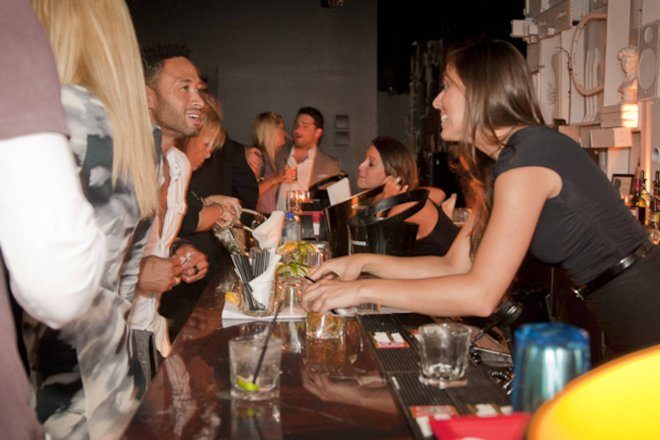
F-Stop is located underground and has an area of 3,300 square meters. This is more than just a club. This is a time machine.
If you’re looking for 90s sounds, you’ve come to the right place. The music is not subtle. It’s loud, proud and full of nostalgia. You’re not here for cutting-edge techno. You are here to dance to the classics.
The space itself is vast. Too much scale can be disorienting in a good way. One minute you’re close to the bar, the next you’re deep in the crowd surrounded by strangers with the same playlist memories.
“F-stop is an absolute must for anyone who wants to relive the 90s.”
Logistically, it’s easy to find, even though it’s underground. Look for signs. Don’t overthink the entrance. Once inside, the atmosphere takes over. It’s not about who you know, it’s about keeping your feet moving to the beats of a decade past.
Bring energy. Keep your cell phone in your pocket. This is not a photo spot. This is the place to sweat and scream.
Cube: Neon Reprieve
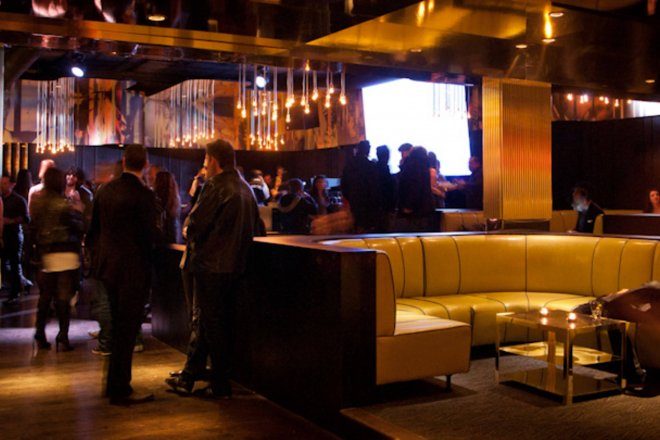
Back to the unique snake-like L-shaped sofa with vintage yellow upholstery. This is not the most ergonomic option from Istanbul, but it has its purpose. You sit. You recover from the walk. You keep the party going.
The atmosphere here is dark. They do it on purpose. Dim lighting makes this space feel a little scary at first glance, making it a dark corner where secrets are likely to be kept. This contrasts with the bright, lively energy of the main tourist destinations. But because of that darkness you stay.
The atmosphere changes when you get used to the dim atmosphere. The intimidation fades into familiarity. You stop looking at the exit and start looking at the drink. You become a regular. The cube stops feeling like a mysterious trap and starts to feel more like a secret lounge in the middle of the city. It’s dark, sure. But this is your darkness.
Airplane: Late night flights to major destinations in Istanbul
The wait until midnight was mainly for warming up. The real energy of Fly Nightclub only starts to appear at 12 o’clock or 1 o’clock. If you’re going to spend the night in Istanbul, timing matters. If you arrive early, you can see the staff getting ready. If you’re late, you’re in the thick of it.
The magnitude of this cannot be overstated. We’re talking a massive 10,000 square meters of floor space. Three different corridors run along the space, dividing the dance floor into several areas. This is not just a big room. It is a maze of sound and movement. The music? Heart-pumping. High-energy tracks are designed to keep you moving.
Who is there? Everyone. The crowd doesn’t segregate. Whether you’re gay, straight or somewhere in between, the atmosphere is inclusive. This is a rare place in Turkey where the dance floor feels truly unified in tempo rather than divided by orientation.
Organizing a big night
Getting to Fly requires a bit of strategy. It’s not hidden in a quiet alley. This is your destination. Book tickets online in advance to avoid queuing at 11:30 p.m.
The most important information about the trip:
– Location: Istanbul, Turkey.
– Rush hours: from 12:00 to 03:00.
– Dress code: From business casual to club style. Men’s sneakers are prohibited in certain areas.
– Ticket prices: Vary every night, but there is an additional fee for entry on weekends.
– Music genre: House, EDM, High BPM dance music.
With three corridors, you can escape if the rowdy crowd gets too big. Each area has its own rhythm, but the overall energy remains high. This is a place to see and be seen, but the main purpose is the music.
Why Fly stands out in Istanbul’s nightlife
In a city with endless options, Fly Nightclub holds its own due to its size and openness. Many venues in Istanbul are private or exclusive. Fly is industrial in scale. It felt like an endless warehouse party.
Inclusion is more than just marketing. This is the reality. You’ll see mixed groups throughout the night. This eliminates the social friction that can plague other clubs. You don’t have to pick sides. Just dance.
If you’re visiting Istanbul specifically for the nightlife, this is a must-see. Drinks are average for a club of this size except for the cocktails. But in terms of atmosphere. The scale alone is unforgettable.
Practical tips for your visit
**1. Timing is important. **
Don’t come at 10 p.m. The place will be half empty. The lighting is dark. The DJs are warming up. Arrive just after midnight to enjoy the rush of energy.
**2. Dress appropriately for the audience. **
It is high class. Men should avoid sportswear. Women often dress to make a good impression. This is both an auditory and visual scene.
**3. Budget accordingly. **
Clubbing in Istanbul can be expensive. Although there is bottle service, the regular admission fees are also expensive by local standards
The real heartbeat of London nightlife
If you think London’s underground scene consists of drinking expensive cocktails in Mayfair, you haven’t looked down. Way down.
Enter Drake Underground. It’s more than just a club. It’s a real gritty subterranean labyrinth hidden beneath the streets of Soho. The fact that it exists here under the tourist traps is part of its charm. It feels very mysterious. Illicit.
Who is playing here?
This is not your typical Top 40 trap. Looking at his booking history, he seems like a cool indie guy. Daft Punk crew spinning sets. We’re talking about the men who defined electro-house for a generation. And Beck. Yes, this quirky multi-style icon. And Mia. This artist challenged all conventions of pop music in the mid-2000s.
Why is this important to you? Because it tells you exactly what kind of night to expect.
Music quality: High. Think carefully curated DJ sets rather than random radio hits.
* Atmosphere: underground. Both literally and figuratively.
* Audience: Musicians, people in the industry, and people who really care about sound.
How to get there
In a place like this, location is everything. which is chaos on a Friday night. Don’t try to drive. Don’t think about it.
Take the tube to Tottenham Court Road or Leicester Square. Once you’re on the street, notice the unassuming entrance. It doesn’t scream “Let’s party here!” It hides. That’s the point.
Timing is everything
This place does not serve lunch. It doesn’t do brunch. And it stays open very late. And it’s open very late.
If you go at 11pm, you might be the only one there. It’s not a bad thing, but that’s not the energy you’re buying the ticket for. The goal is after midnight. At that time the maze is full. That’s when the bass drops through the floor.
Is it worth the hype?
It depends on what you are chasing.
Do you want luxurious bottle service and view of the skyline? Go elsewhere.
What if you want to get lost in a room where the air is full of sound and people are listening to music? Drake Underground delivers. This is one of those places where it feels like a secret handshake.
The acoustics are tight. The space is small. You are presenting with strangers who may know the software better than you. It’s uncomfortable. It’s very exciting.
This is London.
Plan details
- Neighborhood: Soho
- Best time to arrive: 12:30 AM – 1:00 AM
- Dress code: Smart casual. No suits or sneakers. Think black clothes and clean shoes.
- Price Point: Mid-range cover charge, drinks inside are expensive.
- Next Steps: Check their website for specific DJ lineups. MIA has played here before,
El Convento Rico: Drag History in Toronto’s Basements
There is a certain share in the basement. they are hidden. They remained silent until they stopped talking. Deep in Toronto’s Little Italy neighbourhood, El Convento Rico is tucked away in an underground space that feels more like a secret society headquarters than a bar. It is the longest Latino bar in the city. Those words alone give you pause. Longevity in nightlife are rare. Survival is even rarer. Consistency is the real magic.
You can see that it is open to all. all races Every faith. Any identity? The door doesn’t check your past. They are just checking if you have the energy to go inside. Energy is needed here. This is not a place for passive observation. This requires participation. You must be found there. you have to show up.
History is built with sweat and samba. It was a night that lasted until morning. In a community that refuses to disappear even as the tides change. This is more than just a venue. It is a testament. This is a physical space that has been home to Latino drag culture for decades. While other clubs have come and gone seasonal rent cycles, El Convento is here to stay. It adapts. It continues.
Why is this important for travelers planning a trip? Because most guides will take you to a glossy rooftops. A high-class sushi restaurant. View from the CN Tower. They miss the pulse. The true pulse of Toronto’s queer scene often beats in the dark. In the basement. Even before “attention” became a marketing strategy, visibility was a priority.
The Logistics of Getting There
Little Italy is within walking distance. If you’re staying in the city center, it’s just a short walk or tram ride away. This area has a unique atmosphere. The streets are lined with trees. Independent boutiques. The coffee served in the cafe does not taste like burnt water. You can enjoy an afternoon walk before the sun goes down.
At night, the energy changes. El Convento opens its doors. The atmosphere is electric. It’s noisy. It is proud. It is unapologetically Latino, no doubt about it. Here, the drag performers are more than just entertainers. They are storytellers. They bring culturally specific performance styles. Full of energy. It is fierce. It’s not your average clubbing experience like in other big cities.
Why you should go
You go because it is authentic. You go because it is historic. You go because the community is warm. Toronto can be polite to the point of coldness. But in these spaces, this politeness disappears. This is replaced by a real connection. The staff knows the names of the regulars. The performers interact with the audience. It is interactive. It is alive.
Don’t just think of this as a destination on your bucket list. Treat it as a destination. A pilgrimage of sorts. People who like drag, people who like Latin culture, people who want to feel the weight of a space that has stood for a long time. This is it. Toronto’s longest-running Latino drag bar. It’s waiting for you.
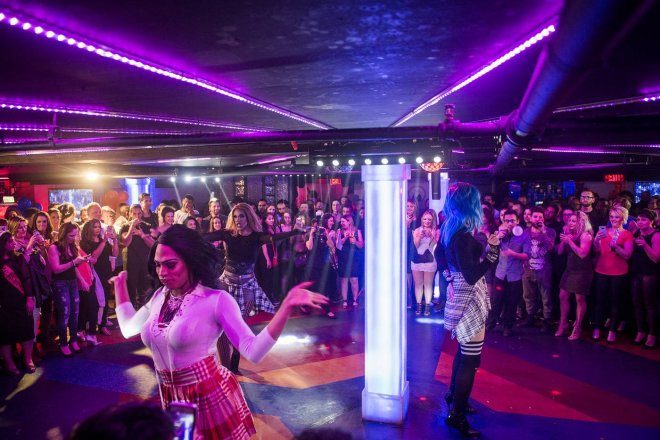
The hidden costs of convenience in Southeast Asia
You think you can save money by booking your flight at the last minute. You don’t. You pay for the privilege of panicking.
I saw the same thing happen in Chiang Mai. A wide-eyed backpacker tried to haggle for a tuk-tuk ride that would have cost 100 baht. The driver didn’t move. The visitor offered $50. The driver left. The travelers stood there sweating in the heat, realizing that in a place where cash rules everything, flexibility is a luxury they don’t have if they want to improvise.
That doesn’t mean it’s cheap. It’s about intelligence. Southeast Asia rewards preparation. It punishes hesitation.
Consider the bus. This is not a luxury accommodation room with a bed. local bus. They run on schedules that exist only in the driver’s head. You show up. You wait. You maybe get a ride three hours later. Book the VIP bus online two days in advance and you’ll be sleeping in a clean bed before midnight. The difference? It’s about $5. What is the price of your sanity? Priceless.
What about visas?
Don’t expect to find answers at the border. E-visas are a thing. they are fast. They are cheap. They prevent you from standing four hours in a sweaty line in Bangkok while a clerk punches your name into a computer that hasn’t been updated since 2015. Check Vietnam requirements. Check them for Malaysia. Check them for Cambodia. Do not gamble with your entry.
Eat like a local without getting sick
Street food is the soul of this area. But it’s also a minefield.
Find the queue. Not the line with tourists. The line with locals. If a stall in Bangkok has five young people in jeans and flip flops standing around a food stall in Bangkok, walk away. If there’s a group of office workers in suits eating fast food, sit down. High turnover means fresh ingredients. Cold food sitting under a heat lamp is a ticket to a hostel bathroom.
Drinking water is not negotiable. Bottled only. Sealed. Check the cap. If it’s broken, leave. If the ice is cylindrical or made from purified water, it’s usually fine, but if in doubt, skip it.
Move around without losing your mind
Grab is your friend. Uber is gone. Bolt is an option. But Grab is king. Download it before you land. Set your payment method. You don’t need cash for every ride. It’s cheaper than haggling with taxi drivers who don’t use meters. You know the price in advance. You know the route. No surprises.
Would you like to rent a scooter? Get an international driver’s license. Yes, it’s boring. Yes, it takes 1 hour. However, if you get into a traffic accident without insurance, the compensation will be invalidated. You’re on your own. Medical care in Thailand is excellent, but expensive for foreigners. A broken leg isn’t just painful. This is a financial disaster.
The weather is not a suggestion
Monsoon season is not a “maybe”. This is a guarantee. If you go to Vietnam in June, expect rain. It’s not a drizzle. A deluge. Bring a raincoat. Pack quick drying clothes. Pack a waterproof bag for your electronics