

Norveç’in Trondheim şehrinde duruyor. Amaç? Bin yıllık bir geçmişe sahip olan Nidaros Katedrali’ne ulaşmak. Şehir merkezinin hemen üzerinde, tepenin zirvesinde yükselen bu yapı, tek başına bir destinasyon.
Nidaros Katedrali kimin adına inşa edildi? Norveç Kralı II. Olav. Onun anısına dikilmiş. Zamanla Norveç’in en önemli dini merkezi haline gelmiş. Roma Katolik Başpiskoposluğu burada merkeze sahip olmuş. Yüzyıllar boyunca Kuzey Avrupa’dan gelen hacılar buraya akın yapmış.
Mimari olarak karmaşık bir geçmişe sahip. Neo-Gotik üslup. Romanesk detaylar. Gotik çizgiler hepsi bir arada. Dışarıdan bakınca tek bir stil görmüyorsunuz. İçeriye girdiğinizde o karışıklık daha net hissediliyor. 8 metre yüksekliğindeki kuleler gökyüzüne doğru uzanıyor.
Yapı zamanla yıpranmış. Peki ya bugün durum ne?
Katedral son olarak 2001 yılında tamir edilmiş. Restorasyonlar defalarca yapılmış. Her seferinde bir önceki dönemin izleri üzerine yeni katmanlar eklenmiş. Günümüze bu haliyle ulaşmış.
Trondheim’a gidip de burada durmadan dönmek mümkün değil. Hava durumuna dikkat. Rüzgar sert olabilir. Ama kapıyı açtığınızda içeri giren sıcak hava sizi bekliyor.
Neden burası? Sadece tarih için mi? Hayır. Mimari detaylar için mi? Elbette. Ama asıl sebep, bu kadar uzun süre hayatta kalabilen bir inanç yapısının içinde hissettiğiniz o sessizlik.
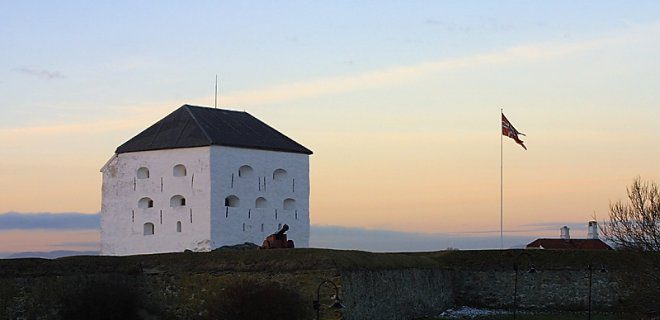
Kristiansten Fortress: A Look Back at a Harsh History
Construction on Kristiansten Fortress began in 1681 and wrapped up in just four years. It sits on a hill in the eastern part of the city. The design is simple. No fancy fortifications. Just a straight-up stronghold.
Why here? Because from this vantage point, you can see everything coming. The goal was clear: protect the city from enemy attacks.
But the story didn’t end with defense.
In more recent history, the walls held a darker purpose. Prisoners. War criminals. Traitors. All were executed within or near these grounds. It’s a stark reminder of how power shifts.
Today, the fortress is still there. Dominant. Silent. You can walk the ramparts. The views are good. The history is heavier.
Ringve Museum: Science and Nature in Trondheim
Just a short distance from the fortress, the Ringve Museum offers a different kind of perspective. Located in the Lysøysund area, this open-air museum focuses on music and nature.
It’s not your average museum.
The main attraction is the extensive collection of musical instruments. You’ll find everything from ancient folk tools to modern electronic setups. The building itself is a beautiful, restored manor house. It fits the surrounding landscape perfectly.
What to See
- The Instrument Collection: Over 2,000 items. Rare finds. Some are playable.
- The Gardens: Well-maintained. Peaceful. Good for a break from the city noise.
- The Manor House: Historic architecture. Gives you a sense of how the elite lived in the past.
Practical Details
Getting there is easy. Bus number 50 runs regularly from the city center. It takes about 15-20 minutes. The ride is cheap. Maybe 30-40 NOK.
Entry fees vary. Usually around 100-150 NOK for adults. Students and seniors get a discount. Check their site for current prices.
Visit in the summer. The gardens look best then. But the museum is open year-round. Winter light is different. Softer. Quiet.
Why It Matters
Ringve isn’t just about old objects. It’s about culture. About how we make music. How we preserve it. It connects you to the local heritage in a way the fortress doesn’t.
The fortress tells you who ruled. Ringve tells you how they lived. And what they enjoyed.
Combine both. Start at Kristiansten. Take the bus or drive down to Ringve. Spend an hour there. Look at the instruments. Walk around. Think about the contrast.
One place was built for control. The other for expression.
Trondheim has both.
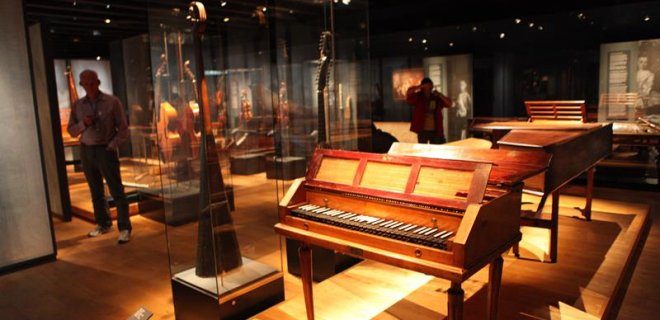
Müze Trondheim’de Tarihle Dans Etmek
Ringve Çiftliği’nin sessiz odalarında durduğunda, sadece enstrümanları değil, zamanı da duyuyorsun. Danimarka-Norveç asilzadesi Peter Tordenskjold’un çocukluk evi olarak bilinen bu mekân, duvarlarından 400 yıllık bir hikâye sızdırıyor. Burada sergilenen Müze Trondheim koleksiyonu, dünyadaki en kapsamlı tarihi müzik aletleri envanterlerinden birini barındırıyor.
1500’den fazla enstrüman, duvarlara asılmış eski resimler ve tozlu ses kayıtları… Bunlar sadece sergilenen objeler değil. Ziyaretçiyi Norveç’in kültürel hafızasının içine çeken bir davet. Ülkenin tarihi müzik mirasını tanıtmak, bu müzenin asıl misyonu. Eğer müzik ve sanat tutkuna sahipsen, bu kapıları açmadan Trondheim’den ayrılma.
Munkholmen
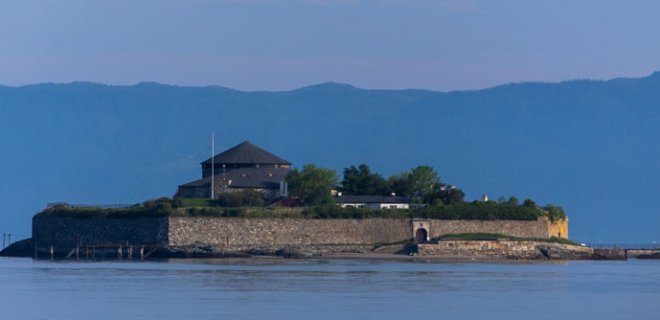
Why Trondheim’s Munkholmen Island Is a Must-Visit for History Buffs and Nature Lovers
Tucked just off the coast in the northern part of Trondheim, Munkholmen is a modest island covering about 13,000 square meters. It might look small on a map, but the weight of its history is heavy. During World War II, this quiet patch of land hosted a fortress, a monastery, a prison, and an anti-aircraft battery. It wasn’t just a random outpost. It served as one of the key strategic hubs for controlling the region.
Today, the scars of war have mostly faded into the landscape, replaced by dense forests and rocky shores.
The World War II Legacy of Munkholmen
You can still walk through the remnants of its military past. The ruins of the fortress are scattered across the island, offering a stark reminder of the conflict. The old prison cells, now empty, sit silently under the canopy. The anti-aircraft position provides panoramic views of Trondheimfjord, a vantage point that once monitored approaching threats.
Visiting these sites offers a tangible connection to the past. It’s not just about looking at old stones. It’s about understanding how this small island played a disproportionate role in the war effort. The juxtaposition of wartime structures against the natural beauty of the island creates a unique atmosphere.
Summer Visits and Tourist Hotspots
While the island has historical significance year-round, summer is when it truly comes alive. The weather is mild, the days are long, and the ferries run frequently. This is when you’ll see the most foreign tourists. They come for the history, yes, but also for the scenery.
The island is accessible by regular ferry service from Trondheim’s city center. The ride is short, barely ten minutes, but it sets the tone for the visit. Once you arrive, you can explore the ruins at your own pace. There are no guided tours required, though information boards are available if you want context.
What Makes Munkholmen Worth the Trip?
For many travelers, the appeal lies in the combination of elements. You get a dose of dark history without the gloom. The island is peaceful now. You can hike between the ruins, sit by the water, and watch the boats pass by. It’s a place for reflection.
The natural beauty is undeniable. The trees are thick. The air is crisp. The views of the city skyline from the island’s highest points are particularly striking at sunset. It’s a perfect spot to end a day of exploring Trondheim.
Practical Tips for Your Visit
- Timing: Aim for June through August for the best weather and ferry schedules.
- Access: Take the public ferry from the city center. Tickets are affordable and included in many city passes.
- What to Bring: Wear sturdy shoes. The terrain can be uneven. Bring layers, even in summer, as it can be breezy.
- Facilities: There are limited facilities on the island. Bring water and snacks, though some cafes operate in the city center near the ferry terminal.
Munkholmen isn’t just a stop on a tourist itinerary. It’s a place where history and nature intersect. The ruins tell a story of conflict. The landscape tells a story of resilience. Together, they create a compelling reason
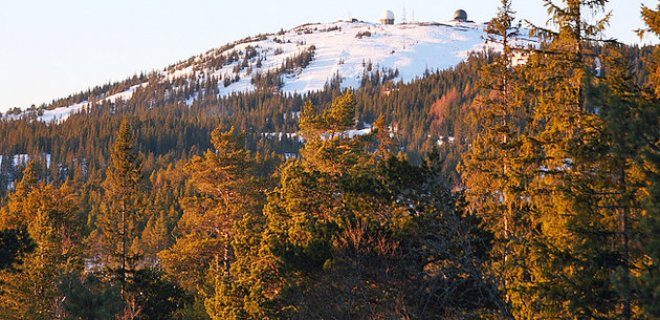
Why Mount Byåsen Is Trondheim’s Best Kept Secret
You’ve likely seen the skyline photos of Trondheim. The Nidaros Cathedral. The rectilinear Old Town. But the city’s character doesn’t just lie in its historic core. It rises around it. Dominating the eastern edge is Mount Byåsen.
It’s not a remote peak. It sits right within the city limits.
The elevation hits 552 meters. That’s high enough to catch the wind. Low enough to hike without specialized gear. The mountain defines the Byåsen district, a residential area that feels more like a village than a suburb.
The Military Zone at the Top
Climbing to the summit requires a specific expectation. You will encounter fences.
High wire fences. Warning signs. The peak itself is a restricted military zone. This isn’t a natural barrier; it’s a historical one. The land was used for defense, and while the active military presence has shifted, the restrictions remain.
“You can see the city from the top, but you can’t stay there.”
This limitation actually works in your favor. It keeps the crowds away. The paths leading up are quiet. You get the view without the stampede of tourists competing for a photo spot.
Skiing and Slopes
The lower slopes tell a different story. Here, the mountain is alive with activity. A ski station operates here. In winter, this is the go-to spot for locals wanting to hit the slopes without driving an hour into the wilderness.
The runs vary in difficulty. They aren’t Olympic-grade, but they are well-maintained. The lift system is functional. If you’re visiting in January or February, this is a practical way to spend an afternoon. The snow conditions can be hit-or-miss depending on the year, but the infrastructure is reliable.
Hiking Trails and Logistics
Outside of ski season, the mountain transforms into a hiking hub. Trails crisscross the lower and mid-elevations. They aren’t rugged alpine treks. They are well-marked paths through forest and rock.
The hike to the viewpoint below the fenced zone is straightforward. It takes roughly 45 minutes to an hour from the base, depending on your pace. The views are expansive. You see the Trondheim Fjord stretching out toward the North Sea. You see the city grid below, tiny and orderly.
Getting There
Public transport is key. Buses run frequently from Trondheim Central Station to various points in Byåsen. From there, it’s a short walk to the trailheads. Taxis are available but expensive. Parking is limited near the ski station, so timing your arrival matters.
Is It Worth the Climb?
Some travelers skip it. They prefer the fjords. They prefer the historical sites.
But Byåsen offers something else. It offers context. You can’t truly understand Trondheim’s layout until you stand above it. You see how the city hugs the water. How it expands into the hills. The military fence is a physical boundary, but the view breaks down your mental one.
The ski station is closed in summer. The trails remain. The fences remain.
Bring sturdy shoes. Check the bus schedule. Arrive before sunset. The light changes quickly in Norway, even in summer. You want to be down before