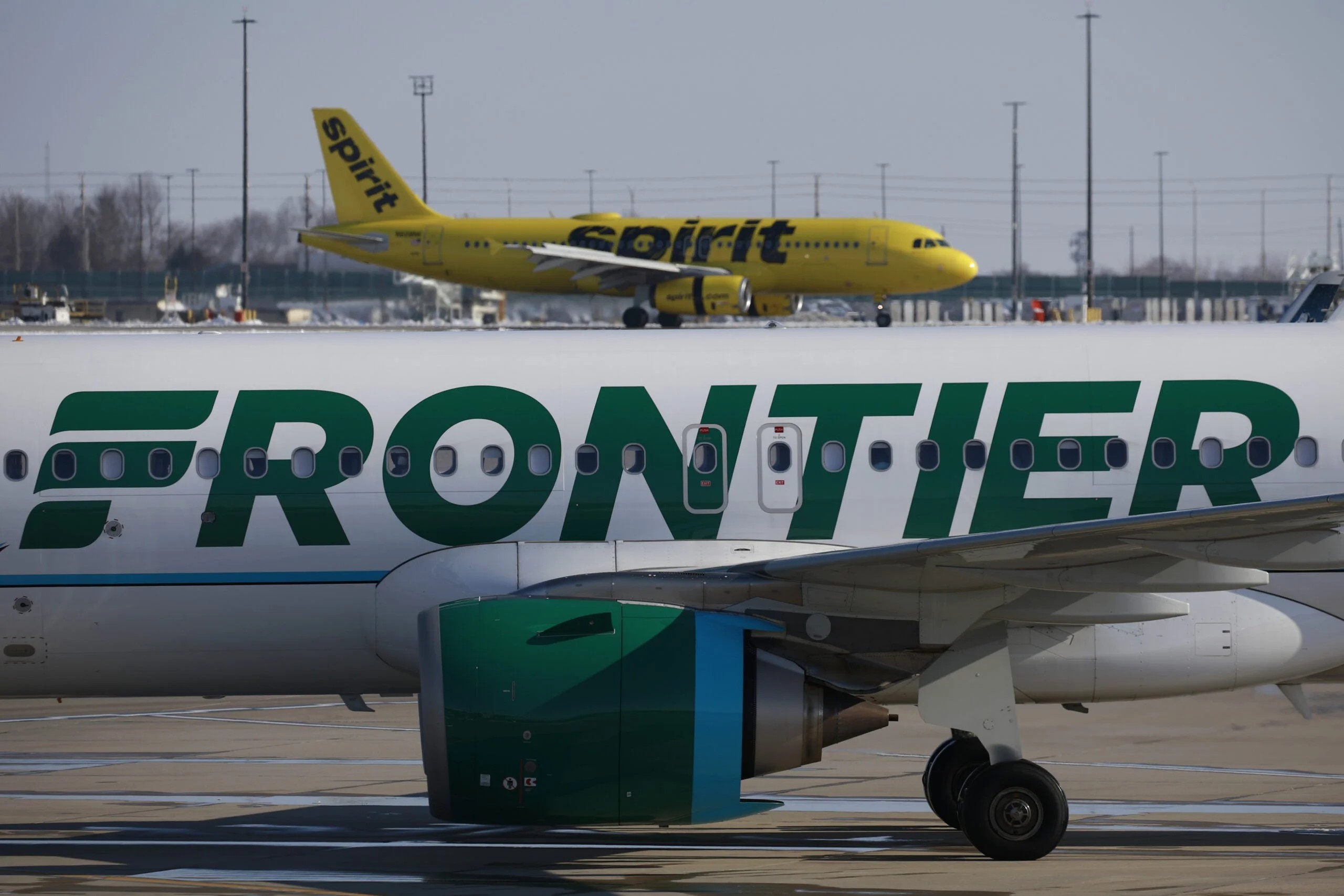
Spirit is gone.
Can anyone else survive this mess?
Seven years ago the budget airlines were printing money. Ultra-low-cost carriers like Spirit and Frontier dominated vacation routes to Orlando, Vegas, and Cancun with fares cheaper than dinner out. You brought a backpack. They gave you a seat. It worked.
Now? The model is cracking.
Spirit collapsed in early May. Its big yellow planes used to define low-cost travel. Bare bones. Extra fees. Cheap tickets. Now the planes are sitting still. The cash is gone. The bankruptcy filings piled up until the debt became impossible.
Frontier, JetBlue. Allegiant. Breeze.
They are rushing into Spirit’s old territory. Filling the slots at Fort Lauderdale. Moving into Atlantic City. Frontier executives claim they are “uniquely positioned” to take Spirit’s customers. They have been head-to-head for years. They think this is an opportunity.
Is it?
Conor Cunningham. An industry analyst. He tells TPG other airlines are in precarious spots. Not like Spirit’s death spiral. But if they don’t fix things?
“It snowballs very quick.”
Here is what we are risking. Cheap air travel. The leverage discount airlines have over ticket prices for everyone else. That pressure is lifting.
Why Spirit Died First
Spirit didn’t just fail. It imploded.
It filed for bankruptcy twice. Accrued billions in debt. Tried everything. The proposed merger with JetBlue died in federal court. New planes sat grounded with engine issues for months. The business model relied on sheer volume. No frills. Just flying.
Travelers stopped caring about just getting there cheaply. After the pandemic they flocked to airlines with premium seats. With loyalty programs that mattered. With routes to Europe. Spirit offered none of that.
By the time jet fuel prices spiked this year. Spirit had no margin left. The $335 million profit from 2019 felt like a lifetime ago.
The Race for the Corpse
While Spirit’s engines cooled. Its rivals moved.
JetBlue announced new flights from Fort Lauderdale (FLL) almost immediately. It’s doubling down there. Making it a major hub.
Allegiant took Atlantic City. Breeze Airways did too.
Frontier says it is ready to win. But look at their books.
A Sobering Reality
The numbers are bad.
Frontier lost $137. Last year. It hasn’t seen profit since before 2020.
JetBlue hemorrhaged $300 million in the first three months of this year alone. Bloomberg says they had to deny bankruptcy rumors just to calm the market.
The costs have gone up. Everything. Fuel. Parts. Labor.
In 2019 you could turn a profit on a $3.9. Today? Forget it.
Travelers want comfort now. Lounges. Lie-flat seats. Credit card perks. The cheap fare isn’t the only thing people vote on with their wallets anymore. The old playbook doesn’t work.
“People wanted different things… They wanted premium… To maintain the old playbook just was not going to work.”
Worse still? The big boys are competing on price.
United, Delta, American. They sell basic economy fares too. They squeeze the low-cost niche. Scott Kirby at United calls their dominance “structural. Permanent. Irreversible.”
Discounters are squeezed.
Fighting for Survival
But the budget carriers aren’t surrendering.
Frontier plans first-class seats. By the end of this year. They say their liquidity is strong. The best it’s been in years. They are telling Wall Street they are fine.
JetBlue is launching domestic first-class. Opening its second lounge in Boston this summer. Looking at a third one in Florida. They partnered with United recently.
Allegiant just got bigger. Merged with Sun Country. They are now the eighth-largest airline in the nation. CEO Greg Anderson talked to Starlink last year. Maybe they put ultra-fast Wi-Fi on no-frills planes next.
They think adding premium features while dropping a competitor makes them stronger.
Will it?
Who Gets Left Standing?
There will always be people wanting cheap fares. There will always be someone offering them.
The Association of Value Airlines sees Spirit’s fall as a warning. They lobbied the White House for fuel help. Unsuccessfully.
Their message: Fewer budget airlines mean higher prices for everyone. The four major carriers—American. Delta. United. Southwest—already dominate the market. Too much power in one place.
Long term. Cunningham thinks Allegiant’s model might work.
Flying to underserved cities. Leisure destinations. A few times a week. It’s how Ryanair won Europe.
But that leaves big cities exposed. If budget airlines retreat to secondary airports who keeps the major hubs competitive?
Frontier is trying. It beat Southwest at Atlanta’s Hartsfield-Jackson (ATL). Now it is the second largest carrier there.
Breeze is growing fast. Cirium data says it will offer nearly 4. more flights this summer than last.
But survival requires creativity.
Not just showing up in New York with $0 fares. You won’t win there.
“You’ve got to know who your core. and what they actually.”