United Captain Gives Passenger 30 seconds to Delete an Antisemitic Wifi Hotspot
The setup
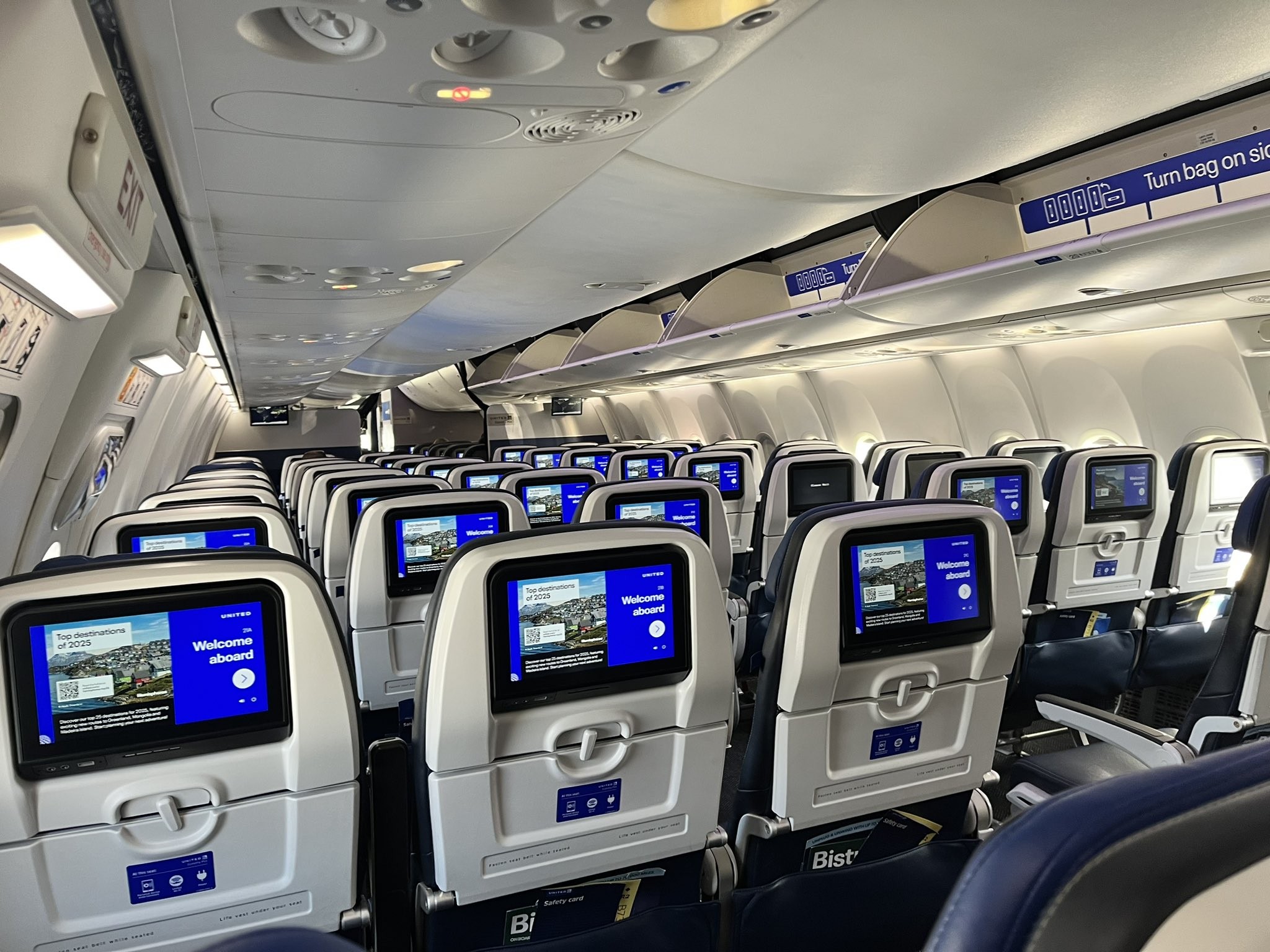
Newark to Miami. May 16. A passenger connected a device with a network name that read “Free Palestine, F Zionists.” The captain didn’t blink. He made an announcement. Security issue. The plane would be “sequestered.” Phones inspected.
The clock started. 30 seconds. Delete it. Disable it. Or meet the officers at the gate.
The cabin went quiet. You could hear a pin drop. The hotspot vanished.
Is it really a threat?
Controversial language in a sealed aluminum tube elicits panic. The purpose of the name was visibility. To be seen. To be read. When you put “F” in front of a group of people who might be sitting three rows behind you, that shifts from opinion to threat. It wasn’t “bomb” or “hijack” or “kill.” Those words have clear definitions in the manual. But context matters.
People rarely announce actual plans. Terrorists don’t broadcast their methods on a local broadcast range. That’s not strategy. That’s a movie villain monologuing while the hero ties the bow on their own noose. It makes success less likely. So why did the pilot react?
It wasn’t about the bomb. It was about the breach of order. The risk of conflict. If half the plane feels targeted and the other half feels vindicated, a physical fight could erupt. That’s the security risk. Not the signal. The reaction.
The definition problem
The name was antisemitic. Let’s get that straight. Some argue that targeting “Zionists” rather than “Jews” is a semantic dodge. It isn’t. It is a hostile slogan. It targets an identity that overlaps heavily with Jewish people. It calls for the eradication of the state that serves as a refuge for those people. That’s violence encoded in text.
Pilot’s prerogative
Captains hold authority. Specifically. They can refuse transportation if they believe safety is at risk. “Safety” includes preventing cabin chaos. The decision rests with the captain. There is little scope for a pilot to be second-guessed. Provided they aren’t acting on race or religion in a vacuum. Here? They acted on a provocation.
The captain threatened law enforcement involvement. He didn’t promise to throw the person off mid-flight. He said, wait until we land. Police discretion kicks in there. Phone searches? Maybe. The airline isn’t liable for what happens after the door closes. The captain just had to tell the truth. No First Amendment violation here either. Private companies aren’t the government. You don’t get free speech protection because a private boss (or captain) doesn’t like your shirt. Or your hotspot.
Jokes land differently in flight
We’ve been here before.
Last year, a passenger on an Austin-Charlotte flight named their network “I have a bomb.” Result? A four-hour delay. Deplaned passengers. Re-screened bags. Police on board.
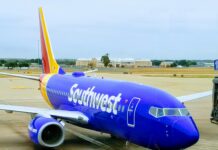
One year after 9/11, a guy on Southwest called his device “Southwest – Bomb on Board.” He changed it to “the bomb is on this seat.” Only when he eventually changed it to a joke about the flight attendant being “hot” did anyone realize he was just trying to be funny. It didn’t matter. The stress was real.
Then there’s the Samsung Galaxy Note 7 incident. Airlines were actively asking if anyone had that battery. One guy named his hotspot after the exploding phone. Chaos. Pure chaos.
Leave it at home
Apartment buildings are full of bad wifi names. Condogirl? Try ATT2sXj6Fk. You might as well keep the default. It saves energy.
Name your home network Al Qaeda Sleeper Cell if you want. No one checks your router from the sidewalk. But a plane? A plane is different.
It’s a confined space. With strangers. And a pilot who just wants to get home without filling out a federal form.
Why invite the trouble?