The airline industry is notoriously difficult to navigate. It is a landscape defined by massive capital requirements, heavy regulation, powerful unions, and almost no “moat”—the competitive advantage that protects a business from rivals. Because of these factors, most airlines struggle to generate high margins. In fact, much of the real profit in aviation today isn’t found in the sky, but in the pockets of credit card companies through travel-related loyalty programs.
For a startup airline, the challenge is even steeper. Without massive scale or global partnerships, a new carrier cannot easily tap into that lucrative financial revenue. If you were forced to start an airline despite these odds, the goal shouldn’t be to build the most luxurious brand, but to find a way to lose less money than the competition.
The Two Contrasting Strategies
There are two primary ways to approach a new airline startup, and they represent opposite ends of the market spectrum:
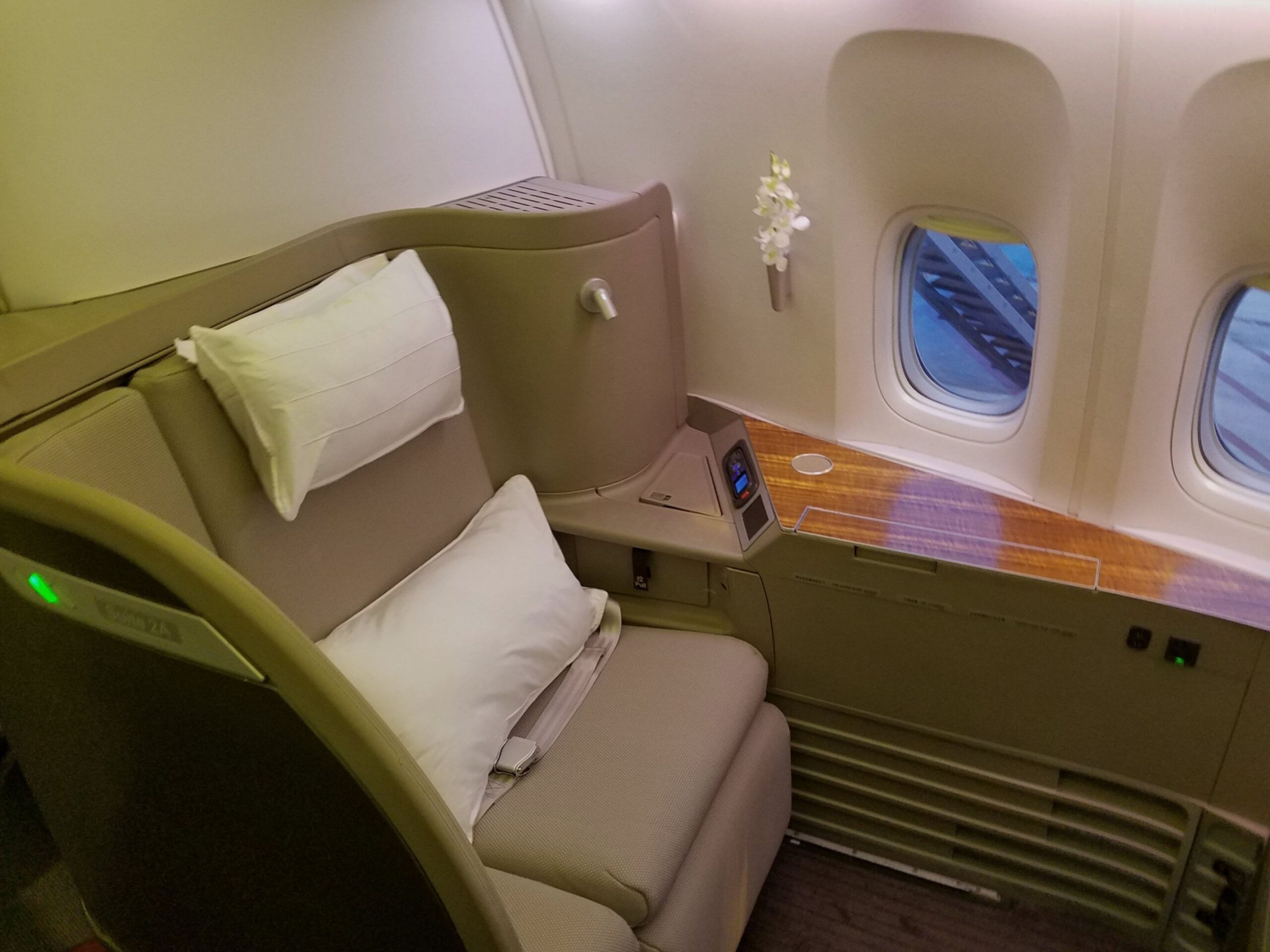
- The Premium Model: Focused on high-end service, premium cabins (like “Mint” on JetBlue), and maximizing revenue through upgrades and loyalty. While this is a much more pleasant experience for the passenger, it requires significant scale to be profitable.
- The Niche Leisure Model: Focused on underserved routes, modest operating costs, and “merchandising” the entire travel experience rather than just the seat.
Looking at recent industry moves, such as JetBlue’s acquisition of Spirit Airlines, it is clear that even established players struggle. A $3.8 billion investment that could have been placed in broad-market index funds would likely be worth significantly more today than the value of the merger it funded. This highlights a recurring theme: it is often more profitable to invest in the broader economy than to fight for scraps in the aviation sector.
A Blueprint for a “Less Bad” Airline
If one were determined to enter the U.S. market, the most logical path would be to avoid the “hub-and-spoke” battle of major carriers and instead target the “Feds, Eds, and Meds” demographic.
This strategy targets state capitals and cities anchored by major universities or medical centers—populations with stable, moderate-to-high incomes and predictable vacation patterns.
1. Targeting Underserved Routes
Instead of fighting for slots in congested hubs, a startup should connect these stable cities to major leisure destinations via non-stop flights. Potential routes might include:
* Baton Rouge, Tallahassee, or Lansing to Las Vegas, Orlando, or Fort Lauderdale.
2. Smart Fleet Selection
Rather than expensive wide-body jets or high-capacity Airbus models, the focus should be on aircraft like the Embraer E195-E2. These planes offer the range and passenger appeal of a mainline jet but with much lower trip costs, making them ideal for routes that don’t require 180+ seats.
3. Beyond the Seat: Selling the Trip
A successful niche airline cannot rely solely on ticket sales. It must act as a travel curator. However, rather than trying to build hotels or attractions from scratch (a mistake made by Allegiant), a startup should partner with established operators.
By forming deep integrations with local hotels, theme parks, and shows, the airline can offer:
* Bundled VIP experiences (e.g., “Las Vegas Downtown Elites”).
* Integrated sales for meals, upgrades, and attractions.
* A consistent, high-quality service level through strategic partnerships.
The Bottom Line
The fundamental problem remains: in a highly regulated, high-cost environment, most of these “better” ideas have already been tried and have largely failed. True disruption likely won’t come from traditional planes, but from emerging technologies like STOL (Short Takeoff and Landing) or eVTOL (electric Vertical Takeoff and Landing) aircraft.
Conclusion: While a niche, leisure-focused model targeting underserved markets offers a way to mitigate losses, the airline industry remains a fundamentally poor way to deploy capital. Until disruptive technology changes the cost structure of flight, the smartest move is often to stay on the ground.