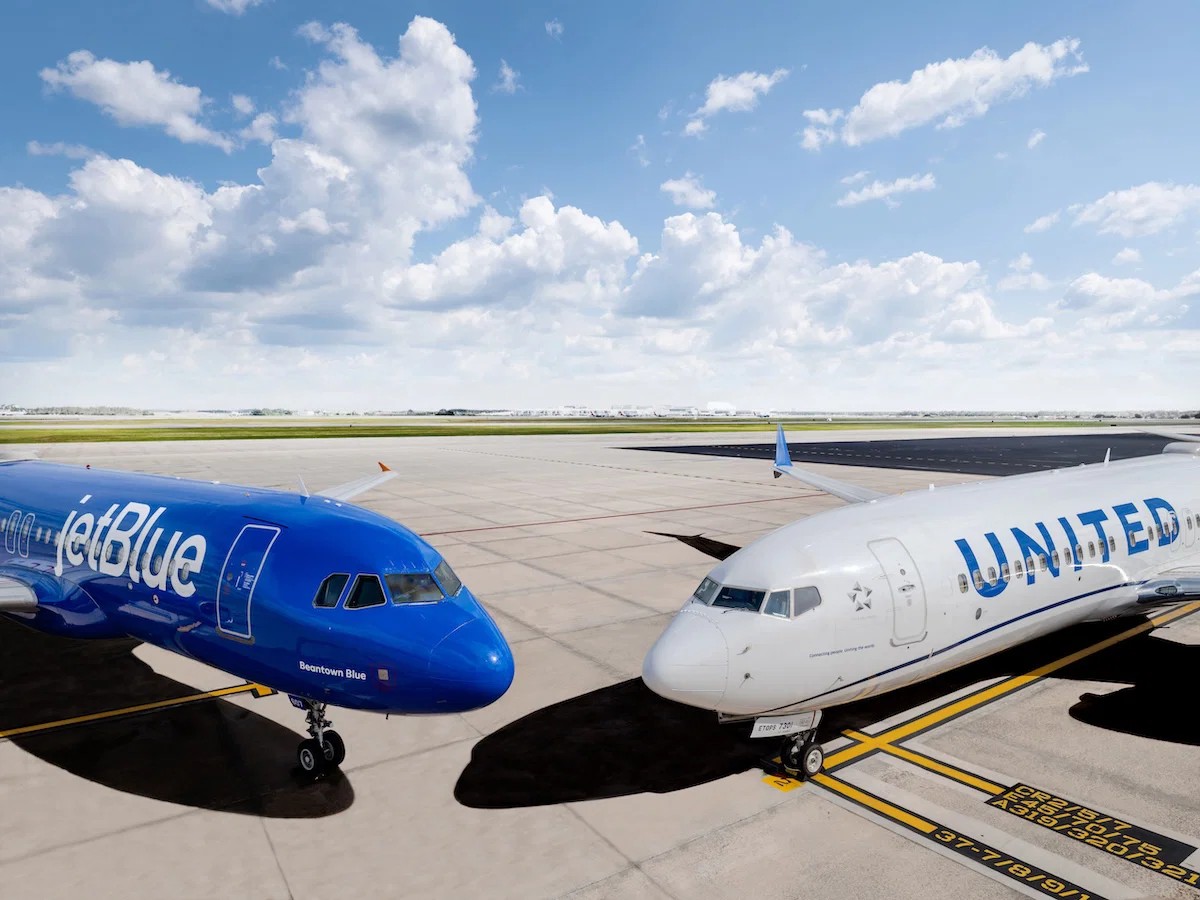
The aviation industry is buzzing with speculation regarding a potential merger between United Airlines and JetBlue Airways. While rumors have circulated for months, recent shifts in the political and economic landscape suggest that the window for such a deal may be open right now.
United CEO Scott Kirby has notably signaled interest, describing JetBlue as an “obvious candidate” for consolidation. However, the question remains: is this a genuine strategic move, or merely industry posturing?
The Regulatory Landscape: A Shift in Strategy
Historically, the primary obstacle to airline mergers has been regulatory scrutiny. The Department of Justice (DOJ) has traditionally blocked consolidations to protect competition. However, the current political climate in the United States is creating a unique opening for United.
Several factors suggest that the traditional “anti-merger” stance may be evolving:
- The Spirit Airlines Precedent: The federal government is reportedly considering an unprecedented move to support Spirit Airlines—potentially through a government-backed loan—to prevent mass layoffs of its 14,000 employees.
- Political Optics: President Trump has expressed a desire to avoid the negative optics of major airline bankruptcies or liquidations under his administration.
- The “National Carrier” Narrative: United CEO Scott Kirby has positioned himself as a supporter of the current administration. This alignment could allow him to frame a JetBlue acquisition not as a monopoly-building move, but as a patriotic necessity to protect American jobs and strengthen the nation’s “flag carrier.”
If United can argue that acquiring JetBlue is a way to prevent the airline from sliding into Chapter 11 bankruptcy—thereby saving jobs—they may find much more lenient treatment from regulators than they would have in years past.
Strategic Value: More Than Just Debt
A major deterrent for any buyer is JetBlue’s balance sheet, which carries approximately $8 billion in debt. Critics often suggest that it would be better to let JetBlue go through bankruptcy and pick up the pieces, but this logic is flawed. Because JetBlue would likely pursue reorganization (Chapter 11) rather than liquidation (Chapter 7), its assets would not simply be handed over to competitors.
For United, the strategic benefits of absorbing JetBlue’s network far outweigh the debt concerns. The acquisition would grant United immediate, dominant access to three high-value markets:
- Boston (BOS): This would allow United to challenge Delta and American Airlines for dominance in the Northeast.
- Florida (FLL): United has long sought a stronger presence in South Florida. By acquiring JetBlue’s gates in Fort Lauderdale (and potentially Spirit’s assets), United could build a massive hub to rival American Airlines.
- New York (JFK): This is the “holy grail.” United currently lacks a presence at JFK, a premier global gateway. While regulators may question if JFK and Newark (EWR) are separate markets, the ability to utilize JetBlue’s infrastructure would transform United’s global competitiveness.
Market Shift: Modern airline strategy is no longer just about geographic distance between hubs; it is about capturing high-yield markets with massive credit card spending potential.
Is This a Move for the Public Good?
While mergers are often criticized for reducing competition, an argument can be made that a United-JetBlue merger could actually optimize the market. JetBlue is primarily a domestic player; it lacks the global network to fully utilize the immense value of a hub like JFK.
By integrating JetBlue’s assets into a global powerhouse like United, these valuable slots and gates could be used to connect more international travelers to the U.S., potentially improving the efficiency of the New York airspace.
Conclusion
The current convergence of political pressure to save airline jobs and United’s desire for strategic expansion creates a “perfect storm” for a merger. If Scott Kirby intends to move on JetBlue, the window of opportunity is likely open now. If no deal emerges soon, it may indicate that the interest was more rhetorical than strategic.