
Ordu doesn’t shout. It whispers.
Located on the rugged edge of Turkey’s Black Sea, this city feels less like a tourist destination and more like a secret that its mountains have guarded for centuries. Here, the tea plantations spreading from the steep slopes, the vibrant, unnatural greenery meet the dark, churning water below. The air here is humid and has the scent of blooming tea leaves.
If you’re looking for Best places to visit in Ordu, you won’t find the atmosphere of a typical Mediterranean beach resort. Instead, you’ll see misty forests, sheltered bays, and streets steeped in history and the smell of damp earth. This is a land of contrast. High mountains touch low clouds. The sea clashes with the shore. In the middle, the pace of life is determined by the tea harvest and the tides.
Historical roots and Geographic Reality
To understand Ordu, you need to look at the map and the timeline. Geographically, it is located in the Eastern Black Sea region. This is more than just a label. It defines the climate, food and soul of the place. The terrain is unforgiving. Steep mountains drop sharply into the sea. The road winds through a tunnels of greenery. Traveling requires patience. But view from the top? Worth every turn.
Historically, this area was a crossroads. The Greeks, Romans, Byzantines and Ottomans all left their fingerprints here. You can see it in the old stone houses clinging to the hillsides. You can also feel it in the local dialect. The city has survived earthquakes, wars and economic changes. It endures.
Today, Ordu is known for one thing above all else: tea. Not only as a crop, but also as a culture. The vast tea gardens covering the mountain slopes form the backbone of the city. They determine the pace of life. When the harvest season hits, the whole area changes. Workers climb the steep slopes and picked leaves with practiced hands. The air buzzes with activity. It’s a sensory experience you can’t get from a guidebook.
But tea alone is only half the story. The other half is the coast.
Why Ordu Deserves Your Attention
Most travelers skip this part of Turkey. They head south to Antalya or Bodrum. Ordu remains under the radar. This is the greatest advantage. The crowds are thin. Prices are lower. The experience is raw.
For travelers planning a trip, this means you’re not fighting for space on the beach. You are walking alone in the ancient forests. You sit in a local çay bahçesi (tea plantation) and watch the mist roll in. What you see there is a Turkey that has not yet been sanitized for mass tourism.
The geography here is impressive. The Çambaşı Plateau is located above the city and offers panoramic views that defy logic. If the weather is clear, you can see the sea stretching out to the horizon, the mountains rising behind you, and the clouds and mist that linger between the peaks. It is a landscape that feels prehistoric.
Logistics: Getting There and Around
Ordu-Giresun Airport (OGS) serves this area. Flights from Istanbul and Ankara are frequent. the city center is about a 30-minute
How ancient empires shaped the Black Sea coast
The land under Ordu’s feet is older than most people realize. Settlement here dates back to 3000 BC, with an early settlement by the Hittites. Then came the Cimmerians, Persians, Romans and Byzantines. Everyone left their mark, but during the Ottoman period the situation changed dramatically. By 1869, Ordu was no longer just a city. elevated to a province. Although often overlooked, it played an important role in the War of Independence.
The first organized settlement was founded by the settlers of Miletos in the 7th century BC. For centuries it has been under Hellenistic, Roman and Byzantine rule. It wasn’t until the Seljuk Turks pushed the Ottomans into power that modern identities began to coalesce. In the middle of the 14th century, a settlement called Bayramlı appeared in the area of present-day Eskipazar. However, with the advent of the 18th century, Bayramli lost its luster. The focus shifted west to a new area called Bucak. In 1869, Bucak was renamed Ordu. The name stuck.
Why geography defines experience
Ordu has established its position in the eastern region of the Black Sea. It is bounded by the sea in the north and a wall of mountains in the south. Adjacent areas are Giresun in the east and Tokat and Çorum in the west. Gümushhane is next to it to the southeast.
The terrain here is not for the faint of heart. The terrain is rugged, mountainous and steep. The northern zone is the Black Sea coast, but only inland does the land rise. The highest peak, Mount Kümbet, is 2547 meters above sea level. This verticality defines the travel experience. You’re not just walking on a flat plain. You navigate in a vertical landscape.
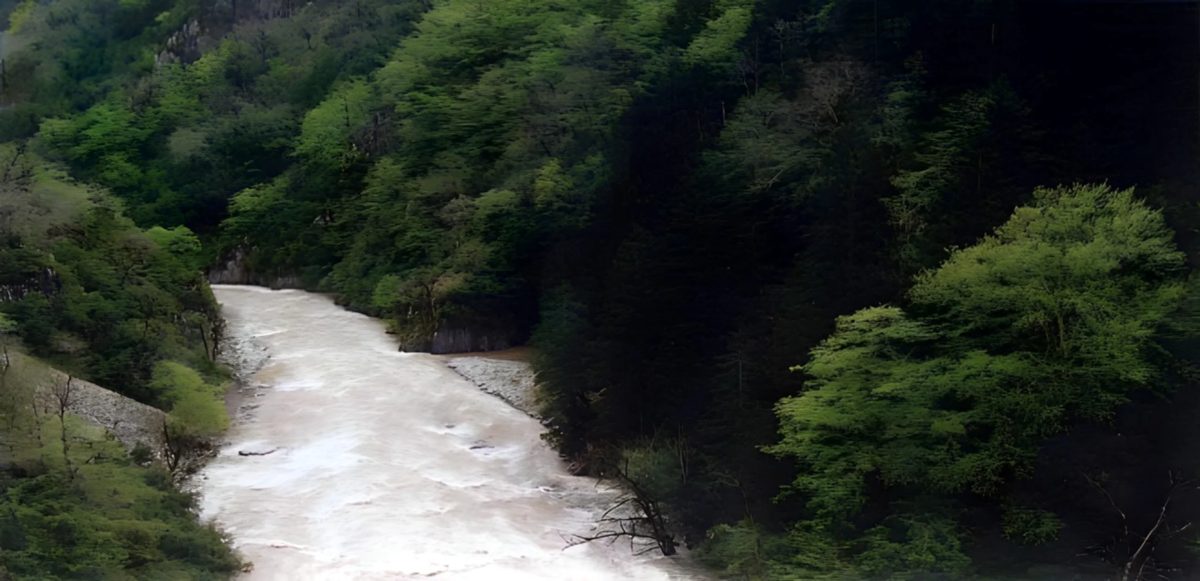
This place was shaped by water. The Fırtına Stream, Perşembe Stream and Bedir Deresi rivers originating from the Ayder Plateau penetrate the rock. Deep canyons are created, which make the journey slow but visually impressive.
Climate: when to go and what to bring
When planning a trip, the climate is the main variable. Ordu has a humid subtropical climate, which is strongly influenced by the Black Sea. It’s wet. It’s very cool. It’s green.
Its characteristic feature is the amount of precipitation. Ordu is one of the rainiest provinces in Turkey. The average annual rainfall is around 1300 mm. It’s not like a torrent that stops in a week. It falls regularly and evenly throughout the year.
The temperature is moderate, but humid. The average temperature in July is 21℃. In January, the temperature drops to around 4 degrees. It’s rarely very hot, but the humidity can make you feel heavy. It snows very often in winter. At high altitudes, there can be snow for months. Humidity is standard 75%.
This creates a diverse microclimate. The coast is calm. It is even more severe inland and in the highlands. For travelers, this means dressing in layers. A waterproof jacket is not a suggestion. it is necessary.
“Ordu’s lushness is a direct result of constant rain, which provides nutrients for agriculture, forests and rare plants.”
This moisture supports its unique ecology. Eighteen orchid species grow here. Some are endemic. Some are rare. If you go hiking in the highlands in late spring, you may find them clinging to damp, moss-covered rocks.
The climate also determines the tourist season. Summers are cool and comfortable, which is an advantage for people who don’t like the heat of Central Anatolia. Winters are cold and wet, which limits sightseeing, but being prepared for the weather adds to the moody, atmospheric charm.
Economy and agriculture
The text cuts off before explaining the economy, but the climate and geography give hints. Agriculture is king here. Abundant rainfall and fertile soil create ideal conditions for growing tea, one of Turkey’s most famous exports. Hazelnuts also grow in this humid environment. Forestry is also an important sector that makes use of the dense forests covering the steep slopes. Tourism continues to grow, driven by the plateau’s culture and natural beauty, but it is second only to the region’s agricultural production.
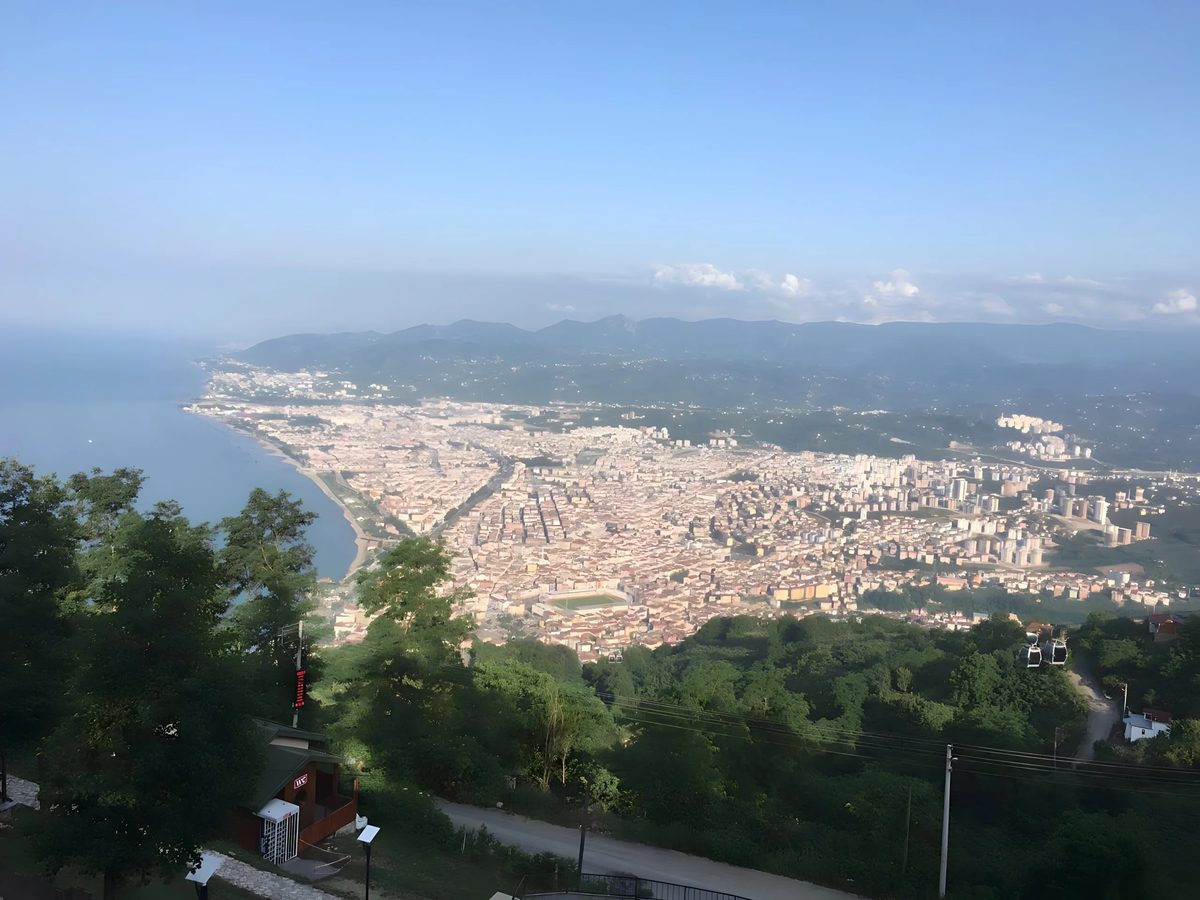
Pillar of the Black Sea: The driving force of Ordu’s economy
Ordu is more than just a beautiful stop on the coast. This is an industrial engine surrounded by green hills. The local economy is supported by five sectors: agriculture, livestock breeding, forestry, fishing and tourism. Most of the people here still live off the land. If you’re planning a trip, understanding this rhythm will help you understand why the food is delicious and why the landscape is so carefully preserved.
Hazelnut Capital
Let’s start with the big thing. Ordu is the world’s largest producer of hazelnuts.
We are talking about 225,000 hectares of hazelnut orchards. There are a lot of trees. Annual production exceeds 200,000 tons. There aren’t many stores that combine nuts with local character like this.
But hazelnuts don’t do all the heavy lifting for you. The fields also produce tea, kiwi, corn, beans, cabbage, potatoes and apples. Ordu is Turkey’s second place in kiwi production and first in honey production. The air smells of damp earth and ripe autumn fruits.
Livestock and dairy products
If you’re looking for protein, it’s local protein. Large herds have more than 100,000 head. Small herds? Half a million sheep and goats roam the pastures. Farming on this scale supports the important production of milk and meat. This is no longer just subsistence farming. This is a structured agricultural sector. When you eat lamb or cheese in Ordu, it probably comes from a farm within a radius of a few tens of kilometers.
Forest and trees
Ordu is a dense forest. The forest area is approximately 350,000 hectares. This is not just pretend. The wood industry produces lumber, firewood and pulp here. Dense mountains provide a natural buffer and strength for local production.
Black Sea catch
The coast is more than just a place to sunbathe. Ordu is one of the biggest fishing centers in Turkey. The Black Sea has plenty of anchovies, horse mackerel, mullet, bluefish and snapper. Fishing culture is deeply rooted here. Almost every menu has a beetroot dish, and there are dozens of ways to prepare it. Fresh and salty flavors are the specialty of this region.
Travel: Beyond the Beach
Ordu’s tourism sector is growing steadily. Visitors are mesmerized by the yaira (upland meadows) and untouched natural beauty. This is not a party destination. This is a great place for hiking, photography and experiencing country life. Its charm lies in the peace of the forest and the steep green slopes leading to the sea.
Outside key areas
The main focus is agriculture and fishing, but industry is also active. You will find companies in sectors such as food processing, textiles, leather, construction and mining. These sectors support the local workforce and provide employment opportunities outside the fields and ports.
Where to go: Visit the sights of Ordu
Now that you know what makes this area tick, let’s talk about where to base yourself. Ordu’s location is impressive. The place where the mountains meet the sea is short and rugged
Escape the city heat: Rize’s Highland Sanctuaries
Most tourists go to Rize to see the tea plantations. Yes, they are iconic. However, July can also be full. If you want cool air and silence, you have to climb. The Black Sea mountains offer a different rhythm. It’s slow. The fog lasts a long time. The real Rize is hiding here.
Perşembe Yaylası is a solid starting point for those who want altitude but don’t want to do an extreme trek. Although it is not the highest plateau, it is easily accessible. You can come here by car from the Perşembe area. The road winds through a pine forest. The temperature immediately dropped by 10 degrees. There are wooden huts on the ridge. They are basic. Clean but very simple. We are here to enjoy the view of Chaykara Valley. Keep calm and quiet. It’s the perfect middle ground between the chaos of the city and the great outdoors.
Ulugöl Tabiat Parkı is nearby, but it feels like another world. The lake was pitch black. Dark blue. Almost black in the shade. This is a protected area, so development is limited to a minimum. That’s the point. You walk the paths around the water. The trees are beech and spruce. They create a cathedral ceiling. In the morning, the mist rises off the surface. It looks like smoke. It looks good in pictures, but don’t use it as a background. Treat it like a sanctuary. Please keep your voice down. Wild animals such as pheasants and sometimes deer live here. They are shy. You might not see them. That is okay.
History and height: The Urban Contrast
In the city of Rize, the contrast is striking. Green mountains meet concrete apartment buildings. Boztepe Teleferik is a bridge between them. Both literally and figuratively. Ride the cable car up the mountain. The trip takes about 10 minutes. The views of the city and the Black Sea coastline open up. It’s crowded here. Tourists and locals. Let’s go early. Before 10 am. Or late in the afternoon. The light is soft then.
From the top, you see the port. Ferries to Hopa and Trabzon. The tea processing plants. Provides context for the area. You’re not just in nature. You are in a work environment. There is a tea museum in the Boztepe complex. It explains the fermentation process. The smell of dried tea leaves filled the air. It’s nostalgic.
If you want to understand local life more deeply, visit the Ethnografya Müzesi. It is located in an old stone building from the Ottoman era. The architectural style is unique. thick walls. Small windows. Everyday objects are displayed inside. A wedding dress with lots of embroidery. wooden weaving tools. Copper pots. This is not a fancy museum. It is very quiet. The curator may be the only person there. Sit down. Look at the artifacts. They tell stories about the Hemshin and Laz culture. It is subtle history. Not shouted at you.
Water, stone and forgotten faith
This area is defined by water. Ohtamış Şelalesi is one of the most accessible waterfalls. It is located near the town of Ardeşen, but an easy day trip from Rize. This hike is
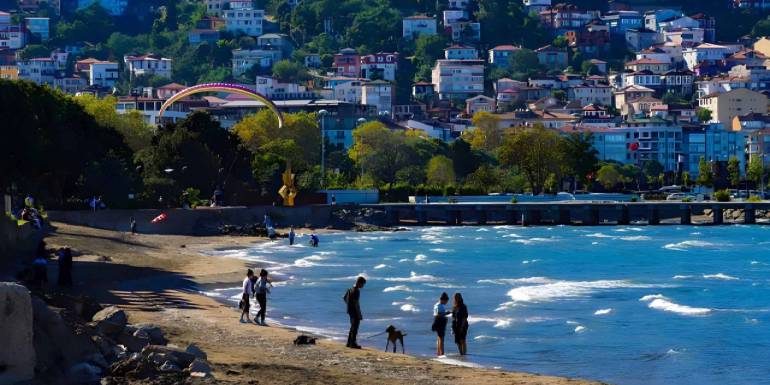
Achieving Ordu is not exactly difficult. You can take advantage of three main routes: road, water and air. The motorway network is surprisingly comprehensive. If you are traveling from Istanbul, Ankara or even Izmir, buses run frequently. After arriving in the province, minibuses will take you to the villages and regions. It’s not just about getting there. Once there, you can just pass over the green hills.
A sea trip is also an option. Ordu is located on the Black Sea coast and has ferry connections from Akçakoca, Perşembe and Çamaş. You can hop on to Istanbul, Samsun, or Trabzon. Beautiful scenery. A very slow journey. If you have time, this is also part of the experience.
If you want to get there faster, we recommend Ordu-Giresun Airport. It is the closest air traffic hub. There is a HAVAŞ bus connection to the city center from the terminal. Very simple. Efficient.
However, don’t expect a smooth arrival. The infrastructure is weak in some places. Traffic in the city center is badly congested. In summer, the situation gets worse. It’s even worse on weekends. In the summer there are many people and the roads are congested.
There are gaps in public transport coverage. In some areas there are no buses at all. You may find yourself stuck or waiting. Parking is also a headache. Finding a place in the center is like a sport. You spin around. You feel stressed. You park illegally and hope for the best possible outcome.
Ordu Cuisine: The Hamsi Factor and Beyond
If you can get through the traffic, the food will forgive you. Ordu cuisine stands out from the wider Black Sea tradition. This is unique. Full of energy. The landscape dictates the menu. The valley is green. All kinds of greenery grow there. Fresh vegetables and fruits from yaylas (summer meadows) are a specialty of local pantries.
Then there’s seafood. The Black Sea offers unique catches that cannot be found anywhere else. The combination of land and sea creates a rich, earthy and fresh taste.
You have to start with the hamsi. Anchovy. They are the soul of this coast. Hamsi Köftesi (anchovy meatballs) is a must. Fried, stuffed, steamed, it’s everywhere.
Isırgan Çorbasası (nettle soup) is also a classic. The taste is very strong. This is a herbal medicine. It cuts through the richness of other dishes. If you have never eaten nettle, you should try it. It tastes like forest floor in a good way.
Then there is Ordu Pidesi. It’s a flatbread that you won’t find anywhere else in Turkey. It’s softer. It is usually filled with cheese or meat. Tear it off by hand. This is casual dining at its best.
Gürcü Kavurması (Georgian-style roast) and Galdirik Kavurması reflect the historical connections of the region. Slow cooked meat dish. They are hearty. They need time to eat and be grateful.
For sweet lovers, Ordu Fındıklı Burma is an iconic. Hazelnuts are the black gold of this region. you will come

Taste of the Black Sea Introduction: Why you shouldn’t miss Ordu’s food scene
If you’re planning a trip to Turkey’s Black Sea coast, you can probably expect standard Mediterranean cuisine. You are wrong. The Ordu kitchen is a unique world of spicy and deeply satisfying food. It’s not just about eating. It’s about navigating a landscape where humidity and mountain freshness meet to create ingredients found nowhere else.
The Ordu dining table has fırın kebabı. Don’t let the name fool you into thinking oven-roasted dry lamb. This is a slow cooked masterpiece where lamb or chicken is served in a clay pot with tomatoes, peppers and hamsi. The flesh falls apart when you touch it. The sauce thickens into a tasty sauce, and the fresh bread absorbs it. It’s comfort food elevated by location.
Hamsi: The Fish That Defines the Region
You can’t talk about Ordu without talking about hamsi (anchovies). This is not decoration. It is a mainstay of the local diet. Ordu has more than 100 different ways to prepare hamsi. The variety is amazing.
- Hamsi Ekmek Arası : Sandwich made of toasted bread, filled with fried hamsi, salad and raw onion. It’s very messy. It is very delicious. Depending on the size of the fish, the price is around 50-100 TL.
- Hamsi tandoor : Roast onions and peppers in a traditional stone oven. Smoky and soft.
- Hamsi Tereyağlı : Fried with butter, garlic and dill. It has a very strong strong taste.
Why do they eat so much? Historically, the hamsi migration brings millions of fish to the Black Sea in late summer and early autumn. The locals preserve it for the winter by drying, salting and smoking. Today, you can eat fresh fish almost all year round, but during the season (August-November) the fish is fattiest and most delicious.
Akchabat Pasturmas: Fully cooked meat
From the seashore to the mountains, you will encounter Akçaabat pastırması. From the nearby town of Akçaabat, this cured meat is different from typical Turkish pastirma. We use a unique blend of spices such as garlic, fenugreek and pepper in very small amounts. The result is a lean, firm, tough, yet tender slice. It is often eaten with yogurt as an appetizer or wrapped in lava bread. It has a rich flavor that surpasses other local dishes.
Samsun Usul Pidesi and Black Sea bread
Pide is famous in Turkey, but Ordu’s version leans towards the Black Sea style. The bread here is thick and chewy and often topped with mıhlama cheese (a mixture of local cheese, cornmeal and melted butter). Çerkez Ekmegi is also a classic. A hearty, tasty bread made from cornmeal and cheese, traditionally served with walnuts and yogurt. It’s very simple. Very sincere. It sticks to the ribs in the best possible way.