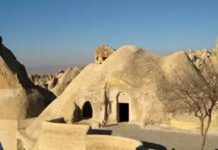
Gwalior is more than just a dot on the map of Madhya Pradesh. This is where history really rides a high horse, or more accurately, a 300-foot cliff. Today, the city is a bustling commercial and industrial center in north-central India centered around a massive walled fort. You can’t miss it. It towers over the plains below and dominates the horizon for miles.
The story here goes back over a thousand years. Gwalior is known as early as 525 AD. For centuries it has oscillated between Hindu and Muslim rule. It was under Hindu rule until 1232. Then it changed hands over a long period of time. In 1751, the situation changed. Since then it has become a strong base for the Marathas. British troops tried to capture the city several times, but the city held its ground for a long time.
Highlights inside the fortress
Why do tourists flock here? architecture. wonderful. This fort has some of the finest examples of Hindu architecture you will ever see. Don’t just stare at the wall. You are looking at a reservoirs that has been there for centuries. Palaces that speak of royal excess. The temple has intricate carvings. Yes, the mosque sits comfortably within the complex, a testament to the city’s storied past.
But the real highlight is right under the walls of the fortress.
Giant Jain Statues
Look closely at the rock wall below the fortress. You will see fifteen 15th-century rock-cut Jain statues dating back to the 15th century. They are massive. Some are nearly 60 feet tall. That is 18 meters of stone carved directly out of the mountain. They are silent, stoic, they are hard to ignore.
Gwalior has a population of over 800,000. It is busy. It’s noisy. It is industrial. But when you climb that cliff, you leave everything behind. you are in another world. Kings built, monks carved and warriors guarded.
How to get there? As it is a major commercial center, it has good transport connections. The train goes to the city center. Buses come from everywhere. But what about climb to the fort? it’s up to you.
Is it worth the effort?
The air up there feels different. Maybe it’s thinner. Or maybe just older. The shadows cast by those 60-foot statues stretch long across the rock. The view of the plains below stretches as far as the eye can see.
You might stay for the history. You can also stay to admire the architecture. But most people stay because of the feeling. I feel like I’m standing in a part of the world that doesn’t want to move.
The fort still exists. The statues remain. The city below is constantly growing and changing. However, time passes differently here.