Granada sits at the heart of Andalusia. It is not just a stop on the map. It is the region’s beating center. Four rivers—Darro, Genil, Monachil, and Beiro—converge here. The soil is rich. The history is deep.
This city draws millions of visitors every year. Why? The Alhambra Palace. The Nasrid Castle. These monuments define its fame. They are the crown jewels of Islamic history in Spain. But the story goes back further. Much further.
The city was founded around 5,500 BC. That is ancient. Roman and Visigothic influences shaped its early years. You can still see traces of this in Bastetania, the oldest part of town. Today, the population hovers around 234,000. People speak Spanish. They use the Euro. It is a vibrant, living place. Not a museum piece.
What to See in Granada
Planning a trip here requires more than a list of sights. It needs context. Where do you start? What is actually worth your time? The city offers museums, historical sites, and tourist hotspots. But the real magic is in the details.
Historic Landmarks and Museums
Start with the big names. The Alhambra is non-negotiable. Book tickets weeks in advance. The Nasrid Palaces inside are stunning. But don’t stop there. The Generalife gardens offer a different kind of peace. Water flows everywhere here. It is cooling. It is calming.
For history buffs, the Albaicín district is essential. It is the old Moorish quarter. The streets wind upward. The views of the Alhambra from the Mirador de San Nicolás are legendary. Go at sunset. The light turns the red walls gold.
Museums here are smaller but significant. The Royal Chapel holds the tombs of Ferdinand and Isabella. The Sacromonte Cave Museum explores the gitano culture and flamenco roots. It is gritty. It is real.
Carmen de los Mártires Houses
Not every historic home is open to the public. Many private carmenes remain hidden behind high walls. These are traditional Andalusian houses with inner courtyards. They are quiet sanctuaries.
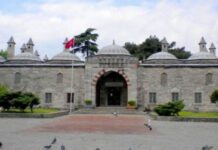
Most of them are off-limits. You can’t just wander in. But a few have opened their doors. The Carmen de los Mártires is the most notable one. It is a perfect example of this architectural style.
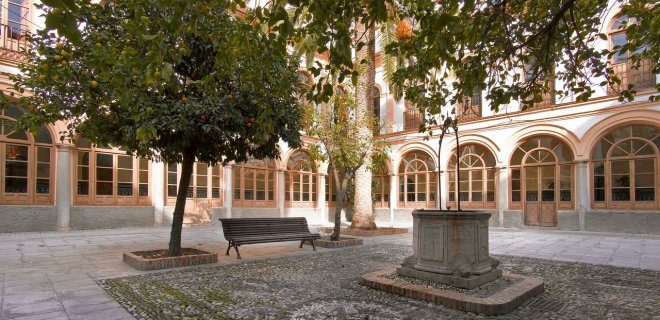
High walls surround it. Privacy is key. Inside, a large courtyard opens up. A big garden follows. It feels private. It feels secluded.
You will see practical living spaces. They are designed for comfort. The gardens are lush. Pears. Peaches. Pomegranates. Grapevines climb the structures. Fountains trickle nearby. Water channels run through the stone. Flowers bloom in every corner.
It is a snapshot of how the elite lived in Granada. It is not grandiose. It is intimate. If you can visit, take the time. It shows the other side of the city. Not just the palaces. The homes.
Practical Travel Advice
When to Go
Summer is hot. Very hot
La Alcaiceria: The Souk in the Heart of Granada
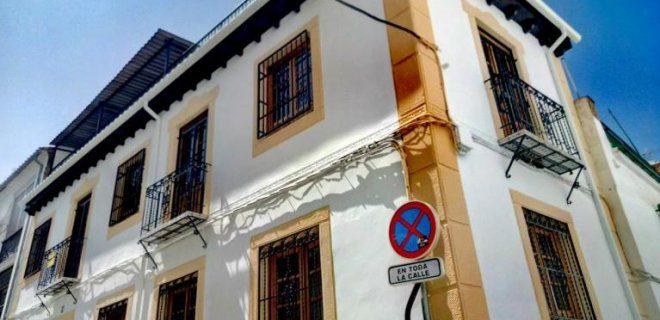
Tucked between the bustling Bib Rambla and the grand Plaza de Nueva, La Alcaiceria feels less like a modern shopping district and more like a step back into the 15th century. This isn’t just a place to buy souvenirs. It is a labyrinth of narrow alleys that once served as the royal silk exchange under the Nasrids. Today, it is the city’s oldest souk, and it retains that heavy, historic atmosphere despite the tourist crowds.
The architecture itself is the first draw. Arched walkways and stone facades frame the street, creating a shaded coolness that offers relief from the Andalusian sun. If you are walking through here during peak summer months, this shade is a lifeline.
What to Buy (and What to Skip)
You will find everything from handmade leather goods to intricate jewelry and colorful spices lining the walls of these tight corridors. It is easy to get lost in the visual noise. The key is to move slowly.
- Spices and Herbs : The scent of cumin, saffron, and dried chilies hits you before you even enter some stalls. Buying high-quality spices here for home cooking is a solid choice, but compare prices with local markets if you are on a budget.
- Leather Goods : Granada is famous for leather. Look for bags, jackets, and slippers. Check the stitching. Cheap imitations are sold alongside genuine craftsmanship.
- Ceramics : Hand-painted tiles and plates are abundant. They are heavy to transport, so consider shipping if you buy large pieces.
The Experience Over the Transaction
The best advice for La Alcaiceria is simple: you do not have to buy anything to enjoy it. In fact, browsing without intent often leads to the best discoveries. The shopkeepers are used to people just wandering in, drinking a coffee, and people-watching.
Find a small cafe along the perimeter. Order a café con leche or a glass of zumo (fresh juice). Sit for twenty minutes. Watch the light shift across the stone arches. Listen to the haggling and the chatter. It is a performance that has been happening for centuries.
Logistics and Timing
Getting there is straightforward if you are in the historic center. The area is pedestrianized, so leave the car. Walk from the Alhambra gate if you are heading into the city, or approach from the Cathedral plaza. It takes about 15 to 20 minutes to wander the length of the souk and its connecting streets.
Timing matters. Early morning is quiet. You can see the workers setting up their stalls. Late afternoon, especially in winter, brings a golden hour glow that photographers love. Midday in July? It is crowded, hot, and less atmospheric.
Why It Matters Now
La Alcaiceria survived the Reconquista and subsequent urban changes that erased much of the old Moorish quarter. Its persistence is notable. While commercialization has crept in with T-shirts and keychains, the core structure remains intact. It is a rare example of continuous public commerce in Europe that still feels organic rather than staged.
There are better deals for bulk souvenirs at the Mercadillo de San Antón or the local supermarket. But La Alcaiceria
The Writer’s Final Sanctuary in Lorca
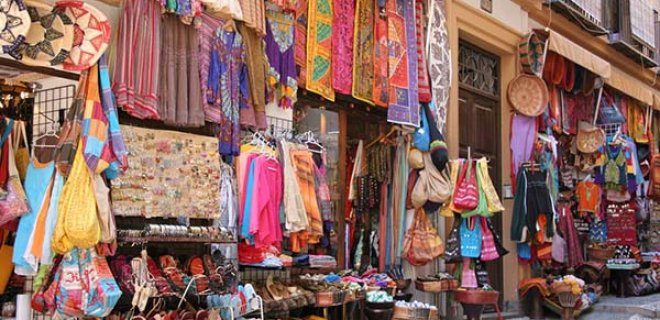
You don’t need a theater ticket to understand the weight of Federico Garcia Lorca’s legacy here. Just walk to the modern section of the city. There, tucked away from the bustling traffic, stands his summer house. It isn’t just a building. It’s a time capsule.
The year was 1936. The poet and playwright had just returned to his hometown, only to be murdered by Nationalist forces in the early days of the Spanish Civil War. Before the violence, this was his sanctuary. He wrote some of his most vital works within these walls. Today, it is a museum. And it is meticulously preserved.
Why visit? Because the preservation is exceptional. The rooms haven’t been stripped bare or turned into sterile exhibits. You get the sense of a life abruptly paused.
The entry fee is 3 Euro. It is a steep price for a small town museum? Maybe. But it is worth every cent. You are paying for the silence. For the specific light that hit his desk. For the authenticity of a space that holds the ghosts of 20th-century Spanish literature.
Do not skip it.
The Baroque Soul of Granada
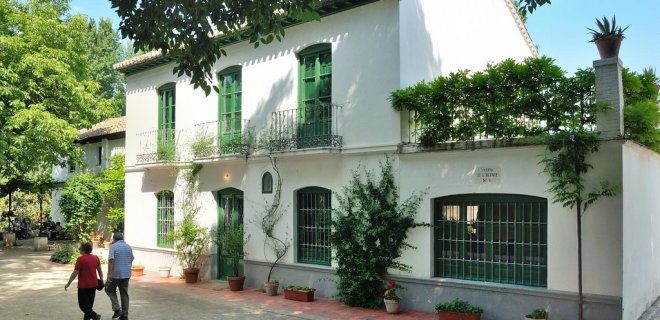
Cartuja Monastery in Granada is not just a stop on your itinerary. It’s a destination that demands you slow down. If you are looking for the ultimate example of Baroque architecture in the city, this is where you go. The grounds used to be a Roman cemetery. That history lingers in the silence.
Construction started in 1516. It took nearly three centuries to finish. The scale of the project is almost hard to grasp. You are walking through layers of history, from ancient graves to Renaissance ambition.
Inside, the museum collection is dense. You will see sculptures. Paintings. Reliefs that catch the light from high windows. The details are intense.
“If you only visit one religious site outside the Alhambra complex, make it this one.”
How much does it cost?
The entry fee is 5 Euro. For the amount of space and art you see, it is a fair price.
When to go?
Go early. The light hits the central courtyard in the morning. It feels sacred. By afternoon, the heat of Granada presses against the stone walls.
Logistics?
It is located on the eastern edge of the city. You can walk, but you will sweat. Take the bus or a short taxi ride. The climb up to the gate is steep.
What to look for?
Don’t just glance at the paintings. Look at the woodwork. The intricate carvings on the pulpits. The way the architects tried to capture divine light in stone. It is overwhelming.
Is there anything more than this? No. It is complete. You stand there. You look up. The ceiling seems to go on forever.
You leave with your camera full. Your legs tired. The city below feels smaller.
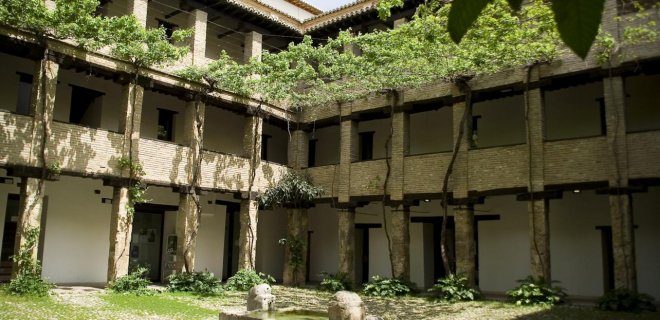
Corral del Carbon: Granada’s Medieval Charcoal Store
Mariana Pineda Caddesi on the corner. You miss it if you aren’t looking. It’s not a palace. It’s not a mosque. It’s a 14th-century Arab-era charcoal store.
The name says it all. Corral del Carbon. Courtyard of Coal.
But the history here is messy. Layers of it. When the Catholic Monarchs took over, the building didn’t get demolished. It got repurposed. First, it became a theater. Then, a meson —a caravanserai for travelers. Now? It’s a museum. And the best part? It’s free.
“Visit when the light hits the central courtyard. The shadows tell a better story than the plaques.”
The structure is modest from the street. Stepping inside, though, is different. The courtyard is the heart. Around it, you’ll find galleries. They’re not huge. They don’t need to be. The space itself is the exhibit.
If you’re planning a trip to Granada, this is a quick stop. Maybe twenty minutes. But it anchors the area. You’re near the Arab Baths. You’re near the San Juan de Dios Museum. It’s a logical pivot point in your itinerary.
The galleries inside are small. Intimate. Sometimes cramped. But they house artifacts that make sense in this context. Tools. Textiles. Fragments of the trade that once moved through these streets. You’re walking through the infrastructure of a medieval economy. Not the royal court. The working class. The merchants. The laborers.
Timing matters. Go early. Or late. Midday heat bakes the stone. The light gets harsh. Morning or dusk? The shadows soften. The stone cools. It feels less like a museum and more like a ruin you’re allowed to walk through.
Logistically, it’s on the edge of the Albaicín. Easy to walk to from the city center. No ticket booth. Just walk in. Look up. Notice the woodwork. It’s rare. Original. You won’t see that kind of craftsmanship in many surviving structures from that period.
Why do people skip it? Because it’s free. Because it’s small. Because it’s hidden behind a nondescript facade.
Don’t.
The courtyard is the point. The surrounding galleries are just context. Stand in the center. Imagine the smell of charcoal. The noise of the market. The heat. It’s gone now. But the walls remember.
Check the opening hours. They shift. Seasonal adjustments happen. Don’t assume it’s open when you think it is. A quick web search before you go saves an awkward standoff at the gate.
There’s a small shop. If you’re tired, sit. Drink something cold. Watch the people pass. The street outside is busy. Inside, it’s quiet. A contrast that feels intentional.
The 14th-century Arab influence is undeniable in the layout. The Catholic modifications are visible in the later additions. It’s a palimpsest. Layers of history scraped off and written over. But the foundation remains. Solid. Stone.
Is it the highlight of Granada? Probably not. Alhambra holds that spot. Sacromonte has its own draw. But Corral
Why Sacromonte is Still Spain’s Most Authentic Flamenco Enclave
You’ve probably heard the hype about Seville’s nightlife. You’ve seen the photos. But if you are actually planning a trip and want to skip the tourist traps, you need to go uphill. Way uphill. Sacromonte, often mislabeled globally as “Gypsy Quarter,” is where the real history bleeds into the present day.
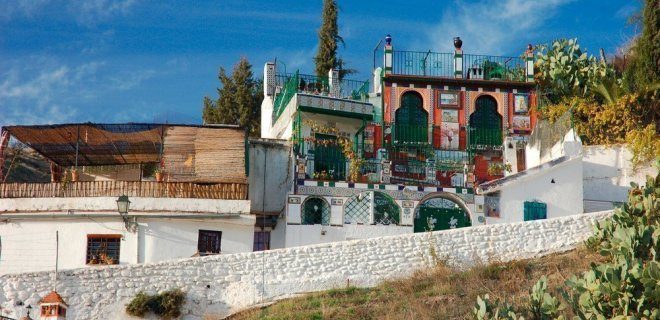
It isn’t just a name. It’s a label slapped on by outsiders during the 18th century when Romani people first settled here. Today, the area retains a raw, unpolished beauty that you won’t find in the polished plazas of the city center. The houses? Tiny. Carefully built. Carved directly into the limestone hillsides. They don’t look like they belong in a modern city. They look like they’ve been there for centuries.
Where to Watch Real Flamenco Without the Tourist Price Tag
Here is the practical truth: you can watch flamenco anywhere in Andalusia. But not all performances are created equal. Some are theatrical spectacles designed for cruise ship passengers. Others are soulful, gritty, and deeply personal.
In Sacromonte, the vibe shifts. Many of the local bars and small tablao venues host shows every single night. The difference? The intimacy. You are sitting inches away from the dancer. You can hear the zapateado (footwork) cracking against the floorboards. You can smell the sweat and the perfume.
“The best flamenco isn’t performed for you. It’s performed by people who live it.”
If you are booking a show, look for smaller venues tucked into the narrow alleyways rather than the large, brightly lit stages on the main roads. The authenticity pays off.
Logistics for Your Visit
Getting there requires effort. That’s the point. Take a local bus or walk up the steep streets from the city center. The walk itself is part of the experience. You pass by whitewashed homes, colorful doors, and the occasional cave dwelling (cueva ).
When to go: Late afternoon. You have time to wander before the sun sets. The light hits the hills in a way that makes the whitewash glow gold. Stay until the night show.
Costs: Expect to pay for a drink with your ticket. Some venues charge a cover fee. It’s rarely cheap, but it’s never a rip-off. You are paying for the space and the talent.
What to look for: The architecture. Notice how the houses are stacked. Notice the caves. Some are still inhabited. Others are restaurants. All of them tell a story.
Is It Worth the Hike?
Absolutely. Not because it’s easy. Because it’s real.
Most travelers stay in the flat, easy parts of the city. They see the cathedral. They eat tapas. They go home. If you climb into Sacromonte, you see something else. You see the layers of history. You see how a community adapted to the land.
You might not get a clear answer on what makes flamenco so powerful. You’ll just feel it. The drumming. The clapping. The voice cracking in the middle of a note.
Leave your expectations at the bottom of the hill. Bring your ears. Bring your attention.
Why the Albaicin Demands More Than a Quick Peek
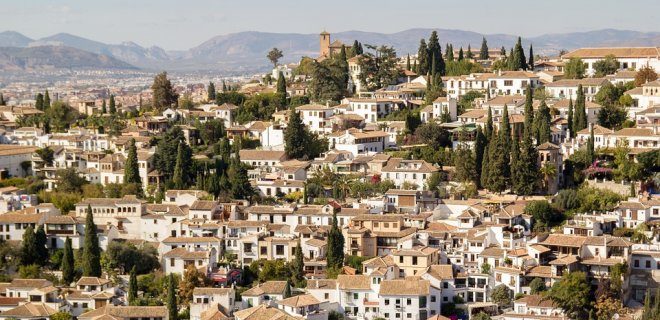
You could wander through Granada’s main streets and feel satisfied. But if you skip the Albaicin, you’re missing the city’s soul. This isn’t just a neighborhood. It is a preserved fragment of a different era, perched on a hill directly opposite the Alhambra. The name itself, Albayzin, echoes the Arabic Al-Bayyazin, a nod to its past.
Historically, this was the Muslim quarter during the Nasrid dynasty. Later, it became a haven for Jewish communities after the expulsion of Muslims. The architecture reflects that layering. Narrow, winding alleyways twist away from the main roads. The walls are thick. The views are sharp.
How to Navigate the Albaicin Without Getting Lost
Do not try to rush this area. You will miss the textures. The streets are labyrinthine. Signage is sparse. GPS often fails here because the paths don’t follow grid logic. They follow elevation and history.
Plan to spend at least half a day. Better yet, stay until sunset. The light hits the Alhambra differently in the late afternoon. It turns the fortress into a glowing amber silhouette against the blue sky. This is the classic view. You will see it from the Mirador de San Nicolás. But getting there requires navigating the Albaicin’s core first.
What to See When You’re There
The scale is human. Not monumental. Intimate. You will pass small plazas that open up unexpectedly. One moment you are in a shadowed stone corridor. The next, you are in a sun-drenched square with a single plane tree.
Visit the Sacromonte border if you have energy left. It is adjacent and famous for its cave dwellers. But the Albaicin itself holds the weight. Look for the Iglesia de San Nicolás. The church is modest. The view from its terrace is not. It is one of the best vantage points in Spain.
The best moments in Albaicin are the accidental ones. A door left ajar. A cat sleeping on a warm step. The smell of frying garlic from a hidden kitchen.
Logistics and Timing
Public buses (C30, C32) run up the hill from the city center. They are cheap. Reliable. But they get crowded. Walking up from the Gran Vía is steeper than it looks. You will sweat. You will appreciate the shade more.
Entry to the Albaicin is free. It is an open-air museum of living history. Shops sell ceramics and spices. Prices are tourist-high but fair for the quality. Do not buy magnets. Buy local olive oil or saffron if you can carry it.
Which Route to Take First
Start at the top near the Alhambra viewpoint. Work your way down. The descent is easier on your knees. You will encounter the Corral del Carbón. It is a small merchant courtyard from the 14th century. It is free to enter. You can walk around it in ten minutes. But it grounds you. It reminds you that this place was once a bustling hub of trade.
Afterward, lose yourself in the backstreets. Avoid the main tourist traps on the lower slopes. Go higher. The air is thinner. The crowds thin out. You might hear flamenco practicing
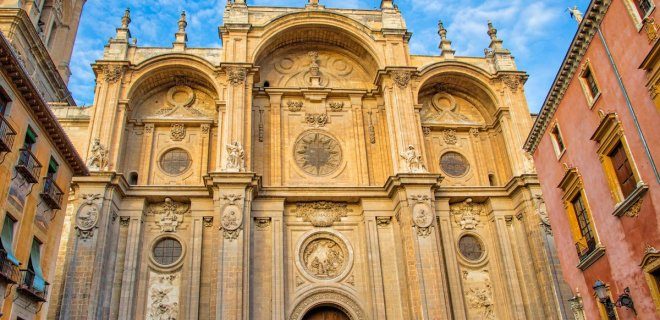
Inside the Granada Cathedral
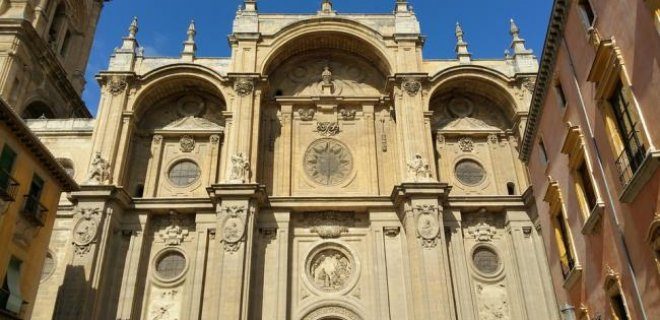
Construction on the Granada Cathedral didn’t wrap up until 1523. It took nearly a century to finish what you see today. The structure stands in the absolute heart of the city. It was built as a tribute to King Ferdinand and Queen Isabella. You can still feel their presence in the stone. The architecture is massive. The detailing is obsessive. Every corner holds a story carved in limestone.
There is a weird tradition tied to the walls. In an era before university degrees were handed out to anyone with a coin, graduating was rare. When someone did earn a degree, their family name was etched into the cathedral’s interior walls. It wasn’t just decoration. It was a permanent record of privilege and intellect. The tradition stuck. Decades turned into centuries. If you walk through the nave now, look up. Scan the upper walls. You will still see those names. They are faded, maybe, but they are there.
“If you walk through the nave now, look up. Scan the upper walls. You will still see those names.”
Visiting this site isn’t just about checking a box. It’s about seeing how religion and royal power merged in stone. The Granada Cathedral is the primary landmark for anyone asking what to see in historic Granada. It dominates the skyline. It anchors the plaza. For travelers figuring out how to plan a trip to Andalusia, this is the starting point. The location is central. You can’t miss it. The cost is standard for Spanish monuments, but the history is pricelessness. Go in the morning. The light hits the details differently. The crowds are thinner. You get the silence before the tour buses arrive.
Why the Alhambra is Granada’s Crown Jewel
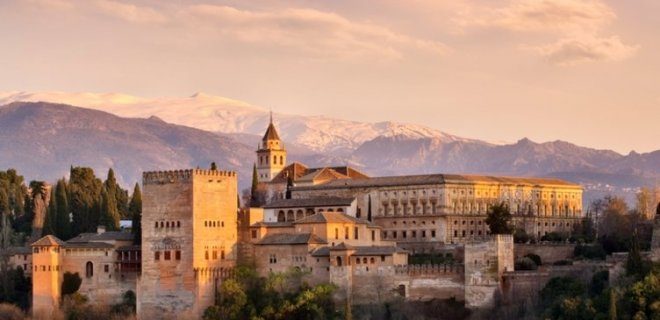
If you are planning a trip to Spain, you have likely seen the postcards. The Alhambra Palace in Granada is not just a building. It is the entire soul of Andalusia wrapped in stone.
The gardens alone are enough to make you stop walking. They are breathtaking. Lush, intricate, and seemingly endless. The complex dates back to the 9th century. That is over a thousand years of history sitting right there on the Sabika hill.
But here is the thing about visiting Alhambra Palace Granada. It is not just about the architecture. It is about the view. The palace opens up to reveal the entire city of Granada below. You can see the white houses, the river, and the distant mountains. It is a perspective you will not forget.
Why do travelers obsess over this site? It is considered one of the most beautiful historical sites in the world. And for good reason.
Planning Your Visit to the Alhambra
You cannot just show up. This is the most important logistical fact you need to know.
Tickets sell out weeks in advance. Often months. You must book online before you even pack your bags. Do not wait until you are in Granada. You will likely find the gates closed to you.
What should you budget for?
– Entry tickets are pricey but non-negotiable.
– Audio guides are helpful but not mandatory if you do your homework beforehand.
– Bring water. The gardens are large and the sun can be harsh in summer.
What Makes the Nasrid Palaces Unique
Inside the walls, the detail is suffocating. In a good way. The stucco work. The tile mosaics. The calligraphy carved into every surface.
The Nasrid Palaces are the heart of the complex. They are small rooms stacked on top of each other. The ceiling heights are low. The walls are high. This creates an intimacy that modern spaces lack.
Which part should you prioritize? The Court of the Lions. It is the highlight. But the Generalife gardens are right up there. They were designed as a summer retreat. A place to cool off and think. The water features here are quieter. More meditative.
Timing is Everything
When should you go? Early morning is best. The light is soft. The crowds are thin. By 10 AM, the lines stretch around the block.
Evening visits offer a different vibe. The lights turn on. The palace glows against the night sky. It feels magical. But you must check the specific time slots. They change with the seasons.
Is it worth the hype? Yes. It is the reason so many people fly into Granada in the first place. It is not just a museum. It is a feeling.
You leave with dust on your shoes and awe in your chest. And you immediately start planning your return.
Eurostars Gran Via: Barrio Sacro’da Tarihle Buluşmak
Gezi planınız bittiğinde yorgun düşmeniz normal. Granada’nın o büyülü sokaklarını gezmek fiziksel bir efor. Geri döndüğünüzde rahat bir yatak arıyorsanız, Eurostars Gran Via tam size göre.
Bu otel sadece bir konaklama yeri değil. 19. yüzyıldan kalma bir binanın içinde yer alıyor. Taş duvarlar. Ahşap detaylar. Tarih kokuyor.
Oda geniş. Nefes aldıran bir alan. İnternet ücretsiz. Hızlı. İhtiyacınız olan her şey burada. TV var. Banyo özel. Yatağı ise unutulmaz. Sabah kalktığınızda dinç hissediyorsunuz.
“Her şeyiyle kusursuz olan otelde unutamayacağınız bir konaklama tecrübesi edineceksiniz.”
Konum da önemli. Barrio Sacro’da. Yani Nasırlar Sarayı’na yürüme mesafesinde. Gece yarısı bile güvenle dışarı çıkabilirsiniz. Atmosfer ayrı. Sessiz ama canlı.
Bütçe dostu mu? Evet. Kalite açısından ise üst segmentte. Tekrar gelmek isteyeceğiniz bir yer.
Stop paying for views you can’t afford
You think you need a palace to feel like you’ve made it in Granada. You don’t. You just need a bed that doesn’t creak and a location that keeps you sane.
Hotel Macia Real De La Alhambra sits in a quiet pocket, far enough from the chaos of the Albaicín’s narrow, steep stairs but close enough to walk to the big sites without breaking your legs. It’s about 3 kilometers from the historic center. That’s a manageable 30-minute stroll or a quick taxi ride that won’t break the bank.
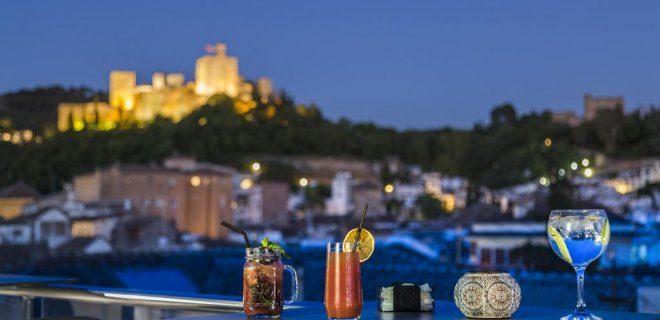
The rooms are standard. TV. Safe. Free WiFi. Private bath. Nothing fancy. But the higher-tier rooms? They have balconies. With sun loungers. Imagine sitting there at 6 PM, watching the light hit the Alhambra’s walls while eating a slice of tostada con aceite (bread with olive oil). That’s the view you’re paying for, not the room itself.
Parking is on-site. Yes. But it costs extra. Don’t assume it’s included. Budget for it. Or park elsewhere and walk.
What the price actually buys you
The rate runs 98€ to 269€. Why the spread? Seasonality. Location within the hotel. View direction.
At 98€, you’re getting a no-frills room. Good for sleeping. Good for showering. Not for lingering.
At 269€, you might get that balcony. Or a larger space. Or a window facing the garden instead of the street.
It’s not the cheapest option in Granada. You can find hostels for 30€. You can find pensiones for 50€. But this is a step up. It’s reliable. It’s clean. It has a front desk that speaks Spanish and maybe English. That matters when you’re tired. That matters when you miss the last bus.
Who is this for?
Couples. Business travelers. People who hate climbing hills after dinner.
If you’re a backpacker on a shoestring, skip it. Go to the outskirts. Stay in a hostel in the center. Save the money for tapas.
If you’re visiting for the first time and want comfort, this works. You can walk to the Alhambra. You can walk to the Cathedral. You can take a cab back if it rains.
The phone number is +34 958 21 78 10. Call them. Ask for a balcony room. Ask if the parking fee is per night or per stay. Get it in writing.
The hidden cost of convenience
You’re paying for proximity without the price tag of a landmark hotel.
The address is Calle Gran Vía de Colón, 20. It’s a wide street. Traffic moves. You can hear the city, but you don’t feel it in your bones. That’s a feature. Not a bug.
Most travelers in Granada are exhausted. The hills are brutal. The cobblestones are uneven. The heat in July is relentless. Coming back to a room with a balcony and a lounge chair isn’t a luxury. It’s survival.
Is it worth 269€ a night? Maybe not. But is it worth 1
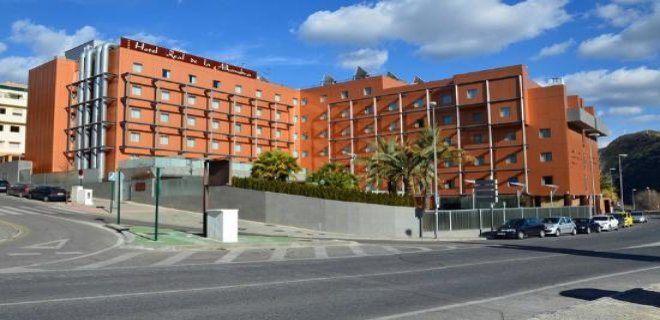
Calle Mirador del Genil, 2. That is the address. 18008 Granada. Spain.
You can call them at +34 958 21 66 93 if you need to. But you probably won’t. You’ll just book.
Prices range from 60€ to 141€. Not cheap. But Granada is not cheap anymore. It hasn’t been for years.
Hotel Granada Center
This place sits right in the thick of things. The center. Close enough to walk to the Alhambra, if you’re willing to climb the hill. Close enough to get lost in the Albaicín neighborhood and find a tapas bar that smells like garlic and old stone.
Tourists love it. They flocked here for a reason.
Every room has the basics. Free wifi. You need it. To map your escape. To translate the menu. To call a taxi when your feet give up.
Air conditioning. Granada gets hot. Insanely hot in July. Don’t skimp on this.
The beds are comfortable. Or at least, they’re supposed to be. If you’re sensitive to mattress firmness, pack a sleep aid.
Minibar. Television. Standard European fare. Don’t expect luxury. Expect functionality.
Couples dominate this hotel. It’s quiet. Intimate. Small.
If you’re traveling alone? Skip it. The rooms feel cramped for one person trying to work or unpack. It’s designed for two people sharing space, not one person needing room.
Bring your partner. Or your best friend. Just don’t go solo. You’ll regret the tight quarters.

Macia Monasterio de los Basilios: Where 17th-Century History Meets Modern Comfort
Finding a hotel in Granada that doesn’t feel like a sterile box can be a chore. Most options cluster around the Alhambra or the bustling Plaza Nueva, but sometimes you want something with actual bones. Enter Macia Monasterio de los Basilios.
It’s not just another chain stay. This property sits in the Genil area, which feels slightly more removed from the tourist crush, yet remains conveniently central. If you’re planning a trip to Granada and wondering where to stay for authentic character mixed with modern amenities, this is a strong contender.
The building itself has a past. It used to be a mosque. Yes, you read that right. Before it became a hotel, it was a Muslim Mosque, dating back to the 17th century. The restoration process was meticulous. They didn’t just slap fresh paint on old walls. They converted the space into a hotel while trying to honor its layered history.
Why This Location Matters
The address is Av. de Fuente Nueva, s/n, 18002 Granada, Spain.
That puts you in the Genil neighborhood. For travelers, this is a strategic spot. You’re close enough to walk to the main attractions, but far enough that you might get a quiet night’s sleep. The hotel offers air conditioning, spacious rooms, and free Wi-Fi. These are standard expectations now, but in a historic building, they’re often hard to come by without sacrificing atmosphere.
“The hotel offers a unique accommodation experience with its central location and spacious, air-conditioned rooms.”
What You Actually Get For Your Money
Price is always the sticking point in Spain during peak season. Here, you’re looking at a range of 82€ to 539€.
Why such a wide spread? It depends on the room type and the time of year. The lower end gets you into the historic structure. The higher end likely includes suites or rooms with better views or larger square footage. If you’re budget-conscious, aim for the lower bracket but book early. Granada fills up fast, especially when the weather turns warm.
Is It Worth The Hype?
It depends on what you value. If you want sleek, minimalist modernism, look elsewhere. If you want to sleep in a building that once echoed with the call to prayer, and now echoes with the hum of an air conditioner and the clink of coffee cups, this is it.
The restoration of the mosque into a hotel is a notable feat. It’s not just a gimmick. It’s a tangible link to Granada’s complex history. You can’t always touch the past, but here, you can book a night in it.
For logistics, the telephone number is +34 958 20 50 00. Call if you have specific requests. Historic buildings often have quirks. A direct conversation might save you a headache later.
The Genil area is also near the river. In summer, the banks of the Genil are a popular spot for locals to escape the heat. You’re close to that life. It’s not just about the Alhambra. It’s about the city’s pulse, too.
So, when you’re mapping out your Spain
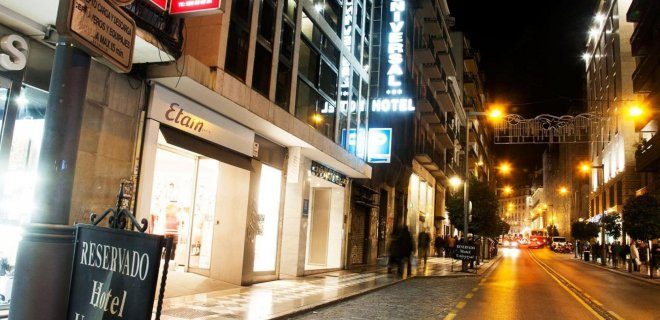
Hotel Universal: A Central Base Near the Cathedral
If you’re looking for a spot that balances convenience with character, Hotel Universal sits on Paseo de los Basilios. It’s not in the thick of the Albaicín maze, nor is it buried in the tourist trap zone near the Alhambra gate. It’s right there on the edge of the historic center. The address is specific: Paseo de los Basilios, 2, 18008 Granada, İspanya.
The price tag runs between 65€ and 100€. That’s not cheap for Granada, where you can find hostels for twenty bucks a night. But you aren’t paying for a bed. You’re paying for location and the specific brand of comfort this place offers.
Why Travelers Choose This Spot
The main draw is the cathedral. It’s about a five-hundred-meter walk. You can see the dome from many angles, but staying here puts you close enough to watch the light change on the stone as the sun dips. For first-timers, that proximity matters. You don’t want to be hiking back up a hill after a long day of climbing the Alhambra stairs.
There’s another logistical reason people book here: the airport. It’s close. If you’re catching an early flight and hate the idea of a 4 AM taxi scramble, this is your answer. The transport links from the hotel to the airport are straightforward. No confusing bus transfers at midnight. Just a direct ride.
Inside, the rooms are designed well. Not flashy, but functional. The layout makes sense. Storage, lighting, a decent bed. It’s modern enough to not feel like you’re sleeping in a museum exhibit.
The Terrace Cafe Factor
The hotel has a cafe with a terrace. This is the real differentiator. In Granada, the terrace isn’t just a place to sit; it’s a social hub. You can watch the street life. You can grab a coffee or a caña (small beer) without leaving the property. The staff are there 24/7 at reception, which helps if you’re arriving late or leaving early. No awkward waits at a locked door.
Is It Worth the Premium?
Compared to the budget options in the older quarters, yes. You’re paying for predictability. The service is consistent. The silence, mostly. And that walk to the cathedral? It’s pleasant. Flat. Easy.
If you’re planning a trip and want to avoid the hilly exhaustion that comes with staying too deep in the historic center, this is a solid choice. The cost is higher, but the time saved on transit is real.
What’s nearby? Tapas bars. Several of them. You’re not isolated. But you’re not screamingly loud either. It’s a middle ground.
The phone number is +34 958 81 74 01. Save it. You’ll need it if the taxi situation gets weird at the airport drop-off.
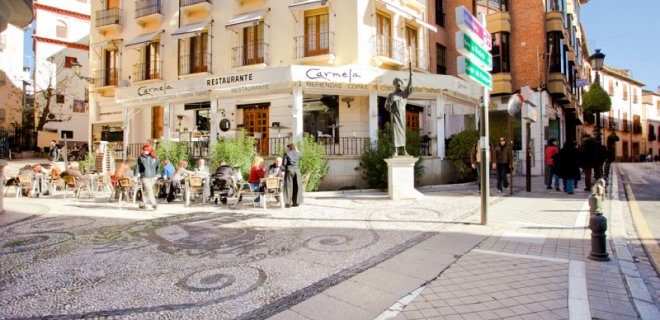
Calle Recogidas, 16 adresinde bulunan Carmela Restaurante, şehirdeki en kalabalık noktalardan biri. Kapasite sınırı yok gibi duruyor. Her gün herkes burayı dolduruyor. Bu kalabalık rastgele değil. İnsanlar belirli bir lezzet için geliyor.
Kroketi. Tam da bunun için sıraya giriyorsun.
Tortillası da aynı derecede popüler. İspanyol omletinden bahsediyorum. Ama daha özel bir versiyon. Malzemeler taze. Personel profesyonel. Sanki yıllardır burada, aynı nokta için çalışıyorlar. Kusursuzluk bir pazarlama cümlesi değil. Gerçek bir standart.
Fiyat aralığı 85€ ile 99€ arasında. Bu, Granada için yüksek sayılabilir. Ama deneyimin kalitesini düşününce, her kuruşu değer. Özellikle yemek kültürüne önem veren, sadece tok kalmakla kalmayıp bir şeyler öğrenmek isteyen gezginler için ideal.
Telefon numarası +34 958 26 00 16. Rezervasyon yapmak mantıklı. Yoksa saatlerce bekleyebilirsiniz. Sıra dışı bir deneyim. Sıra içinde.
Granada, sadece taş binalarıyla değil, sokaklarındaki seslerle de tanınır. Carmela, bu seslerin en güzel hali.
Neden Carmela?
Sorun şu: Turistik tuzaklardan kaçınmak. Ya da tam tersi, efsaneyi denemek. Carmela, ikisinin arasında bir yerde.
- Kroketler: İnce kızarmış dış katman. İçinde kremsi bir bechamel ve et parçacıkları. Tam kıvamında.
- Tortillas: Patates ve soğan ile. Bazı yerlerde jamon ekleniyor. Ama temel hali bile yetiyor.
- Hizmet: Hızlı. Dikkatli. Yorgun bir gezgin için büyük bir lütuf.
Şehirde başka neler var? Bir sürü. Ama Carmela, giriş noktası. Özellikle ilk kez gelenler için.
Granada’nın ışıl ışıl sokaklarında kaybolurken, midenizin de rehberliğe ihtiyacı var. İşte o noktada, Calle Recogidas’daki bu kapıyı açmanız gerekiyor.
Peki ya sonra? Karnınız doymuş. Şehir sizi bekliyor. Alhambra’nın gölgeleri uzuyor. Gece yaklaşırken, sokak müziği başlıyor. Bu, sadece bir yemek molası değil. Bir geçiş.
Why Gran Cafe Bib-Rambla Still Matters
The address is Calle Colcha, 13, 18009 Granada, İspanya. The phone number is +34 958 22 57 94.
This isn’t just another coffee spot. It is a fixture. Gran Cafe Bib-Rambla has been serving the city since 1907.
That is over a century of continuity.
In a city that sees waves of tourists every month, this place remains stubbornly local. It is one of Granada’s oldest cafes for a reason. The atmosphere does not change with trends. It settles.
The reputation rests on its pastries. Specifically, the pastries made by hand.
The pastries here are famous. You should taste them.
If you are planning a visit, do not skip it. The menu is simple. You go for the atıştırmalık (snacks) and the baked goods.
Timing matters.
Go when the light hits the street. Go when you have an hour to kill. Or just twenty minutes.
The staff knows the regulars. They know the order of things.
It is easy to walk past. Hard to ignore once you are inside.
The pastry case is the center of gravity. Look at the layers. Look at the crust.
Then order.
You might expect a long wait. You might not.
But the wait is worth it. The flavor is not. It is immediate.
Granada has many places to drink coffee. Few have this history.
Visit before the rush. Sit by the window. Watch the city move.
Then take a bite.
You will understand why 1907 still feels relevant.
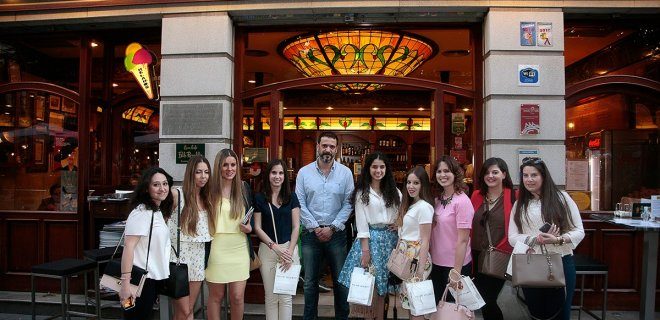
Plaza de Bib-Rambla’nın kalbinde, 18001 kodlu bu adres sadece bir sokak numarası değil. Saat 34 958 25 68 20 numarasını çevirip yerin ne kadar dolu olduğunu kontrol etmeden gitmeyin. Sabbore, turistlerin çoğunun atladığı, ama yerel lezzet tutkunlarının sırtını sıvazladığı o tür mekanlardan biri.
Neden Sabbore’de Dondurma Yenir?
Çoğu yer, sadece hızlı geçiş için dondurma satan bir tezgâhtan ibarettir. Sabbore farklı. İçeri girdiğinizde kendinizi sanki sevimli, biraz da beklenmedik bir anıt müzesine girmiş gibi hissedeceksiniz. Ortamın havası farklı.
Eğer dondurmayı seviyorsanız burası sizin için bir durak olmalı. Peki neden? Çünkü sunumlar rastgele değil. Her kepçe, her kupa özenle hazırlanmış. Farklı dondurma çeşidini deneyebileceğiniz bir mekanda, standart çikolata veya vanilya hayali kurmanıza gerek yok. Burada risk alırsınız, ama ödülü alırsınız.
Servis kalitesi göz alıcı. Sadece tat değil, deneyim de satın alıyorsunuz.
Konum ve Ulaşım
Adres tam ortada: Plaza de Bib-Rambla, 3, 18001 Granada, İspanya.
Albayzín’deki dar sokaklarda kaybolup başınızı ağrıtmak yerine, doğrudan buraya yönelin. Meydanın kenarında. Alışveriş çantanız ağırsa, ağırlığı hafifletmenin en iyi yolu burada durup bir atıştırmak.
Telefon numarası +34 958 25 68 20. Acil bir durum olmasa da, gruplarınızın büyüklüğüne göre yer ayırtmak isteyebilirsiniz.
Ne Sipariş Edilmeli?
Menü karmaşık olabilir. Ancak kural basit: dondurmayı çok seviyorsanız Sabbore’ye kesinlikle gitmenizi öneriyoruz. Sadece gidecekseniz değil, durup bakacaksanız.
Tek bir tatla yetinmeyin. En az üç farklı türden deneyin. Fiyatlar Granada standartlarına göre makul, ama kalite premium.
Sonuçta, İspanya’da dondurma sadece bir tatlı değil, bir ritüel. Sabbore’de bu ritüeli doğru yapıyorsunuz.

Location is everything in Granada, but so is the vibe. Most people rush through the center, eyes glued to maps, missing the places that actually define the city’s soul. Bodegas Castaneda sits right in the thick of it. The address is precise: Calle Estribo 1, Plaza de Bib-Rambla, n°11. It’s near the cathedral, but don’t let the tourist traps nearby fool you. This spot is different.
Why Locals Skip the Crowds
Weekday evenings here are quiet. Not dead, just calm. You can actually hear yourself think. That’s the point. During the week, there’s no rush. No screaming for tables. Just steady service and genuine food. If you visit on a Saturday night, you might find yourself standing in line. But on Tuesday? You get the full experience. The atmosphere isn’t just nice—it’s necessary for a true tapas crawl.
The Price-to-Value Ratio
Costs add up fast in Spain’s capital of tapas. One bad meal can eat your budget. Bodegas Castaneda avoids that trap. Prices are moderate. Realistic. You get quality ingredients without the “tourist tax” markup. You’re paying for the food, not the view.
The Dessert Factor
Most travelers skip dessert. They’re too full. Or they assume Spanish sweets are too heavy. That’s a mistake here. The local pastries are the real highlight. They’re fresh. They’re sweet but not cloying. You leave satisfied, not stuffed. It’s a small detail. A small detail that makes the trip memorable.
How to Find It
The plaza is busy. Keep your eyes open. The number 11 is small. It’s easy to miss. Walk past the main squares. Look for the unassuming facade. Once you’re inside, the shift in energy is immediate. The noise of the city fades. The clinking of glasses takes over. It’s simple. It’s effective.
There’s no phone number listed online. That’s part of the charm. You just go. You sit. You eat. You stay as long as you want. No reservations. No stress. Just good food, reasonable prices, and a break from the usual chaos.
Why settle for average when you can have authentic? The answer lies in the quiet corners of the city. This is one of them.
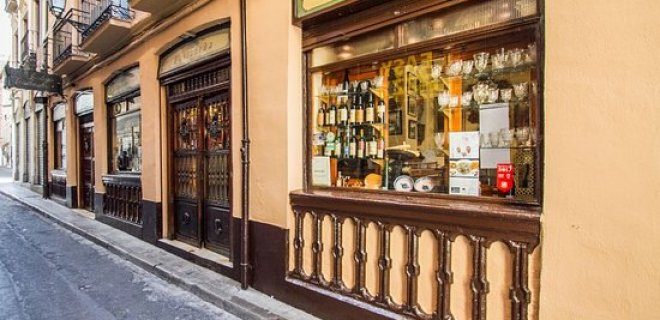
Calle Almireceros, 1, 3, 18010 Granada, İspanya
+34 958 21 54 64
Türkiye’den Granada’ya nasıl gidilir sorusunun en kısa cevabı: uçak. Ama direkt uçuş yok. Bu, bilet alırken dikkat etmeniz gereken ilk detay. Direkt uçuş bulunmadığı için rotanızı iki aşamada planlamak zorundasınız. Genellikle Madrid veya Barselona üzerinden aktarma yapmak en pratik seçenek.
Madrid Üzerinden Granada’ya Ulaşım
Madrid-Barajas Havalimanı’ndan indiğinizde önünüzde üç ana yol var. En hızlısı ve genellikle en konforlusu Ave yüksek hızlı treni. Madrid Atocha istasyonundan Granada’ya giden trenler yaklaşık 2,5 saat sürüyor. Biletleri erken alırsanız fiyatlar makul kalır.
Eğer bütçeniz kısıtlıysa otobüs daha ucuz bir alternatif. Estación de Autobuses de las Nuevas Estaciones’tan kalkan otobüsler Granada’ya varış için yaklaşık 4,5 ila 5 saat ayırır. Pahalı otel yerine bu süreyi değerlendirebilirsiniz.
Özel araç kiralama yapmayı düşünüyorsanız, Madrid’den A-4 ve A-92 otoyollarını takip ederek Granada’ya ulaşabilirsiniz. Yolculuk yaklaşık 4 saat sürer. Ancak Granada’nın dar sokaklarını ve park etme zorluklarını düşünürseniz, şehir içi ulaşım için araba kiralamak bazen can sıkıcı olabilir.
Barselona Üzerinden Granada’ya Ulaşım
Barselona’ya uçuşunuz varsa seçenekler biraz daha geniş. Renfe trenleri Barselona Sants istasyonundan Granada’ya günlük seferler düzenler. Bu yolculuk daha uzun, yaklaşık 6 saat sürüyor. Manzara izlemek isteyenler için güzel bir seçenek.
Barselona’dan otobüs ile gitmek ise daha az tercih edilen bir seçenek. Sefer sıklığı Madrid’e kıyasla daha az olabilir. Zamanlama yaparken otobüs firmalarının resmi sitelerinden kontrol etmeniz faydalı.
Havalimanından şehir merkezine geçmek için Barselona’da da tren, otobüs veya taksi seçenekleri var. Transfer süresini toplam yolculuğunuza eklemeyi unutmayın.
Tren mi, Otobüs mü, Araba mı?
Karar verirken zamanınızı ve bütçenizi tartın.
– Tren (Ave): Hızlı, konforlu, pahalı olabilir.
– Otobüs: Ucuz, yavaş, esnek.
– Araba: Özgürlük, park sorunu, yakıt maliyeti.
Hangi yöntemi seçerseniz seçin, Granada’ya vardığınızda ilk durağınız genellikle şehir merkez
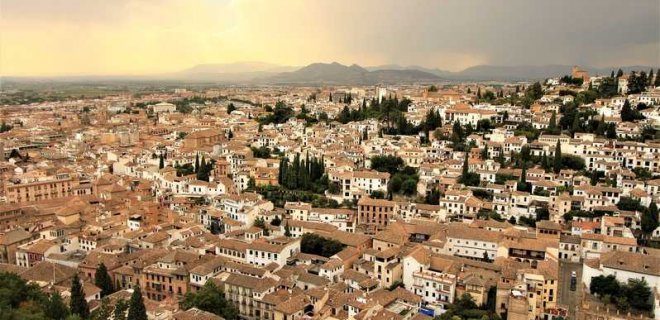
Why Walking Is Actually the Smart Move in Granada
Granada is deceptive. At first glance, it looks like any other historic Spanish city—hills, stone, history. But the layout is weirdly compact. Most of the important stuff sits within walking distance of each other. That’s rare. Really rare.
You could rent a car. Sure. You can drive around. But then you spend half your trip circling blocks looking for parking that doesn’t exist. And the other half paying exorbitant fees for it. Not worth it.
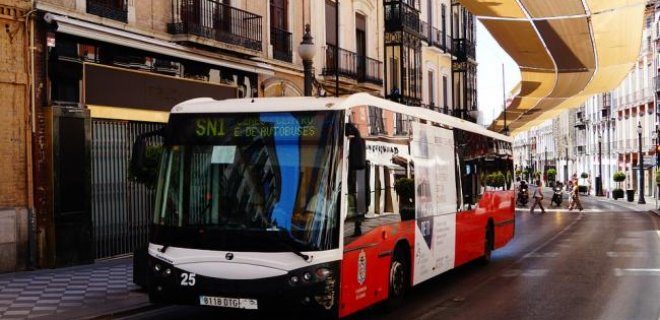
You could take the bus. There’s a line that runs from 5:30 AM to 10:00 PM. Costs about €3 per ride. Convenient if you’re tired. Reliable if you don’t mind waiting in the rain. But it’s still an expense you don’t really need.
So what do you do?
You walk. And then you rent a bike.
How to Get Around Without Wasting Money
Let’s be practical. If you’re staying in the Albaicín, the old Moorish quarter, you’re already at an elevation. The streets climb. You’ll sweat. You’ll hate me for a second. Then you’ll see the view. It’s worth it.
But if you want to move faster—especially if you’re planning to hit the Generalife gardens or the Royal Chapel without killing your calves—grab a bike.
There are plenty of rental shops near the city center. You’ll see them posted on street corners, often with bright signs in English. Prices vary, but expect to pay between €10 and €15 per day for a basic city bike. Some places offer hourly rates if you just need to zip across town for a quick lunch.
“In Granada, the best views aren’t on maps. They’re around the next blind corner.”
Biking gives you freedom. You can stop whenever you want. No bus schedule to catch. No driver waiting for you. Just you, two wheels, and the cobblestones.
Navigating the Hills and Cobblestones
Here’s the catch: Granada is hilly. And the streets are old. Very old. Cobblestones aren’t just aesthetic. They’re uneven. They bounce. They can throw a bike off balance if you’re not careful.
Ride slowly in the historic center. Especially near the Alhambra entrance. Tourists everywhere. Don’t be that guy swerving around a selfie stick.
Stick to the designated bike lanes when they exist. They’re sparse, but they’re there. If you’re unsure, ask a local. They’ll point you toward a quieter route. Most are friendly. Even if they’re busy.
When to Ride and When to Walk
Morning is best. Before 9 AM. The air is cool. The light is golden. The streets are empty. You’ll have the city to yourself.
By noon, it’s hot. And crowded. Walking might be better then. Slower pace. More stops. You can linger at a tapas bar. You can watch the street performers. You can do nothing.
Biking works best in the late afternoon. When the sun dips behind the Sierra Nevada mountains. The temperature drops. The shadows get long. It’s magical.
Is a Bike Really Better Than a Car?
Yes.
The Real Vibe of Granada’s Calendar
Forget the guidebooks that just list dates. Granada doesn’t just host festivals. It breathes them.
This city has a relationship with celebration that goes back to the Renaissance. It’s not polite. It’s loud. It’s messy. And it’s the only way to truly understand why locals treat their calendar like a war zone of joy.
If you’re planning a trip, you need to know when to show up. The timing changes everything.
January 2: The Day History Happened
Let’s talk about January 2.
This isn’t just a bank holiday. It’s Granada Conquest Day (Día de la Toma de Granada ).
Every year on this date, the city stops. Then it explodes.
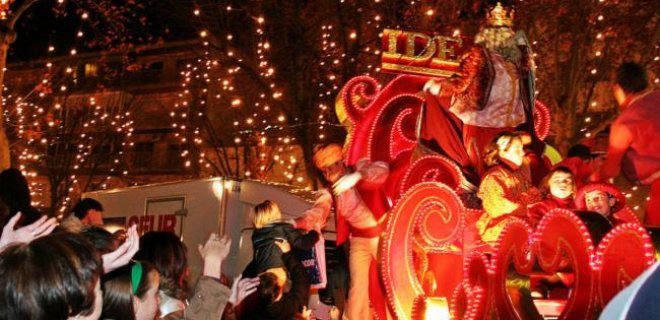
The festival reenacts the moment Catholic Monarchs Isabella and Ferdinand took the Alhambra Palace from the Nasrid dynasty. It wasn’t a bloodbath, but it was a massive shift. The end of an era. The beginning of another.
You’ll see scenes played out in the streets. Painted floats. Costumes. Theatrical retellings of how the kingdom fell.
It’s visual. It’s dramatic. It’s heavy.
“This is the holy day of Granada. It tells the city’s history better than any museum.”
The atmosphere shifts. One minute you’re eating tapas. The next, you’re surrounded by thousands of people re-enacting a five-hundred-year-old political victory.
It’s not just fun. It’s sacred to them.
You’ll feel the weight of it. The pride. The relief. The finality of it.
Why Timing Is Everything
Go in winter? You’re in for the intense, historical stuff.
Go in summer? You’re looking for heat. For flamenco under the stars. For nights that stretch until dawn.
The festivals aren’t random. They’re tied to the seasons. To the liturgical calendar. To the old rhythms of life in Andalusia.
If you miss Granada Conquest Day, you miss the spine of the city’s identity.
If you miss the summer festivals, you miss the soul.
Practical Stuff for Your Trip
When to book:
Hotels fill up fast for January 2. Not as crazy as Holy Week, but fast. Book weeks out.
Where to stand:
Head toward the Plaza de Bib Rambla. That’s where the main action happens. The parade moves. The speeches are made.
What to wear:
Comfortable shoes. You’ll be standing on cobblestones. Lots of them.
What to expect:
It’s crowded. It’s cold in January. But the energy is electric.
Beyond the Parade
The day doesn’t end at sunset.
You’ll find people spilling into bars. Into the Albaicín. Into the courtyards of the old Jewish quarter.
They talk. They drink. They remember.
It’s not just a show for tourists. It’s a community event. A way of saying, “We are still here. We remember what happened. We are still Granada.”
If you want to see the real city, don’t just look at the Alhambra.
Show up on January 2.
Stand in
The Saint Who Owns Granada’s February Soul
February in Granada is not about romance. It’s about devotion, and it centers on one man: San Cecilio.
You might know him as the city’s patron, but don’t think this is a polite, Sunday-morning affair. This is the Festival of San Cecilio, and it’s deeply religious. It happens every single year when the air is still sharp enough to bite.
Why him? Because the Catholic Church says he was Granada’s first bishop. Martyred, too. That’s the story. The festival exists to recount his life, his death, and the city’s reliance on him.
What Actually Happens During the Festival
If you’re planning to visit in February, here’s what you need to know. It’s not a parade of floats. It’s not a street party with tapas and sangria.
- The dates: Always February. The exact dates shift slightly each year based on the liturgical calendar, so check the current year’s schedule.
- The vibe: Solemn. Respectful. Loud in its reverence, quiet in its streets.
- The events: A series of religious ceremonies. Processions. Prayers. The church bells ring out with a specific rhythm you’ll learn to recognize.
“It’s not a party. It’s a reminder of who protects the city.”
Where to Be (and Where to Avoid)
You can’t miss it if you’re in the Albaicín or near the Cathedral. That’s where the heart of the action beats.
- Cathedral of Granada: The focal point. Expect crowds, but not the chaotic kind. It’s organized chaos.
- Local Churches: Smaller parishes hold their own services. Less touristy. More authentic.
- Streets: They empty out during the main ceremonies. Don’t try to rush through. Wait. Watch. Listen.
Why It Matters to a Traveler
You’re not there for the spectacle. You’re there for the texture of the city when it’s turned inward.
Granada, usually loud with football chants and tourist noise, goes quiet. The light hits the white walls differently. The air feels heavier. It’s a reminder that this city has been a religious center for over a thousand years. Long before the Alhambra. Long before the tourists.
How to Plan Around It
- Book early: Hotels fill up. Not because of a concert, but because pilgrims and locals want to be close.
- Dress code: Respectful. Even if you’re just observing, cover up. Shoulders. Knees. It’s not a suggestion.
- Timing: Go early in the morning. The light is better. The crowds are thinner. The atmosphere is clearer.
What’s Genuinely Worth Seeing
Beyond the services, walk around. Look at the old stones. Listen to the Latin chants if they’re singing in Latin. It’s rare these days.
Visit the Basílica de San Juan de Dios if you can. It’s nearby. It’s quieter. It’s part of the same spiritual fabric.
The Bottom Line
You won’t find fireworks. You won’t find late-night dancing.
You’ll find a city remembering its roots. It’s not for
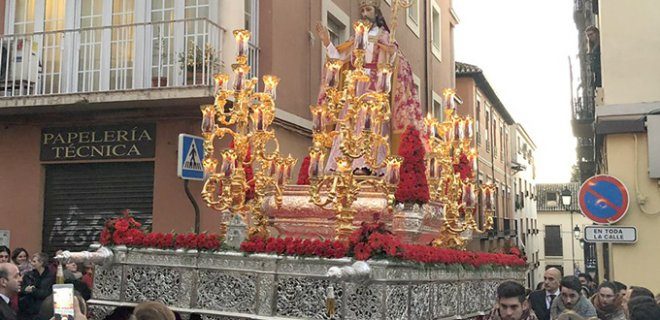
Why the Granada International Festival of Young Film Directors Matters
There is a reason this event punches above its weight class. Held in early October, the Granada International Festival of Young Film Directors is not just another date on the calendar. It is one of those cinematic gatherings that actually changes the city’s pulse.
The full name of the festival is intimidating. Festival Internacional de Jovenes Realizadores de Granada. That is a mouthful. Most locals just call it FIJAZ. You will see it on posters everywhere.
Here is what you need to know before booking your trip.
The Timing and the Vibe
October in Granada is specific. The summer heat breaks. The crowds thin out slightly. You get crisp air and long shadows. This timing is deliberate. The festival does not compete with the summer tourism rush. It captures the shoulder season.
The location is key. Granada is a university city. Young people are everywhere. They are tired of the same old narrative. This festival gives them a voice. It focuses on debut films. First features. Second features. It is a place for risk.
What Makes It Different?
Most film festivals are about red carpets. This one is about discovery.
The competition is strict. It filters out the noise. You will not see major Hollywood premieres here. Instead, you will see raw talent from Spain and Latin America. The focus is often on social realism. Political tension. Personal struggle.
“It is not about the stars. It is about the story.”
The screenings happen in historic venues. Some are in converted palaces. Others are in modern cinemas downtown. The contrast is striking. Old stone walls holding up new ideas.
Practical Logistics for Travelers
When to go:
Target the first two weeks of October. Check the exact dates each year. They shift slightly.
Where to stay:
Stay in the Albaicín district if you want atmosphere. It is steep. You will climb. Stay near the city center if you want convenience. You are walking distance from most screening venues.
How to get tickets:
Do not wait until the last minute. Some screenings sell out. Buy online if possible. Or arrive early. The box offices open hours before screening.
Cost:
It is affordable. Entry fees for the general public are reasonable. Food and drink are not included in the ticket price. But Granada is cheap. You can eat well for little money.
Which Films Are Worth Your Time?
Look for the competition selections. These are the curated picks. They have been vetted. The jury picks winners at the end. But the real value is in the variety.
You might see a documentary about immigration. Then a fiction film about family secrets. Then an experimental piece that challenges your patience. That is the point. It stretches your definition of cinema.
The Aftermath
When the festival ends, the city feels different. The cafes are full of film students debating shots and scripts. The energy lingers.
It is not just a festival. It is a reminder that culture lives in the streets. In the small details. In the young voices that refuse to be silent.
You leave with more than just movie memories. You leave with a sense of what Granada can be.
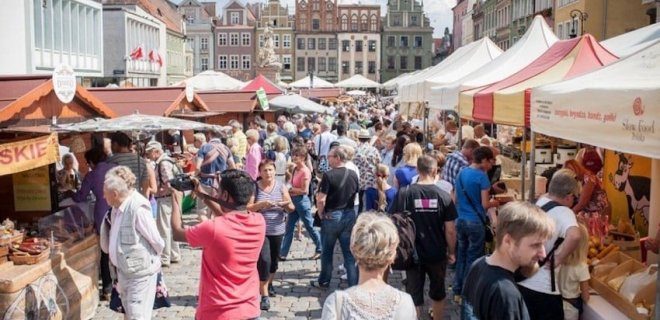
Forget the quiet image of a historic city. In Granada, the night doesn’t end when the sun goes down. It just gets louder.
The city’s massive student population changes everything. You aren’t dealing with a sleepy local elite; you are dealing with a crowd that loves to party until the early hours. And because Granada has a mild climate, you don’t need a heavy coat. The air stays warm enough that you can linger outside long after midnight without shivering.
If you want to feel the pulse of this energy, you have to know where to look.
Calle Pedro Antonio de Montera
You might see it listed as Calle Pedro Antonio Caddesi in some translated guides, but everyone local just calls it by its street name. This is the epicenter.
It’s narrow. It’s crowded. And it is absolutely packed with students.
Walk down this street and you will see the entire spectrum of nightlife. The bars here aren’t fancy lounges with cover charges and velvet ropes. They are vibrant, noisy, and overflowing with people. Cafes spill out onto the sidewalk, and every corner seems to host another small celebration.
The Street Performers
Here is the thing about this specific stretch: it isn’t just about buying a drink.
You will see students walking around with guitars. Others are clapping rhythms. Some are singing. They aren’t professional buskers looking for tips, though they will happily take them. They are students killing time between classes, passing the evening away with music and movement.
The atmosphere is chaotic. A guitar player starts a song, someone else joins in, and suddenly you are surrounded by a impromptu jam session. It’s not curated. It’s raw.
“The energy here is contagious. You can’t help but join in.”
This isn’t a place for quiet conversation. It’s a place to soak up the noise, the music, and the sheer volume of young people enjoying their freedom.
Why This Matters for Your Plan
Most travelers stick to the Albaicín or the Alhambra by day. By night, they retreat to their hotels or stick to the safer, quieter main squares. They miss the real Granada.
The student district offers a different kind of view. You see the city unmasked. No tourists taking photos of the cathedral. Just locals and students living their lives.
Logistics and Timing
- When to go: Start late. By 10 PM, the streets are just filling up. By midnight, it’s at peak intensity.
- What to expect: You won’t find high-end dining here. You’ll find tapas bars, wine glasses, and street food.
- Cost: It’s relatively affordable. Student budgets keep prices down, but the vibe is high-energy.
If you want to understand why Granada is famous for its nightlife, this street is the answer. It’s loud. It’s messy. It’s alive.
And if you hear a guitar starting up near the corner? Don’t walk past it. Stop. Listen. You might just get invited in.
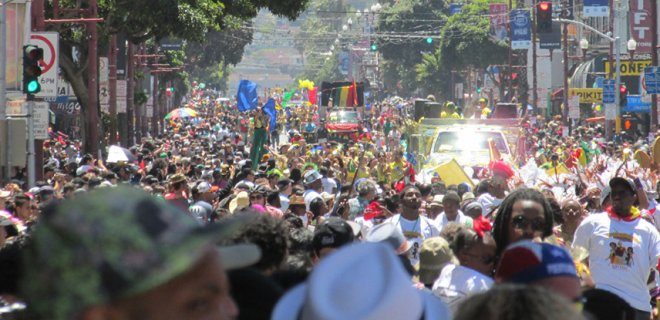
Taberna La Tana: Why Travelers Drive Out of Málaga for Wine and Tapas
Most visitors stick to the historic center for dinner, missing the real deal.
Taberna La Tana sits just outside the city center. Its reputation isn’t local. It draws drivers from kilometers away. They come for one reason first: the wine.
The cellar is serious. Not touristy. Serious.
You aren’t just drinking for the sake of it. You are tasting something with weight. The staff knows the bottles. They guide you without being pushy. This matters when you are standing in front of a shelf of unfamiliar labels.
Then comes the food.
The tapas plates here are substantial. Not tiny, decorative bites meant to look pretty on Instagram. These are real snacks. Hearty. Matching the intensity of the reds and whites on offer.
Why go this far out of the way?
Because the quality gap is noticeable. Inside Málaga, you might find good. Here, you find excellent. The atmosphere is relaxed but focused on the drink. It feels like a secret shared among regulars.
Logistics for the trip:
- Location: Just outside Málaga city center. You need transport.
- Transport: Drive or take a taxi. Public transit can be tricky for the exact spot.
- Timing: Go during dinner. It gets busy. The wine list changes as bottles sell out.
- Cost: Moderate. You pay for quality, but it isn’t price-gouging.
- What to order: Ask for a flight (cata) of their signature reds. Pair it with the chorizo or local cheese plates.
Some people think tapas is about quantity. It isn’t here. It is about depth.
The wine list shifts seasonally. Older vintages appear unexpectedly. If you see something from a small producer you’ve never heard of, trust the recommendation. It’s usually worth the risk.
Is it worth the drive back?
Yes. But only if you are tired of the same five bars near the Alcazaba.
The exit route is easy to miss. Look for the signage. Once inside, forget the map. Let the bartender decide what you need next.
That’s the trick. You don’t plan this meal. You experience it.
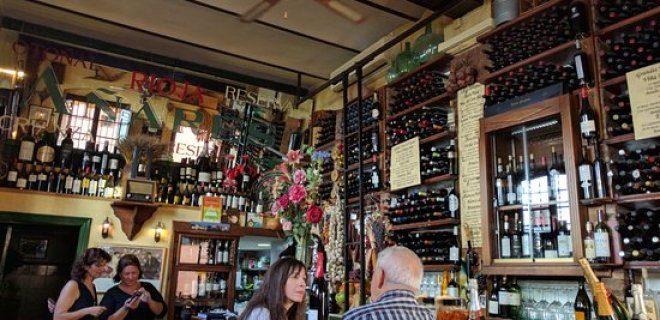
Where the Local Scene Actually Happens
Eric’s bar isn’t just a stop on a checklist. It’s the pulse of the evening. You aren’t going for the drinks alone. You’re going for the energy.
Live music spills out into the night here. It’s not background noise. It’s the main event. If you prefer something slower, the Boogaclub section lets you sip your drink without shouting over a DJ. But if you’re feeling bold? Join the karaoke nights. The atmosphere is electric.
Skip the tourist traps. This is where locals go. The vibe is polished but not pretentious.
“The nightclub here has a perfect atmosphere that you simply have to experience.”
Get there early. Or be ready to wait. It fills up. When it does, the energy shifts from chill to chaotic fun. That’s the point.
The Quiet Corners of Kyoto Where Locals Actually Live
The Golden Pavilion is a tourist trap. Let’s get that out of the way first. You can stand there, wait in line for forty minutes, and take the exact same photo as three thousand other people in matching windbreakers. It’s beautiful, yes. But it’s sterile. The real Kyoto doesn’t shout. It whispers. And if you’re willing to wake up before the sun, you can hear it.
Most guides tell you to hit Nishiki Market by 7 AM. Wrong. The stalls aren’t open yet. You’ll just be standing around watching vendors sweep up rice husks from the previous night. Go instead to the Fushimi Inari shrine, but not at dawn. Go at 8 PM in November.
Why Night Hikes in Kyoto Are Underrated
The thousands of torii gates that climb up the mountain behind the shrine are blindingly bright in daylight. The colors are oversaturated. The air is thick with humidity and selfie sticks. But at night? The path is dark, lit only by the occasional lantern and the glow of your phone.
It’s quieter. Fewer people. Just the sound of your own breathing and the rustle of wind through the cedar trees. The vermilion pillars look almost black in the low light, creating a tunnel effect that feels ancient, almost heavy.
You don’t need a tour guide for this. You don’t even need a map. The path is well-marked. The only risk is missing the last train back to the city center. The Yamanote line doesn’t run all night. Miss the last connection at Kyoto Station, and you’re looking at a very expensive taxi ride home. Keep that in mind.
Where to Eat Without Losing Your Mind
Forget the fancy kaiseki restaurants unless you have a budget that starts at five figures. You can eat incredibly well for under $20 a day if you know where to look.
Head to the Gion district after the dinner rush dies down. Around 10 PM, the izakayas are still humming. Look for places with a wooden counter. Sit there. Point at what smells good. It’s usually grilled fish or skewered chicken. Pair it with a local sake. The staff might not speak English, but they will smile. That’s enough.
If you’re feeling brave, try the konbini food. Lawson and FamilyMart have onigiri that are genuinely good. Seaweed, salmon, plum. Simple. Clean. Cheap. It’s not a meal you’d write a essay about, but it’s fuel. And it’s everywhere.
How to Navigate the Subway Without Losing Your Head
Kyoto’s subway system is efficient. It’s also confusing if you’re not used to it. There are only two lines. The Karasuma Line runs north-south. The Tozai Line runs east-west. They cross at Kyoto Station.
Buy an ICOCA card. It’s the local transit card. You can load it with cash at any machine. Tap in, tap out. No need to buy individual tickets. It’s faster. Less friction.
Avoid the buses during rush hour. They get stuck in traffic. The subway doesn’t have that problem. If you’re going to the Philosopher’s Path, take the subway to Gion-Shijo,