
Step into Beyazıt. It is not just a location. It is the pulse of the historical peninsula. You stand at the center of it all. Old mosques rub shoulders with modern chaos. The air smells of roasted chestnuts and old stone. This is where Istanbul holds its breath.
Where to Start Your Beyazıt Tour
You cannot visit Beyazıt without acknowledging the giants here. The Grand Bazaar looms overhead. Its vaulted ceilings hide centuries of trade. Just steps away, Istanbul University’s historic buildings watch over the square. They stand as silent guardians of knowledge. Walking here feels like moving through time. Every cobblestone has a story. Every archway hides a secret.
What to See at the Turkish Foundation Calligraphy Museum
Head to the complex of the Beyazıt Mosque. Look for the medrese building. Inside lies the Türk Vakıf Hat Sanatları Müzesi (Turkish Foundation Calligraphy Museum). It opened its doors in 1984. The space is quiet. Too quiet for the city outside. Here, the art of hat (calligraphy) lives on.
You will see masterpieces by legendary calligraphers. The ink flows like water. The curves are sharp. The elegance is unmatched. This museum is not for the hurried tourist. It is for those who want to see the soul of Islamic art.
“The museum showcases the pinnacle of Turkish calligraphy, preserving a tradition that dates back centuries.”
Practical Tips for Your Beyazıt Visit
Don’t rush. The maze of the Grand Bazaar can swallow you whole. Buy water. Wear comfortable shoes. The stones are uneven. They have been uneven for centuries.
If you go during the day, the light hits the domes just right. It creates a golden hue. At night, the lights change everything. The mosque glows. The square feels safer, yet still mysterious.
Why This Area Matters
Beyazıt is more than a tourist trap. It is a living neighborhood. Locals shop here. Students study here. Tourists wander here. The mix is chaotic. It is also beautiful. You are seeing the real Istanbul. Not the postcard version. The real one.
Will you get lost? Probably. You should. That is the point.
The View from Beyazıt Kule
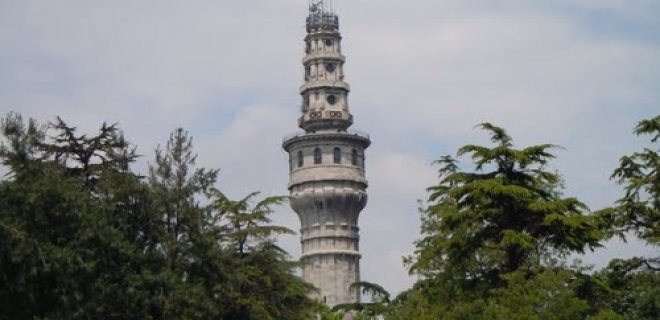
You have to earn the climb. The Beyazıt Tower isn’t just sitting there for decoration. It’s a reminder that Istanbul has always been a city of watchers.
Built originally in 1749 as a fire watchtower, it was destroyed later on. Sultan II. Mahmud ordered it rebuilt. The current structure is a reconstruction of that older vision. A major restoration in 1997 kept the stone standing strong. Now it watches over the Istanbul University main campus.
Why You Should Climb It
Most tourists rush to Hagia Sophia. They skip this spot. Big mistake.
The Beyazıt Tower location offers something you won’t find anywhere else in Fatih. You get a direct line of sight to the Hippodrome ruins below. You see the university buildings in their full, grey-stone glory. It’s quiet here. The chaos of Beyazıt Square is just a street away, but up here? Silence.
The climb is steep. Narrow stairs wind up the core. Take your time. The air gets thinner. The view gets sharper.
What You See From The Top
From the observation deck, the city unfolds in layers.
- To the North: The Golden Horn cuts through the map, separating old Istanbul from Galata.
- To the West: The minarets of Sultan Ahmed Mosque (Blue Mosque) punctuate the skyline.
- To the East: The domes of Süleymaniye Mosque rise like stone waves.
It’s not the postcard angle. It’s the real angle. You see the city as it breathes. Traffic moves in veins along Divan Yolu Caddesi. Students spill out of the university gates. You are right in the center of it all, but detached.
Practical Details for the Climb
Address: Beyazıt Mh., 34134 Fatih/İstanbul
Getting there is easy. If you’re on the T1 tram line, get off at Beyazıt stop. Walk past the Grand Bazaar entrance. The university gates are right there. The tower sits just inside the campus perimeter.
Cost: Usually free or a nominal fee. Check local signs. Sometimes the university requires student ID access, but tourists are often allowed during open hours.
Timing: Go late afternoon. The light hits the stone differently. Shadows lengthen across the Hippodrome. The heat dies down. It’s the best time to climb.
Logistics: Wear comfortable shoes. The stairs are uneven. Some parts are worn smooth by centuries of feet. Bring water. There are no shops up there. No benches. Just stone and sky.
Is It Worth It?
Yes. But not for the view alone.
It’s for the feeling of standing on a structure that has survived fires, neglect, and time. It’s a must-see landmark in Istanbul that most guidebooks forget to mention. You walk through the university grounds. You touch the cold stone. You look out at a city that hasn’t changed its core shape in two thousand years.
The tower doesn’t shout. It whispers. Pay attention.
Where to Find the Beyazıt Hamam and Why It’s Worth the Detour
If you’re navigating the labyrinthine streets around the Grand Bazaar, finding the Beyazıt Hamam requires a bit of legwork. It isn’t sitting out in the main tourist thoroughfares with neon signs and queues. You have to dive into Kemal Paşa Mahallesi, specifically down Yeşil Tulumba Sk. No:14 in the Fatih district of Istanbul. The zip code is 34134. It’s tucked away in a neighborhood that feels a world away from the polished veneer of Sultanahmet.
This isn’t just any bathhouse. It carries the weight of Ottoman imperial history. Commissioned by Hürrem Sultan, the wife of Kanuni Sultan Süleyman (Suleiman the Magnificent), this structure dates back to the 15th century architectural traditions. Or rather, it reflects the style of that era, even if the current facade has seen better days. It was built with the classic dual-purpose design: separate sections for men and women, a logistical necessity that defined social hygiene for centuries.
Today, however, the experience is complicated. The hamam is currently undergoing restoration work. This means you might walk up to a grand historical site only to find scaffolding, caution tape, and half-finished tiles. It’s a frustrating reality for travelers seeking an authentic, untouched Ottoman bathing experience right now.
Why visit if it’s closed?
Because the architecture alone is worth the detour. Standing outside, you can still appreciate the intricate stonework and the sheer scale of the entrance. It’s a reminder of how Hürrem Sultan wielded soft power through public works. She didn’t just build mosques. She built infrastructure.
Practical tips for this location:
- Timing matters. Check opening hours closely. Restoration projects often have irregular schedules.
- Dress code. If you do gain access, modest attire is non-negotiable. No swimsuits. Traditional Turkish bathing involves specific garments.
- Photography. You can likely still photograph the exterior. The contrast between the decaying facade and the bustling Fatih neighborhood makes for compelling street photography.
- Nearby stops. Since you’re already in Kemal Paşa Mahallesi, take a moment to explore the surrounding alleys. They’re less crowded than the Grand Bazaar area.
It’s a place where history feels unfinished. That’s not a criticism. It’s a testament to the city’s relentless churn. You come here not for the steam and the scrub, but for the story. And sometimes, the story is still being written.
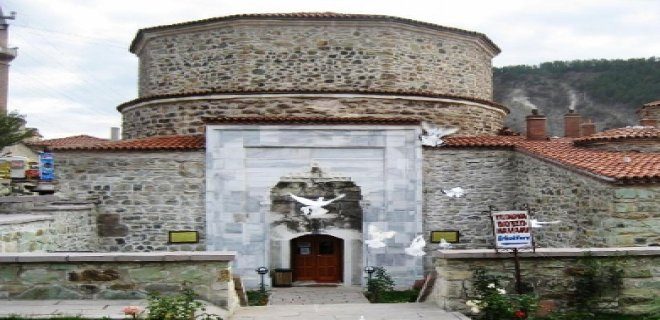
The location is deceptively simple to find. Look for Balabanağa Mahallesi, No:2, on Kimyager Derviş Paşa Sk. in the Fatih district. You are standing in the shadow of the mosque, in the heart of old Istanbul. But don’t let the quiet street fool you. This is the Süleymaniye Hamamı.
It wasn’t built by just anyone. It was commissioned by Kanuni Sultan Süleyman. The man responsible for the architecture was Mimar Sinan. That alone should tell you something about the structural integrity of what you’re about to enter. Sinan didn’t do things halfway. He built this in 1557. It has stood for nearly five centuries.
It is considered one of the Ottoman Empire’s most significant works. Not just because of the stone or the tiles, but because of the engineering. The heating systems. The water pressure. The way the light hits the central dome. It’s a lesson in geometry and heat distribution.
But here is the practical part. You might worry that a monument from 1557 is just a museum piece. It isn’t. It shut down for a while. Maintenance happens. Restorations take time. Then, in 2001, it reopened. It didn’t just open as a relic. It opened as a functioning bathhouse. It is still in service today.
Why This Hamam Matters to Your Trip
You have options in Istanbul. You can go to the massive, tourist-heavy baths near the Grand Bazaar. You can find luxury spa treatments in Beyoğlu. But the Süleymaniye Hamamı offers something different. It offers context.
When you step inside, you are stepping into a space designed for community and hygiene by one of history’s greatest architects. The layout is still largely intact. You will see the warm room. The hot room. The cooling areas. The flow of the architecture guides you through the process.
It is located in Fatih. This is a neighborhood with layers. You can visit the mosque right next door. You can walk up to the Golden Horn. The logistics are easy. You are centrally located.
“The hamam reopened in 2001 and continues to operate as a functional space for both locals and visitors.”
What to Expect When You Go
Timing is everything. You need to book ahead if you want a specific slot. These places fill up. Especially on weekends. If you are planning your itinerary, check their current schedule. They may have changed hours since the last guidebook was printed.
What is genuinely worth seeing? The architecture is the main event. Look up. The domes are supported by piers that look almost weightless. Look at the marble benches. They are carved with precision. The water systems are hidden but powerful. You feel the heat before you see the source.
There is a cost to entry. And there is a cost for services. The basic entry fee gets you access to the steam and the space. Adding a scrub or a massage changes the price point. Decide what you want. Do you want the history lesson in a bath? Or do you want the full relaxation treatment?
The address is specific. Bal
Simkeşhane: From Coinage to Books
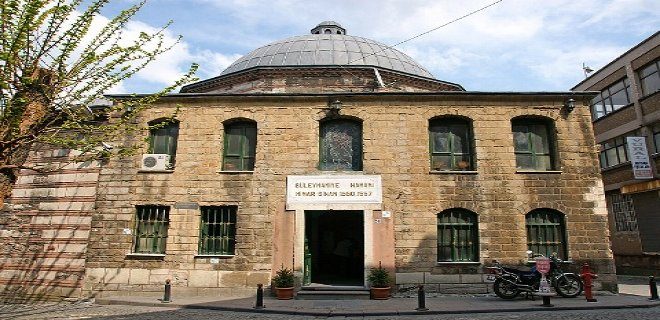
You won’t find steam or marble benches at Simkeşhane, despite the name. The word simkeşhane literally points to a place for “coin makers,” and that’s exactly what this structure was born to be. Built in 1463 by order of Fatih Sultan Mehmet, it stands as one of the older, more industrial chapters of Istanbul’s architectural history.
For centuries, this building hammered out the currency that fueled the Ottoman empire. It wasn’t a place for relaxation; it was a factory for gold and silver. Today, the noise of minting has been replaced by the quiet turning of pages. Now operating as the provincial library (il kütüphanesi ), it houses thousands of texts for researchers and locals alike.
It’s a stark reminder of how these buildings shift purpose over time. If you’re wandering through the Fatih district, this is one of those spots where history isn’t behind glass—it’s in the walls.
Address: Süleymaniye Mahallesi, Mimar Sinan Cd. No:20, 34120 Fatih/İstanbul
The location is key. You’re right in the heart of historic Istanbul, near the Süleymaniye Mosque. But don’t expect a grand tourist entrance. It’s tucked away in the urban fabric, asking you to look closer.
Why Visit a Library Called a Bathhouse?
Most travelers head to the Haseki Hürrem Sultan Hamamı or the Çemberlitaş Hamamı for the classic Turkish bath experience. Those are beautiful. They are also packed. Simkeşhane offers a different kind of value. It’s about understanding the infrastructure of the Ottoman state, not just its leisure culture.
When you stand outside, you might miss it. It doesn’t scream “tourist attraction.” It looks like a sturdy, stone-faced building that has seen too much sun. But inside, the transformation is complete. The heavy industrial past is buried under shelves of knowledge.
This isn’t a stop for a quick photo op. It’s a stop for context. Understanding that Istanbul’s most famous bathhouses were part of a larger ecosystem—including mints, mosques, and libraries—changes how you see the city’s layout.
Logistics for the Curious Traveler
Getting there is straightforward if you’re already in Fatih. The address is precise: Mimar Sinan Cd. No:20. It’s on Mimar Sinan Street, named after the empire’s greatest architect. You can walk from the Süleymaniye Metro station or the T1 tram line, but you’ll need to navigate the narrow streets. Wear comfortable shoes. The pavement here is uneven, typical of Istanbul’s historic core.
Timing matters. Libraries usually operate on strict schedules, often closed on weekends or during specific prayer times. Check the current opening hours before you go. Don’t assume it’s open just because the sun is up. It’s a working institution, not a museum with set hours for tourists.
There are no ticket booths. No guides. Just a quiet presence in a busy neighborhood. If you’re looking for the scent of eucalyptus or the sound of splashing water
Where to Find Rare Books in Istanbul
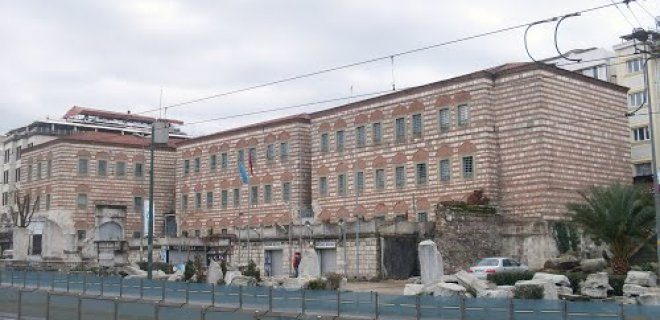
If you are wandering through the historic peninsula and feel the urge to step away from the crowded tourist traps, head toward Istanbul University. There, tucked just off the main drag, lies Sahaflar Çarshisi (the Antiquarian Books Market). It is not a shiny, air-conditioned mall. It is gritty. It is real. It has stood since the 15th century, surviving empires, fires, and the relentless march of modernity.
The address is Mimar Kemalettin Mahallesi, Ordu Cd., 34130 Fatih/Istanbul. You can’t miss the university. The books are right there.
Walking through the narrow aisles feels like time travel. You are not just buying a book. You are handling history. Some volumes date back centuries. Others are rare first editions that have survived wars and migrations. The air smells like old paper and dust. It is intoxicating.
“You can find books of vastly different ages and conditions.”
Why This Matters for Travelers
Most visitors rush past this area. They are too busy chasing the next Instagram spot. But if you want to understand Istanbul’s soul, you look at what people read. What they wrote. What they discarded.
The market is a labyrinth of shelves. Some books are wrapped in plastic. Others are crumbling at the edges. The prices vary wildly. A common reprint might cost a few dollars. A rare manuscript? That could cost hundreds or thousands. You have to know what you are looking at. Or you just enjoy the hunt.
How to Navigate the Market
- Timing is everything. Go during the day. Light is crucial for inspecting paper quality.
- Bring cash. Many vendors do not accept cards.
- Be respectful. Do not touch books without asking. Some are fragile.
- Ask questions. The vendors are often scholars. They love to talk about their finds.
What to Look For
You are not looking for bestsellers. You are looking for anomalies. A 19th-century map. A handwritten diary. A rare Ottoman text. The variety is staggering. One shelf might hold religious texts. The next, scientific diagrams. Then, poetry. It is chaotic. It is beautiful.
The location places it in the heart of Fatih. A district defined by its history. By its layers. Sahaflar Çarshisi is a testament to that. It does not change with trends. It endures.
So, walk there. Find the university. Turn the corner. Lose yourself in the stacks. You might not buy anything. But you will leave with a different perspective. One that lingers long after you leave the city.
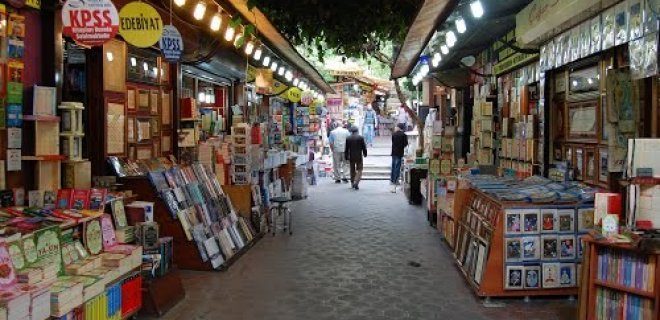
The coordinates lock in. You’re standing right in the thick of it. Beyazıt Mahallesi Çadırcılar Caddesi isn’t just a street. It’s a labyrinth of history that smells like old paper and turkish delight. If you’re hunting for rare editions or just want to feel the weight of centuries, this is the spot. The address is precise, but the vibe is chaotic in the best way.
“To walk through Sahaflar Çarşısı is to walk through the memory of Istanbul.”
The Book Market Pulse
You don’t just browse here. You hunt. The shops, numbered 16 through 23, aren’t sterile galleries. They’re cluttered caverns. Dust motes dance in the shafts of light hitting the floor. You’ll find first editions of Ottoman literature. Maybe a French novel from the 19th century. Prices vary wildly. Some prices are absurdly low. Others are collector-tier.
Bring cash. Small bills help. The vendors appreciate the directness. It’s faster. Less friction. You flip through pages. You check dates. You negotiate. That’s the rhythm of the market.
Beyond the Books: Immediate Neighbors
You won’t stay in the book shops long. The energy pulls you outward. Look up. The architecture here doesn’t let you forget where you are.
- Kapalı Çarşı : Just a few steps away. The Grand Bazaar. It’s overwhelming. Bright. Noisy. A stark contrast to the quiet focus of the book market. Go here for copper, spices, or just to see the crowds. It’s a sensory overload.
- Beyazıt State Library : A neoclassical gem. Quiet. Respectful. The building itself is the attraction. Perfect for a moment of silence after the market chaos.
- Orhan Kemal İl Halk Kütüphanesi : Named for the famous Turkish writer. A hub for locals. Less touristy. More community. Sit in the reading room. Watch people.
- Beyazıt Camii : The mosque anchors the square. White marble. Minarets piercing the sky. Time your visit for prayer times if you want to see the full community in action. Otherwise, just admire the facade. The light hits it beautifully in the late afternoon.
Logistics and Timing
Fatih district, 34126. It’s central. Accessible. Metro to Beyazıt station drops you out almost exactly at the entrance. No taxi hassle. No confusion.
Go early. Morning light is best for photographing the shop fronts. Afternoons get crowded with tour groups. Evenings? The shops close. The street empties out. It becomes a different place.
Why It Matters
This isn’t just a souvenir stop. It’s a cultural layer. You’re standing on ground where knowledge was traded for centuries. Before the internet. Before digital publishing. This was the hub. The physical weight of that history is palpable.
Don’t rush. Get lost in the alleyways behind the main shops. Find a coffee stand. Sit. Watch the traffic. The city moves around you. You’re stationary. That’s the luxury.
The next street over leads to