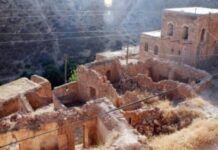

Atatürk House is not found in most glossy brochures. It doesn’t compete with the old city’s massive walls and bustling bazaars. Instead, it sits quietly in the Cizre area, waiting for those who want to delve deeper into the area’s Ottoman history. The building itself has been renamed, which tells you all you need to know about its significance. It was originally called Semanoğlu Mansion (Semanoğlu Köşkü). Today, it is known simply as Atatürk Mansion
Why switch? This may be due to a certain period during the First World War. Mustafa Kemal Atatürk arrived in Diyarbakir in 1916. He didn’t leave until 1917. For those 12 months, he lived in Semanoğlu Mansion. He was welcomed by the local Semanoğlu family; They gave him their possessions. This show of loyalty and respect was so important that the name was permanently changed.
1916-1917 Occupation Period
For travelers planning a trip to Eastern Turkey, this site is more than just a name on a plaque. This gives an insight into the logistical realities of the Ottoman command structure during the war. Atatürk didn’t just pass by. He was integrated into everyday life in Diyarbakir.
This mansion was his residence during the critical period. The Ottoman Empire fought on many fronts. The campaign in the Caucasus is drawing to a close, and the pressure on the Mesopotamian front is increasing. Atatürk’s presence in Diyarbakir was strategically important. The mansion, donated by the Semanoğlu family, highlights the complex social structure of the city. This shows how military leaders relied on local support networks for protection and stability.
Visit the site now
The building is small. It is very modest. Don’t be amazed by the magnificent architecture and intricate tile work. You will find beautifully preserved pieces of history. This structure reflects the late Ottoman style of living in the Diyarbakir area. The materials are local. The layout is practical.
Traveling by car from the center of Diyarbakir to the Cizre district requires planning. The possibilities of public transport are limited. Most tourists choose private cars or guided tours. This trip takes you away from the tourist areas. It forces you to engage with a real city.
Why it matters now
The story of Atatürk House is not just the story of one man. It’s about the relationships that held empires together as they fell. The Semanoğlu Mansion gift represents a moment of connection. It forms a bridge between military leadership and civilian life.
Visitors to Diyarbakir often focus on its visual wonders. The stone walls are impressive. The river is beautiful. But small stories matter too. They provide context. They explain why this city feels the way it does. This mansion is a silent testament to the past.
Practical details about the itinerary
Choose the time of your visit carefully. This place is not a large commercial establishment. Working hours may be irregular. Check with your local tourist information center before you go. There are no ticket booths with long lines. There is
Inside the Ziya Gökalp Museum in Diyarbakir
You are standing in the center of Diyarbakir, near the historic Sur district. The air smelled faintly of dust and old stone. This is the Ziya Gökalp Museum. It’s not a big complex. It’s a house. A simple stone building built in the 19th century.
Ziya Gökalp was born here. He was more than just a local figure. He is the father of Turkish nationalism. Politician. author. poets. His thoughts shaped a nation. The house itself is inconspicuous. However, the contents carry weight.
The museum was opened on March 23, 1956, almost 70 years ago. They didn’t tear it down. They kept it. They kept his personal belongings. His collections. Etnographic pieces from the region. See what he read. You see what he touched.
“This house is more than just a monument. It is a time capsule of the intellectual awakening of Eastern Anatolia.”
Why visit this specific site?Most tourists flock to the city walls of Diyarbakir. They ignore the small museums. They miss the context. Gökalp’s museum provides this background. This is where the modern Turkish identity began to take shape during the late Ottoman Empire.
The set includes:
– Personal artifacts from Gökalp’s life
– Regional ethnographic items
– Literary manuscripts and personal papers
It’s quiet here. Too quiet for some people. But that’s the point. We don’t hear political debates like we did in the early 20th century. All you have is the silence of a house full of great ideas.
Is it worth the detour? If you are interested in the roots of modern Turkey, yes. Even if you want to take a photo in the grand palace, it is not possible. The architecture is simple. The significance is dense.
The location is central. It is very easy to find. Once you get there, it’s hard to ignore. The museum doesn’t shout. It waits. If you listen closely, you’ll be told all about the man who tried to define culture before there was a country.
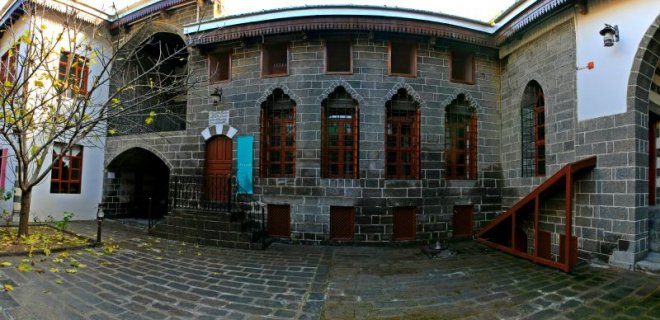
Why Diyarbakir Museum is a great place to learn history
The hustle and bustle of the city disappears when you enter the Diyarbakir Museum. It is not a flashy place. It’s not about trying to impress with neon lights or interactive displays. What it does offer is weight.
The museum is located in the city center. Just walk around the old city walls and you’re already there. Opened in 1985. It’s a bit old for a museum building, but it’s functional. The space is very quiet. The lighting is very soft.
“A collection covering the period from Urartu to the Ottoman Empire”
What you see on the wall is no accident. This is the timeline of power. You are looking at the artifacts of an empire that ruled this land long before we knew maps existed.
The collection focuses on local history. You can see Urartu’s works here. Then Asur. After that, Roman influence began to spread. You will notice a shift to Helenistic styles. This is a visual lesson in how cultures layer.
Then came the time of Byzantium. The cross and the mosaic tell a different story. A religious one. A political one.
But the museum does not stop in the distant past. You will find artifacts from the Akkoyunlu. The Seljuk period is well represented here. Finally, the time of the Ottoman Empire had arrived.
This is more than just a pretty stone. This is to understand why Diyarbakir looks the way it does today. The architecture you see outside the city comes from what you currently have in your hands.
How to visit without wasting time
Getting there is easy. The museum is located in the city center. If you stay close to the historic center, you won’t need a taxi. You can walk.
Timing is important. Please go in the morning. Light from the window is better. The crowds are thinner. You can actually read the plaques.
In the afternoon, the heat increased and tourists began to flood in, making it difficult to pay attention to details.
What should you look for? Each Urartu work has its own characteristics. Sharp. Aggressive. Roman objects are smoother. Byzantine crosses have a special craftsmanship that you can see if you stand close enough.
Seljuk and Ottoman works show this change. The styles blend. You can see the development of craftsmanship. This is subtle. But it’s there.
Don’t rush. Take your time and enjoy the Akkoyunlu exhibition. They are often overlooked. But they tell an important part of the story. The tribal shifts. Art exchange.
Is it worth the detour?
Maybe there are bigger plans. You can also spend the day at the Great Mosque. Or climb a wall.
But if you miss this museum, you miss its context.
What you see is the shell of Diyarbakir and there is no meat inside.
The artifacts here connect the dots. They tell you who came here. What they left behind. How they lived.
It is more than just a list of dates and names. It is a conversation across centuries.
When you step out of the museum, you see a different view of the city. The stones on the walls seem to hum, telling the same history you just spent an hour reading about.
This change in perspective is the real value.
There is no gift shop worth noting
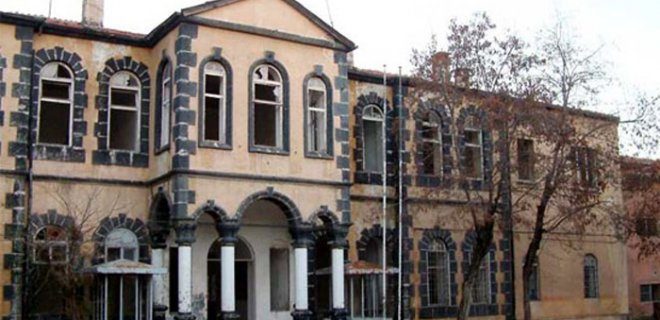
Cahit Sıtkı Tarancı Museum is more than just a temple. In fact, Turkey’s most popular modern poet was born here. If you visit the historical center of Diyarbakir, you must stop here. The building itself is an architectural standout full of stone and history.
Inside, the focus shifts from the splendor of the exterior to the poet’s intimate life. You will find valuable personal items and manuscripts that offer a glimpse into his world. This is a quiet space. The air felt still.
Why visit the poet’s birthplace in Diyarbakir?
Most travelers run through walls and literature in search of food. They miss the soul of this city. This museum sets it right. This book is entirely dedicated to the man who defined Turkish poetry for generations: Cahit Sıtkı Tarancı.
The collection is small, but very important. You look at his personal belongings. Not mass-produced souvenirs, but real things that he had actually touched. This also includes his carefully preserved literary works. The layout is simple. It forces you to slow down.
How to plan your stay here
Location is key. The museum is located in the center of Diyarbakir. Walking distance to most major hotels or the main castle area. The Old Town Gate is less than 10 minutes away on foot.
Timing is important. Go late in the afternoon. The light hitting the stone facade changes. The crowds thin out. You are more likely to be able to read the plaque without having to stand shoulder to shoulder with tourists.
Entrance fees are not listed on the standard itinerary, but check locally. Some Turkish cultural institutions charge foreigners a nominal fee. Please take a small amount of cash with you just to be safe.
What is unique about this museum?
What you are looking at is not your typical wall of biography. You are standing in his house. The architectural style of the house reflects its era and the family’s status. It provides context that regular plaques can’t.
“This museum preserves the private empire of a famous literary giant.”
This distinction is why it stands out. Other museums in Diyarbakir focus on history, war and religion. This time the focus is on art. On words.
Traveler Logistics
Wear comfortable shoes. The floor is solid stone. If you want to admire the exhibitions, you have to stand for a while.
Photography may be prohibited in the main room. Look for signs. Flash is normally prohibited. Protect old paper and fabric.
Combine this visit with a nearby meal. Diyarbakir is famous for its gastronomy. Guests can enjoy local dolma and lamb dishes at restaurants within walking distance. Let the literary atmosphere linger while you eat.
Is it worth the detour?
If you care about the language, then yes. If you only came here for the castle, maybe not. However, the castle has historical connections with the poet’s former residence. This stone united the city and inspired several poems.
You leave with a different understanding of Diyarbakır. It’s not just a fortress. But it is a poetic place. When I walked in the door, the whispers on the street outside were even louder.
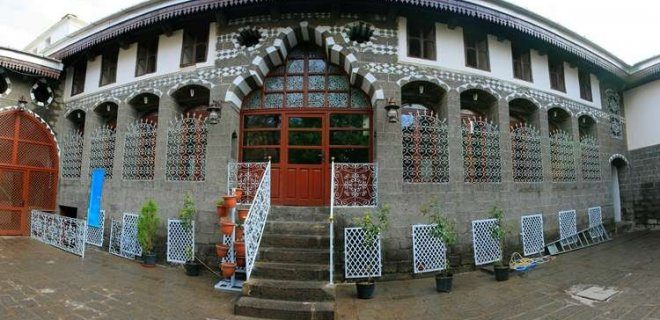
Ashur Castle in Eir: a hidden gem in Diyarbakir
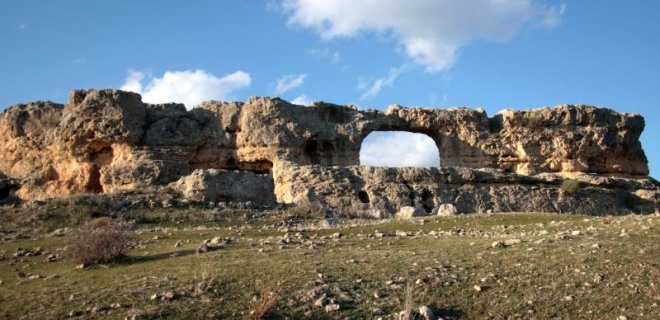
If you are planning historical sites in Diyarbakir, Asur Castle is not the only one on your list. It’s a stark, silent testament to the past, nestled in a quiet area of Agiri, far enough from the city center to feel like a traveler. Dominating the entire landscape, the fortress is located in a precarious deep valley that cuts into the earth, forming a natural defensive wall that would have been a nightmare for ancient invaders.
Accessing the site requires a bit of effort, but the process is simple. You will see a steep terrain with castle ruins scattered across the plain. The most striking feature is not just the crumbling stone walls, but the infrastructure that sustains life in such harsh conditions. If you look closely at the ground, you will find evidence of complex water management.
Notes: Underground tunnels and rain wells are real here. It’s not just decoration. They are survival tools.
These tunnels connect different parts of the fortress and reveal a complex internal layout that is only partially understood. They can be escape routes or safe corridors between key defense points. At the same time, there is a yağır Suyu kuyuları (rainwater well) on a high place, which is a testament to the ingenuity of the people who built this place. In arid climates, capturing every drop of rainwater is not so much a matter of convenience but rather survival in a long-term siege.
When planning your visit, remember that this is not a managed tourist park. There are no long lines at the ticket office or the audio guide. It is the most primitive form of ruins. The bare rocks can get unbearably hot in the summer sun, so the best time to visit is in the cooler months of spring or fall. Bring sturdy shoes. The terrain is uneven and the valley surrounding the castle can be seen for miles, reminding you how isolated and strategic this place is.
Is it worth deviating from the main road in Diyarbakir? Completely. The Great Mosque and city walls draw the crowds, but Assur Castle offers a quieter, meditative experience. All that remains is the silence of the stones, which reveals that thousands of people have once lived, fought and prayed here. This is a place to think about patience, also the patience of stones and the patience of the spirit.
Why the Walls of Diyarbakir are not negotiable in your itinerary
You’ve never seen Diyarbakir unless you walk around it.
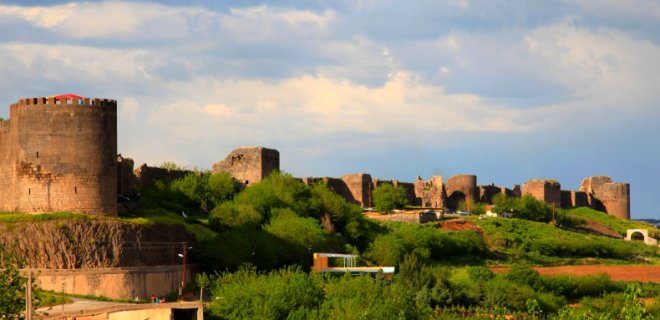
This is more than just a scenic walk. This is a physical confrontation with history. The walls are huge. They dominate the skyline and soul of the city. Built from the unique volcanic basalt rock that gives the city its nickname, it rises out of the ground and gives it a thick, imposing appearance.
Most tourists walk past it. They go straight to the Grand Mosque or the coffee shops in the Sur district. This is wrong.
The city walls of Diyarbakir are widely considered to be the second largest fortification system in the world after the Great Wall of China. Think about scale. We are talking about structures so huge that they determine the urban structure of the entire state. However, the date of its first construction is still a historical mystery. Some say Roman. Some say it has been adapted by later generations. The truth is buried under layers of mud brick and basalt.
How to move around the fortress without getting lost
The fortress stretches for about 5.5 kilometers. It takes time to complete the cycle. This is not a quick photo opportunity.
Start at one of the eight main gates. The clock tower gate is the most famous, but you can enjoy different views from other entrances. Each port has its own name and history. Maktoul Gate stands out in particular. The wall itself is almost 5 meters thick in places. Some reach a height of 20 meters.
You can walk along the top. The road is bumpy in places. Loose stones are common. Wear shoes with traction. The view from the battlements is what you came here for. Enjoy 360-degree panoramic views of the old town. The rooftops look like a sea of flat terraces. Below you, the Tigris River meanders through the landscape.
The way sunlight hits the black rock varies with the time of day. The early morning light is soft. It reveals the texture of the mortar. Late afternoon light turns the walls a deep purple. This is dramatic.
What makes these forts so unique?
It’s not just about size. It’s the engineering.
The walls withstood earthquakes. They’ve survived sieges. They survived centuries of imperial change. The construction techniques used here influenced fortresses throughout the Middle East. If you like architecture and military history, this is a treasure trove.
The gates are works of art. It is characterized by intricate geometric patterns carved into the stone. Some dates are engraved just above the arch. These dates usually refer to repairs or strengthening rather than original construction. This is a survival timeline written in rock.
Logistics for the modern traveler
- Price: Access to the city walls is usually free. The city controls public access.
- Time: Use at least 2 hours. If you stop to look at the caravanserais built into the fort, Maybe more if you stop.
- Best time: Early morning or evening. Midday in Diyarbakir is hot, and the rocks absorb the heat. It radiates.
- Safety: Stick to the main walkways. Some parts have been restored. The others are in original condition. The renovated area is safe for families. The rough parts are suitable for experienced walkers.
Where to stay in Diyarbakir: The historic Hasan Paşa Hanı
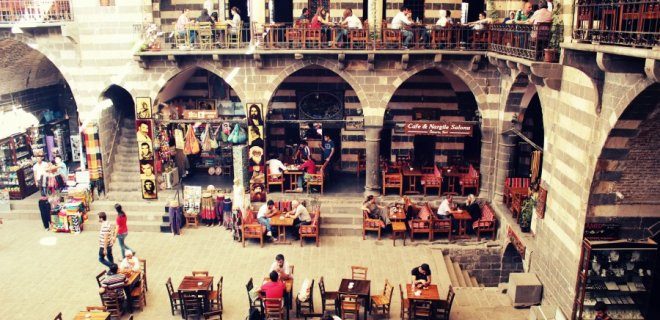
Hasan Paşa Hanı Located in the heart of Diyarbakir, this hotel is more than just a place to stay. This is a time capsule. Built between 1572 and 1575, this caravanserai is a tribute to the Ottoman Empire. The facility was commissioned by Vezirzadeh Hasan Pasha, a high-ranking official who wanted to provide a resting place for merchants and travelers traveling along the eastern route of the Silk Road.
It is now a boutique hotel. Don’t expect modern luxury though. Think stone walls, high ceilings and echoes of history. The architecture is pure Seljuk-Ottoman style. Thick basalt walls keep the interior cool in summer and warm in winter. The central courtyard is open to the sky, and this design is not only aesthetically pleasing. It once provided ventilation and light for the hundreds of camels and traders who lived here.
If you are planning a trip, make your reservation in advance. This hotel is not a chain hotel with rooms available. This is a historic hotel with a limited number of rooms. It’s more expensive than a regular hotel, but you’re paying for the atmosphere. You sleep in a building that has seen trade, war and peace for centuries.
“The memories of the Silk Road are engraved on the stones of Hasan Paşa Hanı.”
Getting there is easy. Located in the city center, close to the historic gates and the Great Mosque. Most of the other major attractions are within walking distance. Bring sturdy shoes. The floor is uneven. The stairs are very steep. That’s part of the charm.
Why stay here? Because it’s one thing to read about Ottoman architecture in a textbook. It’s another thing to touch cold, rough stone walls from 400 years ago. It grounds you. It makes the history real.
Is it worth the premium? For many travelers, yes. Especially for those who want to immerse themselves in the city’s past. However, if you want room service and fast Wi-Fi everywhere, this might not be the place for you. Internet in stone corridors can be unstable. Accept it. Or leave your laptop in the lobby.
The rooms are very simple. Clean but very simple. No marble shower. No fluffy towels. A great place to take a break after exploring the Sur area. The yard at night is magical. The lanterns are hung from the arch. The smell of spices from the local market fills the air. The call to prayer echoes from the minaret.
Don’t miss the upper floors. The view from the roof of the old town is amazing. You can see the glistening Dicle River in the distance. You can see the sheer scale of the fortified walls surrounding the city. It puts things into perspective. You’re small. The history is big.
Hasan Paşa Hanı is more than just a hotel. It’s an experience. The possibility to go back in time. Sleep where merchants once slept. Wake up to the sounds of the city around you. It doesn’t apply to everyone. But for those who seek it out, it is unforgettable.
Why Diyarbakir’s Deir Qaani survived centuries of turmoil
Walking through this walled city, you can’t help but feel the weight of history. But there are places where history is alive, noisy and magical. We are talking about Deliler Hanı.
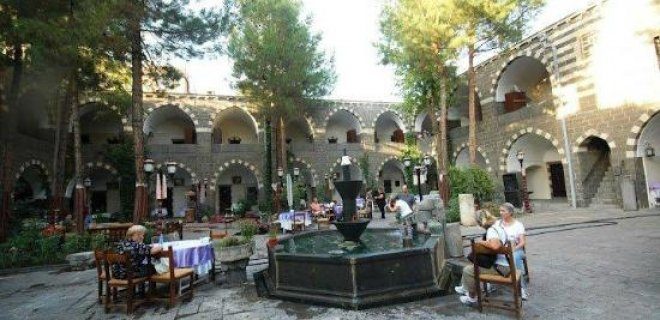
Founded in 1527, this place is more than just a forgotten ruin. The piece was commissioned by Husrev Pasha, a high-ranking Ottoman official who wanted something grand. He delivered. The building screams power. a huge stone arch. Intricate sculptures that have survived earthquakes, war and neglect. We saw a time when trade routes determined the fate of empires.
But this is what most travelers miss. they look ahead. they take pictures. they left.
It doesn’t stick because of the smell.
The air in the yard is full of the smell of roasted lamb and freshly baked bread. This is the scent of survival. A place that refuses to die.
How to experience Delilah Hani without the crowds
Timing is important. If you come at noon, there is a zoo. Dismantling the tour bus. The tour guide shouted over the loudspeaker. You end up lined up against the wall.
Let’s go early. Before 9. Or slow. After 18:00, the sun sets behind the roofs of Suri.
The light hits the stone in different ways. It will turn golden yellow. The shadows in the garden were very long. It is very quiet. You can hear the sound of clattering food coming from the restaurants lining the arcade. You can hear footsteps echoing through the vaulted ceiling.
You can feel the heartbeat of Diyarbakir here.
Which restaurants are really worth paying for?
Don’t eat at the place with the biggest sign. They are traps. This is for travelers who don’t have much information.
Find where the locals sit. The tables are small and close to each other. The waiter shouts.
I recommend a small place in the side aisle. Together with a wooden table. Rahmaku’s portion is thin and crispy. These are not rubber sheets available elsewhere.
Payment? A meal for two is under $10. cheap. delicious. Genuine.
“Food here is more than fuel. It’s a conversation.”
Where to find the best craftsmanship
In addition to food, crafts are also available. look up It’s on the roof, not in the roof.
You will find copper workers. Leather craftsman. People who have always done the same job as their grandparents.
Buy small items. A copper bowl. It’s a leather bag. We’re not talking about souvenirs. This supports people who still do things by hand. In the world of mass production, this is important.
Why this place is still important today
Deliler Hanı is not a museum. This is a living space.
This is where Diyarbakir’s past and present meet. You can see the architecture of the Ottoman Empire. You can taste the flavor of the crudo. You can hear Kurdish spoken alongside Turkish and Arabic.
It’s very messy. Very confusing. It’s beautiful.
Don’t rush to finish it. sit. Please stay for 1 hour.
Why Hevsel Bahçeleri’s stay in Diyarbakir is not negotiable
If you are planning a route through Southeast Turkey, it would be a mistake to skip Hevsel Bahçeleri. Also known as Efsel Bahçeleri, this place is more than just a park. It is a historic green belt that surrounds the Tigris River. There’s a reason the locals call it the “Lungs of Diyarbakir”. The atmosphere here is different. Even cooler. Greener.
Visitors often underestimate the size of this place. It covers an area of almost 170 hectares on the east bank of the Tigris River. A large number of old trees (more than 400,000) form an ancient canopy. You are walking through centuries of garden history. The soil is fertile. The water is constant. This contrasts with the arid landscape surrounding the city.
How to visit gardens efficiently
Getting there is easy. The garden runs parallel to the main road leading to the historic city walls. You can enter from several places, but the area near the Diyarbakir Grand Mosque offers the best view.
- Best time to visit : Early morning or evening. It can be very hot during the day, especially in summer.
- Sights : Look for the old water mills (düzdemir ). These are remnants of the Ottoman era. They still stand, silent and strong.
- Logistics : Bring water. Some stalls sell snacks, but they are few and far between. The most authentic way to experience this space is on a picnic.
Trees are more than just decorations. These are biodiversity hotspots. Bird watchers can spot hundreds of bird species here. Migratory birds come here in spring and autumn. If you’re lucky, you might even spot an endangered Syrian Woodpecker.
Hidden history
This place has a dual identity. Leisure space for modern families. But it also has a deep historical weight. These gardens have been cultivated since Assyrian times. Later, the Ottomans expanded their irrigation systems. As a result, this landscape has survived wars, floods and urban expansion.
It is noteworthy that it is located near the Diyarbakir Fortress. A huge stone wall can be seen from the forest. The combination of organic greenery and hard, defensive stone is visually striking. It tells about the sustainability of the city. Natural recovery. People adapt.
“Hevsel Bahçeleri is more than just a park; it is a living archive of the region’s ecological and cultural history.”
The costs are very low. Admission is free. This makes it accessible to everyone. Locals come for a walk. Children play. Elders sits on a bench and looks at the river. This is a public space. You are not an outsider. You are part of the daily rhythm.
Practical advice for travelers
Don’t rush. Hevsel Bahçeleri’s value is in slowing down. The road is paved, but uneven in places. Wear sturdy shoes. The shade is deep, but there are gaps in the sunny areas.
Be aware of seasonal changes. Cherry blossoms bloom in spring. In autumn, the leaves turn into a mosaic of red and gold. The water level of the river changes and the appearance of banks’ changes.
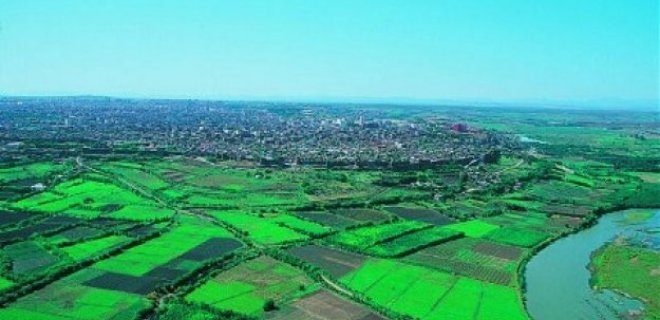
Tigris: The Living History of Diyarbakir
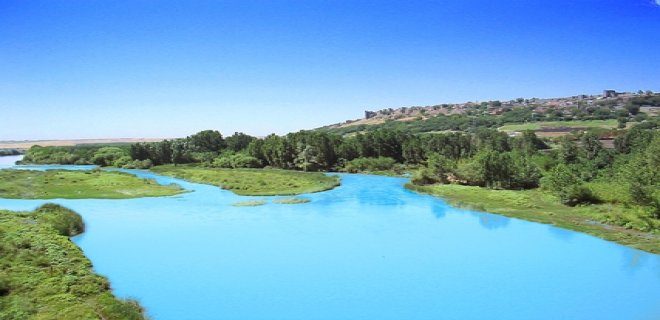
The Tigris River (locally known as the Dicle) doesn’t just flow through Diyarbakir. It defines it. This isn’t just a pretty background you pass through on your way to somewhere else. This is the main reason this city exists. Stretching 1,900 kilometers from its source in the Taurus Mountains to the Persian Gulf, the river is one of Turkey’s most important waterways.
But here’s the thing about the Tigris. Its name has changed so many times that tracking down its true identity is like tracking down a ghost. Ancient civilizations called this place by different names, changing the nomenclature with each empire that rose and fell on its shores. The name “Dicle” is just the latest version.
For travelers planning a trip to Diyarbakir, this is the starting point. It’s not an airport. Not in the main hotel building. By the water.
There is a special atmosphere along the river that cannot be found in Istanbul or Ankara. It is relatively quiet. Heavier with history. The walls of the ancient city, its gigantic volcanic stone fortifications, reflect directly reflected in the dark water. To walk along the embankment is to walk in the shadow of the empires.
Why the Tigris River is important to your itinerary
You cannot visit Diyarbakir without engaging with the river. It is not just a geographical feature. It is a cultural anchor.
- Timing: Visit at sunset. When the light hits the stone wall, it glows amber. The contrast between the gray rocks and the flowing water is stark.
- Logistics: You can reach the river bank via the pedestrian bridges connecting the old and new parts of the city. You can walk along the visible riverfront in the historic center. If you stop to watch, it takes about 2 hours.
- Cost: The walk is free. Boat tours are also available, but they are usually short and aimed at tourists. The real experience is on foot.
How to really experience the river
Don’t just look at the water. Look at what the water supports.
The Tigris River has been the lifeblood of the region for thousands of years. Agriculture, trade and daily survival all depended on its flow. Today, that dynamic has changed a bit. Thanks to modern infrastructure, the river is no longer the main source of water for the city’s immediate needs, but it is still the spiritual heart.
If you are planning a trip, consider the following:
1. Walk the bridges. The older stone bridges is an architectural wonder. They date back goes back centuries. Each tells a story of restoration, collapse and rebuilding.
2. Sit by the water. ** There is a small cafes along the banks. Order tea. Watch the boats. The pace is slow. Deliberate.
3. **Look upstream. ** picture the river 2000 years ago. It’s the same water. The same current. Different people. different languages.
The name changes is no longer relevant. The most important thing is continuity. The river remains.
Is this the most beautiful thing of Turkey? Probably not. But it’s the most honest thing. It doesn’t perform. It just flows. that is enough in Diyarbakir.
History of Diyarbakır Bridge
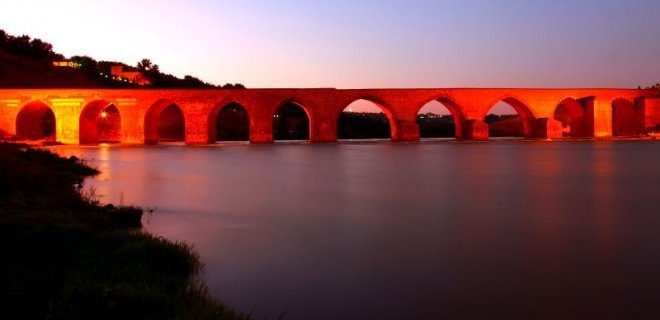
Hidden in the rugged landscape of southeastern Turkey, the Dicle Köprüsü, sometimes simply referred to by locals as On Gözlü köprü (Ten Arch Bridge), is a stubborn reminder of medieval engineering. You’d think a building like this would be a busy tourist attraction, but it’s quieter than you’d think. It was built by Meyvaniler, not royal caliphs or grand viziers. This detail is important because it points to the utilitarian spirit of the bridge. It is not made for demonstration. It was built for crossing.
1065, placing it firmly in the Great Seljuk Empire era of the Great Seljuk Empire. That was almost a thousand years ago. These stone carvings bear witness to the rise and fall of empires, the escalation of wars and the direction of rivers. 10 arcs to go. If you’re planning a trip to Diyarbakir, this is a place that takes a bit of effort to find, but has a timeless feel. This location near the Dicle River creates a sharp and beautiful contrast between the ancient rocks and the water flowing below. Just don’t drive by. Pull over. In the late afternoon, the light hits these arches in different ways.
Sipahiler Çarşısı: Diyarbakır’ın Kalbindeki Tarihi Ticaret Noktası
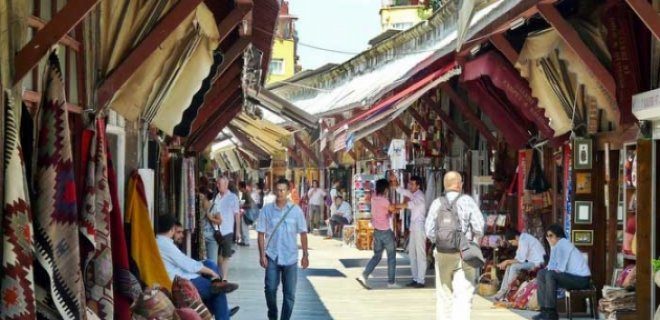
Diyarbakır’ın kalbinde, taş duvarların gölgesinde hâlâ nefes alan Sipahiler Çarşısı, sadece bir alışveriş noktası değil, şehrin tarihi ritmini yansıtan canlı bir dokudur. Burada ticaret yüzyıllardır kesintisiz devam ediyor.
Geçmişte bölgenin dokuma sanayinin kalbi olan çarşı, bugün yerli ve yabancı gezginler için durulması gereken bir durak. Eskiden ipek ve kumaşların alışverişinin merkezi olan burası, şimdi geleneksel el emeği ürünlerin ve modern Diyarbakır ruhunun buluştuğu yer.
Neden Görülmesi Gerekiyor?
Çarşı, Diyarbakır Kalesi’ne yakınlığı ve sur içi turundaki stratejik konumuyla ziyaretçiler için kolay erişim sağlar. Tarihi yapıların içindeki dar sokaklar, zamanın nasıl yavaşladığını hissettirir.
- Tarihi Derinlik: Osmanlı döneminden kalan kervansaray havası.
- Ürün Çeşitliliği: Geleneksel dokumalar, bakır işçilik, ve yerel tatlar.
- Atmosfer: Kalabalık ama otantik.
Ne Alınır, Ne Yapılır?
Diyarbakır’ın meşhur bakır işçilik ürünlerini burada bulabilirsiniz. Tabakçılık ve deri ürünler de popülerdir. Ancak çarşının asıl güzelliği, sadece alışveriş yapmakta değil, etrafı gözlemlemektir.
“Sipahiler Çarşısı, Diyarbakır’ın geçmişini bugüne taşıyan en canlı örneklerden biridir.”
Ziyaret İpuçları
- Zamanlama: Sabah erken saatler veya öğleüstü daha sakin olabilir. Akşamüstü ise sokak lezzetleri ile canlanır.
- Ulaşım: Sur içi olduğu için yürüyerek ulaşmak en iyi seçenektir.
- Bütçe: Pazarlık kültürü hâkimdir. Fiyatları sormadan teklif almayın.
Diyarbakır’ın bu tarihi çarşısı, sadece bir alışveriş merkezi değil, şehrin kimliğini anlamak için girilmesi gereken bir kapı. Taşların arasından süzülen tarih kokusu ve yerel esnafın sıcaklığı, sizi Diyarbakır’a bağlayan en güçlü ipliklerden biri.
The reality of visiting the Birkleyn Caves
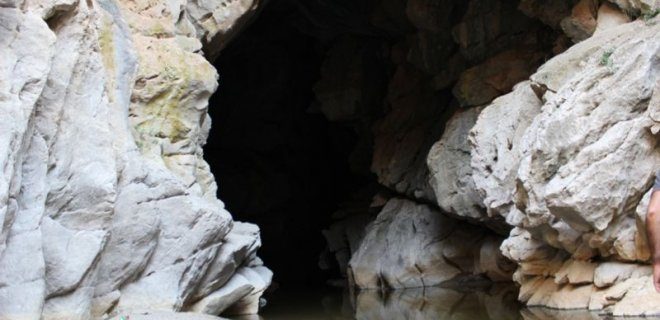
The Birkleyn Caves is located in the Lice district on the outskirts of Diyarbakır. What you see is not a sophisticated tourist trap. These are raw spaces. The total length is only 900 meters. This is a meaningful walk. You need good shoes. You need light.
“The cave contains reliefs and inscriptions about Assyrian kings.”
The distance does not make this place worth visiting. This is carved on the wall. King of Assyria. Their faces are still there. These writings have been preserved for thousands of years. You can trace threads of ancient power.
Why Lice?
Most people pass through Diyarbakir on their way to other places. Lice sits off the main route. That’s why it feels so pristine. The cave is not well advertised. No ticket office found. There are no crowds in sight. You find history.
Logistics and time
It is easily accessible from Diyarbakir. The trip takes about an hour by car or dolmuş. The cave itself also requires preparation.
- Entry fee: Free entry. An official guide is not needed, but local knowledge is useful.
- Lighting: Take a powerful flashlight with you. Some areas are dark.
- Duration: From 45 minutes to 1.5 hours. It depends on your pace.
- Best season: Spring and autumn. The outdoor areas can be very hot in the summer. In winter, a cold wind blows at the mouth of the cave.
Connection to Assyria
Relief is the biggest attraction. They depict Assyrian rulers. Think about it, it’s over 2000 years old. The engravings are deep. You can even see the details of the beard and crowns. The writing is cuneiform. You may never have read it. But when you stand next to them, your perspective changes. It’s not just rock. This is a record.
What’s going on inside?
Cave systems are very complex. Some corridors can be narrow. Others open up. The air is cool. Stable. The walls are rough. You will come across rocks that haven’t been touched by humans for centuries. It’s quiet. Too quiet. You hear your own breath.
Don’t expect any amenities. There are no cafes nearby. Pack water. Pack snacks. The nearest town is Lice itself. There are basic shops. No more.
Is it worth the detour?
Probably not if you are planning a regular Turkey route. But if you’re looking for something real, then yes. The Birkleyn Caves is not crowded. they are not famous. They are authentic. You walk where the Assyrians walked. You see what they left behind. It was a stark, beautiful experience.
There’s a reason not many people go here. It’s not that it’s hard to find. Because it’s not on the list. There are many other places on the list. An easier place. A safer place. A familiar place.
Lice is different. The caves don’t care if you’re on the list or not. They just are. That’s the point.
If you’ve already read the main guide, you probably already know the basics. a huge stone wall. Coagulated sheep’s blood sausage. It has a strong sense of history. It’s not about the number of clicks. As for steering distance. These things only show up when you stop looking at the map and start looking at the street.
An artisan area not to be missed
Most visitors go straight to the Great Mosque (Ulkami) or the city walls. it doesn’t matter. But the real Diyarbakir lives in an old and quiet corner of Sur. Especially the artisan area. This is not a staged ‘traditional crafts’ area. This is a workshop where the sound of hammering copper still echoes in the stone.
No neon here. It is a small workshop with only the iron door slightly ajar. Inside, people shape metal. Not suitable for tourists. Used in local kitchens and at weddings in nearby villages. It’s noisy. Smells like coal and hot metal.
Why is this important? Because this is real work. It’s not about performance. If you enter quietly, tea may be offered. Or ignore it altogether. Both are correct. Don’t push it. Just pay attention to the rhythm. The hammer was struck. The shape is starting to take shape. This is a form of meditation rarely allowed in urban life.
“The best souvenirs are not the ones you buy, but the ones you see with your own eyes.”
Not only tea but also coffee
Yes, I drink tea. Anywhere. It is the social lubricant of the state. However, if you want to feel the local vibrancy, find a cafe. This isn’t a trendy coffee shop with single source coffee beans and chalked Wi-Fi passwords. your coffee.
These places are for men. to a large extent. They are playing backgammon (board ). they discuss politics. They stare into the middle distance. The coffee is very strong. sweet. The grind may be too fine for some people. It’s like syrup in a cup.
Let’s go early. before it gets too hot. Sit in the plastic chair. Order Turk Kabesi. Please watch the match. You don’t get the joke. But you understand the energy. Very relaxing. I am confident. take it easy
Golden Hour Bridge
Abdi Bridge (Dicle Köprüsü) is an iconic building. However, visiting during the day is a mistake. The sun is too bright. The shadow disappeared. The river looked flat.
Wait until late afternoon. When the light turns golden. The stones on the bridge reflect the water. The silhouette of the city against the sky changes every moment. Suddenly, ancient Roman technology became modern. sharp.
You can walk from South Shore. Let’s travel north. review. The contrast between old and newly developed stones is shocking. Beautiful, but unpleasant. This is a city that refuses to think about its past, even though it is deeply rooted in it.
Foods that violate the “authentic” label
I read kele paça. Pig’s head and feet soup. This is the thing. Some people like it. some jokes. If you are interested, give it a try. But the true test of an urban kitchen is how well it uses simplereal,, simple, and simple ingredients well.
Look