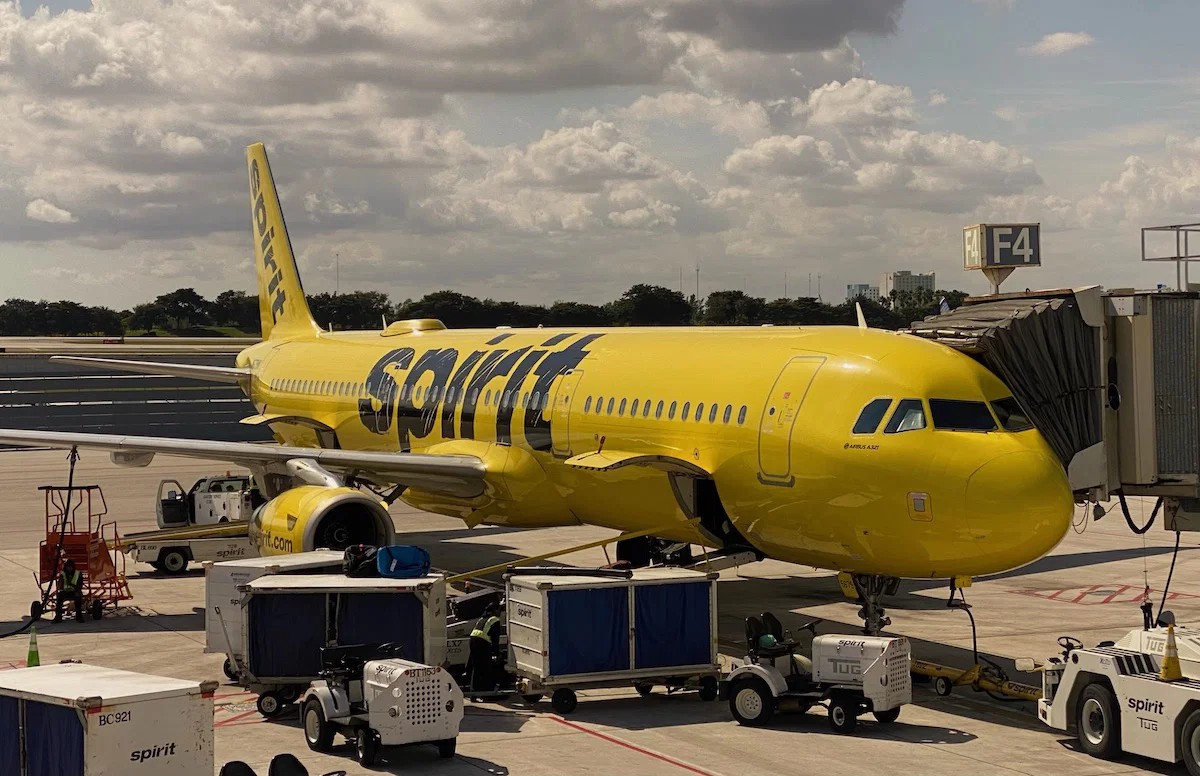
The Trump administration is reportedly exploring an unconventional method to rescue Spirit Airlines, a carrier that has failed to turn a profit for seven years and continues to face significant financial losses. The proposed plan involves a massive government intervention that would fundamentally alter the airline’s ownership structure and leverage emergency legal powers typically reserved for wartime.
The Mechanism: The Defense Production Act
The centerpiece of this proposal is the use of the Defense Production Act (DPA). While this act is traditionally used to compel private companies to prioritize government contracts or to ramp up the production of critical goods during national emergencies, it also grants the government authority to provide loans to private firms in the interest of national defense.
Under the proposed framework:
– The government would provide Spirit Airlines with a $500 million loan.
– By becoming the primary debtor in Spirit’s bankruptcy proceedings, the government would secure its position at the front of the repayment line.
– In exchange for this support, the government would receive a warrant granting it a 90% stake in the airline once it emerges from bankruptcy.
– The Pentagon would potentially utilize Spirit’s “excess capacity” to transport troops and military cargo.
Strategic Goals vs. Economic Reality
The administration’s long-term objective is to stabilize the airline and eventually sell it to another carrier for a profit. However, the plan faces significant logical and economic hurdles that raise questions about its feasibility.
1. The “Burn Rate” Problem
Financial analysts note that based on Spirit’s current rate of loss, a $500 million injection might only provide a few months of liquidity. This creates a cycle where the government essentially takes over a failing business model, inheriting massive operating losses in the process.
2. The Exit Strategy
The plan relies on the assumption that other airlines will be interested in purchasing Spirit once it is stabilized. Given the lack of market interest in Spirit up to this point, the prospect of a profitable sale remains highly speculative.
3. Competitive Imbalances
There is a potential conflict regarding market fairness. If Spirit is transformed into a primary government contractor, it may gain an advantage that other commercial airlines cannot match, potentially distorting the competitive landscape of the aviation industry.
Contradictions in Logic
The proposal has also drawn scrutiny for its internal inconsistencies. President Trump has framed the deal through two different lenses:
– As a profit-seeking venture: Suggesting that the government will acquire assets “virtually debt-free” and sell them for a profit when oil prices drop.
– As a tool for competition: Stating a desire to maintain a high number of airlines to ensure industry competitiveness.
These two goals—government-led consolidation via bailout and the maintenance of a competitive, multi-carrier market—often work at cross-purposes.
Context Matters: The use of the Defense Production Act for a commercial airline bailout is an extreme measure. It signals a shift toward heavy state intervention in the private sector, blurring the lines between national security policy and corporate welfare.
Conclusion
The proposal to use defense-related emergency powers to rescue a struggling commercial airline represents a highly experimental approach to economic management. While it aims to secure military logistics and save jobs, the plan’s success depends on solving deep-seated structural losses that a single loan may not be able to fix.