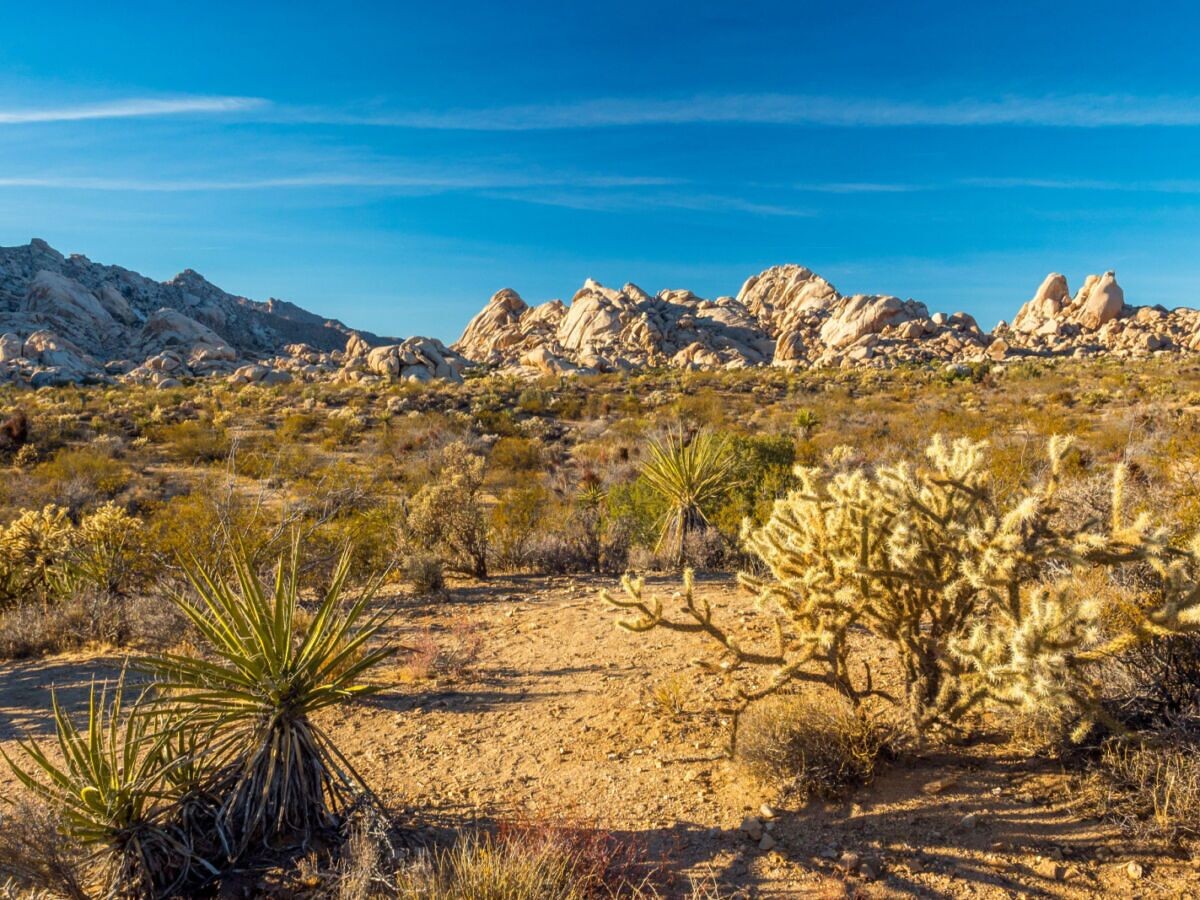
While California is famous for its rugged coastline and towering redwoods, some of its most profound landscapes lie in the arid expanse of the Mojave Desert. Three relatively new national monuments—Sand to Snow, Mojave Trails, and Castle Mountains —offer vast, sweeping vistas and a level of solitude rarely found in more popular parks like Joshua Tree.
Because these sites are less visited, they provide a unique opportunity for travelers to experience the desert’s raw beauty without the crowds. However, this remoteness comes with a caveat: these are rugged environments. Navigating them requires careful planning, as cell service is scarce and facilities are minimal.
The Ultimate Desert Road Trip Itinerary
To experience all three sites in a single trip starting from Los Angeles, the most logical route is to head east toward the mountains before cutting across the desert.
- The Starting Point: Head east on I-10, then turn north via Highway 38 (near Redlands). This leads you toward the mountains, a great place to base yourself if you want more amenities like Big Bear Lake.
- The Loop: From the mountains, you can move toward Mojave Trails, then head north toward Castle Mountains, and finally loop back or head toward Las Vegas.
- Pro Tip: Consider staying in Joshua Tree or Big Bear for more comfortable lodging, or embrace the desert by camping near the monuments themselves.
1. Sand to Snow National Monument: Where Desert Meets Mountain
Spanning 154,000 acres, Sand to Snow is a unique ecological transition zone where the Sonoran Desert meets the San Bernardino National Forest. This variety in elevation means you can experience both heat and snow within the same monument.
- Key Activities:
- Hiking: The monument hosts 30 miles of the famous Pacific Crest Trail. For those seeking a challenge, the 16-mile San Bernardino Peak Trail offers massive elevation gains and stunning views.
- Seasonal Fun: In summer and fall, it is a hiker’s paradise; in winter, the higher elevations allow for cross-country skiing and snowshoeing.
- Wildlife: Keep an eye out for over 240 species of migratory birds.
- Logistics: It is roughly a 4-hour drive from Mojave Trails via Barstow.
- Camping: You can camp almost anywhere within the monument, though developed sites are available in the nearby National Forest. If you prefer a hotel, Palm Springs is just 45 minutes south.
2. Mojave Trails National Monument: The Giant of the Desert
As the largest national monument in the contiguous United States, Mojave Trails covers a staggering 1.6 million acres. Its massive scale has turned nearby 29 Palms into an official “gateway community,” boosting the local economy through desert tourism.
- Key Highlights:
- Volcanic Wonders: A popular beginner hike is the 3-mile round-trip to Amboy Crater, one of the nation’s youngest volcanoes.
- Geology & Fossils: Explore Afton Canyon for dramatic rock formations, and keep a lookout for ancient fossils scattered throughout the landscape.
- Wildlife: Expect to see coyotes, jackrabbits, and roadrunners.
- Logistics: It sits between Joshua Tree National Park and the Mojave National Preserve. It is approximately two hours south of Las Vegas.
- Camping: Managed by the BLM, this area allows for dispersed camping (camping anywhere) or the use of 22 established campsites that do not require reservations.
3. Castle Mountains National Monument: Pure Solitude
If you are looking for true isolation, Castle Mountains is the destination. Unlike the other sites, this monument has almost no infrastructure—no visitor centers, no maps, and no water stations. The primary way to experience it is by driving its rough dirt roads or hiking through its vast grasslands.
- What to Expect:
- Nature’s Silence: The monument is celebrated for its “natural soundscapes” and incredibly dark night skies, perfect for stargazing.
- Botanical Diversity: The area is a hotspot for rare native grasses and spring wildflowers.
- Wildlife: Look for bighorn sheep and golden eagles.
- Logistics: While in California, it is easiest to access from Nevada via Highway 164. It is about 75 minutes from Las Vegas.
- Camping: You can use the Mid-Hills or Hole-in-the-Wall campgrounds, but many visitors prefer dispersed camping to feel more immersed in the landscape.
⚠️ Essential Preparation Checklist
The desert is beautiful but unforgiving. Because these monuments are “newly protected,” they lack the heavy infrastructure of established National Parks.
Before you go, ensure you have:
– Water & Food: Bring significantly more than you think you need.
– Offline Maps: Cell service is non-existent in much of these areas. Download maps (like AllTrails) before leaving.
– Clothing: The desert swings from hot days to freezing nights. Pack layers.
– Navigation: A dedicated GPS is highly recommended for the rugged roads of Castle Mountains.
Final Thought: These monuments offer a rare chance to experience the American West in its most untouched state. By visiting, you are exploring a landscape that is as fragile as it is vast—so travel responsibly and consider supporting conservation groups like the Mojave Desert Land Trust to help keep these spaces wild.