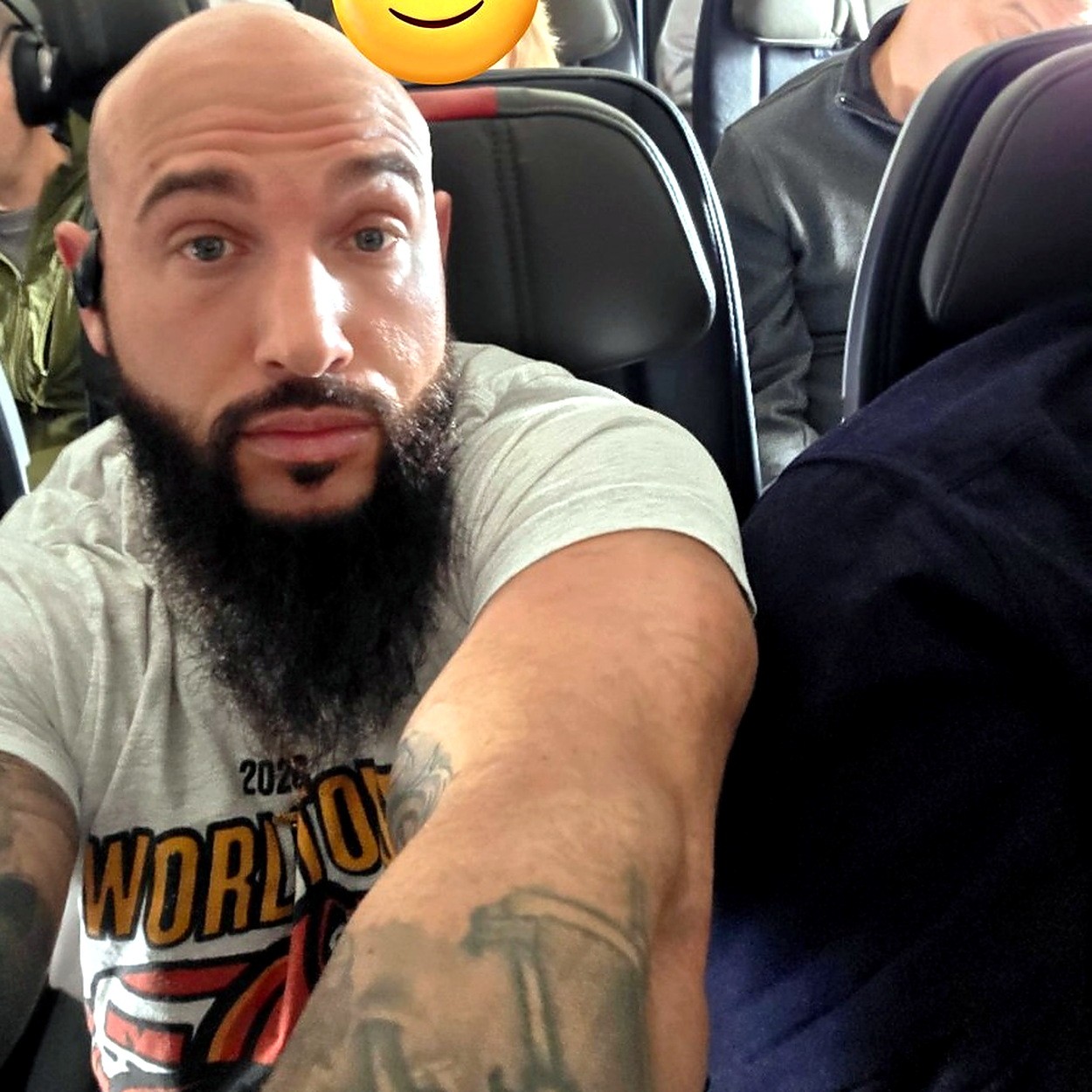
A recent incident on American Airlines highlights a persistent friction point in modern air travel: the gap between official policy regarding passenger size and the reality of enforcement. One passenger reported enduring a three-hour flight in a contorted position because a seatmate’s body extended significantly into their space, resulting in physical pain. While the airline cites customer diversity as a reason for such situations, its actual written policy is far more rigid—and rarely applied.
The Official Rule vs. Reality
American Airlines has a clear, albeit strict, policy regarding passengers who require more space than a single seat provides. The rule states that if a customer needs a seatbelt extension and their body extends more than one inch beyond the outermost edge of the armrest, they are required to purchase an additional seat.
The mechanics of this policy are straightforward:
* Mandatory Purchase: The extra seat must be booked at the time of the original ticket purchase.
* Pricing: The second seat is charged at the same fare as the first.
* Consequences: If a passenger fails to book the extra seat and two adjacent seats are not available on a full flight, the airline reserves the right to deny boarding or require the passenger to move to a different flight where space is available.
“To ensure the comfort and safety of all customers, our policy is that an extra seat will be required at the time of booking if the customer requires a seat belt extension and their body extends more than one inch beyond the outermost edge of the armrest.”
Despite this clarity, the policy is notoriously difficult to enforce. In the case of the passenger with neck and back injuries, the airline’s public response focused on the diversity of customer shapes and sizes rather than addressing the procedural failure to uphold their own guidelines.
Enforcement Is Reactive, Not Proactive
Industry experts and frequent travelers note that American Airlines generally does not proactively enforce this policy during check-in or boarding. Instead, enforcement typically occurs only after a complaint is lodged by another passenger or a flight attendant.
There are documented instances where the policy was finally applied, but usually under specific conditions:
* Full Flights: On a flight from Chicago O’Hare to Tampa, a passenger in an extra-legroom seat was initially asked to disembark because the flight was full and no two adjacent seats were available. They were eventually re-seated in a different row and offered a refund for the premium seat upgrade.
* Armrest Conflict: In another instance, a passenger in a middle seat could not fit within their designated space once neighboring passengers lowered their armrests. A flight attendant intervened and moved the passenger to an empty seat, demonstrating that solutions are possible when staff are prompted to act.
Why This Matters for Travelers
This inconsistency raises important questions about fairness and predictability in air travel. For the passenger forced into a painful position, the lack of pre-flight enforcement resulted in physical harm and a ruined experience. For larger travelers, the ambiguity can lead to stressful confrontations at the gate or mid-flight embarrassment.
The core issue is not the existence of the policy, which aims to balance safety and comfort, but its inconsistent application. Without proactive enforcement, the burden falls on individual passengers to police seat boundaries, often leading to awkward or hostile interactions.
In summary, while American Airlines has a defined policy requiring extra seats for passengers who extend beyond armrest limits, it is rarely enforced unless a complaint triggers intervention, leaving many travelers to navigate these uncomfortable situations without clear resolution.