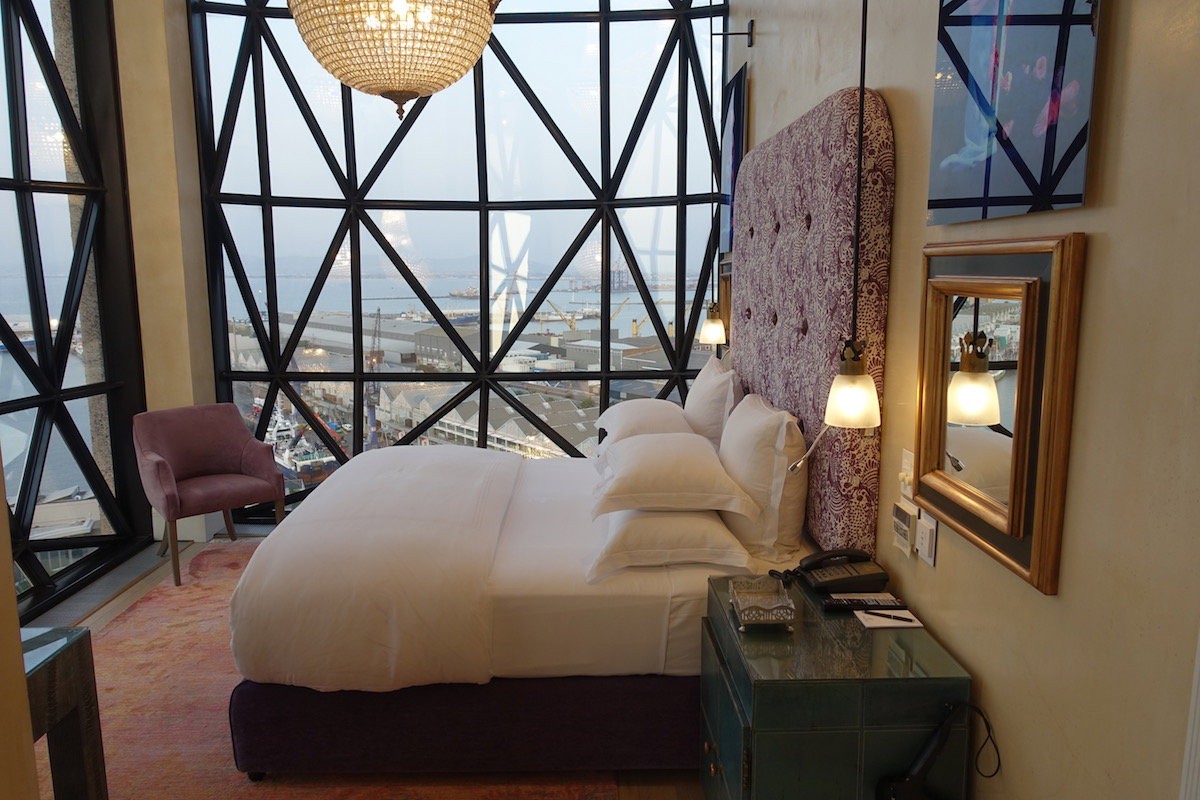
In the modern hospitality industry, marketing terms often travel faster than the reality they are meant to describe. One of the most prominent examples of this is the term “boutique hotel.” Once a specific descriptor for intimacy and unique character, the word is increasingly being used as a broad marketing buzzword by massive global chains, leading to a significant loss of clarity for the consumer.
Defining the “Boutique” Standard
Because there is no global regulatory body to govern hospitality terminology, the definition of a boutique hotel has become subjective. However, to distinguish a true boutique property from a standard commercial hotel, several core pillars should ideally be present:
- Scale and Intimacy: A boutique hotel must be small. The essence of the experience is rooted in a sense of privacy and personal attention that is impossible to maintain in a “mega-hotel.”
- Distinctive Design: A boutique property should eschew the “cookie-cutter” aesthetic common in mid-scale chains. It requires a unique, often highly curated, design identity.
- Upscale Positioning: While “boutique” implies character, it also implies sophistication. A run-down or budget property does not fit the definition, as the term traditionally denotes a level of luxury or fashionable elegance.
- Independence: Ideally, a boutique hotel is an independent entity. While some small, high-end collections (such as Aman or Capella) exist, the hallmark of a boutique is a lack of corporate uniformity.
The Core Definition: At its heart, “boutique” refers to an establishment that is both small and sophisticated.
The Rise of “Lifestyle” Branding
A growing trend in the industry is the emergence of “lifestyle brands” owned by major hospitality conglomerates. Brands like Marriott’s EDITION or Hyatt’s Thompson are frequently marketed using boutique-adjacent language, even when they operate at a much larger scale.
This creates a logical contradiction in how hotels are categorized. For example:
– The Thompson Denver is marketed as a “luxury boutique hotel” despite having 216 rooms.
– The Miami Beach EDITION is described as a “boutique design hotel” with nearly 300 rooms.
While these properties may be stylish and luxurious, they sit in a grey area. They are “small” only when compared to massive convention hotels with over 2,000 rooms, but they lack the fundamental intimacy that defines the boutique category.
The Question of Scale and Context
Where does the line between “large” and “boutique” actually sit? Determining a threshold is difficult because context matters. A 150-room hotel in a dense urban center like New York City might feel intimate and boutique, whereas a 150-room resort in a remote location like the Maldives might feel like a large-scale operation.
However, a general rule of thumb suggests:
1. Under 50 rooms: The gold standard for true boutique intimacy.
2. Under 100 rooms: Generally acceptable for the boutique label.
3. Over 200 rooms: Likely moving into the territory of a standard upscale or lifestyle hotel.
Why This Matters
The proliferation of these terms is driven by a desire to capture the “experience economy.” Major hotel groups are hungry for descriptors like authentic, distinctive, and boutique because they resonate with modern travelers seeking something beyond a standardized room.
The danger is that when every hotel claims to be “boutique,” the word loses its ability to signal quality or uniqueness to the guest. This semantic inflation makes it harder for truly independent, small-scale properties to stand out from the corporate giants using the same vocabulary.
Conclusion: As major chains adopt boutique language to appeal to modern travelers, the distinction between a small, unique property and a large, branded “lifestyle” hotel is blurring. For the consumer, this means “boutique” is becoming less a description of size and more a vague promise of style.