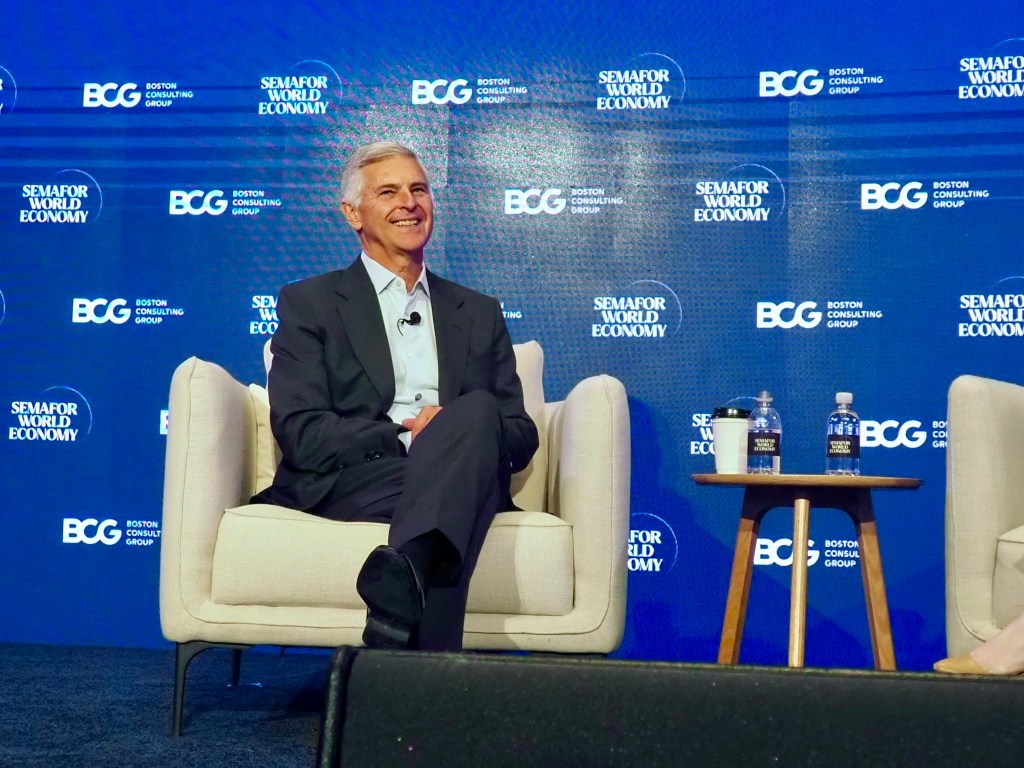
Despite ongoing geopolitical tensions in the Middle East and underwhelming early signals regarding World Cup bookings, Hilton CEO Chris Nassetta remains intensely optimistic about the future of the hospitality sector. Speaking at the Semafor World Economy Summit in Washington, D.C., Nassetta argued that a significant rebound in the U.S. midmarket will serve as a powerful engine for growth, potentially offsetting current global headwinds.
A Bet on the U.S. Midmarket
Last year, Nassetta made a bold public prediction: the hotel industry would see more significant growth in 2026 than in 2025. During his recent address, he reaffirmed this stance, noting that recent economic data has strengthened his conviction.
The core of this “bull case” rests on the U.S. midmarket demand. While high-end luxury travel often fluctuates with economic shifts, the midmarket—travelers looking for value and reliability—represents a massive, resilient segment of the economy. Nassetta suggests that as macroeconomic conditions in the U.S. stabilize, this segment will drive a broad-based recovery across the entire hotel sector.
Navigating Geopolitical and Event-Driven Headwinds
The CEO’s optimism comes at a time when several sectors of the industry are facing uncertainty:
- Middle East Stability: While regional instability remains a concern, Nassetta expressed confidence in the long-term trajectory of Middle Eastern hospitality. He noted that the region is poised for a significant rebound and expects it to remain one of Hilton’s highest-growth markets over the next five years.
- The World Cup Factor: Early indicators for World Cup-related bookings have been described as “disappointing,” raising questions about whether major global sporting events will deliver the expected economic windfall for the hospitality industry.
Why This Matters
Nassetta’s outlook highlights a critical tension in the global economy: the tug-of-war between localized economic strength and global geopolitical risk.
If the CEO is correct, the hospitality industry is entering a phase where domestic consumer strength in the United States can act as a “buffer,” protecting major corporations from the volatility of international conflicts and the uneven performance of global mega-events. This suggests a shift in focus for hotel developers and investors—moving away from relying solely on global tourism surges and toward capturing the steady, reliable demand of the domestic middle class.
“I