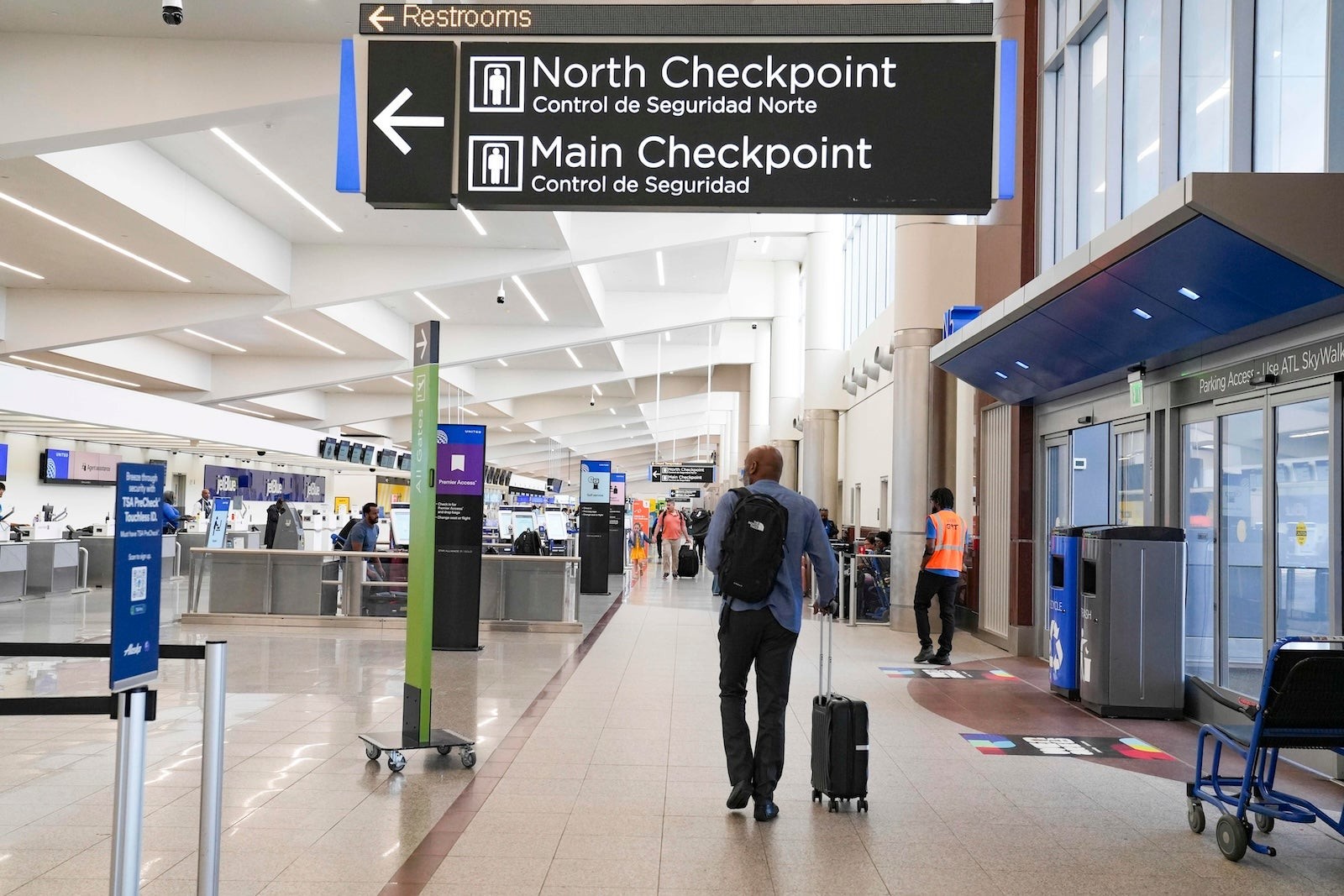
The latest annual rankings from Airports Council International have confirmed a familiar leader: Hartsfield-Jackson Atlanta International Airport (ATL) has once again secured its position as the world’s busiest airport.
This milestone marks the 27th time in the last 28 years that the Georgia hub has claimed the top spot, driven largely by the robust operations of its primary carrier, Delta Air Lines.
The Global Leaderboard: A Changing Landscape
While Atlanta maintains its crown, the global aviation landscape is showing signs of significant movement. The top 10 list for 2025 reveals a mix of steady giants and rapidly ascending hubs:
- The Top Three: Atlanta (ATL) leads, followed by Dubai International (DXB) in second place, and Tokyo Haneda (HND) rounding out the podium.
- The Rise of Shanghai: Shanghai Pudong International (PVG) saw the most dramatic growth, leaping from 10th place to a top-five position.
- The Decline of Traditional Hubs: London Heathrow (LHR) slipped from 5th to 7th, while Denver International (DEN) fell from 6th to 10th.
US Aviation: The Battle for Airspace
The United States remains a dominant force in global aviation, with four American airports placing in the world’s top ten. However, the internal dynamics of US travel are shifting:
- Atlanta (ATL): Remains the undisputed leader, aided by a 6% increase in Delta’s departures.
- Dallas Fort Worth (DFW): Holds steady as the second-busiest US hub.
- Chicago O’Hare (ORD): Has climbed to the third spot in the US. Notably, O’Hare led the world in total takeoffs and landings, which increased by 11% over the previous year.
- Denver (DEN): Remains in the top ten globally, despite a drop in its specific ranking.
The “Aviation Turf War” in Chicago
The surge at O’Hare is the result of an aggressive expansion by United Airlines and American Airlines. This “turf war” has seen a rapid increase in flight offerings, but it raises critical questions regarding infrastructure. As flight volumes spike, the Federal Aviation Administration (FAA) may be forced to intervene to manage increasing congestion and prevent widespread flight delays.
Shifting Airline Dynamics in Atlanta
While Atlanta’s passenger volume remains high, the composition of its airlines is changing. For years, Southwest Airlines served as the airport’s perennial second-largest carrier. However, a recent strategic pullback by Southwest has shifted the hierarchy, leaving Frontier Airlines to take over the de facto No. 2 position at the hub.
International Travel Trends
When measuring success by international passenger volume rather than total travelers, a different set of leaders emerges. The hubs facilitating the most global connections are:
* Dubai International (DXB)
* London Heathrow (LHR)
* Seoul Incheon (ICN)
Summary: While Atlanta maintains its long-standing global monopoly on passenger volume, the rise of Shanghai and the intense competition between major carriers in Chicago signal a highly dynamic and increasingly congested era for global aviation.