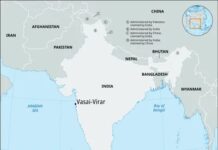

Solapur sits on an upland region along the Sina River. It is the commercial backbone of southern Maharashtra. The city connects Pune to the west with Hyderabad to the east. This strategic location turned it into a hub for cotton and agricultural trade. You will find it here if you are looking for industrial grit mixed with spiritual depth.
Why Solapur Matters for Travelers
Most travelers skip this part of India. They head straight for the beaches of Goa or the hills of Maharashtra. But Solapur offers something different. It is the second-largest cotton textile center in the country. Only Mumbai outpaces it. If you are interested in textiles or local industry, this place has weight. The surrounding area is a low, undulating plateau. There are no major hills to distract you. The landscape is defined by the Bhima River. This river and its tributaries, the Nira and Sina, drain the plateau.
The history here is layered. In early centuries, the Hindu Chalukyas and Devagiri Yadavas held power. Later, the Muslim Bahmani and Bijapur kingdoms took control. You can still see remnants of this past. Ruins of an old Muslim fort stand as silent witnesses. They are not grand monuments. They are quiet reminders of shifting empires.
What to See and Do
The main draw for many is not the city itself. It is Pandharpur. Located in the Solapur district, Pandharpur is a major religious center. Pilgrims flock here throughout the year. If you are visiting during a festival, the energy is palpable. The crowds are thick. The devotion is loud. It is worth experiencing even if you are not religious.
In the city proper, look for the hand-loom weaving. You might find small workshops producing intricate fabrics. Solapur is also known for cigarette and oil-cake manufacturing. These are not tourist attractions. They are part of the daily rhythm of life here. The population grew from 872,478 in 2001 to 951,558 in 2011. This growth reflects the city’s steady, albeit quiet, expansion.
When to Visit and Practical Tips
Rainfall in this region is uncertain. It is erratic. This uncertainty sometimes leads to famine. For a traveler, this means checking weather patterns carefully. The principal crops are wheat, millet, and cotton. Sugarcane is grown under irrigation. If you visit during harvest season, the fields are vibrant. The air might smell of drying crops.
Getting there is straightforward. Solapur lies on major road and rail routes. You can take a train from Pune or Hyderabad. Branch lines extend to the south. If you drive, the roads are clear. The landscape is flat. You will see agricultural vehicles moving between fields.
A Quiet Stopover
Solapur is not a place for luxury. It is a place of work and faith. The city serves as a gateway to the spiritual center of Pandharpur. It is also a window into India’s textile industry. You will not find five-star resorts here. You will find reality. The reality of cotton, of rain, of history.
Some travelers seek beauty. Others seek understanding. Solapur offers the latter. It is a city that does not try to impress