

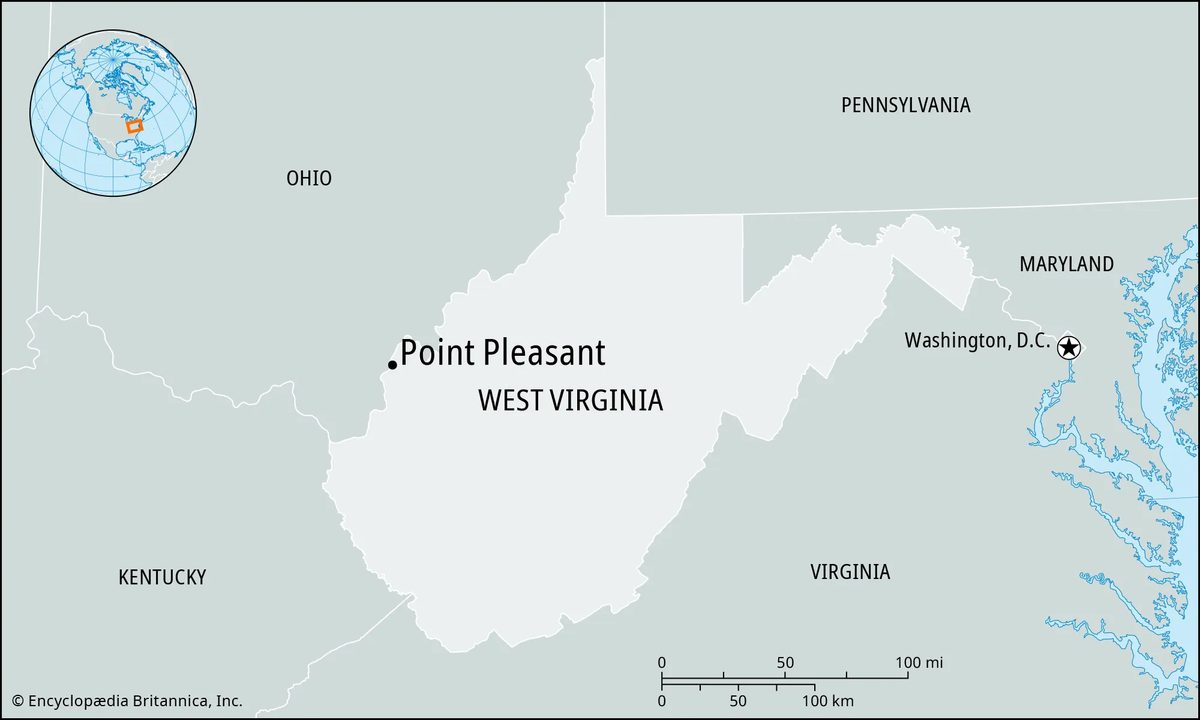
Point Pleasant sits in western West Virginia. It is the seat of Mason County. The town rests where the Kanawha River crashes into the Ohio River. That confluence is about 36 miles northeast of Huntington. This spot isn’t just a pretty view. It is the ground where the American Revolution may have actually begun.
The story starts with Fort Blair. Built in 1774, the fort gave early settlers a place to hide. By 1794, the settlement was officially chartered. But the real drama happened earlier. On October 10, 1774, the air filled with smoke. General Andrew Lewis led Virginia frontiersmen into battle. They faced a coalition of Native American forces. Shawnee, Delaware, Mingo, and Ottawa warriors fought together. They were led by Chief Cornstalk.
The result was a decisive victory for the settlers. The allied forces were pushed back. For the first time, colonists could live in this area without fear of attack. Some historians argue this clash was the true first battle of the American Revolution. The reasoning is specific. Native American tribes were allegedly incited by the British to fight. This makes the conflict a precursor to the war that followed in 1775.
The claim gained official weight in 1908. The U.S. Senate recognized Point Pleasant’s victory as the first battle. They overlooked the famous shots at Lexington, Massachusetts. It is a bold stance. One that challenges the standard history books.
Growth followed the fighting. The town developed rapidly. A shipyard opened in the 1840s. Commerce flowed down the Ohio River. Point Pleasant transformed from a frontier outpost into a bustling hub. The legacy of that 1774 battle remains visible today. It is etched into the local identity.
Why Point Pleasant Matters to Travelers
You might drive past this town without stopping. It is easy to do. But if you are planning a trip along the Ohio River, this stop is worth making. You are not just looking at old buildings. You are standing at a historical fault line.
The geography dictates the history. The mouth of the Kanawha River was a strategic point. Control of the waters meant control of the region. The battle here secured that control. It allowed expansion westward. Without that victory, the map of the United States might look different.
Visiting Point Pleasant offers a chance to see where the river bends. It is a quiet place now. The shipyards are gone. The forts have long since crumbled. But the ground remembers. The history is tangible here. You can walk where the frontiersmen marched. You can stand where Chief Cornstalk commanded his troops.
The timeline is clear. 1774. 1794. 1804. 1840s. 1908. Each date marks a step in the town’s evolution. The battle set the stage. The charter gave it legal standing. The county seat designation cemented its role. The shipyard brought wealth. The Senate recognition validated its place in history.
This is not a museum town. It is a living community. The river still flows. The ships still move. The history is woven into the fabric of daily life. If you
History carved in stone and timber
The park isn’t just green space. It’s a memorial. The centerpiece is an 85-foot granite obelisk. It rises straight up. It marks the spot where a battle once raged. You can see it from miles away.
Nearby stands the log Mansion House. It was built in 1796. It is the oldest building in the entire Kanawha River valley. Today it is restored. It serves as a small museum. You can walk through it.
The ground here holds more than just trees. It holds the dead. Chief Cornstalk is buried here. So is Ann Bailey. She was a celebrated frontierswoman. Her grave is part of the landscape now.
Industry and education meet on the river
The town has changed. It used to be about timber and trade. Now it is about manufacturing. Companies here mold thermoset compounds. They mold thermoplastic compounds too. The air smells like industry, not just river mud.
Marshall University has a presence here. A regional center sits in town. Students come for education. They stay for the history.
Why visit Point Pleasant today?
You might ask why you should go. The answer is simple. It is quiet. It is historic. The obelisk is impressive. The Mansion House feels real.
Check the hours for the museum. They vary by season. The park itself is open daily. Walk the grounds. Look at the graves. Stand under the stone monument.
The population is small. It dropped from 4,350 in 2010. It sits at 4,078 now. It feels smaller. More intimate.
You can drive in from I-64. Exit at Point Pleasant. The park is close to the river. The river flows fast here. The history moves slow.
When to go and what to pack
Spring is good. The flowers bloom near the graves. Summer is hot. The granite obelisk reflects the sun. Bring water.
Winter is cold. The stone is cold too. But it is peaceful. Fewer tourists. Just you and the wind.
Pack sturdy shoes. The paths are uneven. Some are dirt. Some are paved.
Don’t expect luxury shops. Expect history. Expect quiet.
The manufacturing plants hum in the distance. They are part of the town now. They don’t hide. They are visible.
Is it worth the drive? If you like old stories, yes. If you like open spaces, yes.
The river keeps moving. The stone stays still.