
Newcastle Upon Tyne is not just another city in northern England. It is a place where Roman history merges with modern city life. If you’re planning a trip to the UK, this is one of the North East’s most popular destinations, and for good reason. The city offers a combination of rugged natural beauty and deep historical roots. You’re not just visiting a museum. You go through layers of time.
The following guide covers the key places that define the city’s character. We skip the common tourist traps and focus on the places that really matter. These landmarks give Newcastle its heartbeat.
1. Newcastle Castle
The name says it all, but the reality is more complicated. Newcastle Castle is not a single static structure. It is a fortress that has been rebuilt, strengthened and renewed for almost a millennium. Its origins date back to Roman times, although the current stone walls date mainly from the Middle Ages.
Why is it important? Because it was the key to controlling the border between England and Scotland. This castle was a military fortress for centuries. There were sieges, fires and political unrest. Today, it sits on a hill and offers stunning views of the River Tyne.
What to expect:
– There is free access to the castle area, which is rare for this type of historical sites.
– The view from the top is probably the best in the city.
– You can see the old city walls that stretch from the castle to the river.
It’s a quick stop, maybe an hour if you’re thorough. But it sets the stage for everything else. There is no Newcastle without a castle. It’s an anchor. Start here.
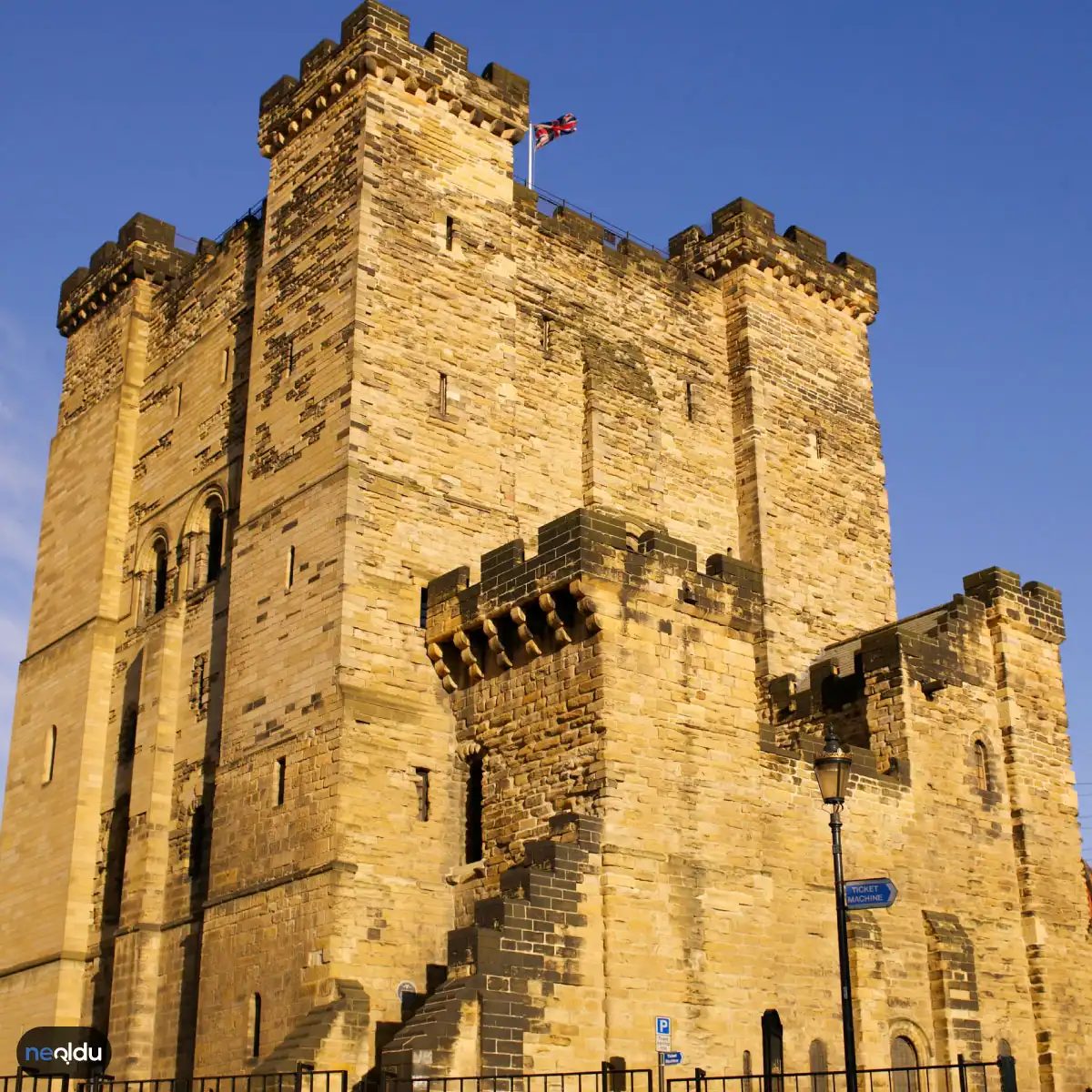
It’s hard to walk around Newcastle without seeing its namesake. The castle is not just a landmark; it’s the reason the city has the name in the first place. Built between 1172 and 1177, this medieval fortress stands proudly near the River Tyne. Its location was no accident. It was chosen for defense and took advantage of the river’s natural barriers. But the story goes deeper. The site has echoes from Roman times, making it one of the most historically significant structures in the area. Whether you’re a local or a tourist, if you miss this castle, you’re missing the core of Newcastle’s identity.
The strategic role of the castle
Why is it important? Because it was built to control movement along the Tyne. The Normans understood that control of the river meant control of the territory. Today, this defensive posture leads to high visibility. Tourists flock here not only because of the history, but also because of its sheer weight of it. You can stand where soldiers once watched for invaders from Scotland. The stone walls have absorbed centuries of conflict, from the English Civil War to the Jacobite rebellions. It is a tangible link to a time when borders were fluid and violent.
Beyond the Walls: Jesmond Dene
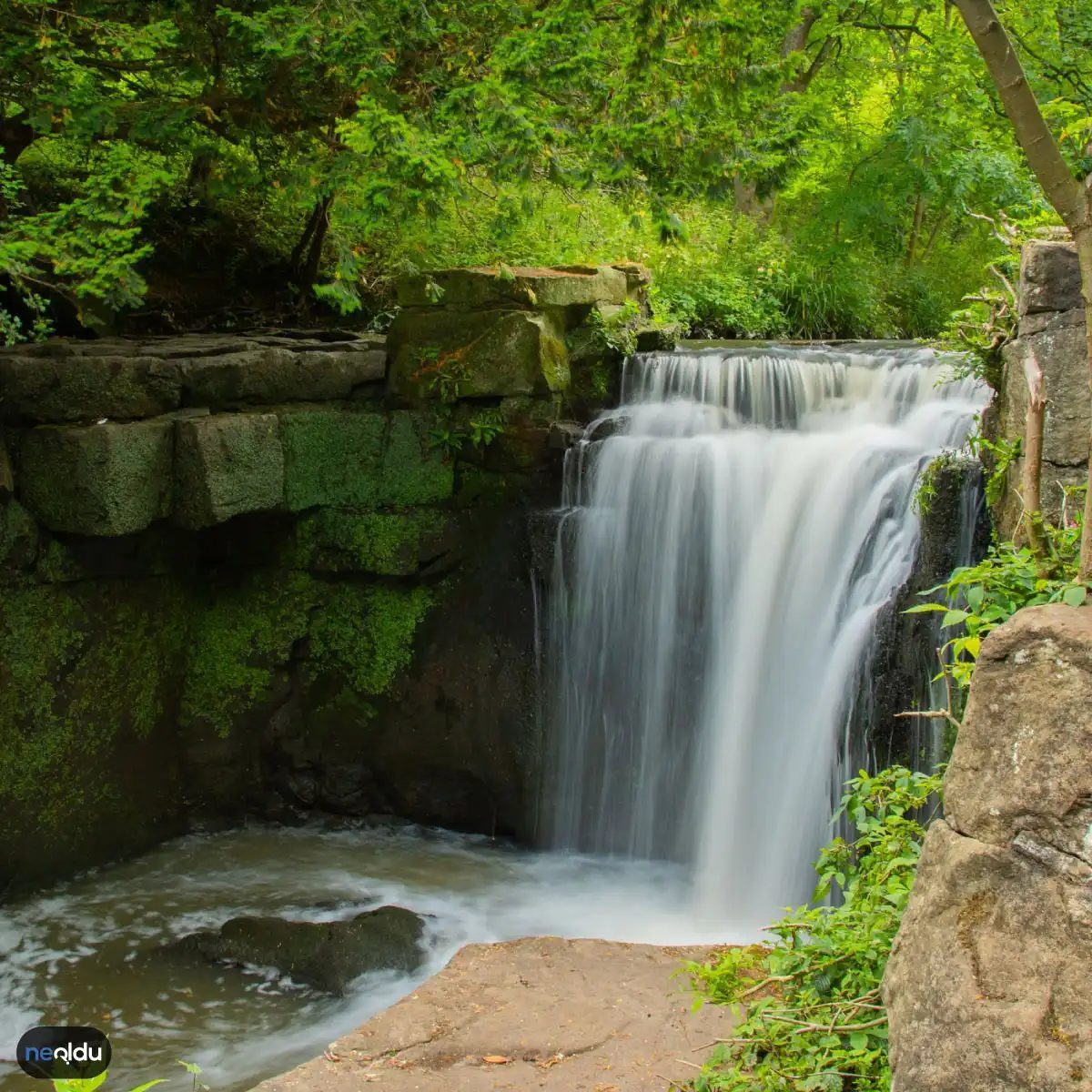
Just a short distance from the castle’s shadow lies a very different refuge: Jesmond Dene. If the castle is about power and control, Jesmond Dene is about surrender to nature. This gorge is often described as one of the most beautiful urban parks in the UK. It feels like you’ve stepped out of the city center and into the Lake District, which is ironic considering it’s right next to a major industrial hub.
Visiting Jesmond Dene
The Dene is a linear park that follows the stream downhill. The path is well maintained, but don’t expect wide-open lawns. You walk under ancient trees, cross stone bridges and pass the ruins of old mansions that once lined the gorge. The atmosphere is quiet. Even in high season, the dense vegetation dampens the noise of the city. It’s a place to breathe.
Why go?
- Scenic Contrast : The greenery provides a clear visual break to Newcastle’s industrial and Victorian architecture.
- Historical layers : Along the path you will find the remnants of 19th-century estates and old mills from the 19th century.
- Accessibility : It is an easily reachable on foot from the city center in about 20-30 minutes.
Logistics and timing
The castle is open all year round, although the opening hours vary depending on the season. Expect to spend about an hour there if you want to see the keep, the museum and the views. Jesmond Dene, on the other hand, has no official opening hours. It is open all the time, but daylight is essential for safety and appreciation. The best time to visit both is spring or early autumn. Summer brings crowds to the castle, while winter can make Dene’s paths slippery and dark.
Comparison of experiences
The castle is a curated experience. You are guided through the history with the help of plaques and exhibits that explain each phase of the structure. It is informative, structured and occasionally dry. Jesmond Dene is the opposite. It is unstructured, wild and
Discovery Museum
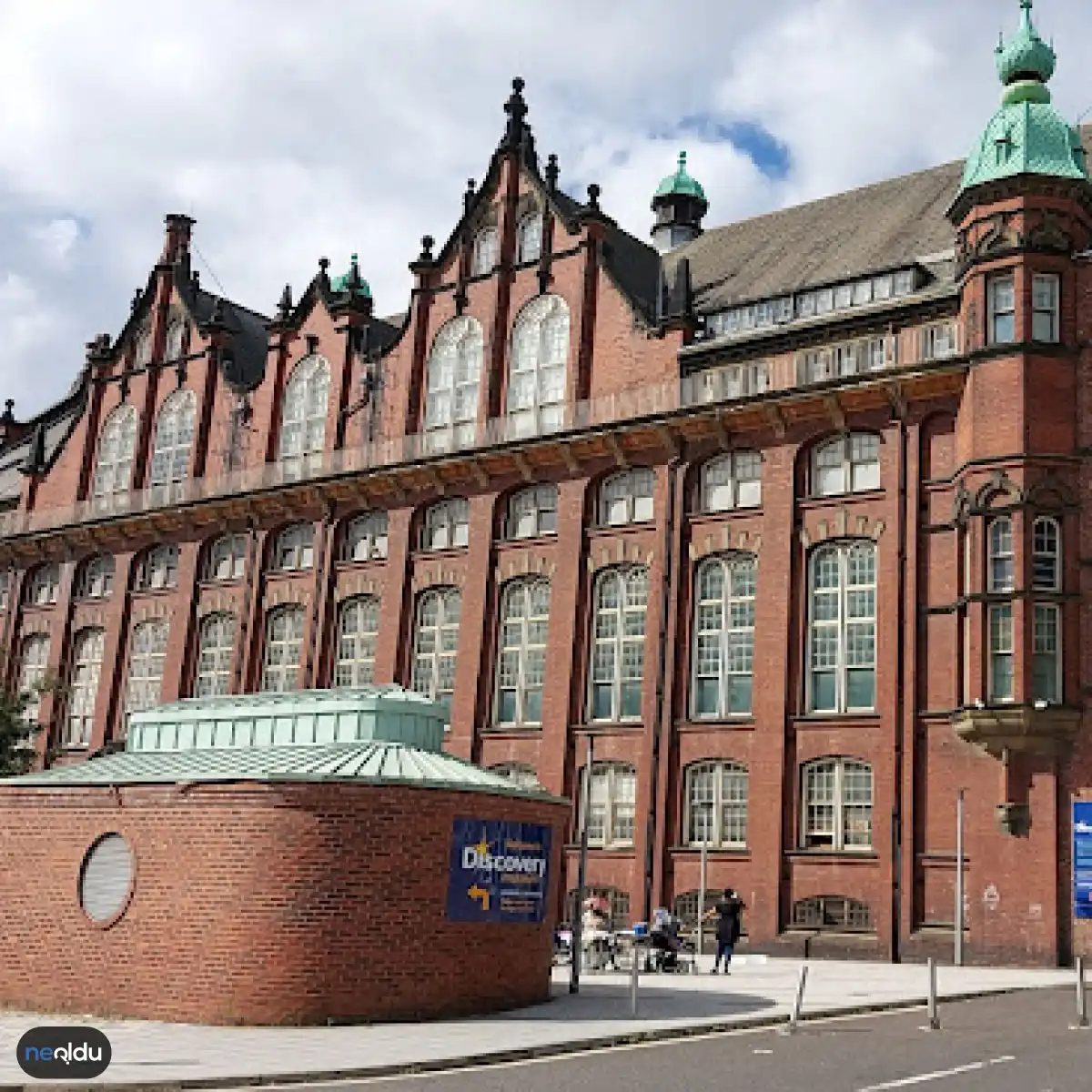
When the greenery of Jesmond Dene has worked up an appetite or you need a break from the wind across the valley, head back towards the city centre. The Discovery Museum is not your typical archive stuffed with dusty objects. It is a place that really fascinates you.
Since it is located right on the Quayside, it cannot be missed. The building itself is striking, with its striking copper roof glinting against Newcastle’s gray sky. But you’re not here for the architecture. You’re here for the hands-on chaos.
This is one of those museums that understands that people get restless. There are real exhibits you can touch. You can climb into a replica of the hull of a historic ship. You can test your strength in vintage carnival games. It’s interactive in a way that feels real, not a concession to bored kids.
The museum bridges the gap between hard science and playful curiosity, making it a distinctive destination for travelers who want more than just pictures.
The history of the region is woven into the exhibitions, with a focus on shipbuilding and local industry. Newcastle was a powerhouse of construction and engineering, and the evolution of this spirit can be seen in the tools and models on display. It’s certainly educational. But it’s also just fun.
For many travelers, this is an unexpected highlight. A quiet afternoon full of reading plaques awaits you. Instead, you spend two hours laughing with your family while trying to balance a heavy beam or navigate a virtual river. It’s a good break from being outdoors, especially when the weather changes.
Admission is free. This is important. In a city where attractions are multiplying rapidly, a quality, immersive museum that doesn’t cost a cent is a significant advantage. Depending on how deep you dive into the interactive zones, you can easily spend two to three hours here. Its central location makes it easy to fit in a day that starts with a hike in Jesmond Dene.
Combine the fresh air of the park with the intellectual and playful stimulation of the museum and you get a day that feels both restful and refreshing. It’s a rhythm that works well for most travelers. You are on the move. You learn. You breathe.
The museum closes at 5 PM. So plan accordingly. If you are staying in the area, several pubs serving good food are just a few minutes’ walk away. It’s a day when you feel like you’ve actually seen something and not just passed through.
What next? The city has more to offer, but this combination of nature and indoor discoveries sets the tone for experiencing the place. It’s practical. It’s fascinating. And it’s worth the time.
4. Victoria Tunnel Tours
Skip the traditional museum for a moment and head underground. The Victoria Tunnel offers a completely different view of Newcastle’s industrial past. This wasn’t just any old pipe; it’s a 19th-century horse-drawn railway tunnel that once transported coal from the city center down to the River Tyne. Today it is considered one of the best-preserved examples of its kind in the UK, and walking through it feels like stepping into a time capsule that smells faintly of damp earth and history.
The tour takes about two-thirds of the 1.5-mile route. You can see the original tramways, the ventilation shafts and the eerie silence that fills the space as the sounds of other visitors fade into the distance. Even in the summer it’s cool there and the walls have stories about the men who dug it by hand. Why is it important? Because it reveals the grand scale of the coal trade that built Newcastle. Without this underground passage, the city’s booming shipbuilding and engineering sector could have come to a standstill.
Guided tours are organized regularly, but they book up quickly. You need to book in advance, especially if you’re visiting during peak summer months or on weekends. The trail itself is flat and relatively easy, although the narrow passageways may feel claustrophobic to some. Keep this in mind if you don’t like tight spaces. The experience is raw, authentic and much more memorable than a display case full of objects. When you come out, you’ll feel like you’ve seen the real bones of the city, not just its polished skin.
What makes this tour so special is the narration. The guides don’t just give dates. They talk about dangers, strikes and the daily life of workers toiling in the dark. It’s a somber but fascinating look at how Newcastle got its reputation. For travelers who find traditional history lessons boring, this is the antidote. You can touch the walls they dug. You breathe the air they breathe. It’s visceral.
Don’t rush. Take your time and look at the brickwork, iron rails and small details that remind you of human effort. And remember, as soon as you step back into the sunshine near the Tyne Bridges, you’re in the middle of the city’s cultural precinct. It is only a short walk to the Baltic Centre for Contemporary Art or the Sage concert hall. But you’ll likely develop a new appreciation for the layer beneath your feet. The city feels heavier and more significant when you know what lies beneath it.
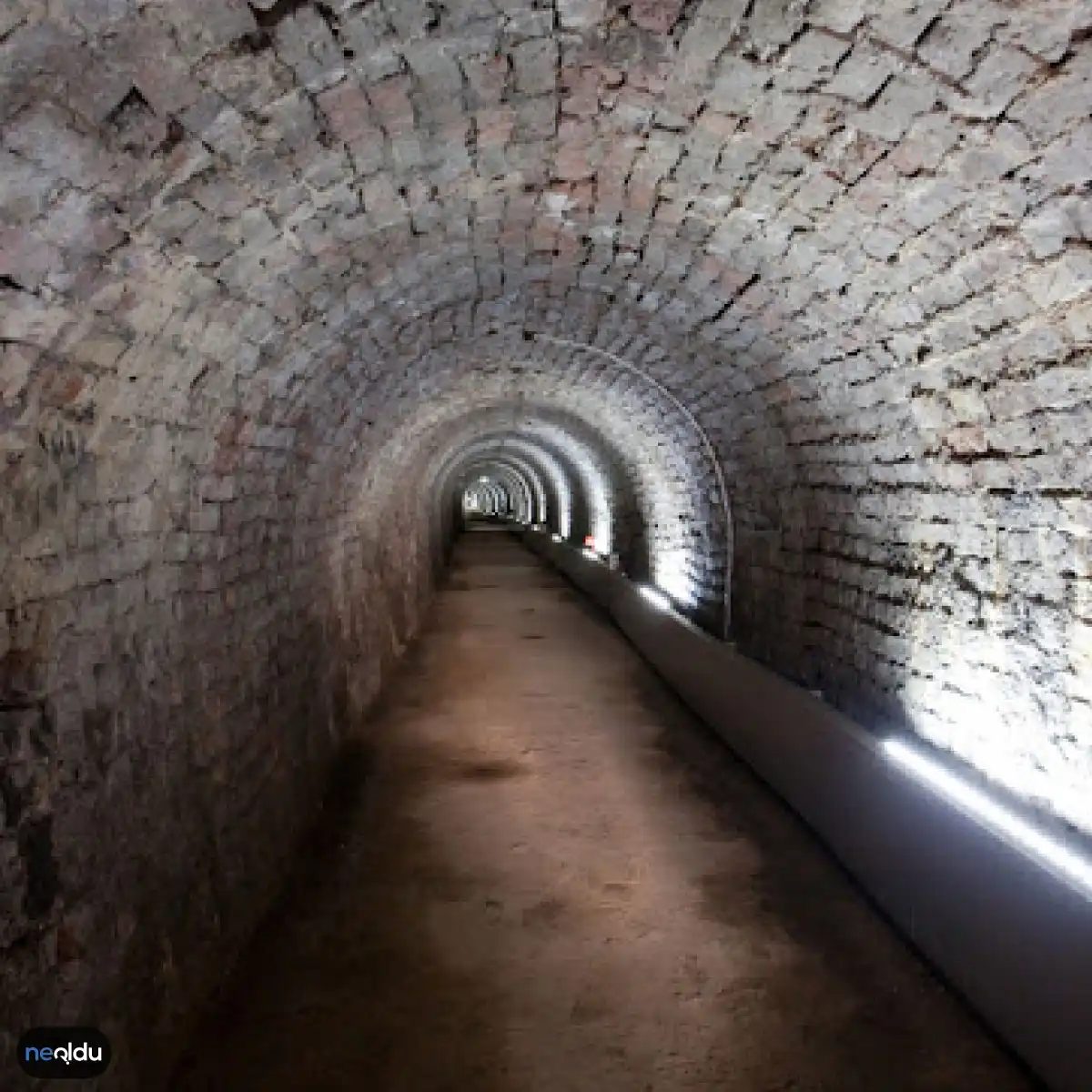
The Victoria Tunnel is not just another historical site; It is a physical timeline of the city’s work and survival. Dug out between 1839 and 1842 was originally intended to increase efficiency. Workers needed to transport coal from local mines to the docks faster. The tunnel connected the mines directly to the river, bypassing the chaotic streets above. It was a technical solution to a logistical nightmare.
Decades later, the usefulness of the tunnel changed dramatically. During World War II, the dark, cool underground corridor became a life-saving shelter. Families hid here, away from Luftwaffe bombs. Today, it is the same darkness that attracts visitors. The tunnel has been converted into a museum and offers a dark but fascinating glimpse into Newcastle’s industrial past.
For travelers planning a trip, this is a must. It tops the list of historical attractions in the city. Photographers like it too. The contrast between rough masonry and modern lighting creates atmospheric, engaging images. You can walk through the tunnel and feel the weight of history in the air. It’s quiet there. Kind of scary.
“Providing a direct link to Newcastle’s coal mining heritage and resilience in the Second World War, the Victoria Tunnel is now available as a unique underground museum.”
5. Cookie Factory
As you exit the dank underground, you enter another kind of industrial relic: The Biscuit Factory. This huge complex was once the heart of United Biscuits production. For over a century, it churned out the snacks that kept Britain alive. The size of the building is impressive. High ceilings. Visible brick. Huge machines that were preserved and not scrapped.
As often happens, The site has been repurposed for another purpose. Now there are offices, creative spaces and event venues. The architecture is reminiscent of the era of heavy industry. You can walk through the old production lines and imagine the smell of sugar and flour that once filled the air. It is a stark contrast to the coal dust of the Victoria Tunnel. One deals with energy; the other with consumption.
Visiting the Biscuit Factory is less about the tour and more about the atmosphere. The space is open, airy and full of natural light. It attracts architects and designers who study the structural integrity of old buildings. For the average tourist, it provides an insight into Newcastle’s economic development. From digging coal to baking cookies. The city’s identity is connected to both.
The area surrounding the factory is also worth exploring. Street art and modern cafes emerge from the shadows of old buildings. It’s a neighborhood in transition. Gentrification takes over and brings new life, but also changes the local character. Remember that. The Biscuit Factory is a symbol of change, not just preservation.
This is where timing matters. The site is open during business hours, but special events may cause changes to access. Check the schedule before you go. If you’re interested in industrial heritage, this place offers a tangible connection to the British economy of the 20th century. It is not as crowded as the castle or the quayside. You might have the space to yourself. This silence is precious. It makes you wonder what has been done here
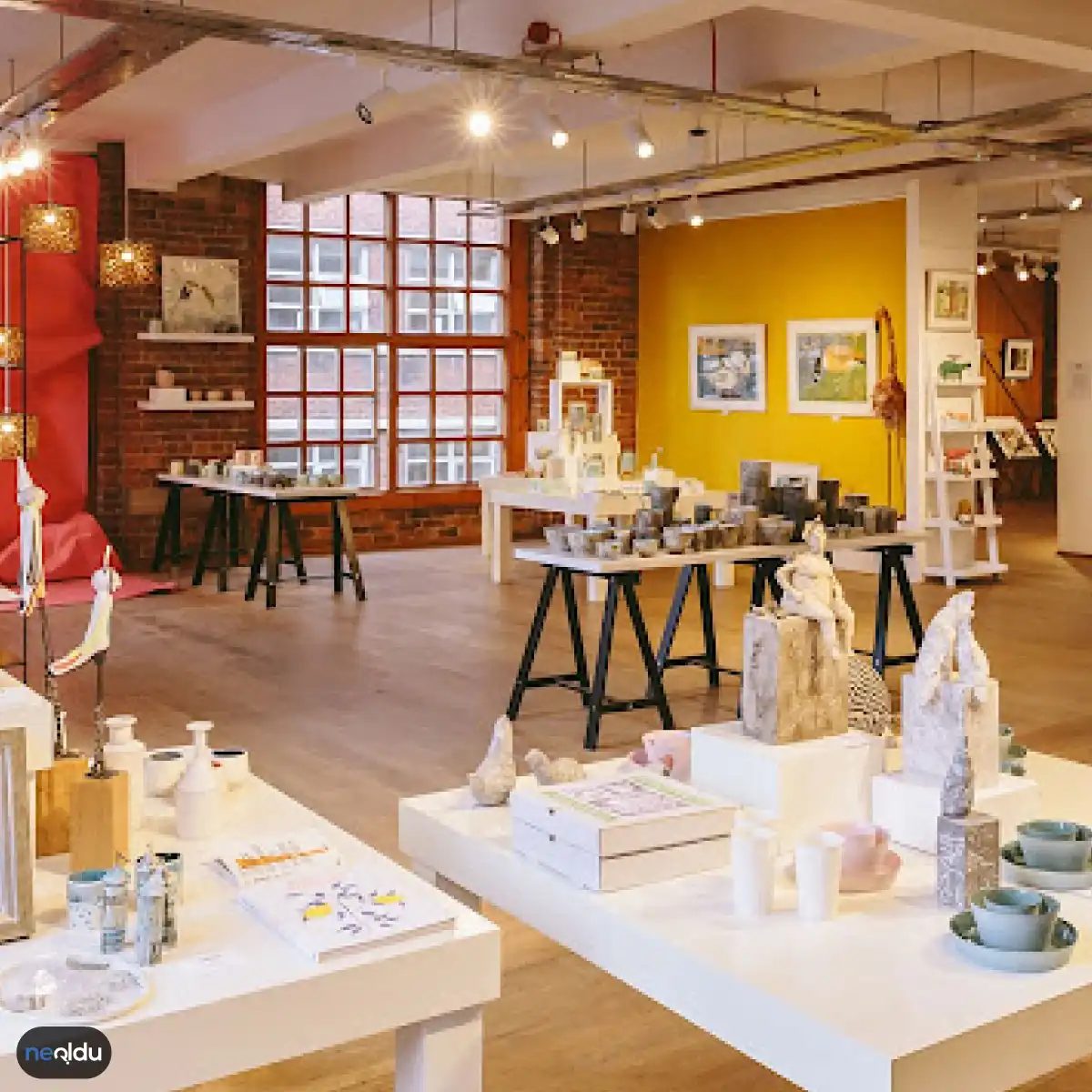
The brick walls that made cookies between 1872 and 2001 now echo with the quiet hum of contemporary art. This building, currently home to The Biscuit Factory, is considered the UK’s largest commercial art, craft and design gallery. It’s a must stop for anyone exploring things to do in Newcastle. The contrast between the industrial past and the creative present is stark. You enter through massive doors into a room that looks both historic and hyper-modern. The galleries are filled with everything from textiles to sculptures. It’s not just a museum. It is the center.
Why St. Nicholas Cathedral is Non-Negotiable
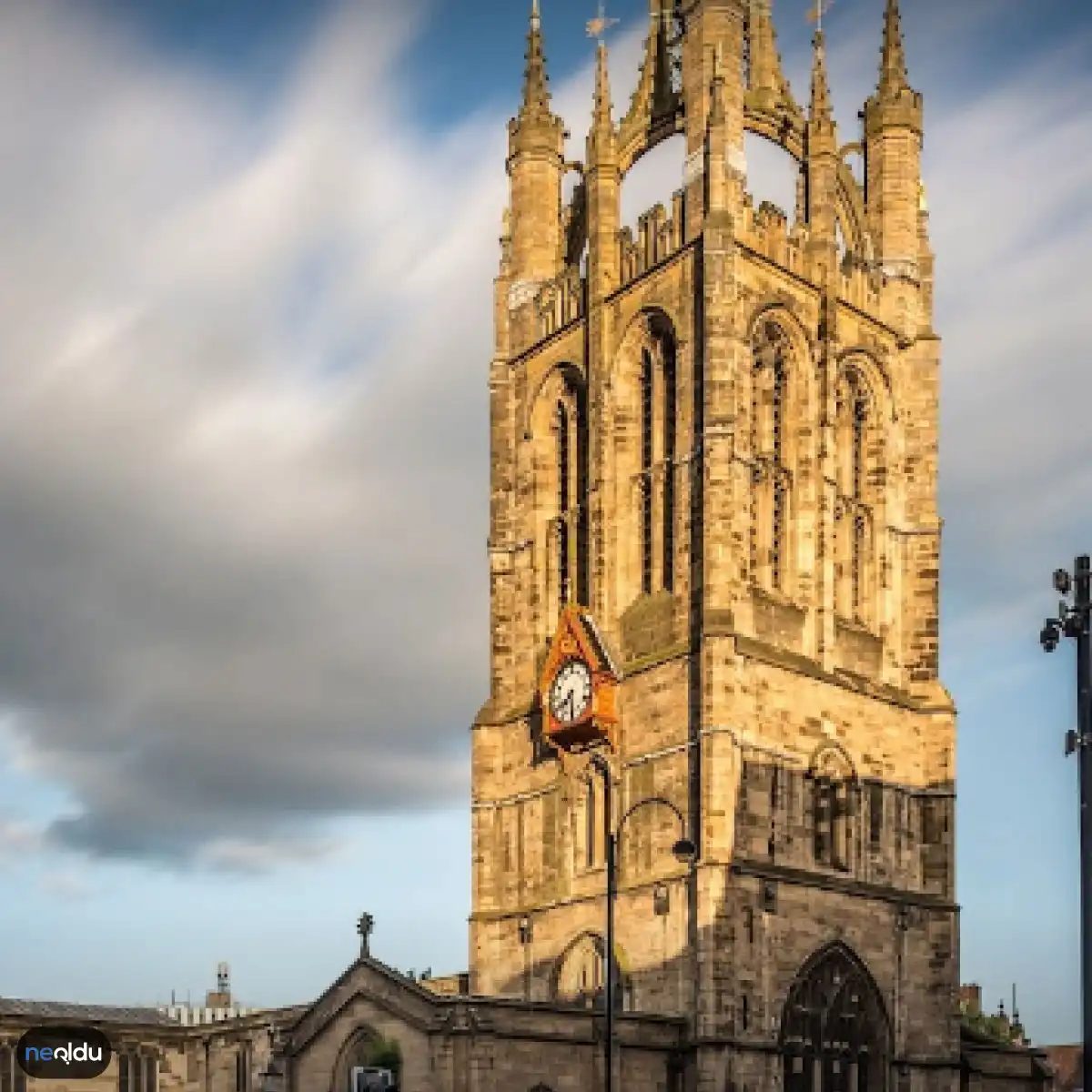
You can’t visit Newcastle without visiting St. Nicholas Cathedral. Locals call it “the castle on the hill”, although it’s technically a cathedral. The name has its roots in the dedication to St. Nicholas, the patron saint of merchants. It is located at the highest point in the city center. This is no accident. The location was chosen for its visibility and dominance. The cathedral has watched over the Tyne for almost a thousand years.
Architecture tells a story of survival. It was built in the 12th century. It survived the English Civil War. It survived the plague. It even survived the fire of 1882, but not without scars. The current structure you see is largely Victorian and was renovated after the fire. Mixing styles can be confusing. Next to the Gothic windows are Norman arches. But the confusion is part of the charm. It feels lived in. Real.
“The cathedral is not just a relic. It is the heart of the city’s spiritual history.”
It takes effort to get there. You have to climb. The approach is steep. The street winds from the pier past the bustling bars of the Quayside district. The climb is so steep that you have to stop. But the view changes when you climb. The modern Gateshead skyline and Tyne Bridge fade into the background. The cathedral emerges. Gray rock against a gray sky. Or blue if you’re lucky.
Inside, the atmosphere changes. The noise of the city disappears. The air is cooler. The light is dim and filtered through centuries-old stained glass. The nave is wide. High. The ceiling rises above you. You feel small. That’s the point. The scale is intentional. It is designed to draw the eye upwards. Literally.
The tomb of St. Robert of Knaresborough is a special attraction. He was a hermit who lived in the area centuries ago. His grave is simple. Modest. Nevertheless, it attracts pilgrims and history buffs. The remains are kept in an ancient-looking shrine. The wood is dark. The metal is tarnished. It smells like old stone and wax.
Don’t miss the bell tower. It is one of the oldest in England. The dial is simple. The mechanism is still original. If you can time your visit right, you might hear the bells. They are deep. Resonant. They vibrate in your chest. The sound carries through the whole city. It’s a reminder that time moves differently here. More slowly.
The gardens surrounding the cathedral are often overlooked. They are calm. Green. A refuge from urban sprawl. Benches have been erected
7. Great North Museum
When you’re done admiring the soaring Gothic spires of Newcastle Cathedral, take a short stroll to the cultural heavyweight of the city center: the Great North Museum. It’s not just another museum; It is a vast collection of human curiosities spanning continents and millennia. Located right next to the Newcastle City Gallery, this venue anchors the Cultural Quarter and is a seamless next stop on your itinerary.
The museum’s architecture is a Victorian delight in itself, with its stunning facade hinting at the eclectic collection within. You see a space that balances hard science with soft history, which can be jarring in the best possible way. One moment you’re staring at a model of a dinosaur skeleton, and the next you’re standing right in front of artifacts from ancient Egypt.
The Egyptian gallery is the crown jewel here. It contains one of the largest collections of Egyptian antiquities outside of London, including mummies, sarcophagi and everyday objects that give you an insight into everyday life on the Nile thousands of years ago. The details of the hieroglyphs are striking. Here you can easily spend an hour reading the plaques and trying to decipher the stories carved into the stone.
But it’s not all ancient dust. The natural history section is surprisingly extensive. You’ll find local wildlife exhibits showcasing the flora and fauna of North East England and anchoring world history in your immediate surroundings. There’s also a strong focus on industrial heritage, which makes sense in a city based on coal and shipbuilding. You can see the transition from a harsh industrial past to a modern cultural center in the exhibitions themselves.
Entry is free, which is a huge relief for budget-conscious travelers. You can stay as long as you like, moving from the Roman artefacts of the nearby Hadrian’s Wall to the contemporary art exhibitions upstairs. The building itself is a landmark. Even if you’re just passing through, it’s worth entering the atrium for the light and space.
It is a place that challenges you to connect the dots between the ancient and modern worlds. How did we get here? Artifacts provide clues. You’ll walk away with a sense of grandeur – not just in terms of the size of dinosaur bones, but also in terms of human endurance and creativity.
The museum closes at 17:00. So plan your visit earlier in the day. If you come there from the cathedral, it’s less than a ten minute walk. You walk through the heart of the city and see the combination of old stone and new glass that defines Newcastle upon Tyne. It’s a city that respects its roots, but doesn’t get trapped by them.
Great North Museum does not shout for attention. It’s just waiting for you to take a closer look. And when you do, the layers of history begin to peel away. Perhaps you stand in front of a simple clay pot and wonder who held it, where it was made, and how it survived in a climate-controlled display case today. That’s the hook. And once you get caught, it’s hard to leave.
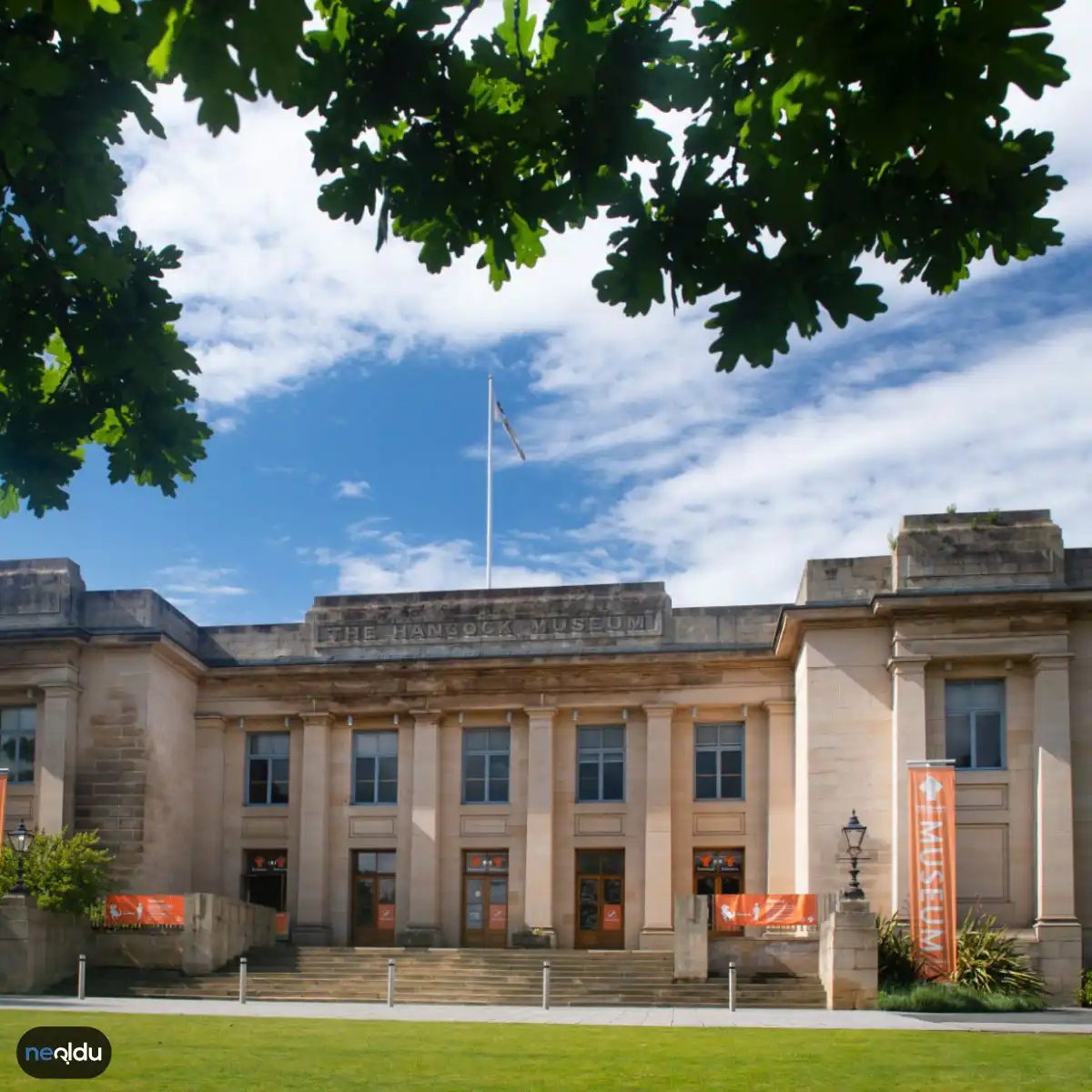
If you’re looking for somewhere to cool off on a rainy Newcastle afternoon while keeping your kids entertained, the Great North Museum is the place for you. It’s not just a dusty archive; It’s a sprawling institution that really knows how to engage younger minds.
You’ll find everything from giant dinosaur skeletons to artifacts from the sands of Egypt and the ruins of ancient Greece. The collection is extensive, diverse and undeniably fascinating. For anyone planning an itinerary, this museum is a must-stop if you want to understand the city’s complex history.
8. Tyne Bridge
Speaking of iconic buildings, you can’t talk about Newcastle without pointing to the river. The Tyne Bridge is the city’s most recognizable silhouette. Built in 1928, the building is heavily inspired by New York’s Brooklyn Bridge, but has a distinctly British steel structure.
Standing on the banks and looking up at the red steel arches gives you an idea of why this structure is so central to the local identity. It connects the city center to Gateshead on the south bank. A walk across it offers one of the best accessible views in the area. You can see the meandering river below, the nearby modern building of Sage Gateshead curving like a glass shell and the historic quayside stretching into the distance.
Is it just a bridge? Technically speaking, yes. But visually? It is the heart of the skyline.
The best time to visit is in the late afternoon. The light hits the steel just before sunset, turning the structure into a glowing orange beacon in the twilight. If you go at night, the lighting changes the whole atmosphere. The bridge lights up and reflects in the dark water, creating a scene that fascinates photographers and casual walkers alike.
Logistically, it is right in the center. You can walk there from Grey’s monument in about ten minutes. No tickets. No reservations. Just show up and look up.
Tyne Bridge is more than a crossing; It is the visual anchor of Newcastle upon Tyne.
Many travelers mistake it for being purely functional. They skip it and rush to the next attraction. This is a mistake. Take ten minutes. Stand on the walkway. Look at the rivets. Look at the scale. It was a massive feat of engineering at the time, designed to handle the heavy industrial traffic of the time. Today it carries cars, buses, cyclists and pedestrians.
If you want to get closer, take the ferry from Quayside to Gateshead. A boat trip is cheap – usually under £5 return – and gives you a view of the water surface that you simply can’t get from a bridge deck. You pass right under the arches. The rushing of the water, the creak of the ferry, the view of the steel looming above. It’s a completely different experience.
The area around the bridge was regenerated heavily. The Quayside is full of restaurants, bars and cultural attractions. Sage Gateshead, home of the North East Sinfonia Orchestra, is a striking modern contrast to the bridge’s industrial heritage. The BALTIC Center for Contemporary Art is also nearby, housed in a former flour mill. This creates a cultural corridor that is easy to navigate on foot.
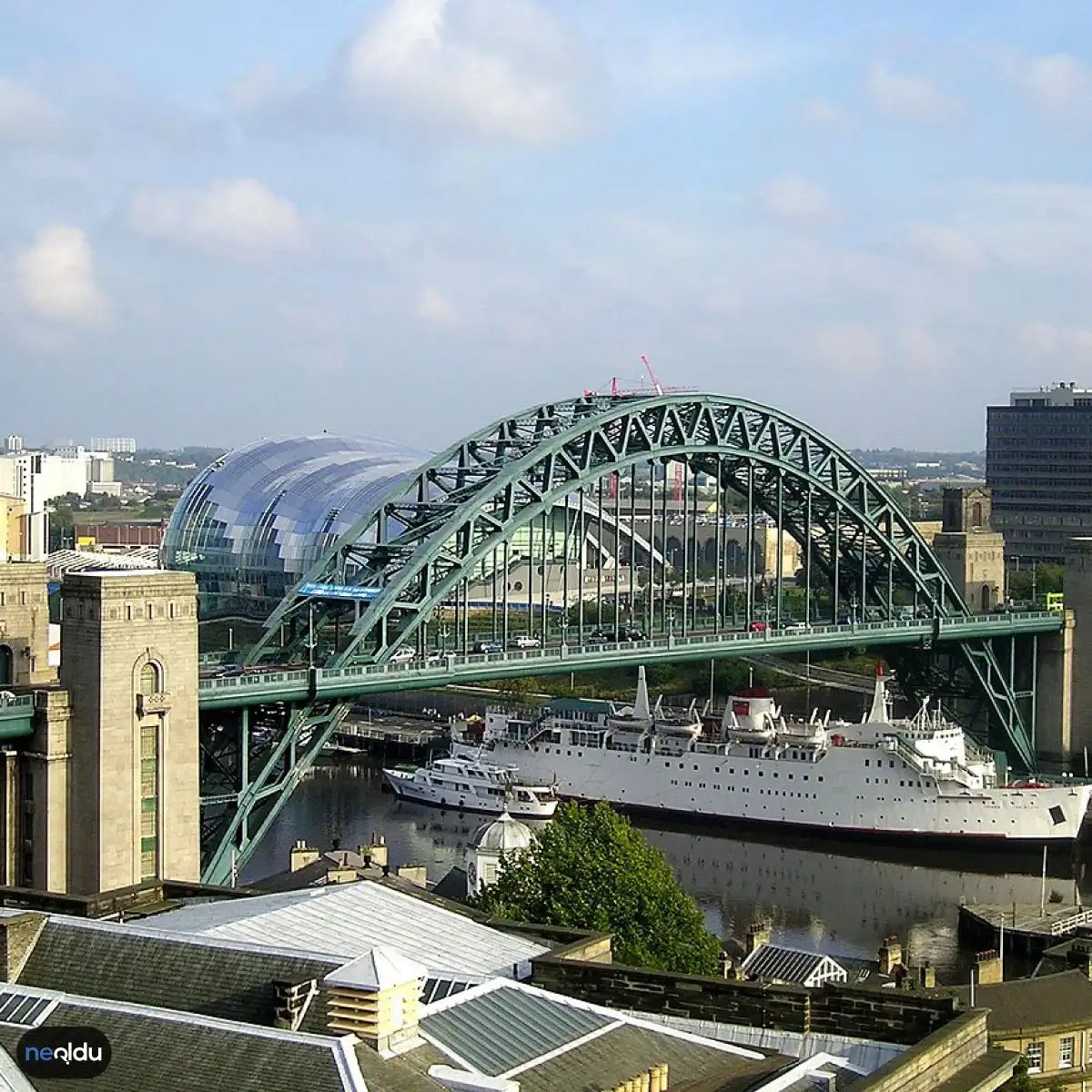
The Tyne Bridge is not just a crossing; It is the steel backbone of the city. Opened by King George V in 1928, the structure held the title of the world’s largest arch bridge for a considerable distance. Today it remains one of the ten tallest buildings in Newcastle and dominates the skyline with its industrial grace. You can’t miss it. It’s the first thing tourists see and the backdrop for half of the city’s postcards.
But going under tells a different story than looking up. Here, between the river and the stone pillars, the air gets colder. The locals just don’t get over it; they flock to it. The walking paths are narrow but safe and offer a direct connection from the historic pier to the university district.
Crossing the Tyne: Practical tips for visitors
If you’re going to walk across the Tyne Bridge, timing is everything. At night the bridge is well lit, but during the day the view from the pier is sharper. The granite columns were covered with stone from the northeast coast, which captures the morning light differently than steel.
- Access: Both sides have their own pedestrian routes. Cars are not allowed on the sidewalks.
- Cost: Crossing is free. Always.
- Best time: Early morning for empty pictures. An evening for the lights reflecting off the water.
- Height: The arch rises 165 feet above the river. Up close, it’s impressive.
The bridge connects the Old Town to the West End. On the other side are the Roman walls and the castle. On the other side, modern glass towers and the university. It is a literal gap between history and the future, connected by a single span of steel.
Why the Tyne Bridge is important
It’s easy to overlook the Tyne Bridge as just one landmark. But it represents a particular era of engineering pride. When it was opened, it was a statement. A statement that Newcastle was still a major player in the industrial world even as ships moved on. Arches are not just decorative; These are structural requirements that allow the heavy river traffic to pass underneath.
The bridge also serves as a meeting place. People are waiting for friends here. Where couples take photos. Where commuters rush across in the rain. It’s lived in. You will see locals sitting on benches and watching the ferries pass by. The Tyne is not a quiet river. It’s busy with cargo ships and tour boats. The bridge handles the tension between the two.
Near the bridge: What else to see
You don’t walk across the Tyne Bridge and stop there. The surrounding area is full of attractions.
- The Quayside: A little south of the bridge. Full of bars, restaurants and galleries. The Tate Modern Northern branch is nearby, housed in a converted power station.
- Newcastle Castle: The old fortress is located directly on the river bank. The walls still stand and guard the crossing.
- Eldon Square: A short walk inland. Modern shopping, but the architecture mixes with older buildings.
- Ouseburn Valley: Head east from the bridge. An artsy neighborhood with breweries and street art.
The bridge is

You’ve likely seen it on postcards, logos, and social media feeds: that massive, brooding figure with arms outstretched against the grey northern sky. The Angel of the North isn’t just a sculpture; it’s a geographical anchor for the North East of England. But understanding why it stands where it does, and what it actually costs to visit, changes the experience from a quick photo op to a genuine travel stop.
Located on High Benwell Hill in Gateshead, directly overlooking the A1 road and railway lines, the structure dominates the horizon. It’s not a subtle presence. It’s a statement.
Why the Location Matters
The Angel isn’t tucked away in a quiet gallery. It’s positioned on a former colliery site, a deliberate choice that ties the artwork to the region’s industrial heritage. The ground is unstable, which is part of the story. The sculpture was built on a massive concrete foundation 10 meters deep, anchored into solid rock to withstand the fierce winds that sweep across the North East.
This isn’t just art for art’s sake. It’s a marker of transition. For centuries, this area was defined by coal mining. When the industry collapsed, the region needed something to stand in for the pitheads and headstocks that once punctuated the skyline. The Angel fills that void. It’s contemporary, yes, but it feels old, like a relic from a future that never quite arrived.
The Anatomy of a Modern Icon
Created by Antony Gormley, the Angel was commissioned in 1994 and unveiled in 1998. The construction process itself was a logistical feat. The steel arms were welded in sections, then lifted into place by cranes. The surface is covered in Cor-Ten steel, a type of weathering steel that rusts on the surface but doesn’t corrode structurally. Over time, the rust layer stabilizes, creating that distinctive reddish-brown patina. It’s supposed to age with the landscape, not fight against it.
The dimensions are hard to grasp until you’re standing at the base. The figure stands 20 meters tall. But it’s the wingspan that gets you. The distance between the tips of the wings is 54 meters (often cited as 50 meters in older guides, but the actual span is wider). That’s longer than a basketball court. When you look up, the scale is disorienting. You feel small. It’s intentional.
Visiting the Angel: Practical Details
So, how do you actually see it? It’s free. There is no entry fee to walk around the perimeter. You can pull off the A1 or take the bus to the Gateshead end of the Tyne Bridge, then walk across or drive up the hill.
Parking is the main logistical hurdle. There’s a designated car park on the hill, but it fills up quickly on weekends and in summer. If you arrive after 10 AM on a Saturday, you might be circling for 15 minutes. The solution? Use the public transport links. Tyne and Wear Metro stations in Gateshead and Newcastle are well-connected, and from there, it’s a short bus ride or a steep but manageable walk up the hill.
What
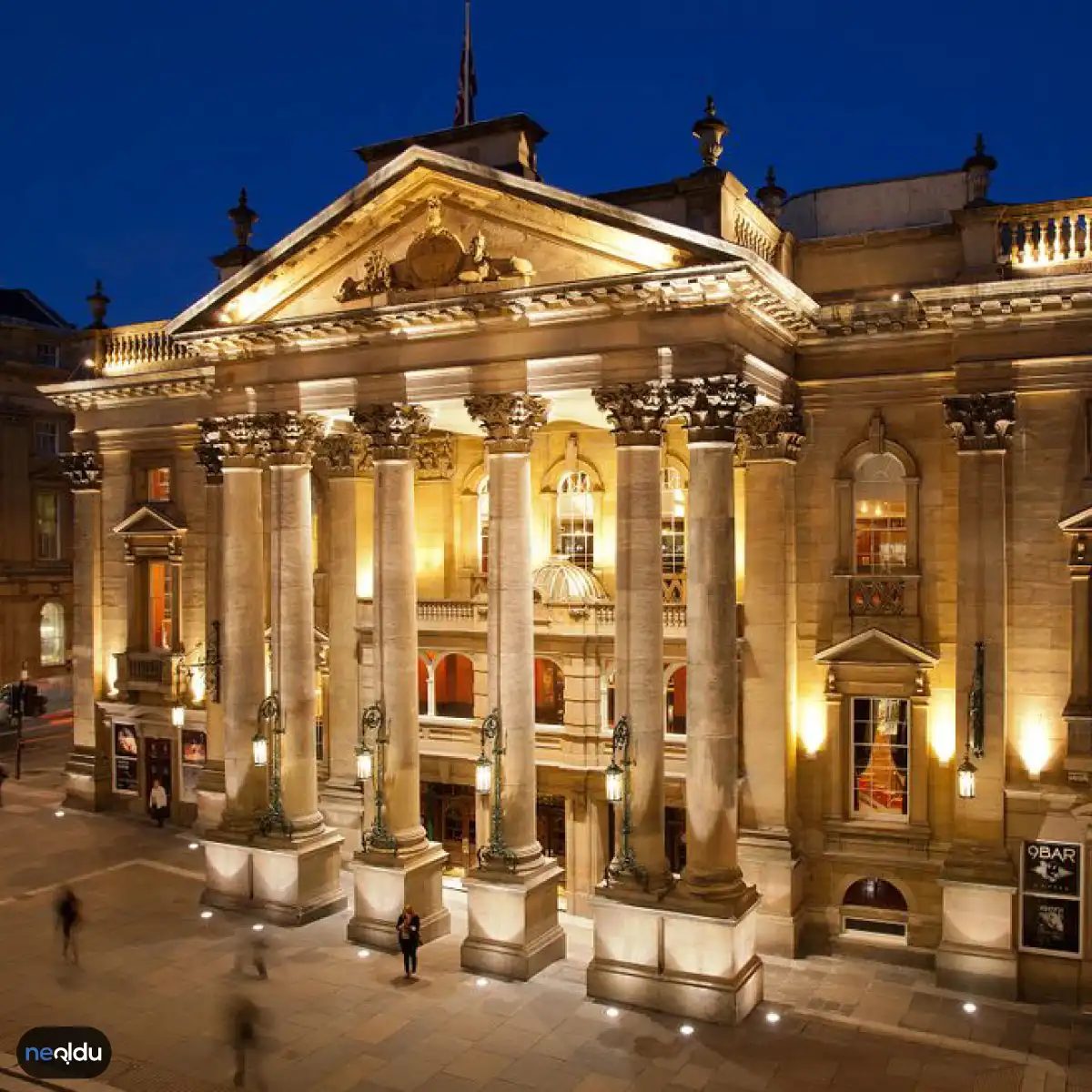
The Theater Royal’s enduring stage
Theatre Royal, built in 1837, was once considered the most important theater venue in England. It wasn’t just a building; It was the cultural heartbeat of the city, attracting audiences eager to see the best the stage had to offer. This reign came to an abrupt end in 1899 when a disastrous fire destroyed the building. The damage was serious. The original wood and plaster turned to ash. But the story didn’t end there. The building has been rebuilt, redesigned, and restored. Today, it is considered one of the oldest historic buildings in England, and forms a bridge between its Victorian past and the present.
For travelers looking for more than just their tourist trap, this place offers a real connection to the theater’s history. It’s not just about the architecture anymore, although the renovated facade is impressive. It tells about the experience of sitting in a space that has hosted Actors and audiences for almost two centuries. The building has been meticulously maintained to preserve its historical integrity, while the facilities have been modernized to meet modern safety and comfort standards. This balance keeps it relevant to both local customers and international visitors.
The charm lies in its longevity. You’re not just watching a play; you are occupying a space that has survived a fire, renovation and changing tastes. Although the interior has been renovated, it has retained the splendor that made it famous in the 19th century. Chandeliers, balconies and decorative details reflect a time when theater was the primary form of entertainment for all classes. For history buffs and theater lovers, a visit here offers a tangible connection to this period.
When planning your trip, remember that this is an active performance venue. You can’t just walk in and tour the rooms at will. The best way to experience Theatre Royal is to buy a ticket for a show. This approach guarantees you a seat and helps preserve the historic site. The repertoire varies and varies from classical to contemporary works, so there is something for every taste. It is important to check the schedule in advance, especially if you visiting during peak tourist seasons.
The location is also key. As it is located in the heart of the city, it is easy to get to and is often surrounded by other cultural attractions. You can spend the afternoon exploring the nearby historic district and return for a performance in the evening. This combination of activities allows for a full day of cultural immersion. cost of tickets vary by show and seating, but are generally considered an affordable way to experience high-quality art in a historic setting.
Why is this building still important? Because it represents resilience. A fire in 1899 could have spelled the end of the institution. Instead, a renovation spurred a modernize the space without erasing its identity. This lesson of adaptation can be seen in every part of the building today. It serves as a reminder that history is not static; it is rebuilt and reinterpreted for new generations.
For those interested in historic theaters in England, this venue is a top contender. It offers a level of authenticity that newer constructions cannot match. The acoustics, sightlines and atmosphere have been shaped by almost 200 years of use. Even if you’re not a die-hard theater fan, this is your chance to step inside such an important piece of architectural heritage