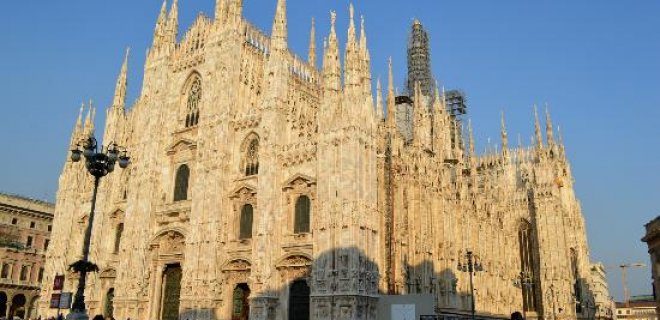
You can’t stand in Milan without looking up. The sky is dominated by the cathedral, a white marble giant that defines the city’s skyline. This is not just a church; It is proof of stubbornness. Construction began at the end of the 14th century. It took nearly five centuries to complete.
The 107-meter-high structure is a mixture of Gothic sharpness and neoclassical balance. It is the undisputed symbol of Milan. If you are planning a trip, it would be a mistake to miss this. The size alone requires a visit, but how you experience it is important. Arrive early. It was very busy around noon.
Make the most of your visit to Milan Cathedral
Why is this cathedral taking so long to describe? Because it is a labyrinth of details. The facade is filled with hundreds of statues. Each of them tells a story or depicts a saint. The interior is equally stunning. Marble columns rise up and meet a ceiling that looks closer than it is.
But the real prize is often overlooked. You can climb onto the terraces. The view of the Alps on a clear day is surreal. It stands in stark contrast to the urban sprawl below. Ticket prices vary depending on whether you want to climb. Book online to skip the queues. During the high season, the queue for the elevator can be an hour long.
Poldi Pezzoli Museum: Time capsule
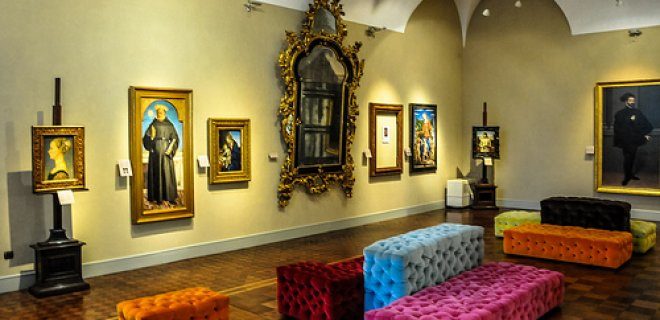
The Poldi-Pezzoli Museum, hidden in a noble palace, offers a different kind of wealth. This is not a huge government collection. It is an intimate home museum. It has been open to the public since 1879.
The collection reflects the taste of its original owner, Giovanni Poldi Pezzoli. It is eclectic. You’ll see weapons from the 14th century alongside Renaissance tapestries. The armor is polished to a mirror shine. It looks ready for battle, not a history lesson. The tapestries tell stories in wool and silk. They are fragile but alive.
Why visit? Because most museums feel sterile. This feels alive. It gives you a glimpse into the private life of an Italian aristocrat. The mix of art, furniture and weapons creates a story rarely found elsewhere. Since it is a small museum, you can visit it in an hour. Don’t rush.
Navigli: the pulse of Milan
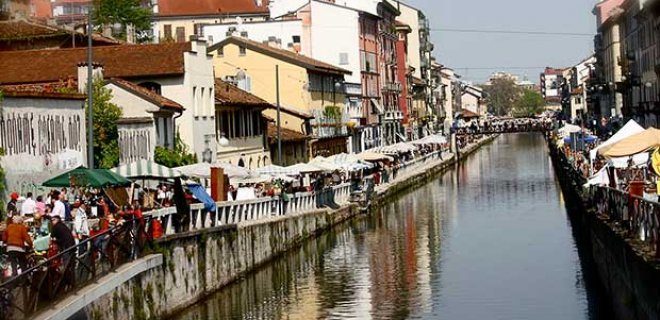
If the Duomo is the head of Milan, the Navigli is the fastest beating heart. This area is defined by its canals. They were once the lifeblood of the city’s trade. Today, they are the lifeblood of nightlife.
Thousands of people walk these streets every day. The area is full of bars, restaurants and cafes. They spill onto the sidewalks. The noise is constant. Energy is contagious.
The best time to be here is in the late afternoon. When the sun goes down, the light hits the water. The crowd swells. Everyone seems to gather in the same place and watch the boats float by. It’s chaotic. It’s perfect. You can sit for hours and watch the city’s atmosphere change from business to leisure-oriented. The prices here are higher than on the side streets, but the atmosphere justifies the price.
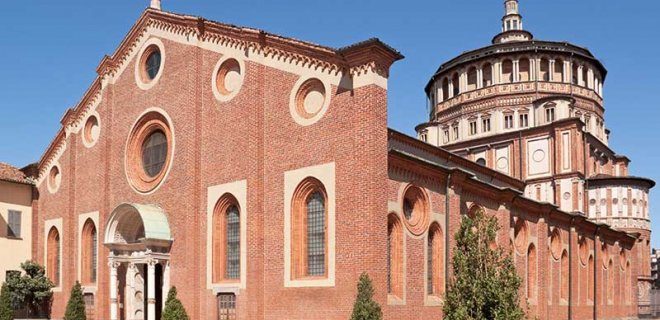
Weight of the Last Supper
The church’s roots go back to 1490. It began as a functioning monastery complex. Over the centuries, it has become a spiritual anchor for millions of visitors. Inside, the art is dense. The architecture is steeped in history. But you don’t come here for the side attractions.
You come for Leonardo da Vinci’s The Last Supper.
It’s not just a painting. It’s an attraction. Every travel guide has it on the cover. Every TV documentary cuts to it. You’ve seen it in high definition, black and white, on a postcard. Seeing it in person changes the air in the room. The fresco is locked behind glass. The lighting is dimmed to protect sensitive pigments. You get a short window to look. Just enough time to stare at the faces. To wonder how Leonardo captured this moment of shock and betrayal without using a word.
It is more valuable than money. It is worth the planning.
Green lungs nearby
Sempione Park
The city breathes right outside the church gates. Parco Sempione opens up like a green lung. It connects the Brera area with the Sforzesco Castle. You can walk from the solemn silence of the church directly into the variegated shade of centuries-old trees.
The park is not just a meadow. It’s a monument. At the other end is the Arco della Pace. This neoclassical arch mirrors the Arc de Triomphe in Paris. It feels grand. It feels final. You walk toward it and the noise of Milan fades away with a rustle of leaves.
- Best time to visit: Late afternoon. The light hits the arch just right.
- Logistics: It’s a free zone. No tickets are required for the park itself.
- Vibe: Locals walk dogs. Couples share ice cream. Students sprawl on the grass.
The contrast is sharp. You’re holding your breath in front of Leonardo’s masterpiece. The next moment you’re breathing in pine and dust. It’s the rhythm of the city.
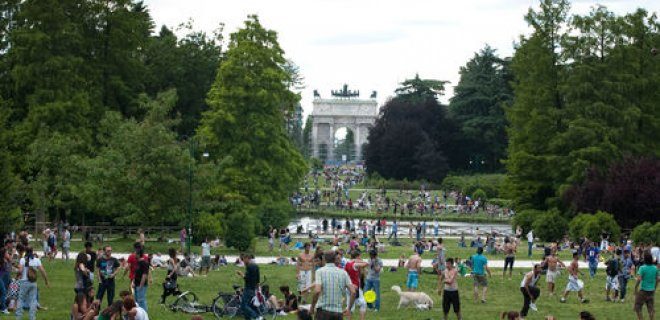
Sempione Park is one of Milan’s most reliable escape valves for a city that rarely stands still. The green area is more than 40,000 square meters in size and is characterized by a lush canopy and canals running through it. It’s not just a piece of grass; It’s a structured oasis with water features, wide sidewalks, and dedicated bike lanes that make it easy to get around without getting lost in the crowds.
Weekends are different. The park is filling up. Locals claim the benches. Families spread blankets on the lawn. It’s loud, lively and undeniably Milanese.
The area is surprisingly exciting for children. Colorful sculptures and funny animal figures can be found everywhere. They are not just decorations; They are checkpoints for curious eyes. The paths are safe for both strollers and bicycles.
The gold standard for luxury shopping
Once you’ve lost the calories in the green spaces, it’s time to address the elephant in the room, or rather the facades of Via Montenapoleone. This is not just a road; It is a worldwide symbol of high fashion.
Located in the heart of the Quadrilatero della Moda (Fashion Quadrilateral), this block is where the most expensive real estate in the world meets the most famous brands. You won’t find bargains here. You won’t find casual browsing. You can find Gucci, Prada, Armani, Louis Vuitton. The purpose of windows is to stop traffic. Literally.
Architecture is as important as merchandise. The buildings are historical palaces that have been preserved with a precision matches the stitching of the handbags inside. Walking down this street feels less like a shopping trip and more like a tour of a living luxury museum. Even if you don’t buy, the spectacle is free.
Navigating the Fashion District
Getting there is easy. The metro system takes you directly to Montenapoleone station. From there, you enter a world where different rules apply than elsewhere in the city.
The mood changes. The hectic pace of the commuter turns into a slower, more deliberate walk. People dress up just to walk down this block. It is performative in the best sense. You are surrounded by the visual language of wealth: golden handles, marble floors, guards at attention.
For the traveler, the value proposition is tricky. You can window shop for hours without spending a cent. The architecture, the people-watching, the sheer audacity of the displays—it’s a performance. However, if you are going to buy, expect to pay a premium. We’re talking about prices that rival those of Monaco or New York’s Fifth Avenue.
Practical tips for fashion conscious people
- Timing matters. Go early in the morning or late at night to avoid the peak tourist crush. The light is better for photos and the atmosphere is a bit more relaxed.
- Dress appropriately. You don’t need a tuxedo, but performanceing up in flip-flops might attract a look. The Milanese style is understated but polished. Respect the dress code, even if it’s unwritten.
- Explore the side streets. Although Via Montenapoleone is the main event, the neighboring Via della Spiga and Via Sant’Andrea offer a similar atmosphere with slightly fewer crowds. It’s worth getting lost in
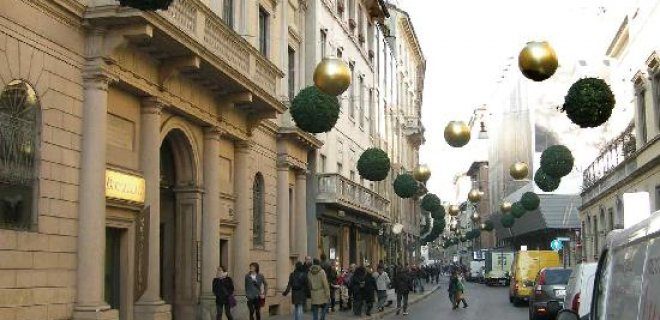
If you are looking for the epicenter of Italian luxury fashion, there is only one place to start. We are talking about the famous Via Montenapoleone. This isn’t just a street; it is a mile-long corridor of high-end boutiques, historic cafes, and restaurants that define the Milanese elite.
Why Via Montenapoleone is Non-Negotiable
You might wonder which district in Milan offers the best mix of shopping and dining. The answer is the Quadrilatero della Moda, or the Fashion Quadrilateral. Within this area, Via Montenapoleone stands out as the crown jewel.
“If you want to shop and sit in luxury venues, you must visit Via Montenapoleone.”
The street is lined with the biggest names in designer clothing. Gucci, Prada, Armani, Versace—they all have flagship stores here. But it’s not just about buying things. It’s about the experience. The architecture is stunning. The window displays are art in themselves. And the people-watching? Unbeatable.
Dining and Coffee Breaks
Shopping gets tiring. You need a place to rest. Along Via Montenapoleone, you will find some of Milan’s most famous restaurants and cafes. These aren’t your average chains. These are historic establishments where celebrities and locals mingle.
Expect to pay a premium for the address. But for a coffee or a quick bite, it’s worth the splurge. You’re not just paying for the food. You’re paying for the atmosphere. The marble tables. The crystal glasses. The sheer elegance of it all.
Logistics: How to Navigate the Area
Getting there is easy. Take the metro to the Monte Napoleone station. It’s right in the heart of the action. But be warned. The crowds can be intense, especially during Fashion Week. If you want to avoid the crush, go early in the morning or later in the evening.
Parking is a nightmare. Don’t even think about driving. Use the metro or a taxi.
What to Expect
- High Prices : This is luxury territory. Budget accordingly.
- Strict Dress Codes : Some high-end restaurants may enforce a dress code. Smart casual is usually the minimum.
- Window Shopping : Even if you aren’t buying, the displays are worth seeing. They are meticulously curated.
The Verdict
You can skip the other streets in the Quadrilatero if you have to. But Via Montenapoleone is essential. It’s the pulse of Milan’s fashion scene. It’s where style meets commerce. It’s where you feel the city’s energy most acutely.
So, put on your comfortable shoes. Walk the length of the street. Let the luxury wash over you. And yes, take photos. The architecture alone is worth it.
Just remember. You can look. You can dream. But you might not be able to afford to buy. And that’s part of the fun.
The list feels endless, doesn’t it? Italy isn’t just a country. It’s a collection of distinct worlds stitched together by coastlines and mountains. You can spend weeks in the north and still miss the point if you don’t understand the rhythm of each city.
Let’s cut through the noise. Here is how to actually navigate the highlights, from the floating canals to the sun-baked streets of the south.
Venedik: Getting Lost on Purpose
Most tourists treat Venice like a museum. They rush. They take a selfie on the Rialto Bridge and leave. That is a mistake.
Venice is about the walk. The calli (narrow streets). The way the light hits the water at golden hour.
- How to see it: Skip the gondola ride unless you have a specific budget for romance. It’s expensive and short. Instead, get a vaporetto (water bus) on Line 1. It’s the grand canal express.
- Where to go: Look beyond San Marco. Wander into Dorsoduro. Visit the Accademia Gallery to see Titian and Bellini.
- The trick: Leave early. Or stay late. The day-trippers from Milan and Rome leave by 5 PM. The magic happens when the crowds thin.
Roma: Layers of History
Rome is chaotic. It’s loud. It smells like exhaust and espresso. And it’s incredible.
You cannot do Rome in a day. You need at least three.
- The Colosseum: Book tickets weeks in advance. The online queue is real. If you miss the window, you wait in the physical line, which can take hours in summer.
- Vatican City: St. Peter’s Basilica is free. The Museums require a ticket. Go on a Wednesday morning for the papal audience if you want to feel the scale of the institution. Otherwise, Tuesday or Thursday mornings are less packed.
- Food: Eat where the locals eat. Avoid restaurants with picture menus near the Colosseum. Walk three blocks away. You’ll find better carbonara for half the price.
Capri: The Island Luxury
Capri is glamorous. It’s expensive. It’s beautiful.
- Logistics: Ferries leave from Naples or Sorrento. The ride is short but the waves can be rough. If you’re prone to seasickness, take the tablet before you board.
- The Blue Grotto: This is the highlight. But it’s crowded. Go at opening time. The boat ride into the cave requires a separate small rowboat fee. Cash only.
- Anacapri: Take the funicular up to Anacapri instead of staying on the main port. Visit Villa Jovis, the ruins of Emperor Tiberius’s palace. The view from the Monte Solaro chairlift is worth the climb.
Bologna: The Real Food Capital
Forget the pizza in Naples for a moment. Bologna is about pasta.
- Why go: It’s the culinary heart of Italy. The food here is heavier, richer. Mortadella originated here. Bolognese sauce (Ragù) is authentic here.
- What to see: The Two Towers. They lean. You can climb one. The views are decent. The portico