Imagine yourself standing where the Himalayas plunge into the Karakoram. The air is thin, the peaks are steep and the silence is heavy. This is Jammu and Kashmir, a union territory in northern India that feels less like a tourist destination and more like a dramatic borderland. With more than 12 million inhabitants, it is a place of stark contrasts. To the north is the lush, populated valley of Kashmir and to the south are the drier plains of Jammu. It is a country shaped by mountains, history and a complicated political past that continues to reverberate at every checkpoint.
The geography of drama
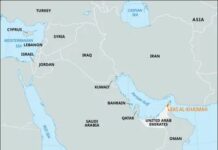
The terrain here is not subtle. Covering 39,146 square miles, the region is a vertical playground for travelers willing to brave the heights. It is located in the southern part of the greater Kashmir region and borders Pakistan in the west and the Indian states of Himachal Pradesh and Punjab in the south. In the east, it borders the newly formed Union Territory of Ladakh.
For the traveler, this means packing for more than one climate. The landscape is mainly mountainous and is characterized by large mountain ranges. But there are two distinct lowlands that break the monotony of the peaks. First is the Valley of Kashmir. It is fertile, densely populated and visually stunning. Think terraced fields, walnut groves and the Jhelum River running through the middle. It is the cultural heart of the region.
Then there is the Jammu region in the south-east. Here the mountains give way to a plain. The demographic change is also noteworthy. Most of the Union Territory’s population is Muslim, but Hindus are dominant in the south-eastern Jammu region. This diversity is reflected in the architecture, food and festivals. They don’t just cross the border; Within a few hours’ drive, you can reach different worlds.
A History Written in Stone and Conflict
To understand why traveling here feels charged, you have to look at the history of the map. Jammu and Kashmir was once a princely state. In 1947, when India and Pakistan divided the subcontinent, the area became an Indian state. But it was immediate and violent. Both countries claimed the entire region of Kashmir and fighting began almost immediately. This conflict never really ended. It shaped the infrastructure, checkpoints and atmosphere of the place.
In 2019, the political map changed again. The area was downgraded from a state to a union territory. At the same time, the Eastern Ladakh region was separated and became a separate Union Territory. For a traveler, this administrative change is less important than the physical reality. The borders are still active. The presence of security forces is visible. But The beauty of the landscape remains indifferent to politics. Mountains don’t care about treaties. They just rise.
Logistics for the modern traveler
Planning a trip to Jammu and Kashmir requires flexibility. The terrain determines the speed. You can’t rush to the mountains. Roads can be winding and dangerous in winter and may be closed due to weather or safety regulations.
- Best Time to Visit : Summer (May to July) is ideal for Kashmir Valley. The snow melts, the meadows bloom and the weather