The United States low-cost carrier (LCC) sector is facing a critical financial crossroads. Following intense discussions between industry executives and federal officials, several budget airlines have proposed a $2.5 billion government assistance package to offset skyrocketing jet fuel prices.
The Proposal: Equity in Exchange for Survival
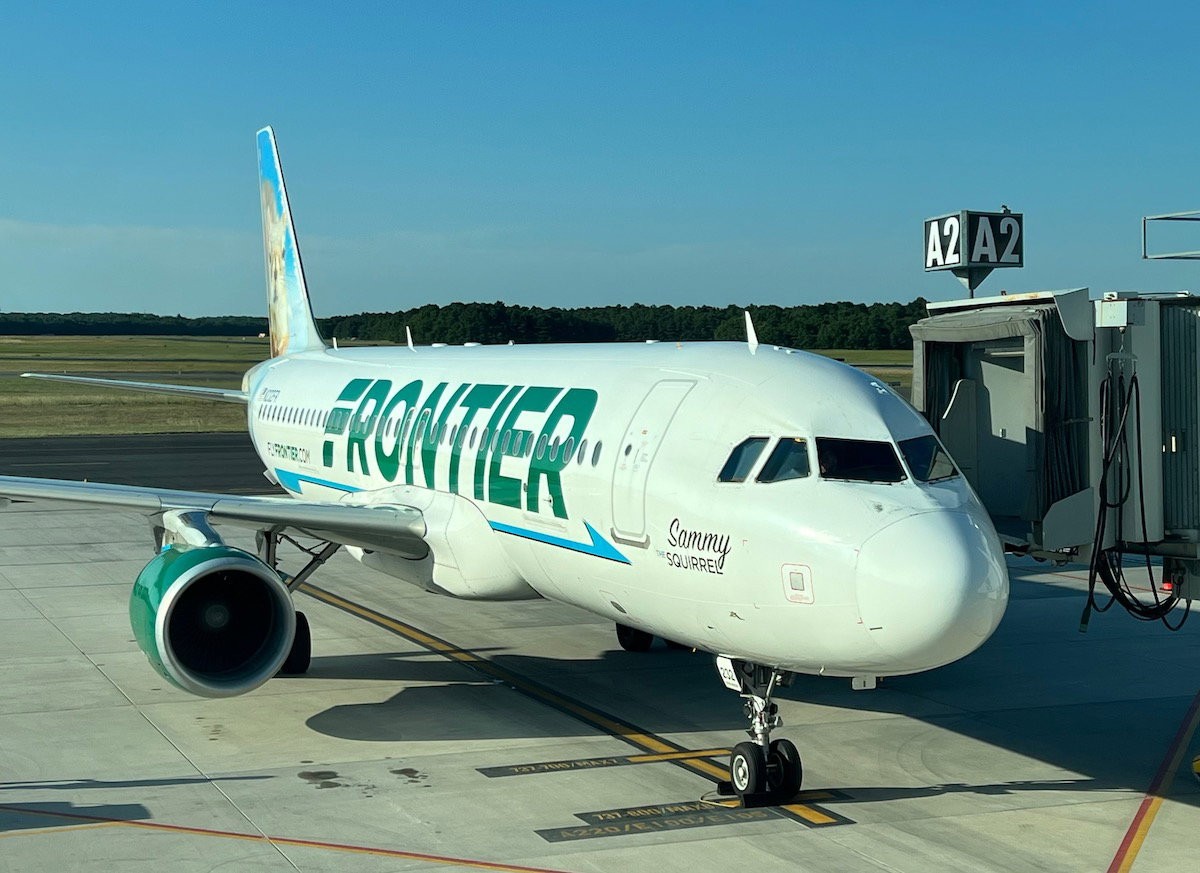
On April 21, 2026, CEOs from major budget carriers—including Frontier and Avelo —met with Transportation Secretary Sean Duffy and FAA Administrator Bryan Bedford to discuss emergency relief.
The core of the proposal addresses a massive gap in projected operating costs. As jet fuel prices hover above $4 per gallon, these airlines estimate they will face $2.5 billion in additional expenses compared to previous forecasts. To secure this funding, the airlines are suggesting a structure involving warrants that could convert into government equity stakes. Essentially, the government would provide immediate liquidity in exchange for ownership in the companies.
Why This Matters: The “Fuel Trap” for Budget Carriers
The current crisis is largely driven by geopolitical instability, specifically the ongoing conflict in Iran, which has sent energy markets into volatility. While this affects all aviation, it creates a disproportionate burden for budget airlines due to their unique business models:
- Price Sensitivity: Unlike full-service carriers (such as Delta or United), budget airlines cater to cost-conscious travelers. These passengers are highly sensitive to fare increases, meaning LCCs cannot easily pass high fuel costs onto consumers without losing their customer base.
- Thin Margins: Low-cost models rely on high volume and razor-thin margins. A sudden doubling of fuel costs can instantly turn a profitable flight into a massive loss.
- Sector Instability: Without intervention, the industry faces a wave of capacity reductions and potential liquidations, which would ultimately reduce travel options and increase prices for the general public.
The Dilemma: Bailouts vs. Nationalization
The debate over how to handle this crisis raises significant economic and political questions. Policymakers are currently caught between two difficult paths:
1. The Risk of Selective Support
There is significant debate regarding the potential bailout of Spirit Airlines, which is currently on the brink of liquidation. Critics argue that providing targeted aid to a single, struggling carrier is problematic because:
* Spirit has a history of financial instability, having undergone Chapter 11 bankruptcy twice.
* A bailout might lead to the government owning a 90% stake in the company.
* If the government’s goal is to sell the airline to a larger competitor, it may inadvertently kill off low-cost competition rather than preserving it.
2. The Risk of Industry Nationalization
On the other hand, providing broad industry support risks “nationalizing” the aviation sector. If the government provides loans to all struggling carriers, it may end up owning a portfolio of unprofitable airlines. This raises a fundamental question: Does the government want to be in the business of managing loss-making airlines?
Unlike the $54 billion CARES Act during the pandemic—which supported the entire aviation industry during a total shutdown—the current crisis is segmented. Major full-service carriers are performing well, while only the value segment is in distress. This makes “fairness” difficult to define: Should aid be universal, or only for those at the breaking point?
The central tension: If the government acts, it risks owning a collection of failing businesses; if it does nothing, it risks a collapse of the low-cost travel market.
Conclusion
The US budget airline industry is trapped between unsustainable fuel costs and a business model that cannot easily absorb them. Whether the government chooses to provide targeted relief or broader industry support, the outcome will fundamentally reshape the landscape of American air travel and the role of the state in private aviation.