

Let’s be honest: dogs travel well. They leap into SUVs with wind-swept ears and happy tongues. Cats? They tend to dig claws into your neck and scream. It is a primal, terrified response to confinement. Yet, many owners simply cannot fathom leaving their feline friend in a kennel. They call it “kitty prison,” and they refuse to send their companion away. If you are determined to bring your cat on vacation, you need to prepare. This isn’t just about cute photos. It is about survival. And yours.
Before you pack the snacks, you need the paperwork. And the gear. Here are the ten non-negotiable items you need to keep your cat (and your sanity) intact during travel.
10. The Clean Bill of Health
Ten days before you leave, get your cat to the vet. Do not skip this. You need a health certificate, also known as a Certificate of Veterinary Inspection. This document proves your cat is fit to travel. It must include proof of all vaccinations, specifically rabies.
Why is this so important? Because airlines, state borders, and foreign countries demand it. Cross state lines? They want the paper. Fly? They want the paper. Go international? You might need an acclimation certificate too. This proves your cat can handle the freezing temperatures in the cargo hold. Yes, they can wait an hour or two there before the plane boards. Chilling.
“Check with the embassy or consulate about pet travel regulations if you’re planning to visit a foreign country.”
Keep a physical list. Include your vet’s number. Include a local emergency vet at your destination. Save the national animal poison control hotline: 888-426-4235. You can find local emergency clinics through your state’s Veterinary Medical Board or the American College of Veterinary Emergency and Critical Care. Paperwork buys you time. Time buys you peace of mind.
9. Identification
If your cat escapes, identification is the only thing standing between a lost pet and a shelter. A standard collar with an ID tag is the baseline. But collars break. Tags fall off. You need something permanent.
Microchipping is the gold standard. It is a tiny scanner-readable chip inserted under the skin. It does not require a battery. It lasts a lifetime. But a microchip is useless if the database isn’t updated. Your address changes. Your phone number changes. If you move or change carriers, update the microchip registry immediately.
Consider a GPS tracker collar as a secondary layer. These devices ping your phone when your cat is nearby. They are not perfect. Signal drops. Batteries die. But they provide real-time location data that a static tag cannot. Combine both. A breakaway collar with a tag, plus a registered microchip. This is the dual-layer approach that keeps travelers safe.
8. The Carrier Crisis
Most people grab the first carrier they see. This is a mistake. Your cat needs a carrier that is secure, ventilated, and comfortable. Hard-sided plastic carriers are best for air travel. They meet TSA and airline regulations. They protect your cat from impacts. They contain the mess.
Soft-sided carriers are fine for car trips. They are lighter. They fit under seats. But they offer less protection. If you are flying, check the airline’s size restrictions. Measure your cat. Measure the carrier. Do not guess. Overcrowding is a leading cause of stress-related injuries during transit.
Line the bottom with an absorbent pad. Even if your cat

Identification: Your First Line of Defense
A cat vanishing in an unfamiliar city is a nightmare scenario that ruins vacations faster than a canceled flight. Prevention starts before you pack. Secure a breakaway collar with ID tags. Etch your name, home address, and cell number on them. If someone finds her, you need to be reachable immediately, regardless of your location.
Label the pet carrier with the same details. Add a specific travel tag that lists your destination address and your mobile number. This ensures you can be contacted even if you are exploring a new neighborhood.
Microchipping is the fail-safe. Collars snap. Chips do not. If a shelter or vet scans the cat, the chip links directly to your profile. Update the registry with your current phone number and cell number immediately after implantation. Verbal descriptions are unreliable when stress is involved. A recent photo of your cat is essential for quick identification. Share this photo with local shelters or vets if she goes missing.
Reducing Stress with Familiar Scents
Confined in a carrier, even a calm cat feels the tension of travel. Replicate home to lower anxiety. Line the carrier with a blanket that smells like your house or your laundry. Bring her favorite bed. It provides a secure anchor in a strange environment.
Pack a couple of stuffed toys. She needs something to snuggle or bat around while waiting. These small comforts make a significant difference in her mood during transit.
The Essential Travel First-Aid Kit
Bring only the medications your cat already takes. Calculate the dosage for the trip’s duration, plus extra pills for delays. Do not introduce new medications. Unexpected reactions are a risk you cannot take on the road.
Flea and tick prevention is necessary if due. Ask your vet for an anti-diarrheal recommendation to prevent messy accidents. Sedation is not recommended for long trips. Tranquilizers can elevate blood pressure and disrupt temperature regulation. A sedated cat may lose its balance. Turbulence or carrier movement can lead to injury.
Pack a travel-sized first-aid kit containing:
– Gauze pads
– Nonstick bandages and veterinary adhesive
– Hydrogen peroxide (for inducing vomiting if poisoning is suspected)
– Eye dropper
– Digital thermometer
– Tweezers and small scissors
– Cotton balls
– Ear cleaning solution
– Eye wipes
Entertainment for the Unwilling Traveler
Taking a cat to Cabo San Lucas offers little benefit for her. She will not surf or sunbathe. She will sit in a hotel room. Keep her occupied to maintain her sanity.
Bring her favorite toys. They serve as a reminder of home. Use them to keep her engaged while you are out exploring. Treats help too. Reward patience with salmon-flavored nuggets or a catnip-filled ball. Positive reinforcement makes the stay more bearable for her.
Managing Waste on the Road
A makeshift litter box is often the most overlooked necessity. Commercial options can be bulky. A disposable liner in a shallow box works well. Alternatively, use a large trash bag lined with litter. Place it in a discreet corner of the hotel room or vehicle. Clean up immediately to avoid odors and health hazards. Choose a litter type she already uses to prevent refusal.

4: Hydration Logistics
Skip the tap water. Your cat’s stomach is sensitive enough without swapping local municipal supplies for something she hasn’t built a tolerance to. This is especially true if you’re crossing state lines or heading internationally, where mineral content and treatment methods vary wildly. The risk isn’t just an upset tummy; it’s a trip ruined by diarrhea in a confined space.
Bring bottled water. Pre-fill your own containers from your home faucet before you leave. It’s cheap, it’s safe, and it removes the variable of unknown local sources. If you’re driving, carry a large jug and a separate travel bowl. If you’re flying, check the rules for carrying liquids, but generally, a sealed bottle is your best friend.
Make hydration a non-negotiable stop. Don’t wait until your cat is panting or lethargic. Set alarms. Every two hours, pull over. Even if she doesn’t seem thirsty, offer water. Dehydration happens faster than you think in a carrier. Attach a collapsible silicone bowl to the side of her crate if your carrier allows it. It keeps the liquid contained and makes sipping easy without spilling on the upholstery.
5: Waste Management and Containment
You aren’t just packing food; you’re packing the byproduct. A dirty carrier is a health hazard and a social liability. If you smell it, the hotel staff will definitely smell it. And they won’t be happy.
The Disposal Plan
Standard litter boxes are heavy, bulky, and prone to leakage. Ditch them. Use a disposable cardboard tray or a lightweight, foldable plastic box. The key is waterproofing. Line it with a heavy-duty trash bag or a dedicated waterproof liner. This turns your cat’s bathroom into a sealed unit. No leaks. No stains. No cleaning the car floor at a rest stop in the rain.
The Litter Choice
Clumping clay is heavy and messy. Silica gel crystals are expensive and can be inhaled. Look for flushable cat litter designed for travel. These are typically made from paper, wood, or wheat. They break down quickly and, crucially, they are safe to flush in emergency situations where trash cans are overflowing or prohibited.
Wait, can you really flush litter? Only if it’s specifically labeled as flushable. Regular clay clogs pipes. It’s a $300 plumber’s bill waiting to happen. Flushable litter is your loophole. But check with your accommodation first. Some hotels have strict sewage rules. If in doubt, double-bag it.
The Scoop and Wipe Kit
Pack a small scoop. Not a full-sized one. A mini-scoop fits in a side pocket. You’ll need it for car stops. When you pull over, set the carrier on the ground. Let your cat out. Put the lined box on the floor. She goes. You scoop. You bag. You seal. You move on.
Bring wet wipes. Lots of them. Cats are creatures of habit, but travel disrupts that. Stress causes accidents. If she misses the box, or if she vomits from motion sickness, you need to clean it up immediately. A smear of vomit or urine in a car seat is a nightmare to remove later. Wipe it down. Disinfect. Move on. Don’t let the smell of “eau de kitty” ruin your vacation or your resale value on the rental car.
**
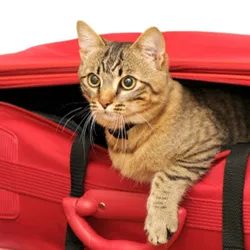
Your cat’s carrier isn’t just a cage; it’s the central hub of your pet’s survival kit. Think of it as the rolling suitcase for your feline’s entire existence. Before you even zip up your own bags, you need to gather the smaller, non-negotiable items into containers that fit inside or attached to this carrier.
Space is at a premium. You aren’t moving into a new house; you’re taking a trip. Buy the smallest possible supplies, or better yet, opt for disposable versions of everything so you don’t have to haul empty containers back home. The goal is minimalism with maximum utility.
Essential Storage and Documentation
Your cat needs specific bins to keep chaos contained. A cluttered carrier leads to a stressed cat, and a stressed cat leads to a chaotic vacation. Here is what actually fits in the bag:
- Food container: A small plastic bin or heavy-duty resealable Ziploc bags work best. They are leak-proof and stackable.
- Bowls: Foldable silicone dishes or lightweight, rigid plastic bowls. They need to survive a drop on hotel tile.
- Cleaning bags: Heavy-duty trash bags. For waste, yes, but also for soiled bedding or emergency wipe-downs of the carrier interior.
- Medical binder: A simple folder or small binder for health certificates, vaccination records, and your vet’s contact info. Digital copies are good, but paper survives dead batteries.
Once you arrive at your destination, the carrier becomes the consolidation point. Keep these essentials packed and accessible inside or clipped to the carrier. You don’t want to be digging through a suitcase at 2 AM when your cat needs water or medication.
The Diet Rule: Do Not Change It
Here is a hard rule for traveling with pets: Do not change your cat’s diet.
Vacation is not the time for culinary experimentation. Your cat’s digestive system is sensitive. Switching brands or types of food will likely result in digestive woes—vomiting, diarrhea, refusal to eat—and messy cleanups that will ruin your trip.
Shop at your local supermarket at home. Buy a large enough supply of your cat’s regular food to last the entire duration of the trip, plus a little extra. Just in case.
Stick to your home feeding schedule as closely as possible. Cats thrive on routine. Disrupting their circadian rhythm with irregular meal times adds stress to an already stressful environment. If you fly, drive, or take a train, consistency is your best friend.
Feeding Logistics: Before and During Travel
Timing is everything. On the day of your departure—whether you are flying or driving—do not feed your cat for about three hours before leaving. This reduces the risk of car sickness or airsickness. An empty stomach is less likely to rebel during turbulence or bumpy roads.
But hunger is also a problem. If your journey will be longer than six hours, you need a plan for sustained energy.
Attach a dish of food to the inside of your carrier’s door. This keeps it accessible without requiring you to open the carrier frequently, which can let the cat escape or increase anxiety. Some airlines will also request that you attach a separate container of food to the top of the carrier. Check with your specific airline early. Policies vary.
If you

A loose cat in a vehicle is a recipe for disaster. They don’t just sit still and admire the scenery. They dig claws into your upholstery. They might even end up under your feet, wedged beneath the gas pedal. That is not a good place to be when you are doing 70 miles an hour on the highway.
Keep both you and your pet secure. Use a carrier.
Soft-sided options are lighter if you are carrying them through airports. Hard plastic or wire mesh is sturdier. It resists crushing if the bag goes into the cargo hold. A hard kennel is mandatory if your pet is checked as baggage on an airplane.
Inside the carrier, add comfort. A favorite blanket helps. A familiar toy soothes anxiety. These items create a known space in an unfamiliar environment.
Choosing the Right Travel Crate
Size matters. Your cat needs room to stand up. She needs to turn around comfortably. Look for leak-proof material. Moisture is a risk during transit.
Airline rules vary. Many require ventilation on at least two or three sides. Fresh air keeps your pet calm and safe. If the crate goes in the cargo hold, label it clearly. “Live Animal” stickers are essential. Airlines look for these tags immediately.
Acclimating Your Cat Before the Trip
Don’t just throw your cat into a crate and go. That causes distress. She will clutch the sides. She will panic.
Prepare her ahead of time. Set the carrier on the floor of your home. Leave the door open for a few weeks before you leave. Let her explore it on her own terms.
If she ignores it, use treats. Put them inside. Lure her in. If she still hesitates, pick her up and place her inside. Close the door. Start small. Two minutes. Then five. Then ten. Work up to 30 minutes or more.
Take short trips. Go to the vet. Visit the pet store. Let her associate the carrier with movement that ends in something positive.