

You’re packing for a beach getaway. The ocean breeze is already imagined on your skin. Then you hit the wall. Who watches the dog?
It happens to everyone. Business trips. Weekend getaways. Visiting family. You cannot take the cat. You cannot take the golden retriever. So you have to leave them.
For many owners, this is the most stressful part of planning. Not the flight booking. Not the hotel choice. The pet situation.
Some pets thrive in new environments. They treat boarding like a summer camp. Others shut down. They stop eating. They whine at night. They pine for their humans.
Likewise, some owners drop off their pets and forget about them until pickup. Others lose sleep over it. They call the facility every hour.
There is no single right answer. But there is a way to reduce the anxiety for both sides.
Preparing Your Pet for Separation
Stress begins at home. It starts with routine. If your pet is anxious in general, boarding will magnify it.
Start early.
- Teach basic commands. Sit. Stay. Come. These are not just tricks. They are safety nets.
- Expose your pet to other animals. A walk in the park. A playdate. It helps them understand social cues.
- Expose your pet to other people. Strangers hand out treats. Strangers scratch behind ears. It reduces fear.
Preparation is key. A well-socialized dog adapts faster. A confident cat hides less.
This is not about training a show dog. It is about building resilience.
Understanding Pet Boarding Options
You need to know what is out there. The market is vast.
There are three main categories. Each has pros. Each has cons.
Kennels
Traditional kennels. Rows of cages. Concrete floors. Noisy.
Some facilities have outdoor runs. Some have indoor-outdoor access.
Cost: Usually $15–$25 per night.
Who it fits: Dogs who like space. Dogs who are not sensitive to noise.
The downside: It can be loud. It can be stressful for shy animals.
Boarding Homes
In-home boarding. Your pet stays in someone’s house.
One or two dogs max. Sometimes just one.
Cost: $20–$40 per night.
Who it fits: Small dogs. Cats. Anxious pets.
The downside: Less professional oversight. Less standardized care. You trust the individual, not the brand.
Luxury Resorts
Spas for pets. Video feeds. Daily walks. Gourmet meals.
Cost: $50–$100+ per night.
Who it fits: Owners with deep pockets. Pets used to pampering.
The downside: Expensive. Often crowded. Can feel impersonal despite the polish.
Choosing the Right Fit for Your Pet’s Personality
Not all pets are the same.
A high-energy Border Collie needs space. A couch potato Pug needs comfort.
Ask yourself:
- Does your pet hate strangers?
- Does your pet get aggressive around other dogs?
- Does your pet have medical needs?
These questions matter. More than price. More than

If you haven’t stepped into a boarding facility lately, you might expect rows of cold steel cages. You’d be wrong. The industry has shifted. While some places still offer the classic “crate and run” model—where your dog gets an outdoor excursion for an extra fee—the standard is changing.
Crate-trained dogs often find comfort in confined spaces. It mimics a den. It feels safe. For pets not used to being caged, however, a crate feels like prison. Many modern facilities know this. They’ve moved away from solitary confinement models.
The Communal Room Risk
Some boarding kennels now house pets in large, communal rooms. The idea is socialization. Animals interact. They play. They bond.
It sounds nice. It has risks.
The key is management. The staff must understand animal psychology. Cats, especially if spayed or neutered, can often coexist in shared spaces. The rule is simple: large room. Plenty of litter boxes. Low stress.
Dogs are harder.
An experienced handler sorts dogs by size and temperament. Easy. But an inexperienced staff member might only see overt aggression. They separate the fighters.
Here is the problem.
The nervous dog. The overly submissive pup. They remain in the pack with the aggressors. No fights might happen. But the stress is real. Your dog spends two weeks in a state of low-level anxiety. You won’t see it at drop-off. You might not see it at pickup. It’s hidden in the details.
“Look for any animal that seems stressed. Signs include shaking, scratching, refusing to eat, avoiding eye contact and biting or growling.”
Before you commit to a communal boarding facility, visit. Watch the animals. Do they look relaxed? Happy? Or do they look trapped?
For cats, watch for spraying. Pacing. Pulling at fur. Excessive meowing. If you see it, walk away.
The Vet Option
Another path is leaving your pet with your veterinarian. Many vets offer this service. It’s often a secondary business for them.
That means facilities might not be state-of-the-art. Your pet might sit in a crate all day. Staff might take them out for short walks. Just a few times a day.
This isn’t true for every vet clinic. Some have robust boarding operations. It depends on how much revenue comes from boarding clients.
Is it worth it?
Yes, if your pet has health issues. Or if they are elderly. A quality boarding facility can handle emergencies. But a vet office is equipped for preexisting conditions. It’s a definitive benefit for complex medical needs.
Pet Sitters vs. Boarding
Many owners choose pet sitters. They come to your home. They feed your pet. They walk them. They clean up.
Some sitters do more. They collect mail. They water plants.
Why choose this?
The animal stays in its usual environment. Familiar smells. Familiar sounds. Less disruption.
Why choose boarding?
Supervision. A sitter visits two or three times a day. For 30 minutes. Boarding facilities supervise your pet all day. Every hour.
There is no right answer. Only what works for your schedule and your pet’s temperament.
How Pets Adjust to Boarding
Adjustment isn’t instantaneous. It takes time. For some pets, it’s never really complete. They cope. They endure.
Preparation matters.
Start early. Visit the facility with your pet. Let them sniff the air. Hear the noises. Meet the staff.
Pack their familiar items. A blanket from home. A favorite toy. Scent is powerful. It grounds them.
Update vaccinations. Ensure they are up to date. Most facilities require proof. Don’t risk rejection at the door.
Communicate clearly with staff. Provide detailed feeding instructions. Note any medications. Mention behavioral triggers.
“There is no right or wrong decision — it’s whatever works best for you and your pet.”
Observe your pet upon return. Are they lethargic? Aggressive? Anxious? These are signals. They tell you what didn’t work.
Next time, you’ll know better.

Most pet owners assume their animal is heartbroken. They picture a dog staring at the door, waiting. A cat hiding under the bed, mourning. It’s a nice narrative. It’s often wrong.
A pet’s reaction to boarding depends on variables you might be overlooking. Dogs usually adapt quickly. They are social creatures. Some dogs are practically thrilled to leave home. Others? They shut down. They stop eating. They pine.
Cats are a different beast. Literally. They hate change. They hate travel. You drop them off, and they are miserable. But here is the kicker: they rarely stop drinking or eating. They endure the misery. They don’t starve themselves out of protest.
You think your dog isn’t eating because it misses you. Maybe. But consider the logistics. A high-energy dog used to three hours of outdoor sprinting every day will not be happy in a small run. Two days? Fine. A week? That’s a prison. The dog isn’t sad. It’s bored. It’s cooped up.
Then there’s the food. If your dog eats table scraps every night, the bland kibble at the facility tastes like ash. It’s not stress. It’s a protest against inferior cuisine.
So, you need a plan. You need to bridge the gap between your home’s lifestyle and the kennel’s routine.
Matching Energy Levels
Start tracking your pet’s routine now. How much exercise does it get on a Tuesday? On a Sunday? Write it down.
Then, call the boarding facility. Ask specific questions. How many walks? How long? Is it a group run or solo time?
If your dog gets two miles a day and the kennel offers twenty minutes of play, the math doesn’t work. You need to pay for extra walks. You need to ensure the energy expenditure matches the energy input. If the facility is more sedentary than your home, you must intervene. Otherwise, you’re sending a sprinter to sit in a waiting room for a week.
The Food Test
Before you hand over the leash, test the diet.
If you feed treats, switch to commercial pet treats. Stop the table scraps. Start today. You want your pet to accept standard kibble without negotiation.
When you drop them off, send a package of those specific treats. It’s a comfort food. It’s familiar. It helps them eat.
The Toy Dilemma
Bring a favorite toy or a small bed. Usually.
But check the housing first. Are animals separated into individual runs? Good. Bring the comfort item.
Are they kept in an open, communal area? Then leave the toy at home.
Why? Because pets are like toddlers. They don’t share. If your dog brings its plush rabbit to a communal play area, it triggers conflict. Other dogs may try to take it. Your pet may become aggressive defending it. In an open boarding situation, everything is community property. It’s chaos.
You can still send treats. Understand that other animals in the vicinity will likely get some too. It’s the cost of doing business in a shared space.
When Anxiety Becomes a Medical Issue
How anxious is too anxious?
There is a line between normal separation distress and a medical emergency. You need to know where your pet stands.
Dogs showing extreme anxiety exhibit specific behaviors. They ignore commands. They become lethargic to the point of illness. Or they become hyperactive, manic. They bite. They growl. These are red flags.
Cats show it differently. They refuse to eat. They pace. They meow constantly. They try to hide in the corners of their enclosure, making themselves invisible.
If you see these signs, you have options.
Exercise is the first line of defense. More walks. More play. Burn off the nervous energy.
If that fails, you have a last resort. Prescription anti-anxiety medication. Drugs like clomipeamine exist. They aren’t a magic bullet, but they can help some animals cope.
This is not a decision to make at drop-off. Discuss this with your veterinarian. You need a plan before the stress begins.
Health Concerns When Boarding Your Pet
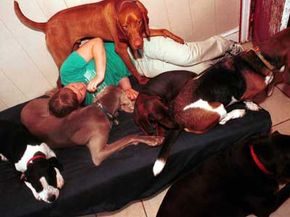
Any time your pet is around other animals, health risks spike. Before you hand over the keys, ensure their shots are current. Your vet’s recommendation is non-negotiable. Beyond standard vaccines, heartworm prevention and flea/tick control are essential. Most boarding facilities will ask for proof of vaccinations. They rarely check for parasite meds.
If your pet isn’t protected against fleas or ticks, they might bring those pests home with them. That’s a headache you don’t need.
Timing Your Vaccinations
If your pet is due for shots before the trip, schedule them weeks in advance. You need to give their body time to build immunity. Boarding an animal while its immune response is still ramping up is risky.
Dogs need protection against a specific list of diseases:
– Rabies
– Distemper
– Hepatitis
– Leptospirosis
– Parainfluenza
– Parvovirus
– Bordetella (kennel cough)
Cats have a different checklist. They need to be immunized against:
– Rabies
– Distemper
– Feline rhinotracheitis
– Calici virus
– Pneumonitis
The Crowd Factor
It’s not just about your pet’s health. It’s about the animals sharing the space with them. Ask the facility if they require proof of vaccinations upon drop-off. Ask which specific shots are mandatory for entry.
Immunizations aren’t 100% foolproof. The best defense is a healthy environment. If every animal on-site is vaccinated, your pet’s risk drops significantly. You can’t control every variable, but you can control the baseline.
Understanding Kennel Cough
Kennel cough, or Bordetella, is a major concern for boarded pets. It’s an upper respiratory infection that spreads like wildfire.
Symptoms vary. A mild case might just mean a dry, hacking cough and a runny nose. Severe cases are worse. Dogs become lethargic. They stop eating. They develop fevers. Pneumonia can set in.
Young dogs and seniors are most vulnerable. Those with compromised immune systems are at even higher risk. In extreme cases, kennel cough has been fatal.
Symptoms and Treatment
Signs usually appear two to fourteen days after exposure. The illness typically lasts about ten days.
One reason it spreads so fast is the shedding period. An infected dog can spread bacteria for six to fourteen weeks after symptoms disappear. They look fine. They are still contagious.
Treatment depends on severity. Mild cases often respond to bronchodilators or cough suppressants. Severe infections require antibiotics. If you notice changes in your pet’s behavior or breathing after boarding, call your vet immediately.
How to Choose the Right Boarding Facility
Visiting the facility beforehand is the only way to know what you’re getting into. Look for clean air. Smell for ammonia or stale urine. If it smells bad, the ventilation is likely poor. Poor air quality exacerbates respiratory issues like kennel cough.
Ask about their intake procedures. Do they separate animals by size or temperament? A small dog shouldn’t be in a pen with a rowdy large breed.
Check the staff-to-pet ratio. Overworked staff miss early signs of illness. You want a place where the team has time to observe each animal individually.
Cost is a factor, but never at the expense of safety. The cheapest option is often the riskiest. Look for transparency. A good facility will happily show you their cleaning logs and vaccination requirements. They won’t hide their protocols.
Bring your own familiar bedding. Scent can comfort a stressed animal. It might not prevent illness, but it reduces stress. Stress weakens the immune system.
Consider a trial overnight stay if possible. Some facilities allow this. It’s a low-risk way to test the environment. See how your pet reacts. See how the staff responds.
If something feels off, trust that instinct. Your pet’s health depends on more than just a

Why a Phone Screen Isn’t Enough
You can filter kennels over the phone, but that’s just the first step. You need to visit.
Start by asking if the facility is a member of the American Boarding Kennel Association (ABKA). This trade group enforces a code of ethics and offers voluntary inspections. It’s a baseline for professionalism.
Ask about their protocol for sick animals. Ask how they handle stress. If your pet needs specific meds or food, can they manage it? Do they house multiple pets together? This might save you cash.
Clarify billing. Ask about drop-off and pick-up times so you aren’t paying for extra days. If dogs are kept indoors, how much outdoor exercise do they get? What happens in bad weather? These questions reveal the facility’s operational reality.
What to Look For on-site
Once you’ve shortlisted options, go see them. A reputable place won’t flinch at a pre-booking visit.
Look for cleanliness. Sunlight and ventilation matter. The temperature should be comfortable. Staff should know the animals by name. They should seem affectionate. Concrete is easy to sanitize, but pets need soft spots to lie down. Cats need space to move between food and litter boxes without crossing paths aggressively.
The Background Check
Before you pay, call your state’s Better Business Bureau. Ask about complaints. If the report is clean, you can book with confidence.
Breaking Down the Cost
Prices vary wildly by region. Don’t just look at the daily rate. Compare what’s included.
A higher price might mean two walks a day and yard time. A lower price might charge extra for those same services. You need to compare apples to apples.
Key Considerations for Pet Boarding
- ABKA Membership : Indicates adherence to professional standards.
- Health Protocols : Essential for managing illness or anxiety during stay.
- Exercise Requirements : Critical for indoor-kept dogs, especially in poor weather.
- Billing Clarity : Prevents hidden fees for extended stays.
- Facility Cleanliness : Look for soft bedding alongside easy-to-clean concrete.
- Staff Interaction : Name recognition and affection are good signs.
- BBB Report : A final check for unresolved customer complaints.
- Cost Comparison : Ensure you’re comparing identical service packages.