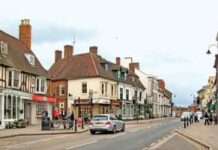

Founded in 1617 around the fortress of São Filipe, Benguela is more than just a dot on the map of western Angola. It was a crucial base for Portugal’s colonial expansion, which is reflected in its current infrastructure. Although the population grew from about 134,500 in 2004 to more than 555,000 in 2014, the city remains a logistics and historical center and not just a beach stop.
Rail connection to the interior
Why is Benguela important for a traveler or investor? It is the political and economic coordinator of the vast hinterland of the East. The city is connected to the Democratic Republic of the Congo and Zimbabwe via the Benguela Railway. This railway is not only a scenic route; It is the main transportation route for goods in three countries.
When you’re thinking about transporting cargo or traveling cross-country, this train connection is a crucial detail. It bypasses the longer routes through Luanda and offers a direct route to the mineral-rich regions of Central and Southern Africa.
What the area produces
The country around Benguela works hard. Inland farmers grow coffee, corn, tobacco, sugarcane and sisal. In the south, there are manganese deposits ready for mining. Although these are significant commodities, most of the foreign trade actually goes through Lobito, which is only 29 kilometers to the north. Lobito takes care of the hard work of exporting and leaves Benguela to local processing and coordination.
Local industry and everyday life
Benguela’s own industry is based on what the land and sea have to offer. Sugar factories and fish processing plants operate here. The city also produces soap, tools and ceramics. These are not tourist items; These are goods for local use and regional trade.
The skyline is defined by two structures: the government building and the Mombaka hotel. They dominate the image and remind of the city’s administrative importance and its history as a colonial base.
Practical details for the visitor
- Location: Western Angola, on the coast.
- History: Founded in 1617 around the fortress of São Filipe.
- Transportation: Connected to DRC and Zimbabwe via the Benguela Railway.
- Nearby Hub: Lobito, 29 km north, handles most of the international trade.
- Main products: Coffee, corn, tobacco, sugar cane, sisal, manganese.
- Local industry: Sugar, fish, soap, tools, pottery.
The city breathes to the rhythm of the railway and the sea. It is a place where history is embedded in the stone of the fort and the paths leading east. You can come for coffee or manganese, but you’ll stay to see the city that connects the continents. The train is still running. The sea is still pulling the shore. And the numbers keep growing.