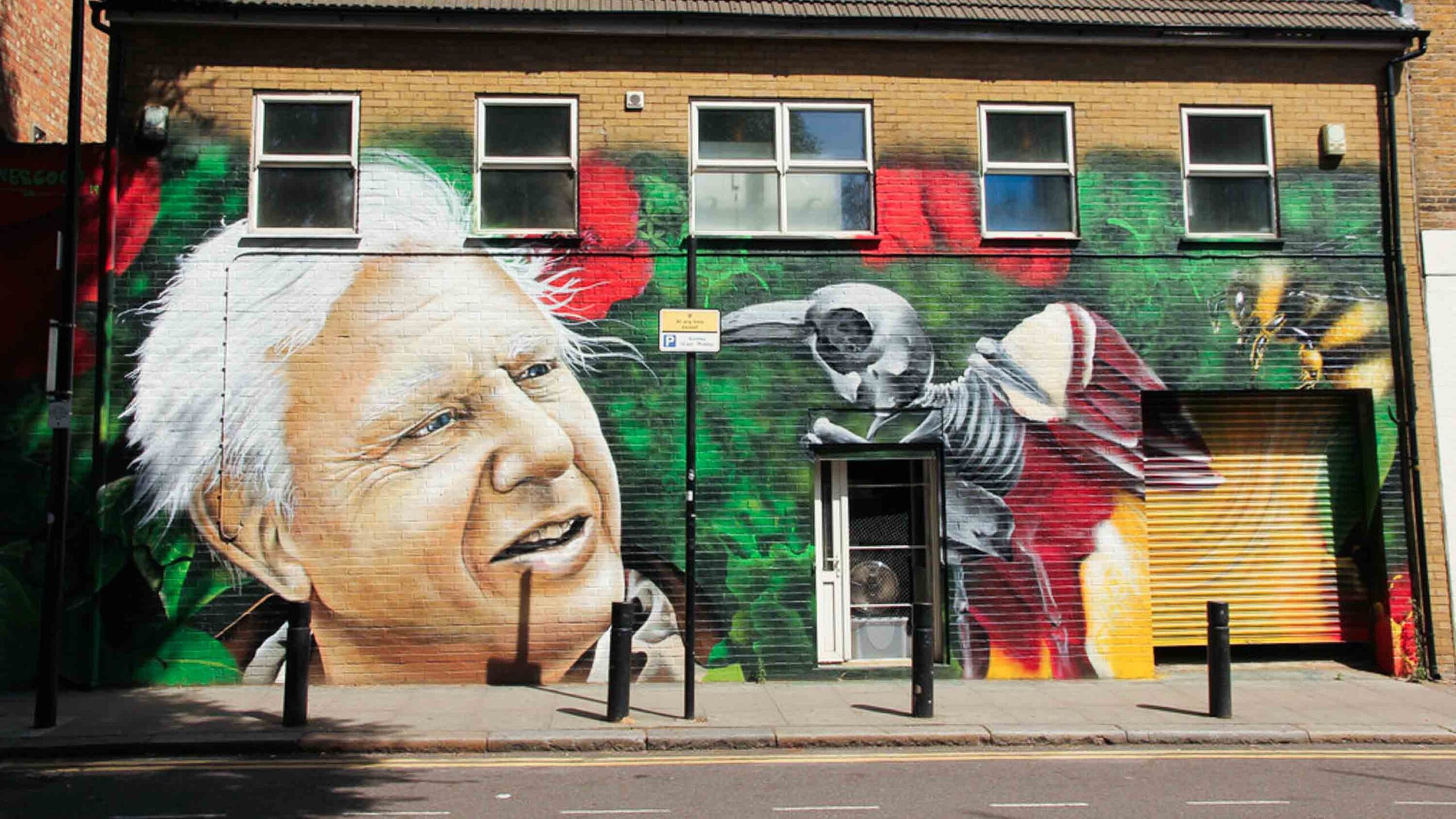
Sir David Attenborough has turned 100, marking a century of life dedicated to revealing the natural world to a global audience. His bibliography of documentaries—ranging from Zoo Quest and Planet Earth to Blue Planet and Dynasties —is not merely a list of programs; it is a chronicle of how public perception of nature has evolved.
While Attenborough is globally recognized for his gentle narration, his influence extends far beyond the screen. As a former BBC controller and director of programming, he helped shape the medium itself. Today, he is a leading voice in the fight against climate change, biodiversity loss, and unsustainable consumption. To mark his centenary, we look at how his collaboration with filmmakers, scientists, and guides has left an indelible mark on the conservation community.
A Pioneer of Visual Storytelling
Attenborough’s career began in the 1950s with Zoo Quest, originally broadcast in black-and-white. However, he insisted on filming in color, predicting that technology would catch up—a bet that paid off when the footage was later rediscovered and broadcast in its original vibrant form. This technological foresight defined his career: he understood that to inspire care for nature, audiences first needed to see it clearly.
“Sir David claims to be lucky to have been in the right place at the right time, but this fails to recognize his relentless technological curiosity and appetite for innovation in media storytelling.”
— Professor Joe Smith, Director of the Royal Geographical Society
Smith notes that Attenborough’s ability to maintain authority and trust over seven decades is rare in an era of information overload. By encouraging viewers to “pause and notice,” Attenborough has taught the world to value nature through careful observation.
The Human Side of Filmmaking: Remembering Doug Allan
Behind every stunning shot is a crew working in often hostile environments. This reality was highlighted by the tragic loss of Doug Allan OBE, a renowned wildlife cameraman who died in Nepal in April 2026 at the age of 74. Allan was a principal cameraman on The Blue Planet, Planet Earth, and Frozen Planet, working closely with Attenborough for decades.
Allan recalled a moment from 2001 during the Life of Mammals shoot in Svalbard. Attenborough, hesitant to drive a snowmobile for a dramatic low-angle shot, worried about safety. When Allan asked him to come closer, Attenborough joked, “Imagine the paperwork, Doug, if I run you over.” This anecdote reveals a leader who cared deeply for his crew’s safety, even while pursuing groundbreaking footage.
Attenborough paid tribute to Allan, stating, “There’s just no-one else who knew these frozen worlds and their unique wildlife as he did.”
Bridging Science and Storytelling
Attenborough’s ability to translate complex science into accessible narratives has inspired generations of researchers. Professor Richard Thomas, an archaeologist at the University of Leicester, worked with Attenborough on a documentary about Jumbo the elephant. Thomas described Attenborough’s “innate thirst for knowledge,” recalling how the naturalist would arrive on set with new books on topics like epigenetics, eager to deepen his understanding.
This approach resonates with Dr. Gladys Kalema-Zikusoka, a wildlife veterinarian and founder of Conservation Through Public Health in Uganda. After meeting Attenborough at a Whitley Fund for Nature dinner, she was struck by his down-to-earth nature. He watched footage of her work—which links human and gorilla health to prevent disease transmission—with genuine interest, bridging the gap between remote conservation efforts and global awareness.
Guardians of the Galápagos
The Galápagos Islands hold a special place in Attenborough’s legacy, serving as a living laboratory for evolutionary theory. Dr. Jen Jones, Chief Executive of the Galápagos Conservation Trust, notes that Attenborough has championed the islands for over 30 years. From launching the charity in 1995 to receiving Ecuador’s highest decoration, the National Order of Merit, in 2022, his advocacy has been instrumental in protecting the archipelago.
For local guides like Pablo Valladares, Attenborough represents a personal connection to nature. Valladares, who won the Top Conservation Guide award in 2018, met Attenborough on his 52nd birthday while filming Galápagos 3D. He recalls the naturalist’s kindness and humbleness, describing the encounter as a validation of his life’s work sharing the islands’ wonders with visitors.
Similarly, Fabián Oviedo Freire, a ranger with the Galápagos National Park Directorate, was inspired by Attenborough’s documentaries to pursue conservation. Presenting Attenborough with the uniform of an honorary ranger was, for Freire, a symbolic gesture of shared commitment to protecting the islands’ ecological balance.
A Career Born from Wonder
Attenborough’s influence is perhaps best measured by the careers it has launched. Lauren Jarvis, editor of JRNY Magazine and former editor of National Geographic Kids, traces her journey directly to watching Attenborough’s documentaries as a child in London. Those early broadcasts sparked a passion that led her to travel across seven continents and interview Attenborough multiple times, creating a full-circle moment for a fan turned professional.
Conclusion
Sir David Attenborough’s 100th birthday is not just a celebration of a long life, but of a century of changing how humanity sees itself in relation to the natural world. Through technological innovation, scientific rigor, and profound empathy for both nature and his colleagues, he has transformed passive viewing into active conservation. His legacy lives on in the scientists, guides, and storytellers who continue to protect the planet he helped us appreciate.