
Samsun is not the first name that comes to mind when planning a beach holiday in Turkey. Most travelers go directly to Antalya or Bodrum. But if you’re looking for an affordable Black Sea trip, Samsun deserves a place on your itinerary. It’s raw. Windy. It’s green. And it’s much less crowded than the south coast.
Located on the northern edge of Turkey, this city is not just a transit point. It’s a destination. With a population of just over 1.2 million people in an area of 9,579 square kilometers, it offers a different pace. The traffic code is 55. The area code is 362. This information is important when trying to book a local bus or call a taxi. They are the little anchors of the place.
The city consists of 17 districts. Everyone has their own atmosphere. Atakum has modern hotels and beach clubs. It is a tourist center. But then there is Canik and İlkadım. These areas have an old town, history and real local life. Traditional markets can be found in Bafra and Çarşamba. You can enjoy the wind in Kavak and Ladik. The diversity within the city limits is enormous. It feels like you’re stepping into several different cities just by crossing one bridge.
Why is this important for the traveler? Because Samsun offers unique Black Sea tourism experiences that you won’t find in the south. The food is different. The landscapes are steeper, greener and more dramatic. The history here dates back to ancient times, but the culture is clearly influenced by the Black Sea. It is a place where you can hike in the morning and eat fresh fish by the sea in the evening.
The size of the city is manageable. You don’t need a car to get around the main tourist areas, but having one helps if you want to explore the hinterland. 17 districts offer you options. Stay comfortably in Atakum. Stay in the city center to experience the history. Choose according to the type of trip you want.
The numbers don’t lie. More than a million people live here. It means infrastructure. Good restaurants. Active public transport. But it’s not overwhelming. It still feels like a city where you can talk to people. Where you can get lost without losing your mind.
This is just the beginning. Geography sets the scene. People set the tone. What you do next depends on where you go.
A city built on multiple levels of conquest
It didn’t start as a big center. In 750 or 760 BC. Back in 750 or 760 BC, this place was just a small settlement founded by Milesian Greeks – immigrants from Miletus – who called it Amisos. This name stuck for centuries, long before anyone called it Samsun.
But here you can’t look at a map and see silence. This is a land that has been conquered, held and conquered again.
After the founding of Greece, the wheel turned. It came under Persian control, then Macedonian rule, and finally the Kingdom of Pontus. The Romans took over. Then the Byzantines. The Danismenids. The Seljuks. Finally, the Ottomans.
“Samsun’s history is a list of occupiers.”
Every administration has left its mark. When you walk through a modern city, you stand on top of all of this. Architecture is changing. The effect changes. The name was changed from Amisos to Samsun only at the beginning of the 20th century, but the floors below it are older than most European capitals.
When you visit, don’t just look at the sea. Look at the hills. The old walls were there. The Romans built their way there. Seljuk caravans stopped there.
The city grew because it had to. It had a port. There was a reason to be there. But the reason changed every time a new flag was raised on the beach.
It’s not just a tourist attraction. It is an archive of power. And if you listen closely, the stones still tell of the Persians. And the Greeks. And the Ottomans.
The weight of history on Black Sea Soil
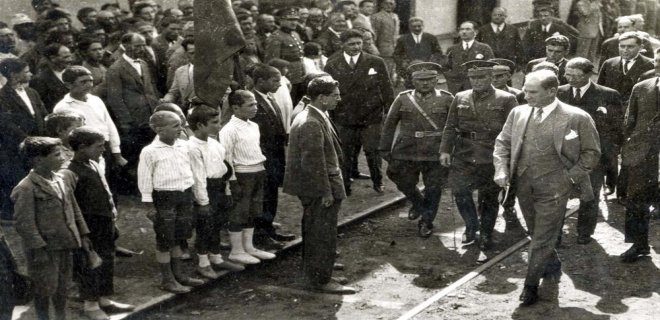
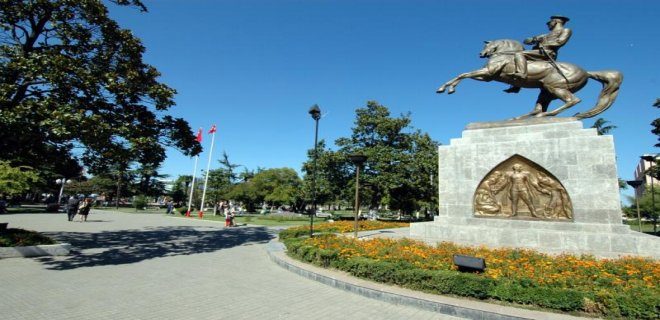
Samsun is not only a port city. The modern Republic of Turkey began here. On May 19, 1919, Mustafa Kemal Atatürk stepped onto its soil. This single step sparked a national struggle. You can feel that gravity here. The city doesn’t forget.
But the story is only one level. Underneath lies a landscape that defines its economy and appearance.
Geography and the Great Plains
Samsun is located in the Black Sea region and is a logistics center. It has sea, land, air and rail connections. This makes it one of the most accessible cities for tourism in the region. The terrain is dominated by two huge plains: Çarşamba and Bafra Ovaları.
This flat land is fed by two rivers: Yeşilırmak and Kızılırmak. They carve through the land and create fertile soil. About 47% of the total area of Samsun is used for agriculture. This is not just agriculture. It’s an ecosystem.
The crops here are specific to the climate. You can find tobacco, wheat, rice, sugar beets, corn, hazelnuts and sunflowers. When you drive in the countryside in spring, it’s a patchwork of green and yellow. The air smells of damp earth and growing things.
Education and modern life
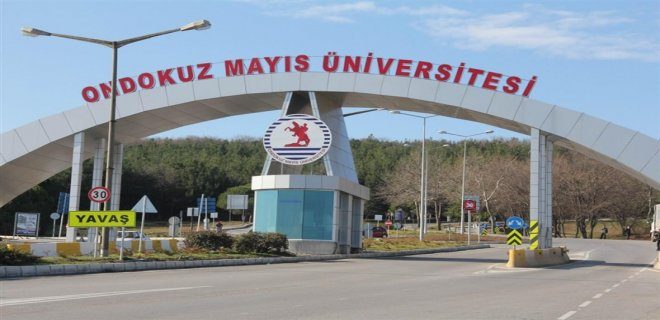
The city is also an academic center. Ondokuz Mayıs University is located here. It brings youthful energy to the streets. Students meet locals in cafes and along the coastal promenade. It prevents the city from appearing too static and too stuck in the past.
For a traveler, this means infrastructure. Better internet. More cafes. A mix of old Ottoman influences and modern Turkish life. You are not just visiting a museum. You are visiting a living city that happens to experience a decisive historical moment.
Why it matters for your trip
If you are planning a trip to the Black Sea, Samsun is often the starting point. But don’t just pass through. The plains are worth a visit if you have time. Rent a car. Drive out toward Bafra. See the scale of the agriculture. It explains why the area is so rich, why the soil is so rich.
The contrast is sharp. The historic sites are heavy. The surrounding land is light, open and productive. You get both. The weight of 1919. The breath of the harvest.
It’s a place that requires you to look at both the map and the memory. Which one interests you more? The battle for independence? Or the fields that feed it? You don’t have to choose. They are the same landscape.
生まれ:ウンとユムルタス
赤ちゃんがサムスンに到着しても、訪問者は手ぶらでは来ません。 彼らは食べ物や衣類を持ってきます。 これはコミュニティの取り組みです。 しかし、本当の儀式は40日後に行われます。 母親と赤ちゃんは特定の場所を訪れます。 ゲストは彼らにゆで卵を与えます。 なぜ? お子様が物事に執着し、しっかりとしてください。 しっかりしてください。 これは象徴的です。 回復力への願い。
それから顔です。 ゲストたちは母親の肌に小麦粉を塗ります。 意味はシンプルで、「あなたの運が晴れやかでありますように」というものです。 雲はありません。 霧はありません。 ただ運が開けているだけです。
割礼:階級の違い
sünnet (circumcision) 祝宴 is about money. The menu is determined by the host’s financial situation. Wealthy families would kill sacrificial animals. 料理は豪華です。 Rice pilaf. 小麦粉。 pasta. お菓子。 This is a sign of prosperity.
貧しい家庭は? They keep it simple. During religious recitations (mevlit ) they only serve sugar or sherbet. No meat. 祝宴はありません。 It’s just sweet. The purpose is the same. 実行は財布の厚さによって異なります。
Army Service: 別れとヘラレシュメ
Sending your son to the military is a big deal. Friends, neighbors and relatives 彼の家に殺到します。 They bring gifts. 食べます。飲みます。 正式な和解があり – helalleşme. You apologize for past mistakes. すっきりさせます。 それは重苦しいものです。 It felt like a final goodbye.
When the soldiers return, the cycle repeats itself. The procession of “asker dönüşü” (returning soldiers) reflects this departure. Vows made during service are fulfilled with sacrifices. If the soldier’s parents can afford it, they organize a joint meal. If not, the community fills in the gaps.
Marriage: from sherbet to soku
Here, marriage is a negotiated process. The groom’s family goes to the bride’s house to ask for her hand in marriage. If the family agrees, it is called söz kesme. The engagement ceremony is next. Locals call this şerbet içmek (drink sherbet).
Two days before the engagement, the groom’s family sends 荷物 to the bride’s home. Sugar. Coffee. Tea. Engagement ring. During ラマダン、イード、ヒデリズ, they can 子羊を捧げます。
The actual wedding reception was a logistical nightmare for the party guests. Both families receive guests. In the village of Lâdik, invitations are delivered personally through the distribution of sweets. They call it “okuntu”. You eat お菓子。 You accept the invitation.
村の結婚式は通常木曜日の夜に始まります。 Drums and zurna instruments (シャウム) were played in the square. Lâdiki has a special day called soku. Bulgur is placed in the center of the mortar and crushed with a stone tool. Rhythmic. 騒がしい。
When the bride arrives, water is poured over her. Maybe it’s superstition. 浄化。 When he enters the house, the groom and mother-in-law throw money and nuts 彼女の上に。 幸運のシャワー。 In the evening, 夕食が続きます。 シンプルです。 Expected.
死: 死者のために生きた人をfeedingする
カワク、Lâdik、ハフザ周辺の村では、共同で食事を与えることで死者に対処している。 遺体を埋葬する前に、犠牲動物が自宅で屠殺されます。 肉は近所の人たちが持ち寄った料理と混ぜて食べます。 ゲストをおもてなしします。 これは非常に実用的です。 悲しい人は料理ができない。 コミュニティは彼らのためにそれを行います。
埋葬後、カウントが始まります。 7日間。 40日間。 五十二日。 節目ごとに食事の準備が行われます。 親戚や近所の人々に食事が提供されます。 Mevlit の朗読とコーランの朗読が、亡くなった人の魂のために開催されます。 それは死者だけの話ではありません。 これは、生きている人々が悲しんでいる間もつながりを保つことができるようにするためです。
式