Etihad Airways has announced its most significant expansion into the Chinese market in years, adding five new routes and 28 weekly flights to its international schedule. This strategic move aims to strengthen the airline’s presence in one of the world’s most critical aviation markets.
Expanding the Gateway to Abu Dhabi
Building upon its existing daily service to Beijing, Etihad will now connect Zayed International Airport to several major Chinese economic hubs. The new destinations include:
- Shanghai (Pudong)
- Guangzhou
- Chengdu
- Hangzhou
- Shenzhen
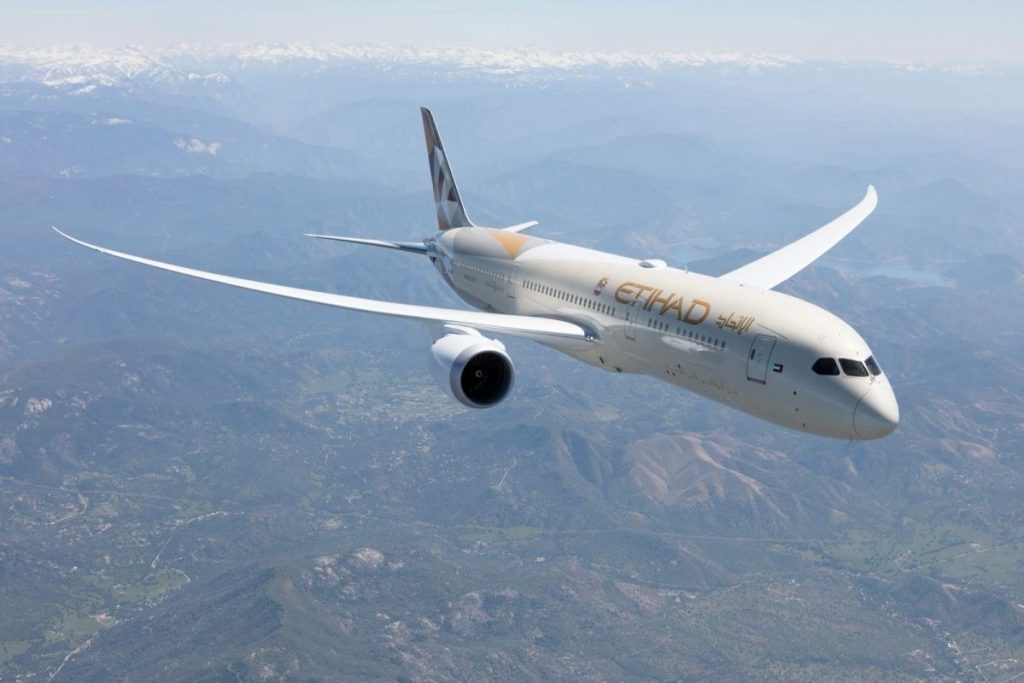
All new services will be operated using Boeing 787-9 Dreamliners, a fleet choice that offers the efficiency and passenger comfort necessary for long-haul, transcontinental travel.
Strategic Partnerships and Market Context
This expansion is not a solo endeavor; it is a central component of Etihad’s joint venture with China Eastern Airlines. Under this agreement, China Eastern will provide reciprocal services connecting Shanghai, Kunming, and Xi’an to the United Arab Emirates.
This partnership is crucial for several reasons:
1. Network Synergy: By linking Abu Dhabi with major Chinese hubs, Etihad is positioning the UAE as a primary gateway between China and markets in the West and Africa.
2. Post-Pandemic Recovery: The move comes as global airlines—particularly those in the Gulf, Asia, and Europe—compete to capture the surging demand following the reopening of China’s aviation sector.
3. Economic Connectivity: The selected cities (such as Shenzhen and Guangzhou) are vital centers for trade and technology, ensuring high demand for both business and leisure travel.
“China is a key pillar of our network growth,” stated Etihad CEO Antonoaldo Neves, highlighting the airline’s long-term commitment to the region.
Why This Matters
The timing of this announcement reflects a broader trend in the aviation industry: the race to re-establish dominance in the Chinese market. As travel restrictions have eased, the competition for “hub-and-spoke” dominance—where airlines use a central location like Abu Dhabi to funnel passengers across continents—has intensified. Etihad’s aggressive expansion suggests a belief that the recovery of Chinese outbound travel is not just a temporary spike, but a sustained driver of global aviation growth.