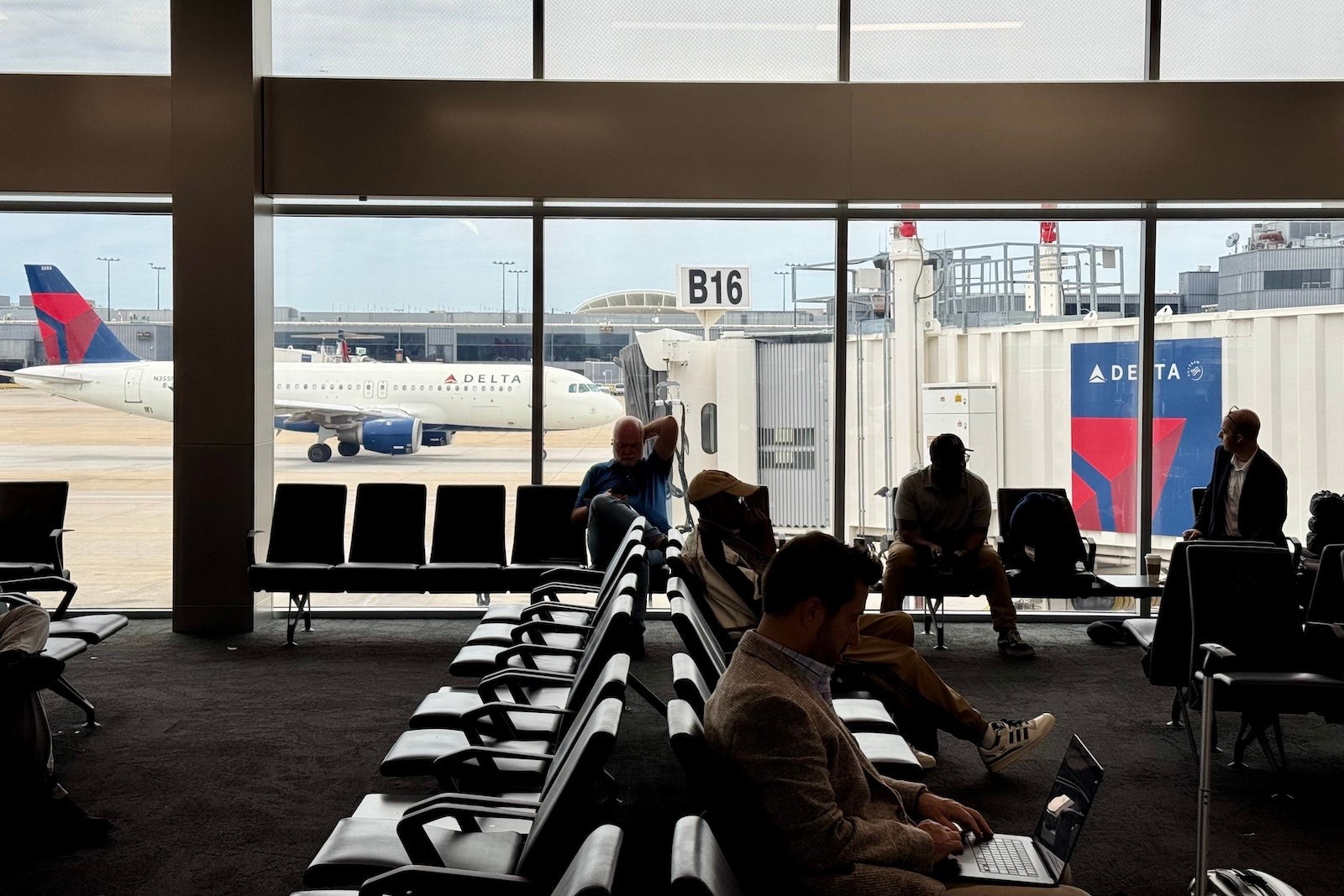
The era of budget-friendly summer travel is facing a severe reckoning. For travelers who have delayed booking their vacations, the reality of 2026’s airfare market is stark: prices are surging, flexibility is shrinking, and the root causes of this inflation are deeply entrenched in global geopolitics.
Recent data indicates that summer round-trip domestic economy fares in the United States are approximately 27% higher than they were at this same point last year. This is not an isolated domestic issue; the surge extends to award travel, with domestic mileage costs up nearly 25%. The primary driver is the sharp increase in jet fuel costs, triggered by disruptions in global oil traffic following the U.S.-Israel conflict in Iran, which began impacting supply chains in early March.
The Global Price Shock
The financial impact of rising fuel costs is not limited to U.S. borders. European destinations, traditionally popular for summer tourism, are seeing even more dramatic price hikes. According to Kayak data:
- London: Fares are up nearly 45% year-over-year.
- Milan: Prices have risen by roughly 38%.
- Dublin and Amsterdam: Travelers face increases of up to 30%.
- Paris and Rome: Fares are at least 22% higher than in 2025.
These figures align with broader economic trends. The U.S. Department of Labor reported a resurgence in inflation in April, with consumer prices soaring nearly 4%—largely driven by the same oil price spikes that pushed the national average for gasoline to $4.50 per gallon. In April alone, airfare inflation reached 21%, signaling that the cost of travel is accelerating, not stabilizing.
Why Relief Is Unlikely Soon
Travelers hoping for a quick correction in prices may be disappointed. The timeline for lower fares is tethered to the geopolitical stability of the Middle East, specifically the reopening of the Strait of Hormuz, a critical oil corridor that has been effectively constrained for months.
Even if shipping traffic returns to normal capacity, structural changes in the airline industry suggest fares may not revert to pre-conflict levels immediately:
- Permanent Fee Increases: Airlines have recently raised checked bag fees, and there is little indication these will be rolled back.
- Strategic Pricing: Major carriers like United Airlines have hinted that higher ticket prices may become a long-term strategy to bolster financial health.
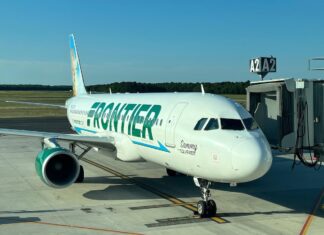
- Market Consolidation: The collapse of Spirit Airlines has removed a key competitor that traditionally kept industry fares in check. Frontier Airlines, now the leading ultra-low-cost carrier, has raised fares five times since the conflict began and reports that consumers are continuing to book despite the higher costs.
“Higher fares and people transacting and flying at higher rates as well,” noted Bobby Schroeter, Frontier’s chief commercial officer, highlighting that demand remains resilient despite the price shock.
Strategies for Smarter Booking
With the Memorial Day weekend rush approaching and summer peak season imminent, travelers must adapt their strategies to navigate this expensive landscape. Here are four evidence-based approaches to mitigate costs:
1. Reverse Your Search Logic
Traditional travel planning involves picking a destination first, then finding flights. In 2026, reverse this process. Use comparison tools like Google Flights to search for multiple destinations, dates, and airlines simultaneously. Build your itinerary around the flight that fits your budget, rather than forcing a specific destination to fit your wallet. While this is challenging for fixed-event travel (weddings, graduations), it is highly effective for leisure trips.
2. Leverage Loyalty Programs and Credits
While dynamic pricing has increased the number of miles required for award tickets, points remain a powerful tool for offsetting cash costs.
* Audit Your Accounts: Check for unused miles or trip credits from past cancellations. For example, using accumulated Avios points to book flights to Europe via partners like Aer Lingus can provide significant value.
* Explore Partner Redemptions: Sometimes transferring points to airline partners yields better value. For instance, transferring points to Alaska Airlines or Hawaiian Airlines (Atmos Rewards) can unlock sweet spots for American Airlines flights, while Air France-KLM’s Flying Blue program offers alternatives when Delta SkyMiles prices are prohibitive.
3. Optimize Timing
Data consistently shows that travel timing significantly impacts cost:
* Mid-Week Travel: Tuesdays and Wednesdays are typically the cheapest days to fly.
* Weekend Strategy: Saturdays are often cheaper than Fridays or Sundays.
* Late Summer: August is generally more affordable than the peak months of June and July. If your schedule allows, delaying your vacation until August can result in substantial savings.
4. Monitor for Schedule Changes
Airlines have begun cutting flights in response to high fuel costs, initially targeting less popular routes with multiple daily departures. However, total route cuts are beginning to appear. Travelers should keep a close eye on their itineraries for potential changes or cancellations, particularly on transatlantic routes where fuel shortages in Europe could further disrupt service.
Conclusion
The surge in airfares is a direct consequence of global geopolitical instability and shifting airline economics, with no immediate relief in sight. By abandoning rigid travel plans, leveraging loyalty points strategically, and remaining flexible with dates and destinations, travelers can still find value in an increasingly expensive market. The key to surviving the 2026 summer travel season is adaptability and proactive planning.