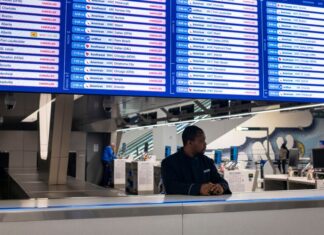
Palm Beach International Airport (PBI) is set to undergo a significant transformation, officially becoming the President Donald J. Trump International Airport on July 1, 2026. Following the passage of legislation by the Florida Legislature and its signing by Governor Ron DeSantis, the county has now finalized a complex trademark agreement with President Trump’s companies to facilitate the change.
While renaming airports after former U.S. presidents is a recognized tradition, this specific case introduces unusual legal and financial dynamics. The deal aims to protect the county from potential litigation while granting Trump’s business entities significant control over branding and merchandise, raising questions about the intersection of public infrastructure and private intellectual property.
Legislative Path and Implementation
The initiative began in November 2025 when State Representative Meg Weinberger (R) introduced the proposal. She argued that honoring Trump, a longtime resident of Palm Beach County, was a fitting tribute to what she described as the “most consequential president of our lifetime.”
The measure moved through the state legislature with a strictly partisan vote:
* House of Representatives: Passed 81-30.
* State Senate: Passed 25-11.
Governor Ron DeSantis signed the bill into law in March 2026. Approximately $5.5 million has been allocated to cover the logistical costs of the rebranding, including new signage, digital updates, and marketing materials. The transition is scheduled to take effect on July 1, 2026.
The Unusual Trademark Agreement
The most distinctive aspect of this renaming is the legal framework required to use the name “Trump.” Unlike most presidential airports—such as those named for Kennedy, Reagan, or Bush—the Trump name is a registered trademark owned by private entities. Consequently, Palm Beach County had to negotiate a specific license agreement with the Trump Organization.
County officials and Trump’s representatives have stated that this agreement is necessary to shield the county from future lawsuits regarding trademark infringement. The terms of the deal include several notable provisions:
- No Direct Royalties: Trump’s companies have agreed not to receive royalties or revenue directly from the sale of branded merchandise inside the airport.
- Non-Exclusive Rights: The agreement is non-exclusive. This allows Trump’s companies to continue selling branded merchandise off-site and potentially in other locations without interference.
- Control Over Supply Chain: Trump’s companies retain the right to create a list of “approved retailers.” Airport stores must purchase their branded merchandise from these approved sources, giving the Trump Organization indirect influence over the retail ecosystem.
- Content Veto Power: Perhaps most significantly, President Trump holds veto power over the display of his biography within the airport. He can request modifications to any biographical information that he deems inaccurate or unfavorable.
- Marketing Approval: While the county can use Trump’s name, image, and biography for marketing purposes, all promotional materials must be approved by Trump’s companies beforehand.
Context: A Trend of Political Naming?
Palm Beach will join a growing list of U.S. commercial airports named after former presidents. Current examples include:
* John F. Kennedy International Airport (New York)
* Ronald Reagan Washington National Airport (Washington, D.C.)
* George Bush Intercontinental Airport (Houston)
* Gerald R. Ford International Airport (Grand Rapids)
* Bill and Hillary Clinton National Airport (Little Rock)
However, critics argue that naming public infrastructure after active or recent political figures diverges from the tradition of honoring historical consensus. The removal of “Palm Beach” from the official name—leaving only “President Donald J. Trump International Airport”—has drawn particular criticism for erasing local geographic identity in favor of partisan honorifics.
Observers note that this move may embolden similar efforts elsewhere. Trump has previously expressed interest in renaming other major hubs, such as Washington Dulles International Airport (IAD), suggesting that the Palm Beach precedent could spark further national debates over the politicization of public landmarks.
Conclusion
The renaming of Palm Beach International Airport marks a significant shift in how presidential legacies are memorialized in public spaces. By combining legislative action with a private trademark license, Florida has created a model where public infrastructure branding is subject to private corporate control and content approval. As the July 2026 launch date approaches, the project stands as a testament to the enduring influence of political branding on American civic life.