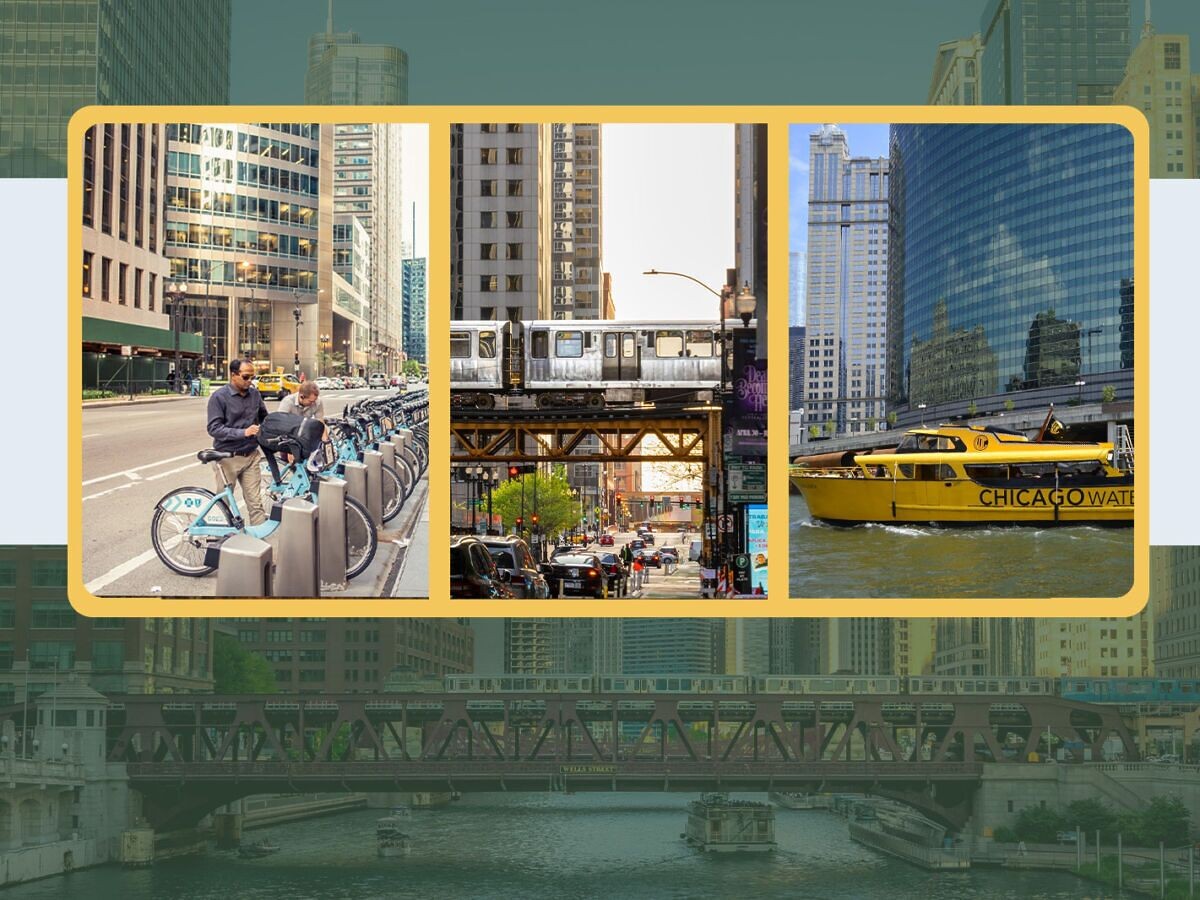
Chicago is a sprawling metropolis, but it is far from impossible to navigate without a vehicle. For residents and visitors alike, the city offers a diverse ecosystem of transit options—ranging from high-speed commuter rails to scenic water taxis. Success in Chicago depends on understanding how these different systems interconnect and, most importantly, how to pay for them.
The Essential Foundation: Ventra
Before you step onto a train or bus, you need to understand Ventra. Ventra is not a vehicle, but it is the backbone of Chicago’s mobility. It is the unified payment system used by the Chicago Transit Authority (CTA), suburban Pace buses, and Metra commuter trains.
- How to get it: You can purchase a Ventra card for $5 at any CTA station, most Walgreens locations, or grocery stores.
- Pro Tip: Register your card via the Ventra app or website immediately. This allows you to manage your balance digitally and ensures your funds are easily tracked.
- Efficiency: For those planning ahead, you can order a card online to be mailed directly to you before your arrival.
Primary Transit Methods
1. The “L” (CTA Trains)
Commonly referred to as “The L” (short for elevated), the CTA train system is the city’s most iconic transit method. It consists of a mix of elevated tracks, ground-level lines, and subways.
* Cost & Connectivity: A single ride costs $2.50. The system is designed for seamless transfers; if you use your card again within two hours, you can switch between different lines for a discounted transfer fee of just $0.25.
* The O’Hare Exception: Note that rides to/from O’Hare International Airport are priced differently at $5.00, which includes two transfers.
* Value Passes: If you are staying for several days, purchasing a 1-, 3-, 7-, or 30-day pass via Ventra is much more cost-effective than paying per ride.
2. CTA Buses
When the train lines don’t reach your destination, the bus network fills the gaps.
* Integration: Buses use the same Ventra system and transfer rules as the trains.
* A Note on Reliability: Unlike trains, buses are subject to city traffic. They often “clump” together (where several buses arrive at once after a long gap). Always use the transit tracker in the Ventra app and build extra time into your schedule to avoid being late.
3. Metra: The Commuter Rail
While the CTA handles the inner city, Metra is the heavy hitter for regional travel. These trains are faster and more comfortable than the CTA, making them ideal for traveling deep into the suburbs.
* Best Use Case: If you are heading to destinations like the Chicago Botanic Garden or a concert at Ravinia, Metra is your best option.
* Pricing: Fares are higher than the CTA, typically starting at a few dollars for city trips and exceeding $10 for longer suburban routes.
* Tip: Look into “unlimited weekend passes,” which can offer significant savings for leisure travelers.
Alternative Ways to Move
🌊 The Chicago Water Taxi
For a unique perspective of the skyline, the Water Taxi is a functional yet scenic option. These yellow boats navigate the river from North Avenue (near Goose Island) down to Chinatown.
* The Experience: Unlike large riverboat tours, these are commuter-focused, meaning there are no guided tours or extensive outdoor seating.
* Cost: A one-way ride is approximately $6.00.
🚲 Divvy Bike-Share
Chicago is a highly bikeable city, thanks to the Divvy program. With nearly 600 stations, you can pick up a bike in one neighborhood and drop it off in another.
* Pricing Tiers:
* Single Ride: $3 for 30 minutes (ideal for quick trips).
* Explorer Pass: $15 for 24 hours of unlimited rides (up to 3 hours per ride), perfect for exploring the Lakefront Trail or the 606.
* Annual Membership: ~$144 for unlimited 45-minute rides (best for long-term residents).
* How to use: Use the Divvy app to find stations or access bikes via the Lyft app.
🚶 Walking
While you cannot walk across the entire city, Chicago’s neighborhoods are highly walkable. Most local hubs are designed so that everything you need is within a one-mile radius. In the downtown “Loop,” much of the major sightseeing—including Millennium Park and the Riverwalk—is easily covered on foot.
Summary of Transit Options
| Method | Best For… | Key Feature |
|---|---|---|
| The L (Train) | Rapid city travel | Seamless transfers via Ventra |
| CTA Bus | Reaching areas without rail | Integrated with the train system |
| Metra | Suburban trips & concerts | Faster, long-distance travel |
| Divvy Bike | Leisure & short distances | Extensive station network |
| Water Taxi | Scenic river transit | Connects North Side to Chinatown |
Final Verdict: To navigate Chicago like a pro, master the Ventra app, prioritize the CTA for city movement, and use Metra for anything venturing into the suburbs.