The global travel sector is undergoing significant change, marked by uneven recovery in international tourism, the rise of specialized tour operators, the integration of artificial intelligence, and the emergence of electric alternatives. These trends reflect a broader shift toward efficiency, sustainability, and targeted customer experiences in the post-pandemic era.
Tourism Recovery: Uneven Gains
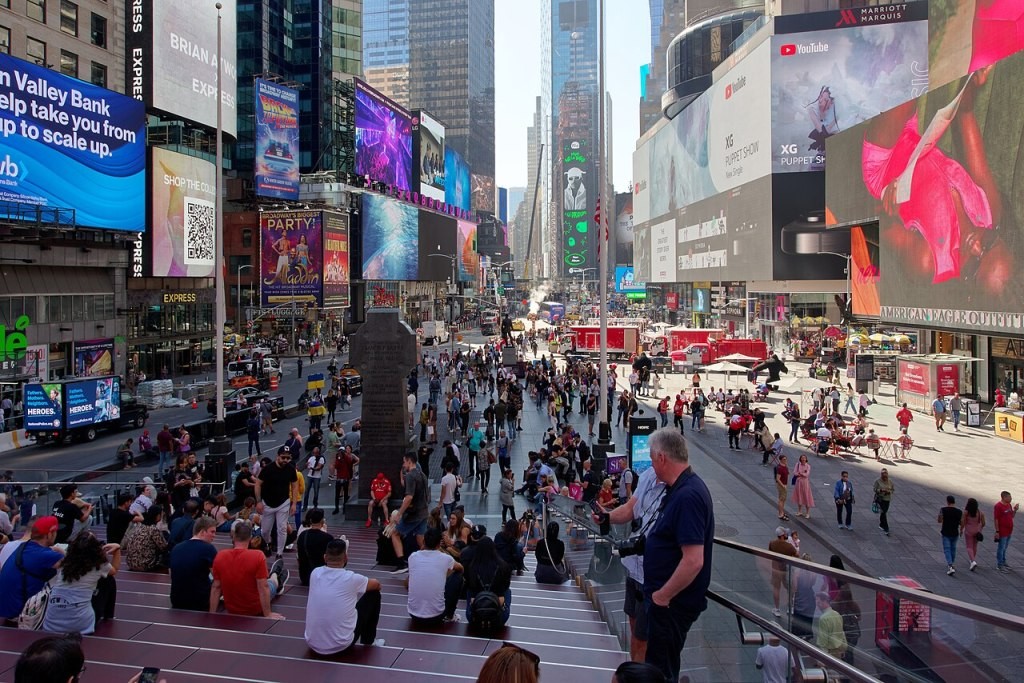
New York City is seeing a rise in tourism, but the recovery is not uniform. International visitor numbers remain below pre-pandemic levels, indicating a slower return of long-haul travelers. This highlights a key challenge for destinations reliant on overseas tourists: rebuilding confidence and addressing lingering travel restrictions. The disparity between domestic and international growth suggests that the industry must adapt to a potentially long-term reshaping of travel patterns.
Specialized Tour Market: Civitatis’ Strategy
Civitatis is focusing on the 850 million Spanish- and Portuguese-speaking travelers, a significant but often overlooked segment. By curating experiences specifically for this audience, the company aims to simplify travel planning and cater to cultural preferences. This specialization is a growing trend, as travel companies recognize the value of niche markets over broad, generic offerings.
AI in Hospitality: Hyatt’s Approach
Hyatt is leveraging artificial intelligence to accelerate the customer journey from discovery to booking. This strategy aligns with the increasing overlap between customer intent, loyalty programs, and direct bookings. By using AI, hotels can capture demand earlier, improve sales efficiency, and enhance customer engagement. The move underscores the growing importance of data-driven personalization in the hospitality industry.
Resilience in Volatility: IHG’s Outlook
International Hotels Group (IHG) believes that global volatility is now a permanent feature of the travel landscape. However, large, diversified hotel groups are well-positioned to thrive as long as overall travel demand remains strong. This perspective suggests that scale, brand recognition, and financial stability are key advantages in navigating uncertain times.
Electric Tourism: The Rise of Alternative Vehicles
Decarbonization goals are driving demand for electric equipment in tourism, particularly in winter sports. Electric snowmobiles are emerging as a viable alternative to diesel-powered vehicles, offering competitive pricing and performance. This shift is part of a broader push toward sustainable tourism, with resorts and operators exploring eco-friendly options to reduce their carbon footprint.
The travel industry is evolving rapidly, driven by technological innovation, demographic shifts, and environmental concerns. Companies that